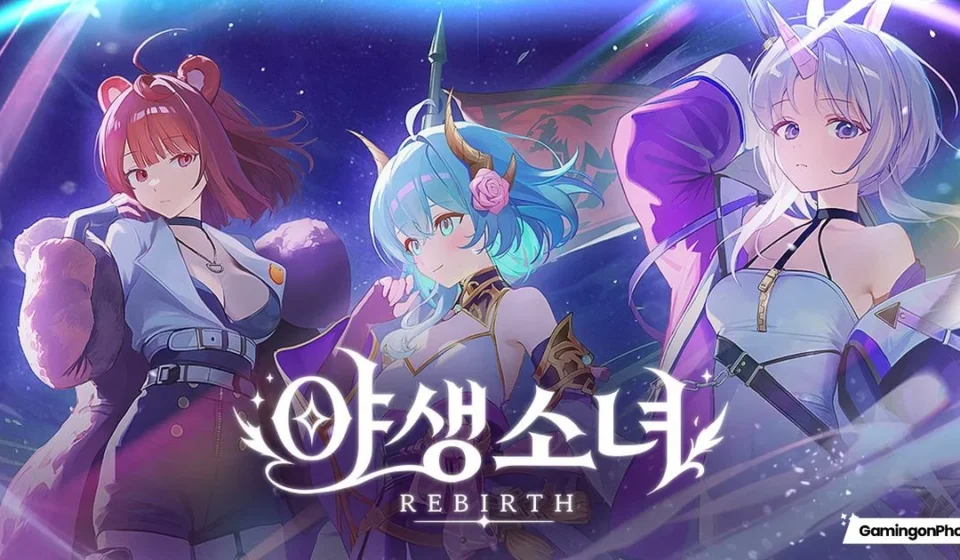
Wild Girl: Rebirth is gearing up for a chaotic second journey on mobile; pre-registration is now live in South Korea

Sesisoft, in collaboration with developer Bluesom, has officially announced the commencement of pre-registration for its highly anticipated idle RPG, Wild Girl: Rebirth, in South Korea. This strategic move marks the impending arrival of a direct sequel to the original Wild Girl, which garnered a dedicated player base following its release in 2020. Available for both Android and iOS platforms, Wild Girl: Rebirth aims to build upon the foundational charm of its predecessor while introducing an expanded array of battles, an enhanced character collection system, and a deeper narrative experience. The opening of pre-registration signifies a critical phase in the game’s launch cycle, allowing the development team to gauge initial player interest and build momentum ahead of its full release in one of the world’s most competitive mobile gaming markets.
The Evolution of an Idle RPG Franchise: From Wild Girl to Rebirth
The original Wild Girl, launched in 2020, established itself within the burgeoning idle RPG genre by combining accessible gameplay mechanics with engaging character aesthetics. Its success lay in its ability to offer players a satisfying progression loop that required minimal active input, a characteristic hallmark of the idle genre, while still providing strategic depth through character synergy and resource management. The decision by Sesisoft and Bluesom to develop a direct sequel, Wild Girl: Rebirth, underscores the positive reception of the initial title and the developers’ confidence in the franchise’s potential for further growth and refinement. Sequels in the mobile gaming space are often strategically deployed to leverage an existing intellectual property, capitalizing on brand recognition and a pre-established fan base. For Wild Girl: Rebirth, this means carrying forward the core essence that players appreciated—the distinctive character art style, the blend of real-time combat with idle progression, and a compelling world-saving narrative—while introducing significant enhancements to justify its "Rebirth" moniker. The title itself suggests a revitalization, implying that the new iteration will not merely be an update but a comprehensive overhaul or expansion that redefines the player experience.
A World on the Brink: Narrative and Core Premise
Wild Girl: Rebirth plunges players into a narrative set in a world that has already succumbed to a catastrophic ending. This grim premise immediately establishes high stakes, differentiating it from many contemporary fantasy RPGs that often begin before a major cataclysm. The story introduces a pivotal character, Evrien, through whom time is reversed, granting the protagonist, known as the Commander, a singular opportunity to alter the tragic outcome. This "time-reversal" mechanic is a classic narrative device, effectively resetting the stage while retaining the emotional weight of past failures. Players are tasked with reuniting scattered comrades—the titular "Wild Girls"—and forging a formidable squad of up to six characters. This assembly of heroes is crucial for confronting the myriad enemies encountered in the game’s side-scrolling real-time battles. The premise not only offers a compelling backdrop for adventure but also provides a logical framework for character collection, as players must seek out and re-recruit their allies from across the altered timeline. The theme of "rebirth" extends beyond the game’s title, encapsulating the very essence of its storyline: a second chance at salvation in a world teetering on the precipice of oblivion.
Strategic Combat and Character Dynamics
The combat system in Wild Girl: Rebirth is designed to be both visually dynamic and strategically engaging. Battles unfold in a side-scrolling, real-time format, a popular choice for mobile RPGs that balances action with tactical decision-making. Players are required to meticulously arrange their six-girl squad into distinct roles: Tank, Dealer, and Supporter. This fundamental RPG trinity ensures that team composition is not merely about raw power but also about strategic synergy. Tanks absorb damage, Dealers inflict it, and Supporters provide crucial healing, buffs, or crowd control. The effectiveness of a squad hinges on the player’s ability to link character skills, creating powerful combo attacks that deal heavy damage and clear enemy waves efficiently. This skill-linking mechanic adds a layer of depth, encouraging players to experiment with different character combinations to discover optimal attack sequences.
Visual flair is a significant component of the combat experience, with the game promising "flashy skill animations" that elevate the excitement of each encounter. Beyond roles and skill links, Wild Girl: Rebirth incorporates a robust elemental attribute system. Characters are categorized under four distinct attributes: Earth, Water, Wind, and Illusion. This system introduces a rock-paper-scissors dynamic, where certain attributes hold advantages over others, compelling players to strategically select characters based on the enemies they face. The roster of "adorable beast-girl characters" is central to the game’s appeal, leveraging popular character design tropes to create a diverse and collectible cast. Players can summon these characters, subsequently strengthening them through various progression systems and equipping them with exclusive gear to maximize their combat potential. This multi-layered character development system, typical of gacha-driven RPGs, ensures long-term engagement as players continually strive to acquire and optimize their ideal squad.
Beyond the Battlefield: Base Building and Idle Progression
Wild Girl: Rebirth extends its gameplay loop beyond direct combat through an integrated base-building and management system. Players are given control over their own personal island, dubbed the "Garden of Memories," with the "Lighthouse of Time" serving as its central hub. This feature provides a strategic meta-game layer, allowing players to construct various buildings and research upgrades that directly contribute to the strength and efficiency of their combat squad. The interplay between base development and character progression is crucial; a well-managed Garden of Memories can significantly enhance the capabilities of the Wild Girls, providing passive bonuses, crafting opportunities, or training facilities.

A key aspect of this system is the integration of idle mechanics for resource generation. Players can dispatch "magical beasts" on expeditions, which passively gather resources over time, even when the player is offline. This idle system is a cornerstone of the genre, catering to players who appreciate continuous progression without constant active engagement. Resources obtained through this method are vital for strengthening characters, constructing new buildings, and researching advanced technologies. This blend of active combat and passive resource accumulation creates a balanced gameplay experience, rewarding both dedicated play sessions and casual check-ins. Furthermore, the game introduces challenging boss encounters, such as the "Dimensional Raider," which can change phases during battle. These multi-phase bosses demand adaptive strategies and optimized squad compositions, providing a significant test of player skill and team synergy. The overall design emphasizes a comprehensive experience that combines the thrill of real-time combat with the satisfying long-term progression of an idle resource management game, all wrapped within an appealing character collection framework.
The South Korean Mobile Gaming Market: A Strategic Launchpad
The decision to launch pre-registration for Wild Girl: Rebirth exclusively in South Korea underscores the country’s pivotal role in the global mobile gaming industry. South Korea is renowned for its highly competitive and mature mobile gaming market, characterized by sophisticated players, high engagement rates, and a strong preference for RPGs, particularly those incorporating gacha mechanics and anime-inspired aesthetics. Launching in this market serves multiple strategic purposes for Sesisoft and Bluesom.
Firstly, South Korea acts as an ideal proving ground. The discerning local player base provides invaluable feedback, allowing developers to fine-tune gameplay, balance mechanics, and identify potential issues before a broader global rollout. This iterative development approach, informed by real-world player data, can significantly enhance a game’s long-term success. Secondly, the market’s high monetization potential for successful titles means that even a regional launch can generate substantial revenue, which can then be reinvested into further development and marketing. Lastly, a strong performance in South Korea often garners international attention, creating organic buzz and paving the way for successful launches in other key markets, such as Japan, North America, and Europe. The competitive landscape means that Wild Girl: Rebirth will enter an arena populated by numerous established and highly successful idle RPGs and gacha games. To stand out, it must offer compelling differentiators, whether through its unique narrative, character designs, or refined gameplay systems. Sesisoft, as a publisher, likely possesses deep insights into the local market dynamics, enabling them to tailor their marketing and launch strategies effectively to maximize player acquisition and retention.
Pre-registration and Anticipated Launch Incentives
The opening of pre-registration for Wild Girl: Rebirth on both Android via the Google Play Store and iOS through the official website is a standard yet crucial phase in the mobile game launch cycle. Pre-registration campaigns are vital for generating early interest, building a community, and establishing a robust user base ahead of the official release. Developers typically incentivize pre-registrations with exclusive in-game rewards, which often escalate based on the total number of sign-ups achieved. While specific rewards for Wild Girl: Rebirth were not detailed, common incentives in the genre include premium in-game currency (like "gems" or "diamonds"), rare character summons, exclusive cosmetic items, and valuable progression materials. These tiered rewards not only encourage individual sign-ups but also foster collective community effort as players spread the word to unlock higher-tier bonuses.
For players, pre-registration offers the advantage of being among the first to experience the game upon launch and receiving a head start with valuable resources. For the developers, it provides crucial data on player intent and market demand, allowing them to optimize server infrastructure and anticipate player load. The current status indicates that the game is nearing its final stages of development, with the pre-registration period serving as the last major marketing push before the official launch. The strategic use of both platform-specific app stores and a dedicated official website for pre-registration ensures maximum reach across the target audience in South Korea. The successful execution of this pre-registration phase will be a strong indicator of the game’s potential for widespread adoption and commercial success within the highly competitive mobile gaming ecosystem.
Implications and Future Outlook for the Idle RPG Genre
The launch of Wild Girl: Rebirth carries several implications for both the franchise and the broader idle RPG genre. For the Wild Girl series, this sequel represents a significant investment in expanding its universe and solidifying its position within the character-collection RPG segment. The success of Rebirth will largely depend on its ability to innovate beyond its predecessor while retaining the core elements that appealed to its initial audience. Players will be looking for meaningful improvements in gameplay mechanics, a deeper narrative, and enhanced visual fidelity.
For the idle RPG genre as a whole, Wild Girl: Rebirth contributes to its ongoing evolution. The genre has seen substantial growth in recent years, driven by its accessibility, the satisfaction of passive progression, and the allure of gacha mechanics. Titles like Wild Girl: Rebirth demonstrate the continued demand for games that blend strategic depth with convenient, time-friendly gameplay. The game’s emphasis on base-building and intricate character synergy suggests a move towards more complex idle systems, pushing the boundaries beyond simple automated combat. If successful, it could influence future design trends, encouraging other developers to integrate richer meta-game elements and more engaging narrative arcs into their idle offerings. The competitive nature of the South Korean market means that only games that offer exceptional polish, compelling content, and a sustainable monetization model will thrive. Wild Girl: Rebirth has the potential to carve out a significant niche, demonstrating the enduring appeal of its distinct blend of charming characters, strategic combat, and rewarding idle progression. Its performance in South Korea will undoubtedly be closely watched by industry analysts and players worldwide, potentially signaling a future global expansion and solidifying the franchise’s legacy in the mobile gaming landscape.