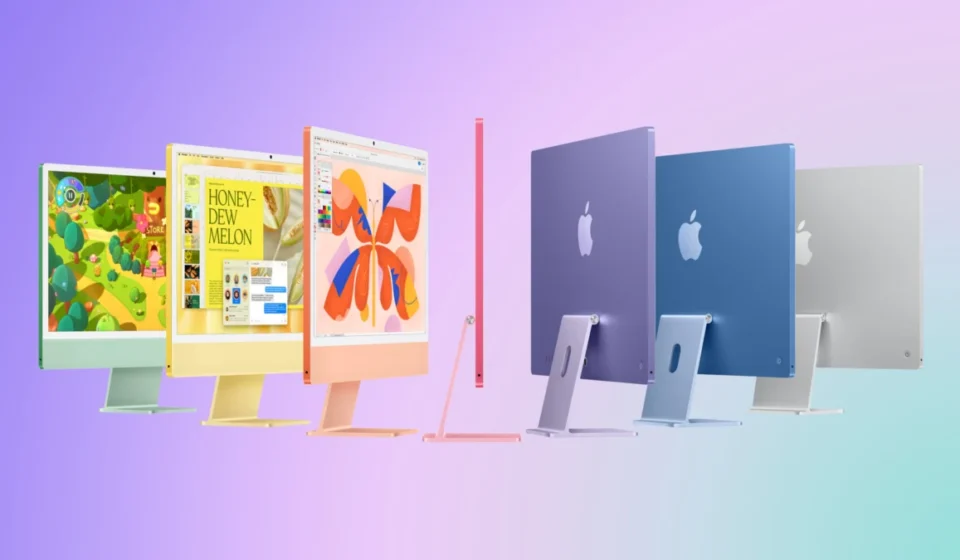
Apple Unveils M6 Chip Across Refreshed iMac and MacBook Pro Lineups, Signals Shift Towards Touch-Enabled OLED Displays

Following a significant announcement regarding the iPad mini’s transition to an OLED display, Apple is poised to launch a wave of product updates, with fresh iterations of the iMac and 14-inch MacBook Pro models slated for release this Tuesday. These refreshed desktops and laptops will be powered by the company’s latest-generation M6 chip, a processor that made its debut earlier this year in the updated Mac mini lineup in August. Industry observers anticipate no fundamental design overhauls for these particular Mac models, focusing instead on internal performance enhancements driven by the M6 silicon. The week’s product unveiling marathon is set to culminate on Wednesday, with the highly anticipated introduction of higher-end 14-inch and 16-inch MacBook Pro models that are rumored to incorporate touch-enabled OLED displays.
The M6 Chip: A New Era of Performance and Efficiency
The integration of the M6 chip into the iMac and 14-inch MacBook Pro signifies Apple’s continued commitment to its in-house silicon strategy, which has demonstrably boosted performance and energy efficiency across its product ecosystem since the initial M-series chips were introduced. The M6, having already proven its capabilities in the Mac mini, is expected to deliver substantial improvements in processing power, graphics rendering, and machine learning tasks. While specific benchmarks for the M6 are not yet publicly available, its predecessor, the M5, offered significant generational leaps in performance, and industry analysts project a similar or even more pronounced uplift with the M6. This advancement is crucial for maintaining Apple’s competitive edge in the premium personal computing market, where demanding professional applications and immersive entertainment experiences are increasingly the norm.
The M6 chip’s architecture is likely to build upon the strengths of previous generations, potentially featuring an increased number of CPU and GPU cores, an enhanced Neural Engine for AI-driven tasks, and improved memory bandwidth. This will translate into faster application loading times, smoother multitasking, more responsive creative workflows for video editors, graphic designers, and software developers, and a superior gaming experience. For everyday users, the M6 will contribute to a snappier overall user interface and extended battery life, particularly in the portable MacBook Pro models.
iMac: A Refreshed Desktop Experience
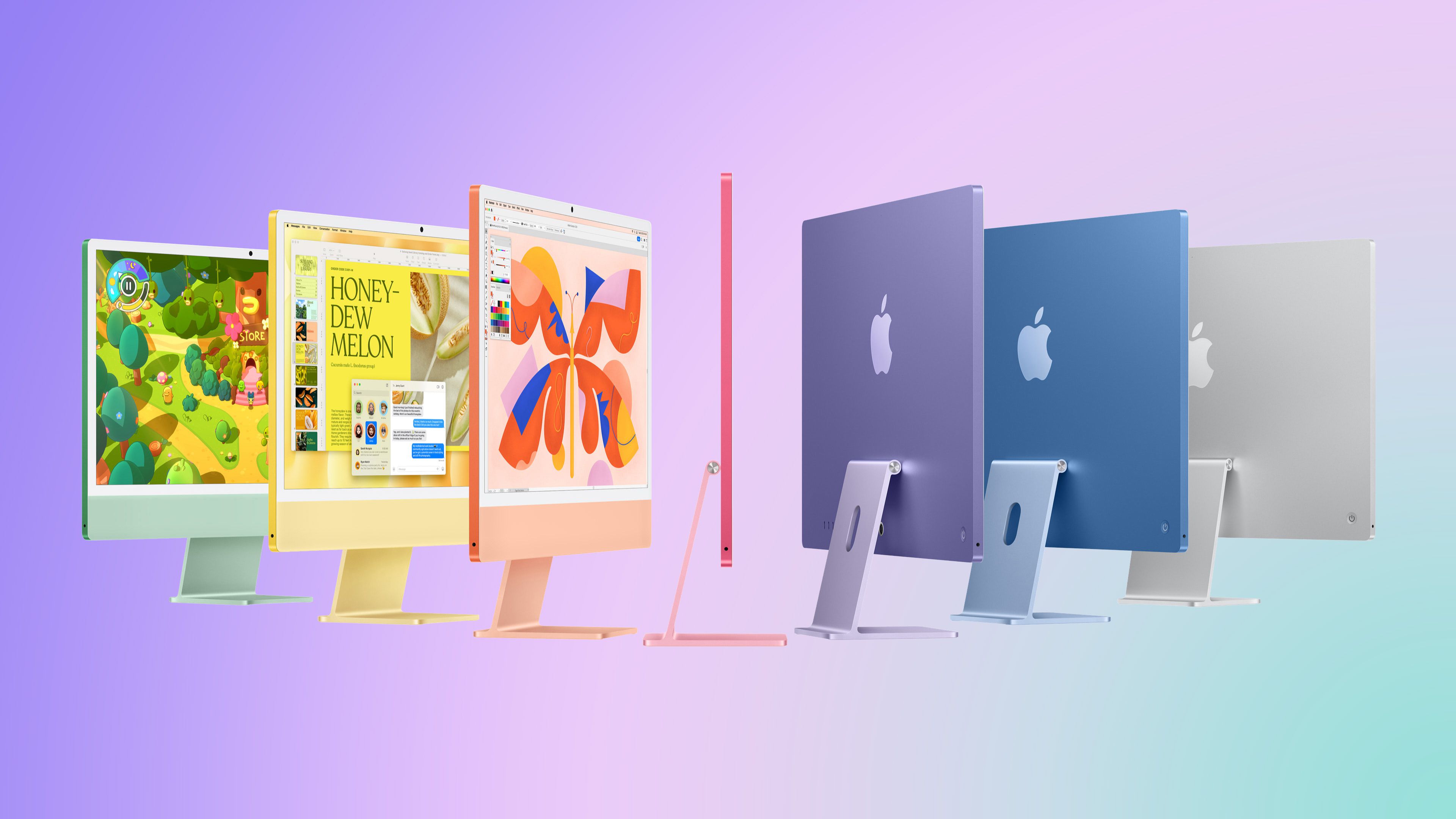
The upcoming iMac refresh, powered by the M6 chip, is expected to offer a compelling upgrade for users seeking a powerful and aesthetically pleasing all-in-one desktop computer. While design changes are not anticipated, the internal performance boost will be the primary focus. This means users can expect a more capable machine for a wider range of tasks, from general productivity and web browsing to more intensive workloads such as photo editing, light video production, and even casual gaming.
The iMac has long been a staple for creatives and professionals who value its minimalist design and integrated display. The M6 chip will ensure that the iMac remains a relevant and powerful option in a market that is increasingly dominated by more modular desktop solutions. The absence of design changes suggests Apple is prioritizing the refinement of its existing product lines before potentially introducing radical new aesthetics, a strategy often employed to provide predictable upgrade paths for loyal customers.
14-Inch MacBook Pro: Enhanced Portability Meets Cutting-Edge Performance
The updated 14-inch MacBook Pro will undoubtedly be a significant draw for professionals and power users who require top-tier performance in a portable form factor. Equipped with the M6 chip, these new models will offer a potent combination of speed, efficiency, and advanced capabilities. The M6’s enhanced graphics performance is particularly relevant for this demographic, enabling smoother playback and editing of high-resolution video, faster rendering in 3D applications, and improved performance in demanding scientific and engineering software.
The existing 14-inch MacBook Pro lineup is already lauded for its excellent Retina display, robust build quality, and comprehensive port selection. The M6 chip will further solidify its position as a leading portable workstation. Apple’s emphasis on silicon efficiency also means that users can expect impressive battery life, even when pushing the M6 chip to its limits. This is a critical consideration for professionals who rely on their laptops for extended periods away from a power source.
The Imminent Leap: Touch-Enabled OLED MacBook Pro Models
The most significant news emanating from Apple’s product pipeline this week is the anticipated unveiling of 14-inch and 16-inch MacBook Pro models featuring touch-enabled OLED displays. This development, rumored for Wednesday, represents a potential paradigm shift for the MacBook Pro line, traditionally known for its non-touch display. The integration of OLED technology promises several advantages over current LCD displays, including superior contrast ratios, deeper blacks, more vibrant colors, and faster response times. This would significantly enhance the visual experience for all users, especially those working with rich media content.
The addition of a touch interface is a more substantial departure. While Apple has resisted incorporating touchscreens into its Mac laptops for years, citing the existence of the iPad as a separate touch-first device, the evolving landscape of computing and user expectations may be driving this change. Competitors have successfully integrated touchscreens into their laptops, offering new ways to interact with applications and the operating system.
Analysis of Touch-Enabled OLED MacBook Pro Implications
The introduction of touch-enabled OLED displays on MacBook Pros would have far-reaching implications:
- Enhanced User Interaction: A touch interface could revolutionize how users interact with macOS. This might include new gesture controls, more intuitive navigation for certain applications, and improved drawing or annotation capabilities with an Apple Pencil. The combination of touch and a stylus could unlock new creative workflows, particularly for artists, designers, and note-takers.
- Convergence of Form Factors: This move could signal a further blurring of the lines between traditional laptops and tablets. While the iPad remains a distinct product, the MacBook Pro with touch capabilities might offer a more versatile computing experience that bridges the gap between the two.
- Competitive Response: The technology industry is highly competitive. Apple’s move into touch-enabled OLED displays could be a direct response to advancements made by rivals and an effort to reclaim a leading position in display technology and user interface innovation.
- Software Adaptation: For touch to be truly effective, macOS will likely need further software optimizations. Developers will also need to adapt their applications to take full advantage of touch input, potentially leading to a richer and more interactive software ecosystem.
A Week of Significant Apple Announcements
The flurry of announcements this week underscores Apple’s dynamic product development cycle and its strategic approach to evolving its hardware offerings. The simultaneous updates to the iMac, 14-inch MacBook Pro, and the highly anticipated introduction of touch-enabled OLED MacBook Pros, all underpinned by the new M6 chip, paint a picture of a company intent on pushing the boundaries of personal computing.
The company’s decision to announce the iPad mini with an OLED display earlier in the week sets the stage for the broader adoption of this display technology across its product lines. This suggests a commitment to OLED not just for premium mobile devices but also for its flagship computing products.
Background and Context: Apple’s Silicon Journey and Display Technology Evolution
Apple’s transition to its own silicon, beginning with the M1 chip in late 2020, has been a transformative event in the personal computer industry. This move has allowed Apple to exert greater control over performance, power efficiency, and feature integration, leading to devices that often outperform competitors in their respective categories. The M6 chip represents the latest iteration of this successful strategy, promising continued improvements.
In parallel, display technology has seen rapid advancements. OLED displays, known for their superior image quality, have become increasingly common in smartphones and high-end televisions. Their integration into laptops, particularly premium models, represents the next frontier for mobile computing displays. Apple’s adoption of OLED in the iPad mini and, imminently, in the MacBook Pro, signals a broader industry trend towards richer, more immersive visual experiences.
Potential Reactions and Industry Analysis
While official statements from Apple are typically reserved until product launch events, the expected announcements have already generated significant buzz within the tech community. Industry analysts are likely to focus on the performance gains offered by the M6 chip, the impact of OLED displays on visual fidelity and battery life, and the strategic implications of introducing touch functionality to the MacBook Pro.
Mark Gurman, a prominent tech journalist known for his insights into Apple’s product roadmap, has previously reported on the potential for touch-enabled MacBook Pros and the growing importance of OLED technology. His analysis, often cited in industry publications, typically highlights the strategic reasoning behind Apple’s product decisions and their potential market impact. The "Pro and tell" tagline on the recent invitation for an event on Wednesday, October 28, strongly suggests that the rumored MacBook models with touch-enabled OLED displays will indeed be unveiled, solidifying their place within the "MacBook Pro" branding rather than a hypothetical "MacBook Ultra" designation, mirroring the naming conventions seen with the iPhone Duo.
The market’s reaction will hinge on the pricing, feature set, and overall user experience delivered by these new devices. However, given Apple’s track record, these updates are expected to further solidify its position as a leader in the premium personal computing segment. The company’s ability to seamlessly integrate advanced hardware like the M6 chip and cutting-edge display technologies like OLED, while also potentially innovating user interfaces with touch capabilities, will be key to its continued success. The coming days promise to be a significant period for Apple, showcasing its ongoing commitment to innovation across its iconic Mac lineup.