Itens de PC gamer já são 82% dos anúncios internacionais no Mercado Livre – Observatório Tech

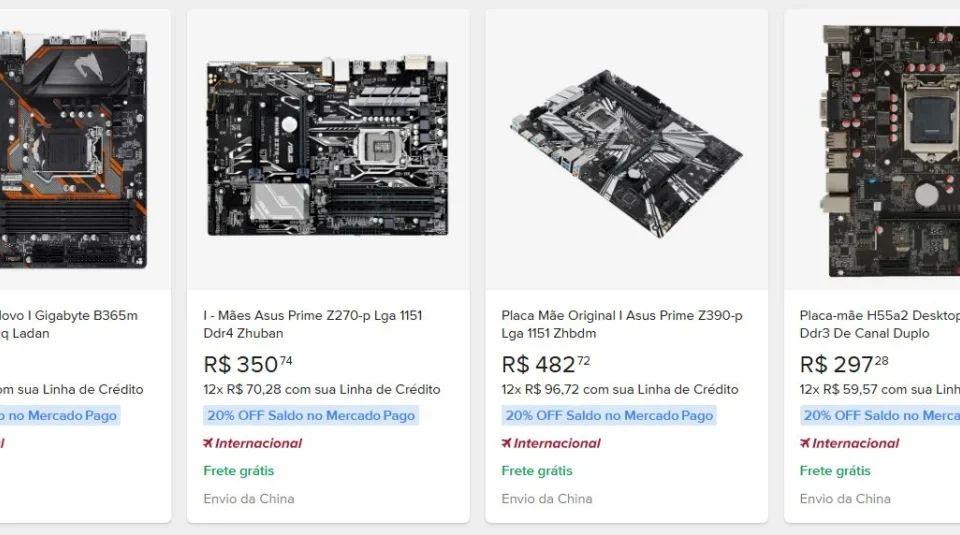
The digital commerce landscape in Latin America is undergoing a seismic shift as Mercado Livre, the region’s largest e-commerce ecosystem, experiences a massive surge in international listings, particularly within the high-growth gaming sector. According to a comprehensive study recently released by JoomPulse—a leading data intelligence and analytics platform powered by artificial intelligence—the "PC Gaming Accessories" category has emerged as the dominant force in the platform’s international expansion. The research reveals that a staggering 82% of active advertisements within this specific niche are now comprised of international listings, marking it as the segment with the highest cross-border participation on the entire marketplace.
This influx of foreign products is not an isolated incident but part of a broader, accelerating trend. In April 2026 alone, Mercado Livre integrated 14.1 million new international listings into its ecosystem. While slightly lower than the all-time record set in March 2026, which saw 14.6 million new entries, the figures represent a sustained high-volume period that has fundamentally altered the platform’s inventory profile. The data suggests that the appetite for global tech products, specifically those catering to the gaming community, is reshaping how major marketplaces manage their supply chains and consumer offerings in the Brazilian and broader South American markets.
The Evolution of the Gaming Niche and Market Dominance
The gaming industry has long been a bellwether for technological adoption in e-commerce, and the current data from JoomPulse underscores this reality. The 82% concentration of international listings in PC gaming accessories—which includes high-performance mice, mechanical keyboards, specialized cooling systems, and internal hardware components—indicates a significant reliance on global supply chains to meet local demand.
For years, the Brazilian gaming market faced hurdles related to high domestic production costs and limited local variety. The shift toward international fulfillment on Mercado Livre suggests that the platform has successfully streamlined its "Mercado Livre Global" operations, allowing consumers to access products from China, the United States, and Europe with greater ease. This transition is particularly notable because gamers are traditionally a highly discerning demographic, prioritizing specific technical specifications and brand authenticity that may not always be available through local manufacturing or traditional import-export channels.

The JoomPulse report highlights that the acceleration of these listings began well before recent shifts in federal tax policies regarding international purchases. In March 2026, the volume of new foreign ads added to the platform in a single month actually surpassed the total cumulative growth of the previous 14 months combined. This statistical anomaly points to a strategic "stockpiling" or "onboarding" phase where international sellers, facilitated by Mercado Livre’s logistics infrastructure, aggressively entered the market to capture the growing gamer consumer base.
Chronology of International Expansion on Mercado Livre
To understand the current scale of Mercado Livre’s international reach, it is essential to look at the timeline of its growth over the past 24 months.
- Early 2025: Infrastructure Investment. Mercado Livre began a series of logistics upgrades, expanding its "Full" fulfillment centers and enhancing its partnerships with international air freight carriers. This was intended to reduce the "last-mile" delivery time for cross-border goods.
- Late 2025: The Rise of the Gamer Consumer. Market analysis showed a 25% year-over-year increase in searches for high-end PC components in Brazil, signaling a shift from console gaming to more modular PC gaming setups.
- March 2026: The Record-Breaking Surge. The platform recorded 14.6 million new international listings. This period was characterized by a massive onboarding of Asian-based sellers specializing in tech and hardware.
- April 2026: Market Stabilization. The platform maintained its momentum with 14.1 million new listings, solidifying the international segment as a permanent pillar of the marketplace’s strategy.
- May-June 2026: Regulatory Adaptation. As new tax regulations (colloquially known as the "taxa das blusinhas" or "blouse tax") were debated and eventually implemented, the platform’s high volume of existing listings provided a buffer against immediate price shocks, allowing for a more gradual transition for consumers.
Analyzing the Impact of Tax Policy on Cross-Border Trade
A critical factor in the current e-commerce climate is the change in the Brazilian tax landscape. João Sartini, Head of Sales at JoomPulse, notes that the recent reduction in federal rates for certain international purchases—despite the ongoing debate over the 20% import tax on low-value goods—is a catalyst for an already existing momentum.
"The reduction of the ‘taxa das blusinhas’ tends to further accelerate this movement and increase the presence of international ads in categories where the consumer is more sensitive to price and variety," Sartini explained in his analysis of the report.
The term "taxa das blusinhas" refers to the political and social discourse surrounding the taxation of small international parcels, which primarily affected fashion and low-cost electronics. However, for the gaming sector, where individual items often exceed the $50 threshold, the strategic importance lies in how marketplaces like Mercado Livre handle the "Remessa Conforme" program. This program ensures that taxes are paid at the point of sale, providing transparency and preventing packages from being held at customs—a historical pain point for Brazilian consumers. The surge in listings suggests that sellers are now more confident in the predictability of the shipping process, leading to a broader variety of available products.

Diversification Beyond Gaming: Jewelry, Medical, and GPS
While PC gaming accessories lead the pack, the JoomPulse research identifies several other categories where international sellers have gained a dominant foothold. This diversification indicates that the trend toward a globalized marketplace is not limited to tech enthusiasts but is spreading across various consumer needs.
- Jewelry (77% International Participation): The jewelry sector has seen a significant influx of international listings, driven by the global nature of gemstone sourcing and the rise of "fast-fashion" accessories that are easily shipped in small, lightweight packages.
- Plush Toys and Collectibles (75% International Participation): This category benefits from the global popularity of specific intellectual properties (IPs) and the manufacturing hubs located in Southeast Asia, which can produce high volumes of niche collectibles at lower price points than domestic manufacturers.
- Medical Equipment (71% International Participation): A more surprising entry in the top list, the medical equipment category—ranging from specialized monitors to home care devices—relies heavily on international innovation and standardized global manufacturing protocols.
- Automotive GPS and Navigation (70% International Participation): As automotive technology becomes increasingly sophisticated, consumers are turning to international sellers for specialized navigation hardware that may not be integrated into older vehicle models or local retail stocks.
The high percentage of international ads in these categories suggests that Mercado Livre is successfully positioning itself as a direct competitor to global giants like AliExpress, Shopee, and Amazon, specifically by leveraging its superior local delivery network once the goods enter the country.
Strategic Implications for the Brazilian E-Commerce Ecosystem
The dominance of international listings, particularly in the 82% share of the gaming sector, carries significant implications for the local economy and the future of digital retail.
1. Pressure on Domestic Manufacturing:
The influx of high-quality, competitively priced international gaming gear puts immense pressure on local manufacturers. To compete, domestic brands may need to pivot toward offering superior local warranties, faster technical support, or specialized products that cater specifically to the Brazilian aesthetic and ergonomic preferences.
2. Logistics as a Competitive Advantage:
Mercado Livre’s ability to manage 14 million+ new listings in a single month is a testament to its logistical prowess. By integrating international sellers into its tracking and payment systems, the platform reduces the friction traditionally associated with "importing" goods. This "platformization" of international trade makes the border nearly invisible to the end consumer, provided the delivery times remain competitive.

3. Data-Driven Consumer Insights:
The use of AI-driven platforms like JoomPulse allows marketplaces to identify precisely which categories are underserved by local inventory. By targeting the gamer niche—a group with high lifetime value and frequent repeat purchases—Mercado Livre is securing a loyal customer base that will likely expand its spending into other categories over time.
4. The Role of AI in Marketplace Management:
The sheer volume of listings (28.7 million in just two months) would be impossible to manage without sophisticated AI. From automated translation of product descriptions to AI-driven customs clearance and fraud detection, the "internationalization" of Mercado Livre is as much a technological feat as it is a commercial one.
Future Outlook: The Path to 2027
As Mercado Livre continues to integrate global supply chains into its local operations, the distinction between "local" and "international" shopping is expected to blur further. Industry analysts predict that by 2027, the platform may implement "hybrid fulfillment," where the most popular international items are pre-stocked in local warehouses (Full) before they are even sold, effectively eliminating the wait times associated with cross-border trade.
The gaming category will likely remain the vanguard of this movement. As virtual reality (VR), augmented reality (AR), and high-fidelity 4K gaming continue to grow in Brazil, the demand for specialized hardware will only increase. If the current trend holds, the international share of these categories could approach 90%, making Mercado Livre the primary gateway for global tech brands entering the Latin American market.
In conclusion, the data provided by JoomPulse paints a picture of a marketplace that has successfully pivoted to meet a globalized demand. With 82% of its gaming accessories coming from abroad and a record-breaking influx of millions of new listings, Mercado Livre has moved beyond being a simple local intermediary. It is now a critical node in the global e-commerce network, fundamentally changing how Brazilian consumers interact with the global market and setting a high bar for its competitors in the years to come.