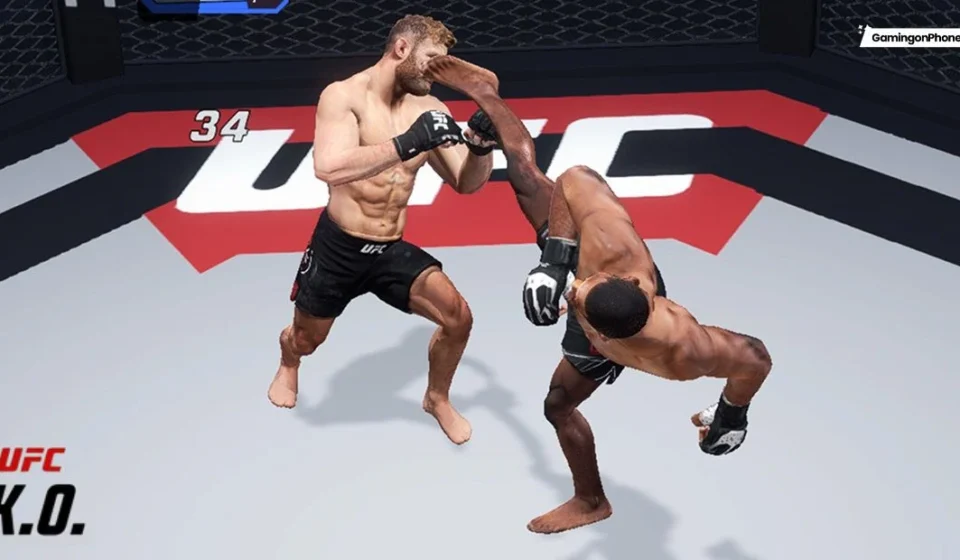

Rollic Games has made a discreet entry into the mobile fighting genre with the unannounced launch of UFC: KO! on iOS. This new title offers players the opportunity to forge their own path from an aspiring newcomer to a celebrated UFC contender, emphasizing fighter customization, strategic training, and dynamic five-round matches. The game’s current exclusivity to the iOS App Store, coupled with its quiet release, suggests a strategic soft-launch approach, allowing the developers to gather crucial feedback and refine the experience before a potential broader rollout.
The Unannounced Arrival: A Strategic Soft Launch in Mobile Gaming
The seemingly silent debut of UFC: KO! on the Apple App Store is a common, yet often overlooked, tactic in the highly competitive mobile gaming industry known as a "soft launch." This strategic phase allows developers to deploy a game to a limited geographical region or platform without a major marketing push. The primary objectives are multifaceted: to test core game mechanics, identify and rectify technical bugs, evaluate server stability under real-world conditions, and, crucially, gauge player engagement and retention rates. For a title like UFC: KO!, which carries the weight of a globally recognized brand, a soft launch can be instrumental in fine-tuning the free-to-play economy, balancing gameplay elements, and ensuring a robust user experience before a global, full-scale marketing campaign.
Rollic Games, a prominent publisher known primarily for its extensive portfolio of hyper-casual mobile titles, often employs iterative development and release cycles. While UFC: KO! appears to venture into a more mid-core gaming experience compared to Rollic’s typical offerings, the silent launch aligns with their data-driven approach. This initial phase provides invaluable data on player behavior, spending habits, and overall satisfaction, which can inform subsequent updates and the eventual wider release. The absence of an Android version at launch further underscores this phased strategy, allowing the development team to concentrate resources on a single platform, optimize performance, and iterate efficiently before porting and adapting the game for the diverse Android ecosystem. This methodical rollout minimizes risks associated with a large-scale launch, ensuring a more polished and sustainable product in the long run.
Diving Deep into Gameplay Mechanics: Crafting Your Octagon Legend
UFC: KO! distinguishes itself by blending accessible mobile gameplay with the strategic depth expected from a licensed sports title. At its core, the game revolves around the player’s journey from an unknown fighter to a UFC superstar, underpinned by robust customization, continuous training, and an innovative card-based combat system.
Fighter Customization and Progression: From Novice to Champion
The game commences with the creation of a player’s unique fighter, a fundamental element that immerses users directly into the narrative. While specific customization options are yet to be fully detailed, typical mobile sports games in this vein allow for adjustments to appearance (hair, facial features, body type), fighting style preferences (e.g., striker, grappler, all-rounder), and initial attribute distribution. This foundational choice not only dictates the visual identity of the fighter but also influences their starting strengths and weaknesses within the octagon.
The progression system is designed to be a continuous climb through the ranks, mirroring the real-world UFC career trajectory. Players start as newcomers, competing in smaller leagues and working their way up. Each victory brings experience, in-game currency, and unlocks new challenges. This journey involves not just winning fights but strategically developing the fighter. As opponents become more formidable, players must invest in their fighter’s growth. This entails upgrading core attributes like strength, speed, stamina, and defense, which directly impact performance in bouts. Furthermore, the game introduces a system for unlocking and mastering new attacks, counters, takedowns, and submissions. This arsenal of moves forms the backbone of the fighter’s combat style, requiring players to continuously refine their skill set and adapt to evolving competitive demands. The sense of progression is a key motivator, driving players to continually train, compete, and strategize to ascend the competitive ladder and cement their legacy.
Combat System: A Card-Based Approach to the Octagon
The most distinctive feature of UFC: KO! is its innovative card-based move system for combat. Unlike traditional real-time fighting games that demand precise button inputs and complex combos, this system introduces a layer of strategic decision-making more akin to a turn-based or tactical RPG, adapted for fast-paced mobile play. During a fight, players are presented with a hand of "move cards," each representing a specific attack, defensive maneuver, or special action (e.g., a powerful strike, a quick counter, a takedown attempt, or a submission hold).
The strategic depth emerges from several factors:
- Card Selection: Players must choose the most appropriate card from their hand based on the opponent’s current stance, their own fighter’s energy levels, and the ongoing flow of the match. For instance, a vulnerable opponent might be susceptible to a high-power strike card, while a strong grappler might require a takedown defense card.
- Energy Management: It is highly probable that each move card will consume a certain amount of "energy" or "stamina," forcing players to manage their resources carefully throughout the five rounds. Overusing powerful moves early could leave a fighter depleted in later rounds, opening opportunities for comebacks.
- Fighting Styles and Deck Building: The game likely allows players to shape their "arsenal" around a chosen fighting style:
- Striking: Focuses on punches, kicks, elbows, and knees. Players would equip more striking-focused cards, aiming for knockouts or accumulating damage through stand-up exchanges.
- Grappling: Emphasizes takedowns, ground control, and submissions. Players would equip cards for wrestling, jiu-jitsu, and submission attempts, aiming to finish fights on the mat.
- Balanced: Offers a mix of both, providing versatility but perhaps less specialization in either area.
The moves players equip, therefore, directly influence the composition of their "deck" of available actions, making pre-fight preparation and tactical adjustments crucial.
The fights themselves are designed to be dynamic, featuring up to five rounds. The card-based system facilitates unpredictable outcomes, including dramatic knockouts, strategic decisions based on judges’ scores, and thrilling comebacks where momentum can swing rapidly. This design choice aims to capture the unpredictable excitement of real UFC bouts while offering a control scheme optimized for mobile devices and catering to a broader audience that might find complex fighting game inputs daunting.
Challenging UFC Icons: Stepping into the Limelight
A significant draw for fans of the Ultimate Fighting Championship is the opportunity to face legendary fighters. UFC: KO! incorporates this by allowing players to challenge famous UFC athletes, with current mentions including Islam Makhachev, Paddy Pimblett, and Max Holloway. These encounters are likely structured as special events, career milestones, or "boss battles" that test the player’s skill and fighter development.
Facing real-world UFC stars adds a layer of authenticity and excitement, providing aspirational goals for players. Successfully defeating these formidable opponents would not only validate the player’s progress but also unlock exclusive rewards, further solidifying their status as a rising contender. This feature capitalizes on the UFC’s strong brand recognition and roster of charismatic athletes, integrating them into the game’s progression loop and enhancing the overall fan experience.

Rollic Games: A Shift in Strategy or Expanding Portfolio?
Rollic Games has carved out a significant niche in the mobile gaming market, primarily through its prolific output of hyper-casual titles. These games are typically characterized by simple mechanics, short play sessions, and an emphasis on immediate gratification, often monetized heavily through in-app advertisements. Rollic’s success led to its acquisition by Zynga in 2020 for an initial sum of $168 million, which then became part of Take-Two Interactive’s portfolio when the latter acquired Zynga in 2022. This integration into a larger gaming conglomerate often encourages diversification and exploration of new market segments.
UFC: KO! represents a notable departure from Rollic’s established hyper-casual blueprint. While still designed for mobile accessibility, the game’s emphasis on fighter progression, strategic depth through a card-based combat system, and licensed intellectual property positions it squarely in the mid-core segment of mobile gaming. This shift could signify a strategic evolution for Rollic, moving beyond purely ad-driven hyper-casual models towards games that foster deeper player engagement and potentially higher lifetime value through in-app purchases and sustained content updates.
The partnership with the UFC is a critical component of this strategy. Licensing a major sports brand like UFC provides instant recognition, a built-in fanbase, and a rich source of content (fighters, venues, events). For Rollic, this means tapping into a global audience of combat sports enthusiasts who are likely to be more invested in a game that offers a semblance of realism and progression. The business model for such a title is almost certainly free-to-play (F2P) with robust in-app purchases (IAPs). These IAPs could range from cosmetic items for fighters, boosts for training, premium currency to accelerate progression, or even unlocking specific powerful move cards or legendary fighters. This model aligns with the dominant monetization strategies in the mobile sports game genre, aiming to generate revenue from a dedicated segment of players.
The Mobile Fighting Game Landscape: A Competitive Arena
The mobile gaming market, valued at over $90 billion annually, is a fiercely competitive landscape, with sports games consistently ranking among the most popular genres. Within this, fighting games hold a significant, albeit challenging, position. UFC: KO! enters a market that already hosts several established titles, including other licensed fighting games and general sports simulators.
Prominent examples of mobile fighting games include:
- EA Sports UFC Mobile: Developed by a veteran in sports gaming, this title often features realistic graphics and a more action-oriented, real-time combat system, akin to its console counterparts.
- Mortal Kombat Mobile: Known for its brutal fatalities and iconic characters, it utilizes a tap-and-swipe combat system, often incorporating RPG elements for character progression.
- Injustice: Gods Among Us/Injustice 2 Mobile: These games feature DC Comics superheroes and villains, offering a similar tap-and-swipe combat with deep character rosters and gear systems.
- WWE SuperCard: This title, notably, also uses a card-based system but is more focused on collectible card game mechanics rather than direct combat simulation.
UFC: KO!’s card-based system is a key differentiator. While many mobile fighting games simplify real-time combat inputs, UFC: KO! takes a step further by abstracting the action into tactical card plays. This approach might appeal to a different segment of players – those who enjoy strategic planning and resource management over twitch reflexes. It could potentially attract fans of collectible card games or turn-based strategy games who are also interested in the UFC brand, broadening the appeal beyond traditional fighting game enthusiasts. The portrait-style gameplay further emphasizes accessibility and ease of play in various settings, which is a hallmark of successful mobile game design. The challenge for UFC: KO! will be to carve out its unique identity and demonstrate how its strategic depth can sustain player interest in a genre often dominated by real-time action or character collection.
Implications for the UFC Brand and Mobile Gaming: Expanding the Octagon’s Reach
The introduction of UFC: KO! carries significant implications for both the Ultimate Fighting Championship brand and the broader mobile gaming ecosystem.
Expanding UFC’s Digital Footprint: For the UFC, mobile games serve as a crucial vector for expanding its global digital footprint and reinforcing brand visibility. With an estimated 3.8 billion smartphone users worldwide, mobile gaming offers an unparalleled reach. A well-received mobile title can introduce the UFC brand to new audiences, particularly younger demographics or those in regions where traditional pay-per-view broadcasts might be less accessible. It transforms passive viewership into active participation, allowing fans to engage with the sport in a more personal and interactive way. The ability to create one’s own fighter and battle against iconic names like Islam Makhachev and Max Holloway fosters a deeper connection to the brand, enhancing fan loyalty and potentially driving interest in real-world UFC events and merchandise. This is part of a larger trend where sports organizations leverage digital platforms to maintain relevance and grow their global fanbase.
Accessibility and Casualization: The portrait-style, card-based combat system of UFC: KO! is a deliberate design choice aimed at maximizing accessibility. Unlike complex console fighting simulators that demand significant investment in learning controls and intricate mechanics, UFC: KO! offers a more intuitive, touch-friendly interface. This "casualization" of the fighting genre on mobile does not necessarily diminish its depth but rather redefines it, shifting the focus from manual dexterity to strategic decision-making. This approach significantly lowers the barrier to entry, appealing to a broader, more casual audience that might be intimidated by traditional fighting games. It allows for quick, engaging play sessions, perfectly suited for on-the-go gaming during commutes or short breaks, a critical factor for mobile game success.
Future Prospects and Android Release: The current iOS exclusivity strongly indicates a phased rollout. Typically, mobile game developers monitor key performance indicators (KPIs) such as download rates, daily active users (DAU), average session length, retention rates, and monetization metrics during the soft launch. Feedback gathered from the iOS player base will be instrumental in refining gameplay, balancing the economy, and squashing any remaining bugs. This iterative process allows Rollic Games to optimize UFC: KO! before committing to a full-scale global launch, especially on the highly fragmented Android ecosystem.
An Android release is almost certainly on the horizon, likely after a period of refinement based on iOS performance. The timing will depend on the insights gained during this initial phase. Future updates could introduce new fighters, expanded customization options, additional game modes (e.g., multiplayer, tournaments), and seasonal content, all crucial for maintaining long-term player engagement in the F2P mobile market. The long-term success of UFC: KO! will hinge on its ability to evolve, provide fresh content, and cultivate a strong community, proving that its unique strategic approach can stand out in a crowded market.
In conclusion, UFC: KO! represents an intriguing strategic move for Rollic Games and a fresh interactive experience for UFC fans. Its quiet iOS debut marks the beginning of a potentially significant venture into the mid-core mobile gaming space, leveraging a globally recognized sports brand with an accessible yet strategically rich card-based combat system. As the game gathers data and refines its offerings, the combat sports community on mobile devices eagerly awaits its full potential and wider availability.
UFC: KO! is presently available for download on iOS via the App Store. Information regarding an Android release is anticipated, and updates will be provided as they become available.