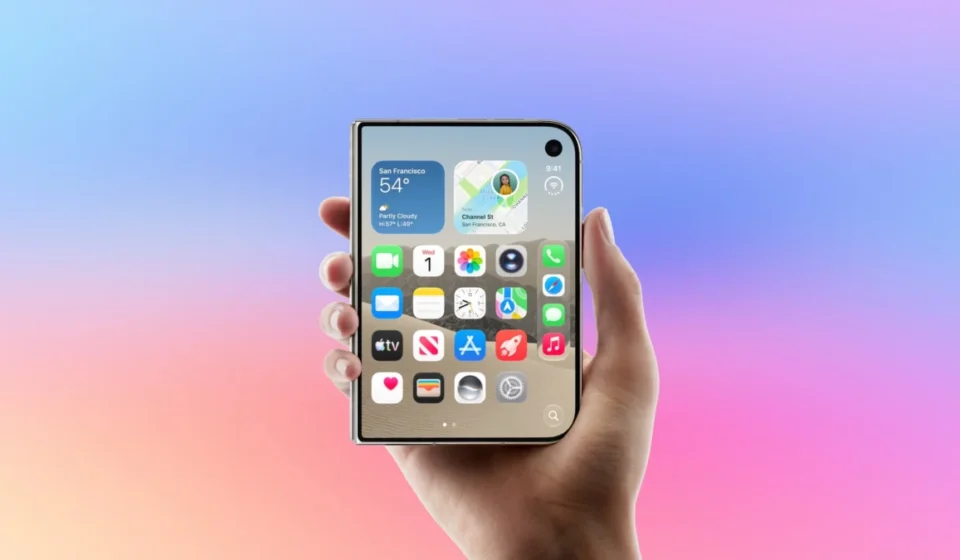

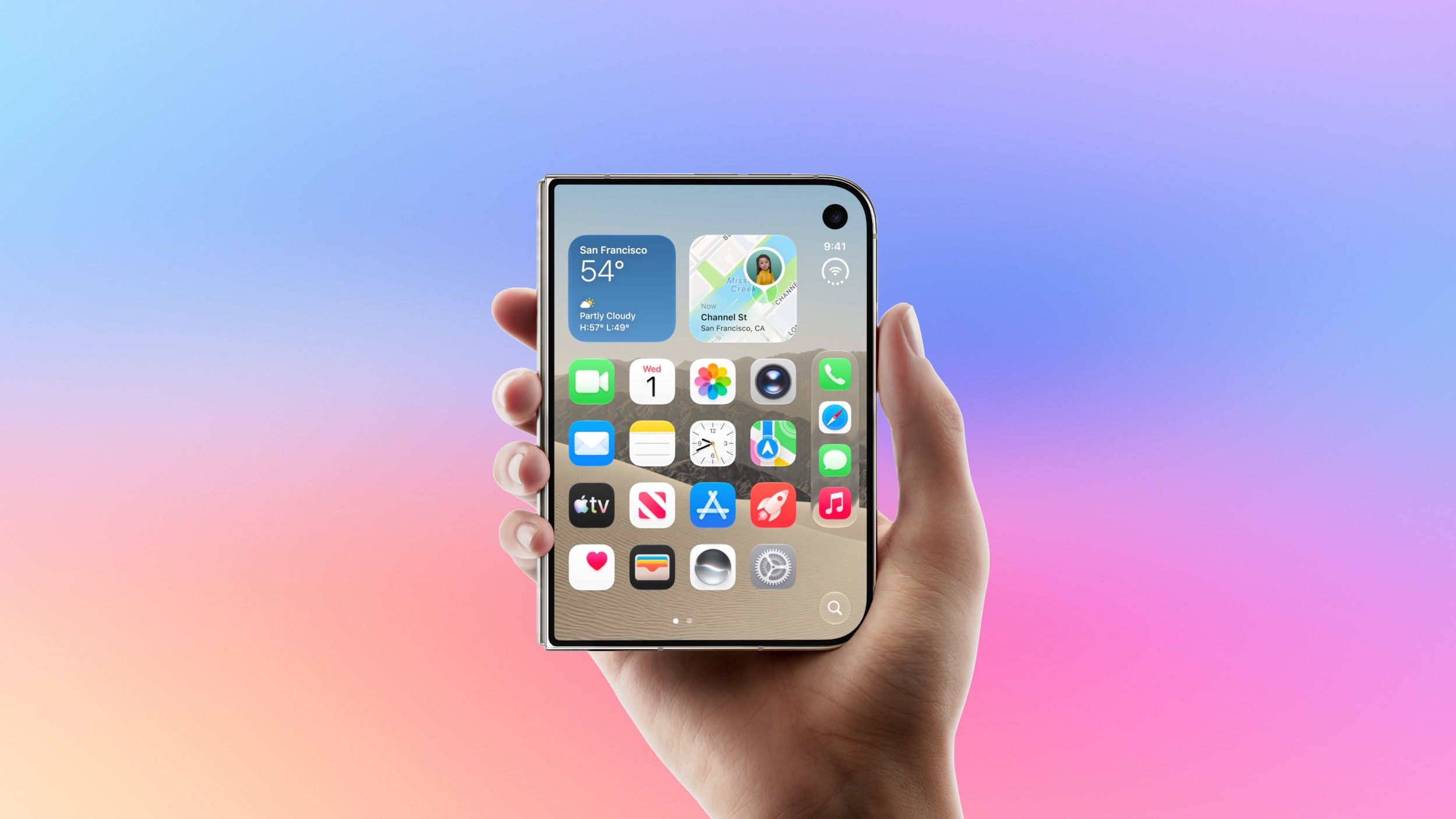
Apple has been experimenting with a new interface for the iPhone Duo’s Lock Screen that could significantly expand the utility of widgets, allowing them to occupy two distinct areas of the display simultaneously. This potential enhancement, revealed by a prominent leaker known as "pdfu," could offer users unprecedented access to information at a glance, further integrating the Lock Screen into the device’s daily functionality. The experimental feature, codenamed "Complication Column," introduces a vertical arrangement of circular widgets positioned along the right edge of the Lock Screen. This new placement, if implemented, would work in conjunction with the existing horizontal row of widgets at the bottom, effectively doubling the widget real estate available to users.
Unveiling the "Complication Column"
The "Complication Column" concept, as described by pdfu, envisions a dedicated vertical space for two circular widgets, positioned above the currently available shortcut buttons for the flashlight and camera. This arrangement would coexist with the network status indicators, which would remain at the top of the screen, with the new widget column filling the intervening space. This design suggests a thoughtful approach to maximizing screen real estate without compromising essential system information or user-initiated quick actions. The implication is a more dynamic and informative Lock Screen experience, transforming it from a passive display into an active hub for contextual information.
The leaker, who has a track record of accurately predicting Apple’s software developments, shared details of this experimental feature via a post on X (formerly Twitter) on November 22, 2026. The tweet stated, "Apple has tested a ‘complication column’ for iPhone Duo’s Lock Screen. It fits two circular widgets along the right edge." This announcement immediately sparked discussion within the tech community about the potential implications for user experience and customization.
The Technical Underpinnings and Current Status
According to pdfu’s findings, the "Complication Column" is controlled by an internal "SpringBoard/Ionic" setting. This technical detail suggests that the feature is deeply integrated into the iPhone’s operating system, specifically within the framework responsible for managing the Home Screen and Lock Screen elements. The leaker first identified this experimental functionality within iOS 27.1, a version of the operating system that has not yet been publicly released.
Crucially, pdfu notes that no subsequent modifications to the "Complication Column" code have been observed. This lack of ongoing development has led to speculation about Apple’s intentions. It remains unclear whether the company is still actively refining the feature for a future release or if it has been shelved as an experimental concept that did not meet Apple’s stringent product development criteria. The absence of further code changes could indicate a pause in development, a complete discontinuation, or a strategic decision to revisit the feature at a later stage. Apple typically tests numerous features internally before deciding on public release, and many experimental functionalities never see the light of day.
Historical Context: Evolution of iPhone Lock Screen Widgets
The introduction of Lock Screen widgets was a significant addition to the iPhone, first appearing with iOS 16 in September 2022. This marked a departure from the Lock Screen’s primary function as a notification display and quick access point for the camera and flashlight. The ability to add widgets from various apps, such as weather, calendar events, fitness tracking, and news headlines, transformed the Lock Screen into a more personalized and informative dashboard.
The iPhone Duo, with its unique foldable form factor, presents distinct design challenges and opportunities for Lock Screen customization. The larger, potentially dual-screen nature of the device could benefit immensely from expanded widget capabilities. Early reports and speculation surrounding the iPhone Duo have consistently highlighted Apple’s efforts to leverage its innovative hardware through software enhancements. The "Complication Column" appears to be a direct response to the need for more sophisticated and contextually relevant information delivery on such a versatile device.
Prior to the "Complication Column" leak, Apple had already been exploring ways to enhance the iPhone Duo’s user experience. Recent news reports have indicated a strong focus on iterative improvements for the device. For instance, Apple is reportedly aiming to upgrade future iPhone Duo models in several key areas, including the integration of Face ID, the introduction of an Action button, the inclusion of a telephoto camera, and a commitment to a thinner and lighter design. These ongoing efforts underscore Apple’s dedication to refining the foldable iPhone experience, and the potential for enhanced Lock Screen widgets fits squarely within this broader strategy.
Broader Implications for User Experience and App Development
If the "Complication Column" is eventually released, it would represent a significant step forward in how users interact with their iPhones. The ability to display an additional four pieces of information (two in the new column and two in the existing row) at a glance could streamline daily tasks and reduce the need to unlock the device for quick checks. For instance, users could simultaneously monitor stock prices, upcoming calendar appointments, weather forecasts, and their current fitness activity without opening a single app.
From an app developer’s perspective, this would open up new avenues for engagement. Developers could design widgets specifically for the circular format of the "Complication Column," offering concise and visually appealing updates. This could lead to a proliferation of innovative widget designs, further enriching the iOS ecosystem. The challenge for developers would be to distill complex information into small, easily digestible circular widgets that remain informative and aesthetically pleasing.
The iPhone Duo’s Journey: Addressing Early Challenges
The iPhone Duo, while technologically advanced, has also faced its share of early challenges. Shortly after its launch, a few users reported hinge issues that led to cracking of the inner display. Apple has acknowledged these reports, stating that a small number of units are affected. The company has also provided guidance to its retail stores and authorized service providers on how to diagnose and address these display cracking issues. This proactive approach to customer support, coupled with ongoing hardware and software refinements, demonstrates Apple’s commitment to the long-term success of its foldable device.
The ongoing development of features like the "Complication Column" suggests that Apple is not only addressing existing issues but also actively planning for the future evolution of the iPhone Duo. The foldable market is still in its nascent stages, and Apple’s ability to innovate in both hardware and software will be critical to its success in this competitive landscape. The potential for a more functional and customizable Lock Screen is a testament to this forward-thinking approach.
Analysis: A Strategic Move Towards Information Accessibility
The potential introduction of the "Complication Column" can be viewed as a strategic move by Apple to further enhance the accessibility and utility of its devices. In an era where users are increasingly reliant on their smartphones for real-time information, the Lock Screen plays a pivotal role. By expanding widget capabilities, Apple is empowering users to curate their most essential data and have it readily available without the friction of unlocking their phone and navigating through apps.
For a device like the iPhone Duo, which is designed for both portability and productivity, such enhancements are particularly valuable. The ability to quickly access critical information, such as meeting reminders, urgent notifications, or important data points, can significantly improve user efficiency. The circular widget format also hints at a potential design evolution, suggesting that Apple might be exploring new aesthetic directions for its interface elements.
While the future of the "Complication Column" remains uncertain, its existence as an internal test signifies Apple’s continuous exploration of user interface improvements. The tech giant is known for its rigorous testing and iterative development process, and it is not uncommon for features to undergo extensive evaluation before a public release, or even be abandoned if they do not meet the company’s high standards. However, the very fact that this feature has been tested indicates a strong consideration for a more dynamic and informative Lock Screen experience on future iterations of the iPhone Duo. The industry will be watching closely to see if this promising enhancement eventually makes its way into a consumer-ready product, further solidifying the iPhone Duo’s position as a leading device in the foldable smartphone market.