Google’s Gemini Notebook Unveils Advanced AI-Powered Flashcard Enhancements, Revolutionizing Personalized Learning and Retention

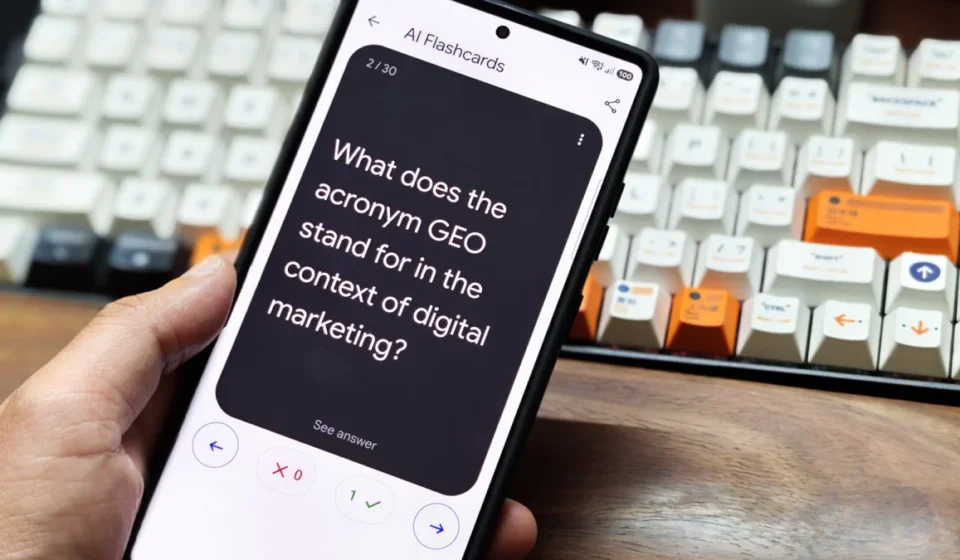
Google’s innovative AI-powered study tool, Gemini Notebook, has significantly augmented its flashcard functionality with the introduction of three transformative features designed to optimize study efficiency and knowledge retention. These new capabilities include the intelligent integration of relevant images from uploaded study materials directly into flashcards, an optional stopwatch for timing review sessions to enhance recall speed, and the ability to schedule consistent review reminders directly through the Gemini mobile application. These advancements underscore Google’s continuous commitment to leveraging artificial intelligence to create more dynamic, effective, and accessible learning experiences for a diverse user base, ranging from students and lifelong learners to professionals seeking certification. Crucially, these powerful new tools are being made available to all users with personal Google accounts, Google Workspace customers, and Workspace Individual subscribers without any additional cost, signaling a strategic move to democratize access to advanced educational technologies.
The Genesis of Gemini Notebook: An AI-Powered Learning Hub
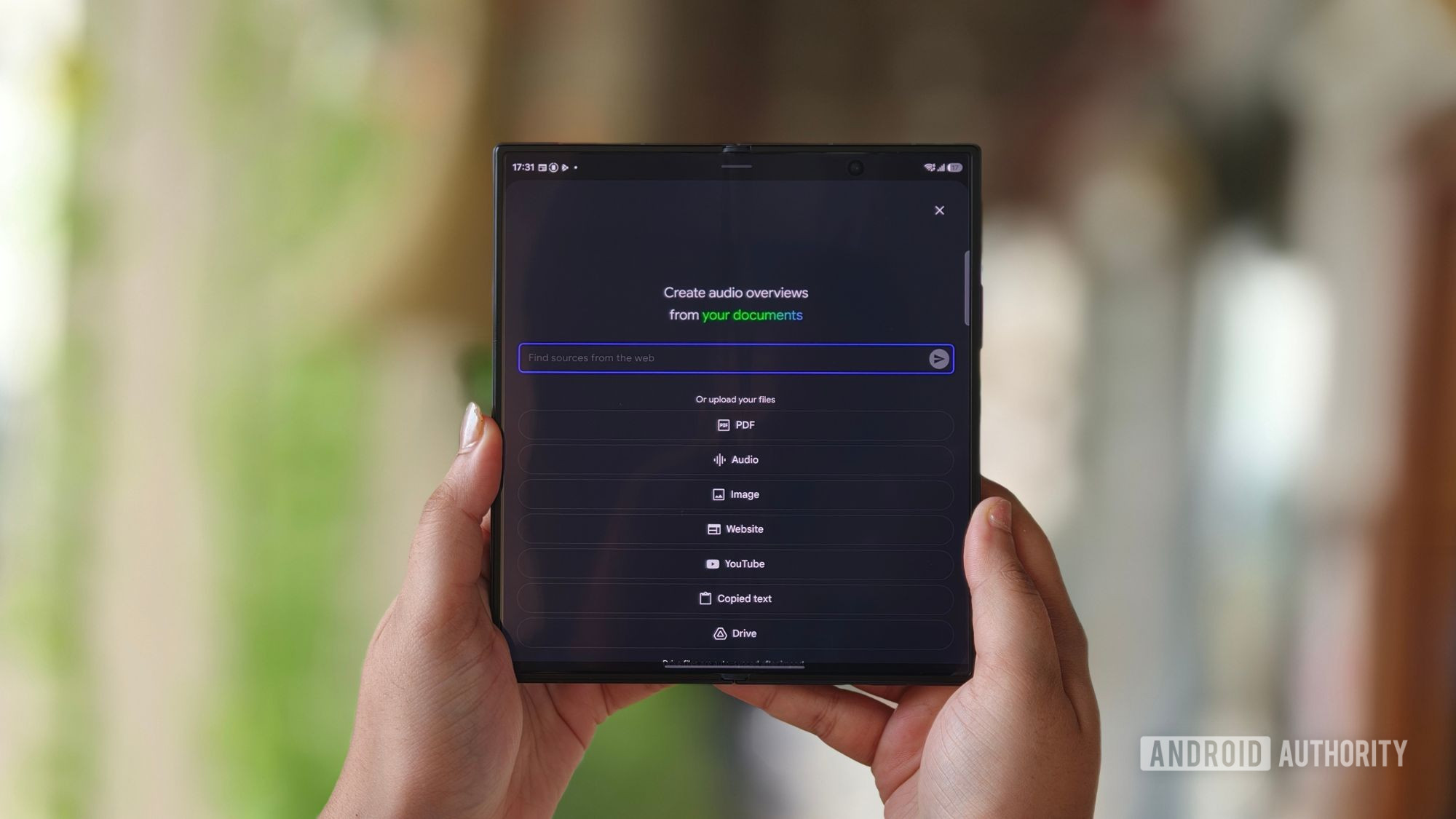
Gemini Notebook, formerly known as NotebookLM before its deeper integration with the broader Gemini AI ecosystem, emerged as a groundbreaking initiative to redefine how individuals interact with their research and study materials. Launched with the core premise of acting as an AI-powered research assistant, the platform allows users to upload various source documents—such as PDFs, Google Docs, web pages, and even transcripts—and then utilize AI to summarize, synthesize, and generate new content based on these inputs. This foundational capability positions Gemini Notebook not merely as a note-taking application but as a sophisticated tool for knowledge management and creation. Its initial iterations focused on streamlining complex information, identifying key themes, and facilitating the co-creation of content, including summaries, outlines, and even presentation slides and videos. The platform’s evolution reflects Google’s overarching strategy to embed its powerful Gemini AI models across its product suite, transforming everyday applications into intelligent companions capable of enhancing productivity and creativity. The continuous rollout of features, including the recent ability to convert research materials into interactive websites, highlights a trajectory towards building a comprehensive, AI-driven learning and research environment. This evolution is particularly relevant in an educational landscape increasingly reliant on digital tools for remote learning, blended instruction, and self-directed study, where the ability to process and personalize vast amounts of information is paramount.
Deep Dive into Enhanced Flashcard Features
The latest enhancements to Gemini Notebook’s flashcard system are not merely incremental updates; they represent a thoughtful application of cognitive science principles and user feedback, aimed at addressing common challenges in traditional study methods.
-
Visualizing Knowledge: AI-Powered Image Integration
One of the most significant new features is the ability for Gemini Notebook to automatically pull relevant images from uploaded study materials and incorporate them into flashcards. This addresses a critical limitation of purely text-based flashcards, especially for subjects where visual cues are indispensable. For instance, a medical student studying human anatomy can now have flashcards that display diagrams of organs or physiological processes alongside their textual descriptions, significantly aiding in identification and understanding. Similarly, history students can see images of historical figures or architectural styles, geography students can view maps, and art history enthusiasts can analyze artworks directly within their study sets.Research in cognitive psychology consistently demonstrates the power of multimodal learning, where information is presented through various sensory channels (e.g., visual and textual). Visual aids enhance memory encoding and retrieval, making complex concepts more digestible and memorable. When an AI can intelligently identify and integrate these visuals from a user’s specific learning resources, it personalizes the visual learning experience, ensuring that the images are directly relevant to the content being studied. This automation saves considerable time that a student would otherwise spend manually searching for and adding images, thereby reducing friction in the study process and making flashcards a more robust tool for visual learners. The precision with which Gemini Notebook’s AI can interpret context within diverse document types—from dense scientific papers to illustrated textbooks—is a testament to the sophistication of Google’s underlying language and image models.
-
Mastering Speed and Recall: The Timed Review Stopwatch
Another practical addition is an optional stopwatch feature that allows users to time their flashcard review sessions. While memorizing correct answers is fundamental, the ability to recall them quickly under pressure is often a crucial component of academic and professional success, particularly in timed examinations or high-stakes interviews. The stopwatch introduces a gamified element to studying, encouraging users to improve their speed and efficiency. For example, a user preparing for a certification exam might challenge themselves to accurately complete a deck of 100 flashcards within a specific time limit, progressively reducing that time with repeated practice.This feature taps into the concept of retrieval practice with a time constraint, which has been shown to enhance fluency and automaticity in recall. By simulating exam conditions, learners can identify areas where their recall is slower, indicating a need for further practice. This metacognitive awareness is vital for effective self-regulated learning. The stopwatch also provides objective metrics for progress tracking; users can observe their improvement over time, which serves as a powerful motivator. In a world where speed of information processing is increasingly valued, particularly in fields requiring rapid decision-making, this feature equips learners with a practical tool to sharpen their cognitive agility. It transforms flashcard review from a passive exercise into an active, performance-driven training session.
-
Cultivating Consistency: Scheduled Review Reminders
Perhaps the most impactful enhancement for fostering sustainable study habits is the introduction of scheduled flashcard review reminders through the Gemini mobile app. The creation of effective study materials is only half the battle; the consistent, timely review of those materials is what truly solidifies learning. Many individuals struggle with maintaining discipline in their study schedules, often leading to cramming and superficial retention.The new reminder system directly addresses this common challenge by leveraging the ubiquitous nature of mobile devices. Users can now easily set up personalized reminders—for instance, to review French vocabulary every evening, brush up on complex legal precedents during a morning commute, or revisit project management methodologies weekly. This feature implicitly supports the scientifically proven "spaced repetition" learning technique, where material is reviewed at increasing intervals over time. While Gemini Notebook doesn’t explicitly state it uses a complex spaced repetition algorithm (like Anki), the ability to schedule regular reminders empowers users to implement their own spaced review cycles.
By offloading the cognitive burden of remembering when to study, the Gemini app ensures that review sessions become a seamless and integrated part of a user’s daily or weekly routine. This reduces procrastination and helps build consistent study habits, which are far more effective for long-term retention than sporadic, intensive study bursts. The mobile integration means that these reminders are accessible wherever the user is, transforming idle moments into productive learning opportunities.
A Chronology of Innovation: Gemini Notebook’s Evolving Capabilities
Google’s journey with Gemini Notebook (and its predecessor NotebookLM) has been characterized by a rapid and strategic expansion of AI-driven functionalities.
- Mid-2023: Initial conceptualization and private testing of NotebookLM, focusing on AI-powered summarization and content generation from user-uploaded documents. The goal was to create a "smart notebook" that could understand and work with users’ specific knowledge bases.
- Late 2023: Public launch of NotebookLM in select regions, showcasing its core capabilities for synthesizing information, generating outlines, and answering questions based on source material. Early feedback highlighted the utility for students and researchers.
- Early 2024: Deep integration with Google’s advanced Gemini AI models, leading to the rebranding as Gemini Notebook. This phase brought enhanced conversational capabilities, more nuanced understanding of complex texts, and improved content generation quality. Features like generating video scripts and presentation slides from notes were introduced, pushing the boundaries of AI as a creative co-pilot.
- Mid-2024: Expansion of collaborative features and further refinement of information synthesis. The ability to transform research into interactive websites was rolled out, demonstrating a move towards making learning materials more dynamic and engaging. This period also saw an increased focus on user interface and experience improvements to make the powerful AI tools more intuitive.
- Late 2024 (as per article’s inferred timeline): The current wave of updates focusing specifically on flashcard enhancements, including image integration, timed review, and scheduled reminders. This indicates a maturity in the platform, where foundational AI capabilities are now being refined and applied to core study methodologies, making them more effective and user-friendly.
This chronological progression illustrates a deliberate strategy by Google to move beyond simple AI assistants to comprehensive, integrated learning and productivity platforms that leverage the full spectrum of AI capabilities.
The Broader Impact: Transforming Learning and Productivity
The implications of these Gemini Notebook updates extend far beyond individual study sessions, influencing the broader landscape of education and personal productivity.
-
Pedagogical Advantages and Cognitive Science:
These features are deeply rooted in established principles of cognitive science. Image integration supports the "dual coding theory," suggesting that information is better remembered when presented both visually and verbally. The timed stopwatch promotes "active recall" and "desirable difficulties," where challenging retrieval practice leads to stronger memory traces. The scheduled reminders facilitate "spaced repetition," one of the most empirically validated learning strategies for long-term retention. By integrating these research-backed methods into an accessible AI tool, Google is effectively democratizing advanced pedagogical techniques. This could lead to a significant improvement in learning outcomes for a wide range of subjects and learners, especially those who previously lacked access to specialized tools or knowledge about effective study strategies. The AI’s ability to automate aspects of these techniques makes them easier to adopt and sustain. -
Competitive Positioning in the EdTech Landscape:
The EdTech market is a rapidly growing sector, projected to reach hundreds of billions of dollars globally in the coming years, with AI being a major driver of innovation. Dedicated flashcard applications like Anki and Quizlet have long been popular, but Gemini Notebook’s strength lies in its integration within Google’s vast ecosystem and its broader AI capabilities. While specialized apps might offer more granular control over spaced repetition algorithms or community-generated content, Gemini Notebook offers a seamless workflow from research and note-taking to flashcard creation and review, all within a single AI-powered environment. This integrated approach, combined with the fact that these features are free, positions Gemini Notebook as a compelling alternative, particularly for users already invested in Google’s productivity suite. It minimizes the need for users to juggle multiple applications for different stages of their learning process, enhancing overall efficiency. The ability to generate flashcards directly from one’s own curated study materials, rather than relying on pre-made sets, also ensures higher relevance and personalization. -
Democratizing Advanced Learning Tools:
One of the most significant aspects of these updates is their availability to all Google account holders without a paid subscription. This decision aligns with Google’s mission to make information and tools universally accessible. By removing financial barriers to sophisticated AI-powered learning features, Google is contributing to the democratization of education. Students from diverse socioeconomic backgrounds, individuals in developing nations, and anyone with a Google account can now leverage advanced study techniques that were once confined to niche applications or required significant manual effort. This has the potential to level the playing field, empowering more individuals to achieve their learning and professional development goals. The convenience of accessing these tools via a mobile app further enhances accessibility, making learning possible anytime, anywhere.
Google’s Vision and Expert Perspectives
While specific official statements on these particular features are typically disseminated through internal channels or product blogs, Google’s overarching strategy for Gemini Notebook aligns with its broader vision for AI. A hypothetical statement from a Google spokesperson or product lead might articulate: "These latest enhancements to Gemini Notebook’s flashcard capabilities exemplify our unwavering commitment to making learning more intuitive, efficient, and deeply integrated into daily life. By harnessing the power of Gemini AI, we aim to transform how individuals engage with their study materials, moving beyond passive consumption to active, personalized mastery. Our goal is to empower every learner with tools that not only make studying easier but also demonstrably more effective, all while remaining accessible to everyone."
Educational technology experts are likely to view these updates positively. Dr. Anya Sharma, a leading researcher in AI in education, might comment, "The integration of multimodal content, timed practice, and robust scheduling features represents a significant leap forward in leveraging AI for personalized and effective learning. Google’s approach with Gemini Notebook addresses critical pain points in traditional study methods and aligns perfectly with modern pedagogical research on memory and retention. The fact that these tools are freely available is a game-changer for educational equity." This expert perspective underscores the scientific validity and practical impact of Google’s innovations.
Looking Ahead: The Future of AI in Personalized Education
The current enhancements to Gemini Notebook’s flashcards are likely just a precursor to more sophisticated AI-driven learning features. Future iterations could potentially include:
- Adaptive Learning Paths: AI that analyzes a user’s performance on flashcards and other study activities to dynamically adjust the difficulty, frequency, and type of content presented, creating highly personalized learning paths.
- AI-Generated Explanations: When a user struggles with a flashcard, the AI could instantly generate simplified explanations, provide additional context, or link back to the specific source material where the information originated.
- Gamification and Progress Tracking: More advanced gamified elements, detailed analytics on learning progress, and integration with other productivity tools like Google Calendar for automatic scheduling based on learning patterns.
- Voice-Enabled Interactions: Allowing users to interact with flashcards using voice commands, facilitating hands-free review sessions.
- Collaborative Learning: Features that allow groups of students to share flashcard decks, track each other’s progress, and collaborate on study materials within Gemini Notebook.
These potential future developments highlight Google’s ambition to position Gemini Notebook as a central hub for AI-powered learning, continuously adapting and expanding its capabilities to meet the evolving needs of learners worldwide.
In conclusion, Google’s latest updates to Gemini Notebook’s flashcard system represent a thoughtful and significant advancement in AI-powered learning. By integrating visual content, enabling timed practice, and facilitating consistent review through reminders, Google has created a more holistic, effective, and accessible tool for knowledge acquisition and retention. These features not only enhance the utility of flashcards but also position Gemini Notebook as a formidable player in the competitive EdTech landscape, promising to transform how individuals engage with information and achieve their learning objectives in the digital age.