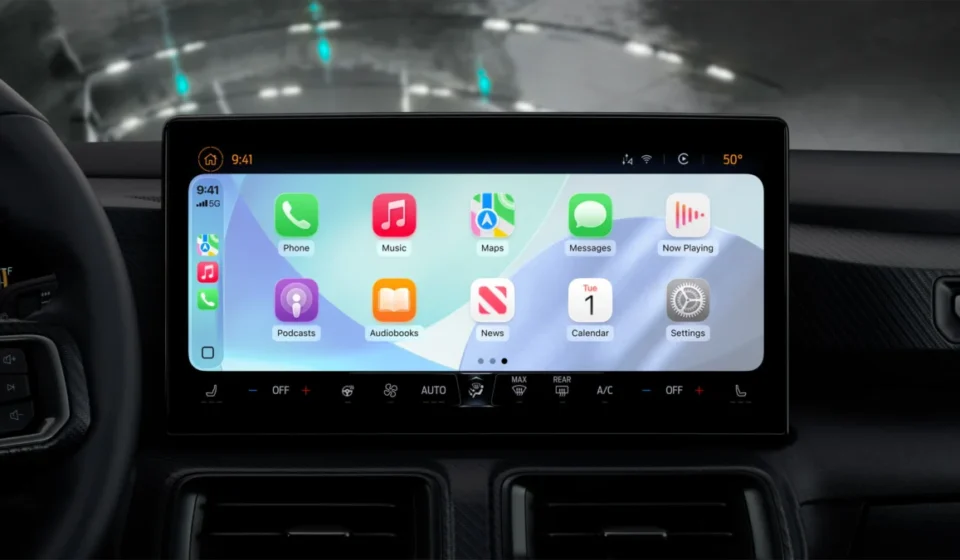
Anthropic’s Claude AI Now Accessible Through CarPlay for Hands-Free In-Car Conversations

Anthropic has announced the integration of its advanced conversational AI, Claude, into Apple’s CarPlay system, marking a significant step forward in bringing sophisticated AI assistants into the automotive environment. This new feature, available within the Claude iOS app, allows drivers to interact with Claude using their vehicle’s built-in infotainment systems, enabling hands-free voice communication for a wide range of queries and tasks. The integration was officially rolled out on Friday, September 4, 2026.
Enhanced In-Car AI Interaction
The introduction of Claude’s CarPlay integration fundamentally enhances the way drivers can utilize AI while on the road. Previously, accessing AI assistants in vehicles was often limited to basic voice commands or required the use of a smartphone directly. With this update, users can now engage in more complex conversations, ask nuanced questions, and receive detailed responses from Claude without needing to physically interact with their iPhone or the vehicle’s touchscreen.
This functionality is made possible by Apple’s expanded support for third-party chatbot applications within CarPlay, a feature introduced in iOS 26.4. For an app to achieve CarPlay integration, it must implement a dedicated voice control screen, adhere to Apple’s specified CarPlay template, and obtain a necessary entitlement from Apple. Claude meets these requirements, paving the way for a seamless user experience.
The Claude app on CarPlay presents a streamlined interface designed for minimal distraction. Upon launching, users are greeted with a "Start a hands-free conversation" screen. This screen offers intuitive options to initiate a new chat or revisit recent conversations, ensuring that users can quickly resume or begin their AI interactions. Within the conversation interface, clear controls are provided for muting and unmuting Claude, as well as for ending and resuming the dialogue. Visual cues are also incorporated to inform the user when Claude is actively listening or when it is generating a response, further enhancing the user’s awareness and control.
While Claude can effectively answer voice-based questions and engage in conversational exchanges, it is important to note the current limitations. The integration does not extend to controlling vehicle functions or directly managing iPhone operations. This is a deliberate design choice by Apple to prioritize driver safety by minimizing the potential for distraction. Furthermore, users must manually open the Claude app from the CarPlay interface to initiate a session; third-party wake words, which would allow for spontaneous activation without touching the screen, are not yet supported for Claude’s integration.
A Developing Ecosystem for In-Car AI
The addition of Claude to the CarPlay ecosystem follows a broader trend of increasing AI capabilities within vehicles. Apple has historically been cautious about the types of third-party applications available on CarPlay, primarily to mitigate driving distractions. However, the gradual expansion of support for more complex applications, such as advanced AI chatbots, indicates a strategic evolution in how Apple envisions the in-car digital experience.
This move by Anthropic is particularly noteworthy given the competitive landscape of AI development. OpenAI was an early adopter of CarPlay integration, introducing support for its ChatGPT app earlier this year. The availability of both ChatGPT and Claude on CarPlay provides consumers with robust choices for AI-powered assistance in their vehicles, catering to different preferences and potentially different strengths of each AI model.
The timeline leading up to this integration can be traced back to Apple’s initial announcements regarding expanded CarPlay capabilities. The introduction of iOS 26.4, which laid the groundwork for third-party chatbot support, was a pivotal moment. Developers like Anthropic and OpenAI then had to work within Apple’s framework, which includes specific UI guidelines and security protocols, to bring their AI models to the automotive platform. The update on September 4, 2026, confirms that the Claude integration is not just announced but is now live and operational for users.
Supporting Data and Technical Underpinnings
The technical requirements for integrating an AI chatbot into CarPlay involve several key components. The "voice control screen" ensures that the interaction is primarily voice-driven, minimizing the need for visual attention. Apple’s designated "CarPlay template" provides a standardized user interface that is consistent across different applications, making it familiar and easy to navigate for users. The "entitlement from Apple" acts as a security and approval mechanism, ensuring that only compliant and vetted applications can access the CarPlay environment.
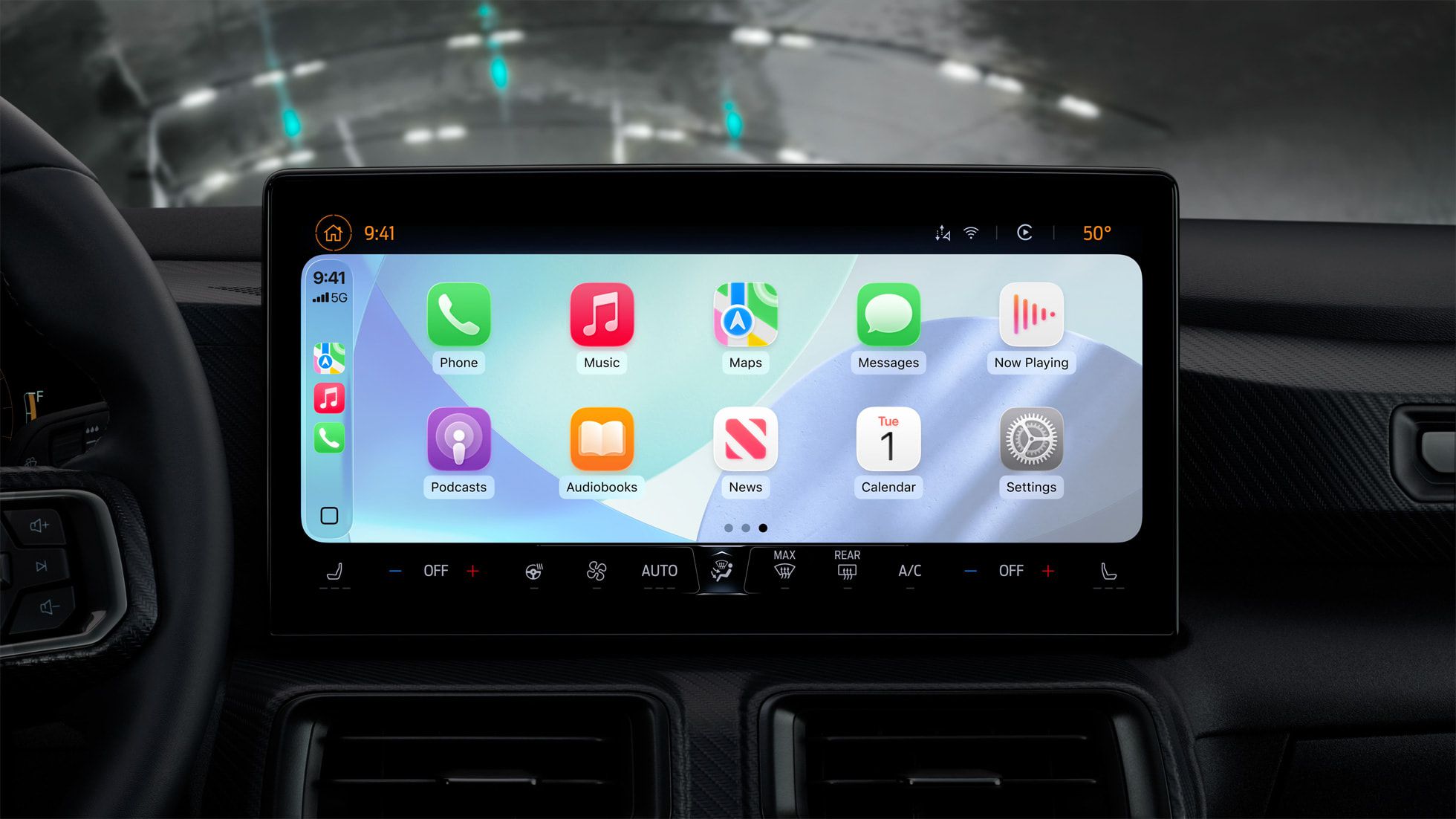
The decision to limit control over vehicle or iPhone functions is rooted in extensive research on driver distraction. Studies have consistently shown that even brief periods of cognitive or visual distraction can significantly increase the risk of accidents. By confining Claude’s functionality to information retrieval and conversational tasks, Anthropic and Apple are prioritizing safety.
The visual cues within the Claude CarPlay interface are designed to provide immediate feedback. When Claude is "listening," a visual indicator, perhaps an animation or a change in icon color, signals to the user that their voice input is being processed. Similarly, when Claude is "talking," another visual cue confirms that the AI is generating a response, allowing the user to anticipate auditory output. These elements contribute to a more natural and less disorienting interaction.
Broader Impact and Future Implications
The integration of sophisticated AI like Claude into CarPlay has far-reaching implications for the automotive industry and the user experience.
Enhanced Productivity and Convenience: Drivers can now leverage Claude for a multitude of tasks without taking their eyes off the road. This could include asking for real-time traffic updates, seeking information about local points of interest, getting quick answers to general knowledge questions, or even dictating and sending messages. This hands-free access transforms the car into a more productive mobile workspace or a more informed travel companion.
Competitive Landscape Evolution: The availability of leading AI models on CarPlay is likely to intensify competition among AI developers and automakers. Companies will strive to offer the most seamless and feature-rich AI integration to attract consumers. This could lead to further innovations in voice recognition, natural language processing, and context-aware AI within vehicles.
User Adoption and Expectations: As more users experience the convenience of AI assistants in their cars, their expectations for in-car technology will continue to rise. This could drive demand for vehicles equipped with advanced AI capabilities and push automakers to prioritize software development and integration as key selling points.
Potential for Future Developments: While current limitations are in place for safety, the successful integration of Claude on CarPlay opens the door for future enhancements. As AI technology and automotive safety standards evolve, it is conceivable that future iterations of CarPlay integration might allow for more complex interactions, potentially including limited control over certain vehicle features or deeper integration with vehicle-specific data, always under strict safety protocols. The current implementation sets a crucial precedent for how AI can be responsibly deployed in safety-critical environments.
The recent launch of Anthropic’s Claude Fable 5.1, which boasts lower costs and reduced false positives, further underscores Anthropic’s commitment to refining its AI models for practical applications. This continuous improvement in AI performance is likely to translate into even more capable and reliable interactions within the CarPlay environment. Similarly, advancements in areas like Spatial Audio in CarPlay, as seen with its rollout in Volvo vehicles, demonstrate a broader trend towards enriching the in-car digital experience with advanced audio and AI technologies.
The ongoing development of "CarPlay Ultra," despite its current limited availability, also highlights Apple’s long-term vision for its automotive platform. While the initial rollout of CarPlay Ultra has been restricted to high-end Aston Martin vehicles, Apple’s stated intention to expand its availability to other brands suggests a future where deeply integrated and advanced CarPlay experiences become more widespread. The integration of Claude into the existing CarPlay framework is a significant step in this direction, offering a tangible benefit to a broader user base today.
In conclusion, Anthropic’s integration of Claude into CarPlay represents a pivotal moment in the convergence of artificial intelligence and automotive technology. By enabling hands-free, conversational AI interactions within the driver’s immediate environment, this development not only enhances convenience and productivity but also signals a promising future for intelligent in-car experiences, all while maintaining a steadfast focus on driver safety.