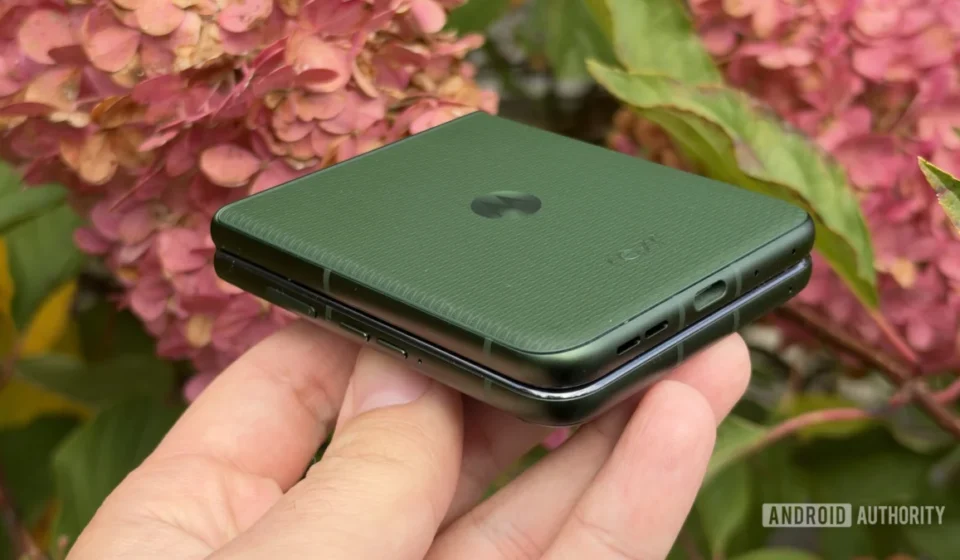
Motorola Razr 2027 Series Poised for January Launch at CES, Promising Significant Upgrades and Strategic Timeline Shift

The technological world is abuzz with anticipation as whispers from industry sources suggest Motorola is preparing for a pivotal launch event at the upcoming Consumer Electronics Show (CES) in January. Specifically, a new leak points to the unveiling of the Motorola Razr 2027 series, potentially marking a significant acceleration in the company’s foldable smartphone release cycle and introducing a suite of compelling hardware enhancements. This strategic move could see Motorola seize an early lead in the 2027 foldable market, challenging established players and setting the tone for the year’s innovations.
A Strategic Debut at CES: Lenovo’s Tech World Spotlight
CES, held annually in Las Vegas, stands as the world’s most influential technology event, serving as a global stage for innovation and breakthrough technologies. For decades, it has been the premier venue for companies to showcase their latest products, from cutting-edge consumer electronics to transformative enterprise solutions. Lenovo, Motorola’s parent company, has historically leveraged this platform to host its own "Tech World" event, an exclusive showcase where it unveils its strategic vision and flagship products across its diverse portfolio, including its PC, smart device, and mobile divisions.
According to a detailed report from Android Headlines, Motorola is reportedly eyeing early January 2027 as the launch window for its next-generation Razr foldable. The leak specifically ties this announcement to Lenovo’s Tech World event, slated for January 6. Should these reports prove accurate, it would represent a notable shift in Motorola’s product release cadence. Historically, Motorola’s Razr series, including the 2026 model, has typically debuted later in the year, often around May. An early January launch would position the Razr 2027 as one of the very first major smartphone announcements of the year, potentially capturing significant media attention and consumer interest ahead of competitors. This aggressive timeline suggests Motorola is keen to establish an early foothold in the rapidly evolving foldable market, aiming to capitalize on the early-year tech fervor generated by CES.
Accelerated Release Cycle and Competitive Implications
The rumored acceleration of the Razr launch timeline by several months is not merely a logistical adjustment; it signals a strategic intent to gain a competitive edge in the fiercely contested foldable smartphone arena. The foldable market, while still a niche segment compared to traditional smartphones, is experiencing robust growth, with major players like Samsung, Google, OnePlus, and Honor continually pushing boundaries. By launching in January, Motorola could effectively pre-empt many of its rivals, whose flagship foldable announcements often occur later in the first half or even the second half of the year.
For instance, Samsung’s highly anticipated Galaxy Z Flip and Z Fold series typically see their annual refresh in the latter half of the year, often around July or August. Google’s Pixel Fold, a more recent entrant, also followed a mid-year launch pattern. By bringing the Razr 2027 to market significantly earlier, Motorola could capture the attention of early adopters and tech enthusiasts who are eager for the latest innovations. This strategy could allow Motorola to define the early 2027 narrative around clamshell foldables, showcasing its advancements in design, display technology, and overall user experience before competitors have even unveiled their offerings. Industry analysts suggest that such a move underscores Motorola’s commitment to becoming a dominant force in the foldable segment, moving beyond merely participating to actively shaping its direction.
Unpacking the Leaked Specifications: A Leap Forward for the Base Model
Beyond the significant timeline shift, the leak also provides a tantalizing glimpse into the technical specifications of the base model Razr 2027, indicating a substantial upgrade path for the vanilla variant. Motorola appears to be narrowing the feature gap between its standard and premium "Plus" or "Ultra" foldable models, making the entry-level Razr a more compelling proposition.
One of the most notable enhancements concerns the cover display. The Razr 2027 is reportedly set to adopt a full 4-inch cover display, a feature previously reserved for the higher-end Razr Plus or Ultra models. This larger external screen significantly enhances usability, allowing users to perform more tasks without needing to unfold the device. From checking notifications and responding to messages to controlling music playback and even running full applications, a larger cover display transforms the external screen from a mere glanceable interface into a truly functional mini-display. Furthermore, the cover display is said to transition from an AMOLED screen to an OLED panel, while simultaneously boosting its refresh rate from 90Hz to a smoother 120Hz. The shift to OLED promises richer colors, deeper blacks, and improved contrast, while the higher refresh rate ensures a fluid and responsive touch experience, making interactions with the external screen noticeably more premium.
The main internal display of the Razr 2027 is expected to retain its expansive 6.9-inch diagonal, maintaining the immersive viewing experience characteristic of modern clamshell foldables. However, the refresh rate is reportedly being bumped up from 120Hz to an even more fluid 144Hz. This higher refresh rate will particularly appeal to mobile gamers and those who appreciate ultra-smooth scrolling and animations, providing a noticeable upgrade in visual fidelity. Additionally, the main display will reportedly offer HDR10+ support, a crucial enhancement for multimedia consumption. HDR10+ certification ensures a wider range of colors, improved contrast, and greater detail in both bright and dark scenes, making content like movies and high-quality videos appear more vibrant and lifelike. This positions the Razr 2027 as an excellent device for entertainment, competing directly with other flagship smartphones in display quality.
Under the hood, the Razr 2027 is rumored to be powered by a Dimensity 7550X chipset. MediaTek’s Dimensity series has gained considerable traction in recent years, offering competitive performance and efficiency across various price points. While specific details about the "7550X" variant are not yet public, its designation within the 7000 series suggests it will be a capable upper-mid-range to lower-high-end processor. This chipset choice could strike an optimal balance between performance, power efficiency, and cost, allowing Motorola to offer a strong user experience without necessarily venturing into the ultra-premium pricing territory often associated with top-tier Snapdragon processors. The Dimensity 7550X is expected to handle demanding applications, multitasking, and modern mobile gaming with ease, ensuring a smooth and responsive Android experience.
Power and Connectivity: Addressing Core User Needs
Battery life and charging speed remain critical considerations for smartphone users, especially for power-hungry foldable devices. The Razr 2027 appears to be addressing these concerns with significant upgrades. The leak suggests a substantial 5,000mAh battery, a notable increase for a clamshell foldable. This larger capacity promises extended usage times, alleviating common battery anxiety. To complement the increased battery size, the device will reportedly support 45W wired charging. While not the fastest charging standard available, 45W is a respectable speed that can quickly replenish the battery, minimizing downtime and ensuring users can get back to their activities swiftly. This combination of a large battery and fast charging positions the Razr 2027 favorably against competitors, some of which still offer smaller batteries or slower charging speeds in their foldable lineups.
In terms of connectivity, the Razr 2027 is rumored to feature Bluetooth 6.0. While Bluetooth 5.x is the current industry standard, the mention of "Bluetooth 6.0" suggests either an advanced, unreleased iteration of the standard or a future-proofed specification that aligns with the device’s 2027 release. If realized, an advanced Bluetooth standard would offer improvements in wireless audio quality, connection stability, energy efficiency for connected accessories, and potentially broader range, enhancing the overall ecosystem experience for users with wireless headphones, smartwatches, and other peripherals.
Design Refinements: Slimmer Profile, Yet Slightly Heavier
Motorola’s Razr lineage has always emphasized sleek design and portability, and the 2027 model appears to continue this trend with further refinements. The leak claims that the Razr 2027 will boast a slimmer profile when closed, measuring 14.6mm thick. When unfolded, its thickness will reportedly be 7.3mm. To put this into perspective, the Razr 2026 measured 15.85mm thick when closed and 7.25mm when open. This indicates a noticeable reduction in closed thickness, contributing to a more pocketable and aesthetically refined device. Achieving a slimmer profile in a foldable is an engineering feat, requiring advancements in hinge design and internal component arrangement.
Interestingly, despite the slimmer design, the foldable could be 7 grams heavier than its predecessor. This slight increase in weight, potentially due to the larger 5,000mAh battery or more robust internal components, is a minor trade-off for enhanced battery life and overall durability. The pursuit of a thinner profile without compromising structural integrity or functionality remains a key challenge for foldable manufacturers, and Motorola appears to be making iterative progress in this area.
A Step Back in Software Support: A Point of Contention
Perhaps the most surprising and potentially concerning detail from the leak pertains to software updates. The Razr 2027 will reportedly receive only three years of security updates, delivered bi-monthly. This marks a notable downgrade from the Razr 2026, which was promised four years of security updates. In an era where leading Android manufacturers like Samsung and Google are offering increasingly longer software support—often extending to five, six, or even seven years of security updates, alongside multiple OS upgrades—Motorola’s rumored reduction in support could be a point of contention for potential buyers.
This decision, if confirmed, could impact consumer confidence and the perceived longevity of the device. Longer software support cycles are increasingly becoming a key differentiator, as users hold onto their smartphones for longer periods. A shorter support window might raise concerns about the device’s long-term security and its ability to run the latest Android features. While the reasons for such a downgrade are not specified, they could range from cost-saving measures to a revised strategy regarding device lifecycle. Motorola will need to carefully articulate its software update policy to reassure consumers, especially given the premium nature of foldable devices.
Expanding the Foldable Horizon: The Razr Flex 2027
The Razr 2027 series may not be the only foldable innovation Motorola has in store for CES. Rumors also suggest that the company could use the event to launch its "wide foldable," potentially known as the Motorola Razr Flex 2027. This indicates Motorola’s ambition to diversify its foldable portfolio beyond the clamshell form factor.
A "wide foldable" or "book-style" foldable would directly compete with devices like Samsung’s Galaxy Z Fold series and Google’s Pixel Fold, offering a larger tablet-like screen when unfolded, catering to users who prioritize screen real estate for productivity, multitasking, and immersive media consumption. Introducing both a clamshell (Razr 2027) and a book-style foldable (Razr Flex 2027) simultaneously at a major event like CES would demonstrate Motorola’s comprehensive strategy to cover different segments of the growing foldable market. It would signal a robust commitment to foldable technology, aiming to capture a wider range of consumer preferences and use cases. The Razr Flex 2027, with its rumored Snapdragon chipset and unique design, could position Motorola as a formidable competitor across the entire foldable landscape.
Broader Impact and Market Implications
If these leaks hold true, the early January launch of the Motorola Razr 2027 series would have significant implications for Motorola and the broader smartphone industry.
For Motorola, it represents a bold and aggressive play to reclaim mindshare and market share in the premium smartphone segment. By offering a base model Razr with high-end features like a large, high-refresh-rate external display, a powerful chipset, and robust battery specifications, Motorola is aiming to deliver exceptional value and performance. The accelerated launch cycle, coupled with potential diversification into book-style foldables, positions the company as a proactive innovator rather than a follower. This strategy could rejuvenate the Motorola brand, particularly in markets where foldable devices are gaining traction.
For the industry, an early 2027 foldable launch by Motorola could ignite a new wave of competition. It might compel other manufacturers to reconsider their own launch timelines and accelerate their R&D efforts to keep pace. Consumers, ultimately, stand to benefit from this heightened competition, as it often leads to faster innovation, more competitive pricing, and a wider array of sophisticated choices. The emphasis on improved cover displays, higher refresh rates, and enhanced battery life reflects a maturing foldable market that is increasingly focused on addressing practical user needs and overcoming previous limitations.
However, the reported downgrade in software update longevity remains a potential Achilles’ heel. In an increasingly environmentally conscious world, where device longevity is a key consumer concern, a shorter support window could temper enthusiasm. Motorola will need to carefully weigh the benefits of an aggressive launch schedule against the long-term commitment to software support that consumers now expect from premium devices.
Conclusion
The leaked details surrounding the Motorola Razr 2027 series paint a picture of an ambitious and strategically aggressive Motorola. An early January launch at CES, coupled with significant hardware upgrades for the base model, signals Motorola’s intent to lead, not just participate, in the evolving foldable smartphone market. From a full 4-inch, 120Hz OLED cover display to a 144Hz HDR10+ main screen, a powerful Dimensity chipset, and a substantial 5,000mAh battery, the Razr 2027 appears poised to offer a compelling package. While the reported reduction in software updates poses a potential challenge, the overall strategy, especially with the potential concurrent launch of a book-style foldable, suggests Motorola is gearing up for a strong presence in 2027. The tech world eagerly awaits official confirmations at Lenovo’s Tech World event, where these rumors may transform into concrete announcements that shape the year ahead for mobile innovation.