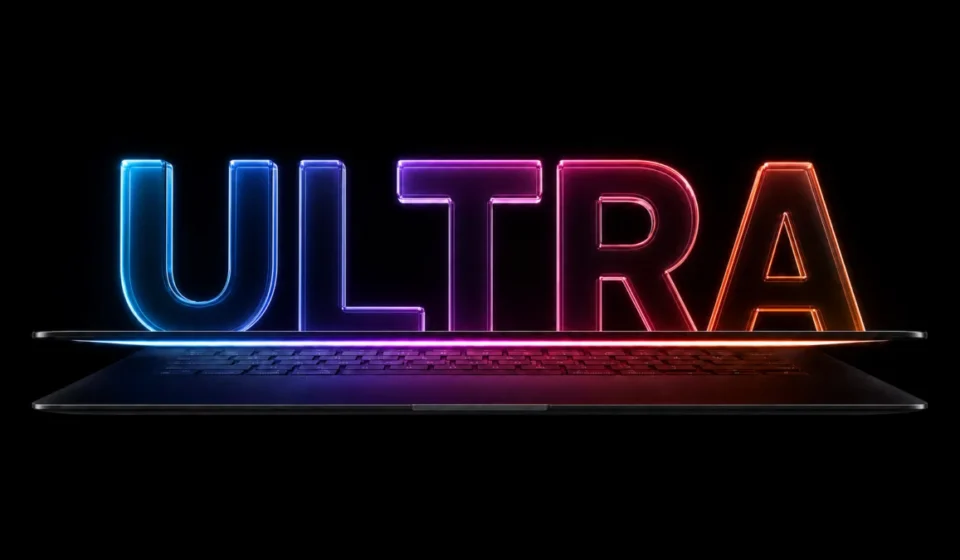
Apple’s First High-End MacBook Redesign in Five Years Poised to Usher in a New Era of Mac Innovation

The landscape of high-end personal computing is on the cusp of a significant evolution with the anticipated arrival of Apple’s first major MacBook redesign in approximately five years. This forthcoming device, widely rumored to be branded as the "MacBook Ultra," is poised to introduce a suite of groundbreaking features to the Mac ecosystem, marking a pivotal moment in the company’s laptop strategy. Industry analysts and leakers suggest a launch window stretching from late 2026 into early 2027, with current indicators pointing towards the latter half of that period as more probable.
This projected timeline is not without its complexities, influenced by global supply chain dynamics, particularly the persistent shortage of memory chips. Despite these challenges, the momentum behind the MacBook Ultra appears strong. Renowned analyst Ming-Chi Kuo has indicated that mass production is slated to commence by the close of 2026, aligning with a period of intense development and anticipation within the tech community. The last substantial overhaul of Apple’s premium MacBook Pro line occurred in 2021 with the introduction of the M1 Pro and M1 Max chips, signifying that this new iteration represents a substantial leap forward, not just an incremental update.
A Glimpse into the Future: Unveiling the MacBook Ultra’s Innovations
Rumors and software code analysis provide a compelling preview of the MacBook Ultra’s transformative capabilities. Evidence within macOS 27, codenamed "Golden Gate," strongly suggests the integration of touch-screen functionality. This is underscored by the addition of direct touch input support for Sidecar, a feature that will enable users to interact with macOS elements on their iPad using finger gestures, mirroring the intuitive experience of tablet computing. This development signals Apple’s increasing willingness to bridge the gap between its tablet and laptop operating systems, potentially paving the way for a more unified user experience across its device portfolio.
Furthermore, macOS 27 has been observed to implement iPhone-style "pull-to-refresh" gestures across a variety of core applications, including Safari, Mail, News, Podcasts, and Calendar. This ubiquitous gesture, already a staple of mobile interfaces, promises to enhance navigation and content updates on the Mac, making it more fluid and responsive. The integration of such familiar mobile interactions into the desktop environment indicates a strategic effort to streamline workflows and reduce the learning curve for users accustomed to Apple’s mobile devices.
Perhaps one of the most visually striking rumored features is the adoption of a Dynamic Island-like interface for the "Search or Ask" functionality within Spotlight. This new Siri-integrated search interface, as hinted at by its dark, pill-shaped design, suggests a visual element that could seamlessly integrate with a notch or cutout on the MacBook Ultra’s display, much like the Dynamic Island on current iPhone models. This design choice would not only modernize the aesthetic of the Mac’s search capabilities but also potentially serve as a hub for system notifications and ongoing activities.
Navigating the Transition: Silicon Strategy and Market Positioning
A notable aspect of the MacBook Ultra’s anticipated release is its potential pairing with silicon that may have already been available for several months prior to its launch. While the specific chip generation has not been definitively confirmed, speculation points towards the M5 Pro and M5 Max processors. This raises an interesting strategic question for Apple: launching a premium redesign with chips that are not at the absolute cutting edge of its silicon roadmap. However, this decision could be influenced by several factors, including production yields, the timeline for developing more advanced processors, and the desire to ensure a robust supply chain for the initial launch.
This silicon strategy could lead to a somewhat unusual market dynamic for early adopters. The MacBook Ultra, representing a significant architectural and design shift, might be succeeded by a model featuring even more advanced chips within a relatively short timeframe, potentially less than a year later. This could present a dilemma for consumers, balancing the allure of the new design with the prospect of more powerful internals on the horizon. Such a move, if executed, would be a departure from Apple’s typical strategy of aligning new hardware designs with its latest silicon advancements.
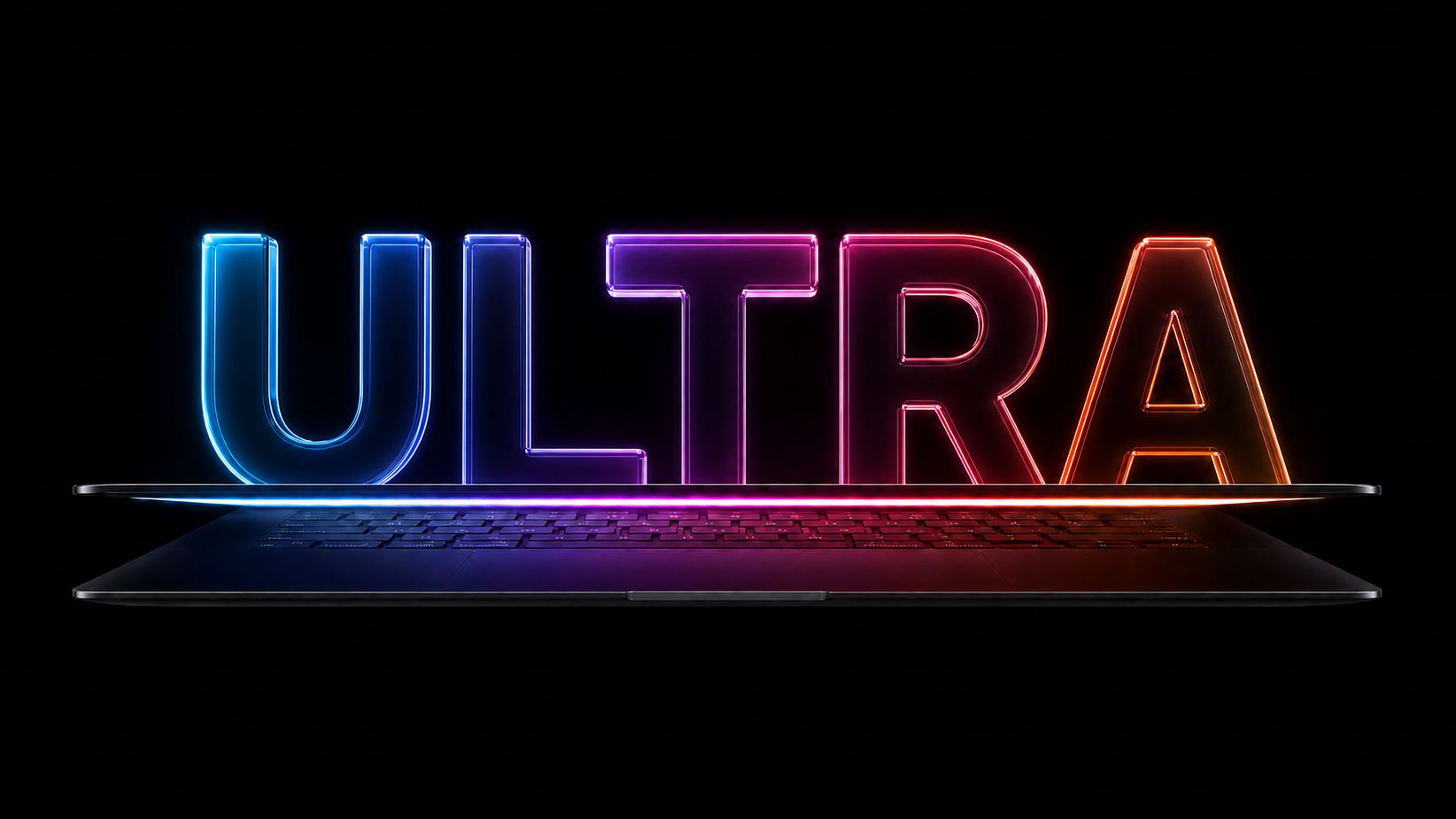
The Price of Innovation: Understanding the MacBook Ultra’s Premium
While concrete pricing details for the MacBook Ultra remain elusive, its positioning within Apple’s product hierarchy strongly suggests a premium price point, likely exceeding that of the current MacBook Pro models. Apple’s recent price adjustments across its Mac lineup in June of this year provide a relevant benchmark. The 14-inch MacBook Pro now starts at $1,999, with configurations featuring the M5 Pro chip rising to $2,499. The larger 16-inch MacBook Pro commands a starting price of $2,999. Given these figures and the MacBook Ultra’s anticipated status as Apple’s most advanced and feature-rich laptop, it is reasonable to expect its pricing to begin at a significantly higher threshold, potentially starting in the $3,000 to $3,500 range and escalating considerably for higher-end configurations.
This pricing strategy reflects Apple’s commitment to delivering a top-tier user experience, encompassing not only cutting-edge hardware but also the integrated software and ecosystem advantages that define the Apple brand. The investment in a significant redesign, coupled with the advanced features and premium materials expected, would naturally translate to a higher cost for consumers.
A Strategic Reshuffle: The Future of Apple’s MacBook Lineup
The introduction of a "MacBook Ultra" naturally prompts questions about the future of the existing MacBook Pro line, particularly the entry-level 14-inch models. Reports from sources like "The MacRumors Show" suggest a potential reevaluation of Apple’s high-end MacBook strategy, with the "MacBook Ultra" potentially eclipsing the MacBook Pro in terms of premium features and target audience. This could lead to a clearer segmentation of Apple’s laptop offerings, with the MacBook Air continuing to serve the mainstream consumer, the MacBook Pro potentially focusing on a refined, yet less ambitious, professional user, and the MacBook Ultra catering to those who demand the absolute pinnacle of performance and innovation.
This strategic reshuffling could also involve the phasing out of certain MacBook Pro configurations or a redefinition of their market niche. Apple’s chip roadmap for Macs is reportedly set to undergo a significant transformation, with the company possibly skipping certain incremental chip updates in favor of more substantial leaps in performance and efficiency. The MacBook Ultra is expected to be a beneficiary of this forward-looking silicon development.
Anticipating the Unveiling: Key Features and Potential Impact
Beyond the rumored touch capabilities and Dynamic Island integration, other potential innovations for the MacBook Ultra include an ultra-thin design, hinting at advancements in thermal management and component miniaturization. Furthermore, there is speculation about the inclusion of Apple’s next-generation C2 modem, which could bring robust built-in cellular connectivity to the MacBook lineup, a feature that has long been a coveted addition for mobile professionals.
The confluence of these rumored features – a sleek new chassis, an OLED display (also a recurring rumor), advanced touch interaction, and potentially enhanced cellular capabilities – positions the MacBook Ultra not just as a new laptop, but as a device designed to redefine mobile productivity and creativity. Its success could influence the trajectory of the entire laptop market, encouraging competitors to adopt similar innovative features and design philosophies.
The development and eventual release of the MacBook Ultra represent a significant investment and a bold statement of intent from Apple. It signals a commitment to pushing the boundaries of what a laptop can be, integrating the intuitive user experiences of its mobile devices with the robust power and versatility of its Mac platform. As the launch window approaches, the tech world will be watching closely to see how these rumored innovations translate into a tangible product and what impact it will have on the future of personal computing. The anticipation for this redesigned powerhouse is palpable, promising a new chapter in Apple’s storied history of innovation.