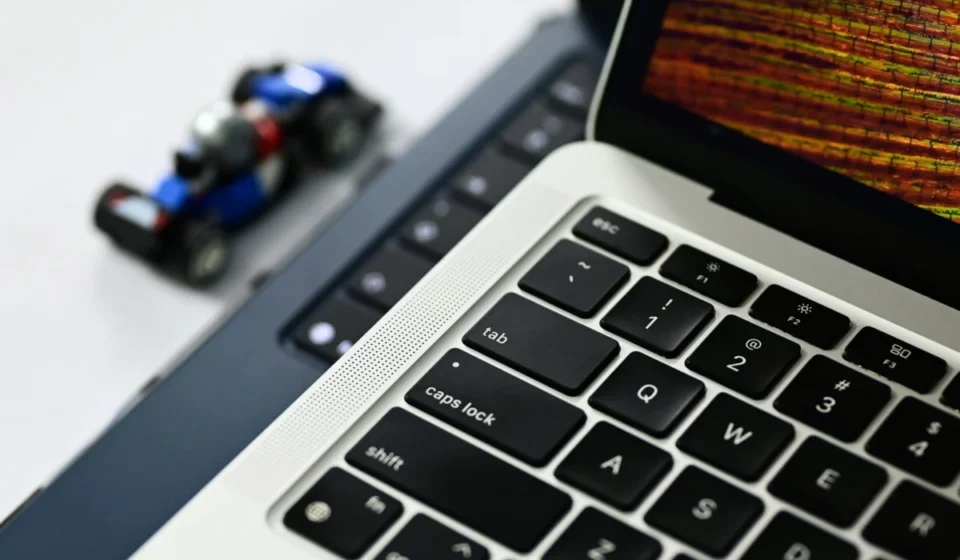
Apple’s MacBook Pro Lineup Risks Becoming Overly Complex with New Entry-Level and Touchscreen Models

Apple’s carefully curated MacBook lineup, long a benchmark for design and performance, is facing a potential identity crisis. As the company expands its offerings across a wider spectrum of price points and technological advancements, particularly with the rumored introduction of OLED touchscreens, the distinction between its entry-level Pro models, high-performance machines, and future interactive versions risks blurring. This expansion, while potentially beneficial for consumer choice, could lead to a product catalog that becomes more confusing than convenient, mirroring a restaurant menu with an overwhelming number of variations for a single item.
The current strategy involves an intricate layering of MacBook Air, MacBook Pro, and potentially new "MacBook Neo" models. Reports, notably from Bloomberg’s Mark Gurman, suggest a future where consumers will navigate through options such as the aforementioned MacBook Neo, multiple MacBook Air configurations (including 13-inch and 15-inch variants), an entry-level 14-inch MacBook Pro, higher-tier 14-inch and 16-inch MacBook Pros, and a premium tier of MacBook Pros equipped with OLED touchscreens. This proliferation of models, some of which may offer only marginal functional differences, necessitates a re-evaluation of Apple’s product segmentation strategy to maintain clarity for its consumer base.

The Identity Crisis of Apple’s MacBook Range
The growing complexity stems from Apple’s dual approach of segmenting its laptops by both performance tiers and form factors, while simultaneously exploring new display technologies. This creates a situation where the "Pro" moniker, traditionally reserved for high-end professional machines, is now being applied to a broader range of devices, including those that may overlap significantly with the capabilities of the MacBook Air.
The primary point of contention appears to be the entry-level 14-inch MacBook Pro. This model, typically equipped with a standard M-series chip, occupies a peculiar space in the lineup. While it carries the prestigious "Pro" branding, its core functionality often aligns closely with, or even surpasses, certain configurations of the more mainstream MacBook Air. The enduring popularity of this entry-level Pro model, driven by its brand cachet, presents Apple with little incentive to discontinue it. Furthermore, industry analysts anticipate that Apple may release a redesigned version of this model alongside a variant that retains the current design, further complicating the near-term product landscape. This strategy, while offering a wider array of choices, risks diluting the distinct positioning of each product tier.

This phenomenon is not unprecedented for Apple. The company has historically adapted its product segmentation in response to technological advancements and market demand. For instance, the introduction of Retina displays initially positioned MacBook Pros at the premium end of the spectrum. As the technology became more accessible and cost-effective, these features were gradually integrated into a wider array of models, leading to a consolidation and refinement of the MacBook Pro lineup. A similar evolutionary path is now being considered for touchscreen technology.
The Inevitable March of Touchscreens and OLED Displays
The most significant potential disruptor to the current MacBook hierarchy is the rumored integration of OLED touchscreens. If Apple embraces this technology across its Pro line, it could signal a fundamental shift in how it differentiates its professional-grade laptops. The adoption of OLED technology, known for its superior contrast ratios, deeper blacks, and vibrant colors, would undoubtedly elevate the visual experience. Combined with touch functionality, this could create a distinctly premium tier, potentially consolidating the existing high-performance MacBook Pro models into a more cohesive offering.

Industry observers note that Apple is actively exploring OLED displays for future iterations of not only the MacBook Pro but also potentially the MacBook Air and iMac models. While these advancements are not expected imminently, the long-term implications are substantial. The inclusion of touch interfaces on Macs, a feature Apple has historically eschewed in favor of its trackpad and keyboard input methods, would represent a significant departure from its established design philosophy. However, the success of the iPad and iPhone lines, which rely heavily on touch interaction, suggests a growing consumer expectation for such capabilities across Apple’s ecosystem.
The timeline for these potential changes remains speculative, with many anticipating that refreshed non-OLED versions of the MacBook Pro will be launched before the introduction of touchscreen OLED models. This phased rollout would allow Apple to gauge market reception and refine its strategy. The potential for touchscreens to become a ubiquitous feature across Apple’s Mac portfolio, mirroring the integration of Retina displays, suggests a future where the distinction between traditional laptops and more interactive devices could blur further.
Analyzing the Implications of a Diversified Lineup

The expanding MacBook lineup presents both opportunities and challenges for Apple and its consumers. On one hand, increased variety caters to a broader range of user needs and budgets, from students and casual users to demanding creative professionals. This can democratize access to Apple’s ecosystem and hardware.
However, the potential for confusion cannot be understated. A overly complex product matrix can lead to decision paralysis for consumers, making it difficult to discern which model best suits their specific requirements. This can result in suboptimal purchasing decisions or a reliance on third-party reviews and expert advice, potentially eroding direct brand engagement.
From a strategic perspective, Apple faces the challenge of maintaining brand integrity and clear product differentiation. If the distinctions between an Air, an entry-level Pro, and a high-performance Pro become too subtle, it could dilute the premium perception associated with the Pro moniker. This could, in turn, impact pricing strategies and market positioning.

The introduction of touchscreen OLED models, while exciting from a technological standpoint, also raises questions about the future of macOS. Apple’s operating system has been optimized for keyboard and trackpad input for decades. Integrating a robust touch interface would necessitate significant UI/UX adjustments, potentially impacting the core user experience that Mac users have come to expect.
Historical Precedents and Future Trajectories
Apple’s product development has often followed a pattern of introducing new technologies at the high end and then gradually democratizing them across its product lines. The Retina display and the M-series silicon chips are prime examples. The current expansion of the MacBook lineup, with its increasing segmentation, appears to be an extension of this strategy, driven by the pursuit of broader market appeal and the integration of emerging display technologies.

The potential for a unified touchscreen experience across Macs, while a significant shift, aligns with the broader industry trend towards more interactive computing devices. If Apple successfully navigates this transition, it could further solidify its position as an innovator in both traditional and emerging computing paradigms.
However, the immediate challenge lies in streamlining the current offerings. A more logical categorization, perhaps with clearer distinctions between everyday productivity, professional performance, and premium interactive experiences, would be beneficial. This could involve a more aggressive simplification of the MacBook Pro line, potentially merging certain configurations or clearly delineating performance tiers with distinct branding.
Ultimately, Apple’s ability to manage this growing complexity will depend on its continued commitment to user experience and product clarity. While offering choice is paramount, ensuring that consumers can easily understand and select the right MacBook for their needs will be crucial for maintaining the brand’s reputation for intuitive design and seamless integration. The future of the MacBook lineup hinges on Apple’s ability to balance innovation with accessibility, ensuring that its expanding portfolio remains a source of desire rather than confusion.