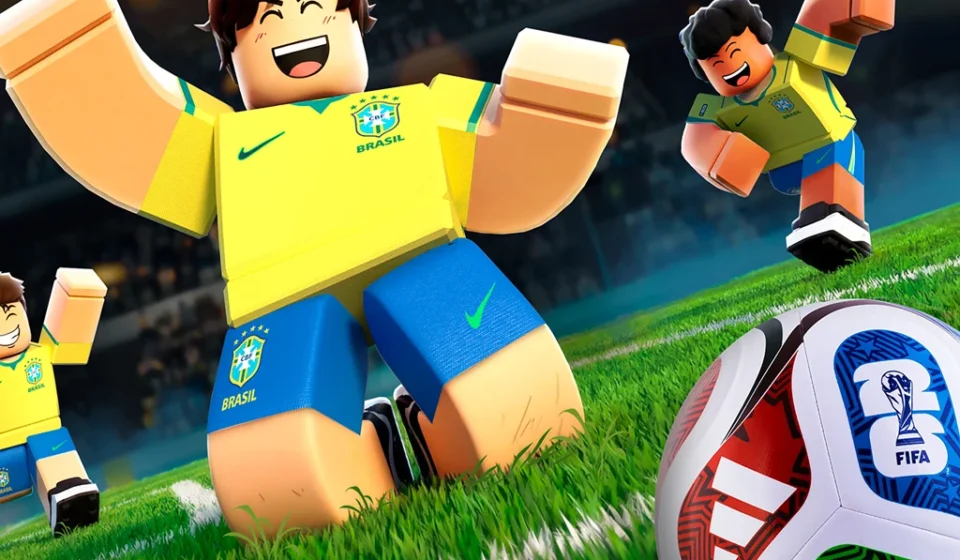
FIFA and Roblox Forge Digital Frontier for 2026 World Cup as Virtual Sports Fandom Redefines Global Engagement

The Federation Internationale de Football Association (FIFA) has officially announced a comprehensive expansion of its digital footprint on the Roblox platform, designating the "FIFA Super Soccer" environment as the primary virtual hub for the upcoming 2026 FIFA World Cup. This strategic move marks a significant evolution in how international sports governing bodies interact with younger demographics, transitioning from traditional broadcasting models toward immersive, interactive ecosystems. As the 2026 tournament approaches—set to be the largest in history with 48 participating nations—FIFA aims to leverage Roblox’s massive user base to create a decentralized, global celebration that mirrors the physical intensity of the matches held across the United States, Canada, and Mexico.
The transformation of FIFA Super Soccer into a "World Cup Event Center" is not merely a cosmetic update but a structural overhaul designed to integrate real-time tournament data with virtual gameplay. According to official plans, the platform will feature dedicated spaces for all 48 national teams, a virtual World Cup stadium, and a series of gamified missions. Players will have access to exclusive digital rewards and, perhaps most importantly, live connections to the physical tournament, including real-time scoreboards and global leaderboards. This integration of "phygital" (physical and digital) elements is intended to maintain engagement throughout the month-long tournament, providing a secondary screen experience that complements live television broadcasts.
A Multi-Game Ecosystem: The Six-Game Crossover Event
In a move that signals a departure from siloed digital activations, FIFA is expanding the scope of its Roblox presence beyond a single game. The 2026 initiative will involve a crossover event spanning six different games within the Roblox platform. This strategy effectively creates a "World Cup Galaxy," where fans can travel between different gaming environments while maintaining their progress and rewards. By embedding World Cup content into diverse gaming genres, FIFA ensures that the tournament remains visible to players who may not initially seek out a sports-specific game.
This multi-game approach is a response to the shifting consumption habits of Generation Z and Generation Alpha. Industry analysts suggest that these demographics no longer view sports as a passive viewing experience but as a social currency. The crossover event is designed to facilitate this social interaction, allowing fans to compete in mini-games, collect limited-edition digital jerseys, and celebrate victories in a communal virtual space. The objective is to transform Roblox into a global destination where the "festival atmosphere" of the World Cup is accessible to anyone with an internet connection, regardless of their proximity to the host cities.
Data-Driven Strategy: The Success of FIFA Super Soccer
The decision to double down on Roblox is supported by robust engagement metrics. FIFA’s existing presence on the platform has already achieved unprecedented success for a sports organization. Since its inception, the official FIFA game on Roblox has accumulated over 1.1 billion visits, maintaining an average of 1.5 million game sessions daily. These figures indicate a high level of retention and interest among young football fans.
Furthermore, the platform has become a magnet for high-profile brand partnerships and club activations. Major entities such as Adidas, the Brazilian Football Confederation (CBF), the U.S. Soccer Federation, and Bundesliga giants Borussia Dortmund have already launched successful activations within the FIFA Roblox environment. These collaborations have demonstrated the platform’s viability as a commercial hub where brands can reach a highly engaged audience through interactive storytelling rather than traditional advertising. The upcoming 2026 activation is expected to see an influx of new sponsors looking to capitalize on the World Cup’s global reach.
The Sociology of Digital Fandom: "Sports as Shared Self-Expression"
The expansion of FIFA Super Soccer coincides with the release of a landmark report titled "Sports as Shared Self-Expression," conducted by Roblox in partnership with the market research firm Ipsos. The report provides a deep dive into the evolving relationship between the "digital native" generations and professional sports. Based on data collected from over 1,100 Gen Z users across the United States, the United Kingdom, Brazil, and Japan, the findings highlight a fundamental shift in sports identity.
According to the report, for 72% of Gen Z, watching sports is a weekly habit, but for 26%, their interest is expected to grow significantly over the next five years. However, this interest is increasingly tied to digital participation. The data suggests that for these younger fans, the "game day" experience is no longer confined to the 90 minutes of play on the pitch. Instead, it is a continuous cycle of social interaction, digital customization, and community building. The report emphasizes that sports on Roblox serve as a tool for self-expression, where fans use their avatars to signal their team loyalties and personal identities.
Brazil: A Case Study in Digital Sports Intensity
While the 2026 World Cup will be hosted in North America, the digital engagement data underscores the global nature of the fandom, with Brazil emerging as a particularly dominant force. The Roblox-Ipsos report identifies Brazilian users as some of the most dedicated sports fans on the platform. The data indicates that Brazilian Gen Z users exhibit higher-than-average scores in several key categories: fandom intensity, identity expression through avatars, and affinity for sports brands.
The report reveals that Brazilian fans are not only participating in virtual matches but are also significant consumers of digital assets. They are more likely to spend virtual currency (Robux) on team-branded items for their avatars and, interestingly, this digital engagement often translates into real-world purchasing behavior. The high "brand affinity" scores among Brazilian users suggest that digital activations on Roblox are an effective way for sports organizations and sponsors to build long-term loyalty in one of the world’s most passionate football markets.
Chronology of Digital Integration in Professional Football
The path to the 2026 Roblox World Cup hub has been paved by a series of incremental digital milestones. In the early 2020s, FIFA began exploring "metaverse" concepts as a way to diversify its revenue streams following the conclusion of its long-term partnership with Electronic Arts.
- 2022: FIFA launches its first major Roblox activation during the World Cup in Qatar, testing the waters for virtual fan zones.
- 2023: The "FIFA Super Soccer" environment is established as a permanent fixture, moving away from seasonal events toward a "live service" model.
- 2024: Major clubs and national federations begin launching their own "worlds" within the FIFA ecosystem, creating a decentralized network of football content.
- 2025: The "Sports as Shared Self-Expression" report provides the data-backed justification for a massive expansion ahead of the 2026 tournament.
- 2026 (Projected): The launch of the six-game crossover event, coinciding with the opening match of the World Cup in Mexico City.
This timeline illustrates a deliberate move toward "platformization," where FIFA acts less like a traditional broadcaster and more like a platform owner, managing an ecosystem of games, social spaces, and digital commerce.
Implications for the Sports Industry and Marketing
The FIFA-Roblox partnership serves as a blueprint for the future of sports marketing. By integrating live data, social gaming, and brand activations, FIFA is addressing the "engagement gap" that many traditional sports face as their audiences age. The implications of this shift are manifold. First, it democratizes access to the World Cup. While only a fraction of the global population can afford to attend a match in person, millions can participate in the virtual stadium experience for free.
Second, it provides a new frontier for monetization. The sale of digital jerseys, "emotes" (virtual celebrations), and other avatar accessories represents a high-margin revenue stream that does not rely on physical inventory or logistics. Third, the data generated by these platforms offers sports organizations unprecedented insights into fan behavior. Unlike traditional TV ratings, which provide limited data on viewer engagement, Roblox can track exactly how long a fan spends in a virtual stadium, which teams they support through their avatar’s clothing, and how they interact with sponsor content.
Broader Impact on Global Community and Culture
Beyond the commercial and strategic benefits, the 2026 Roblox initiative has the potential to foster a more inclusive global football community. The platform’s ability to connect fans from different continents in a shared space allows for a cross-cultural exchange that was previously difficult to achieve outside of the host cities. As the report by Ipsos suggests, these digital spaces are becoming "social squares" where fans find friends and build communities based on shared passions.
As the world looks toward the 2026 FIFA World Cup, the integration of Roblox into the tournament’s core strategy signals that the future of football is as much about the virtual pitch as it is about the grass one. By meeting fans where they already spend their time—in digital, interactive environments—FIFA is ensuring that the "beautiful game" remains relevant and accessible to the next generation of global citizens. The success of this initiative will likely determine how other major sporting events, from the Olympics to the Super Bowl, approach their digital strategies in the years to come.