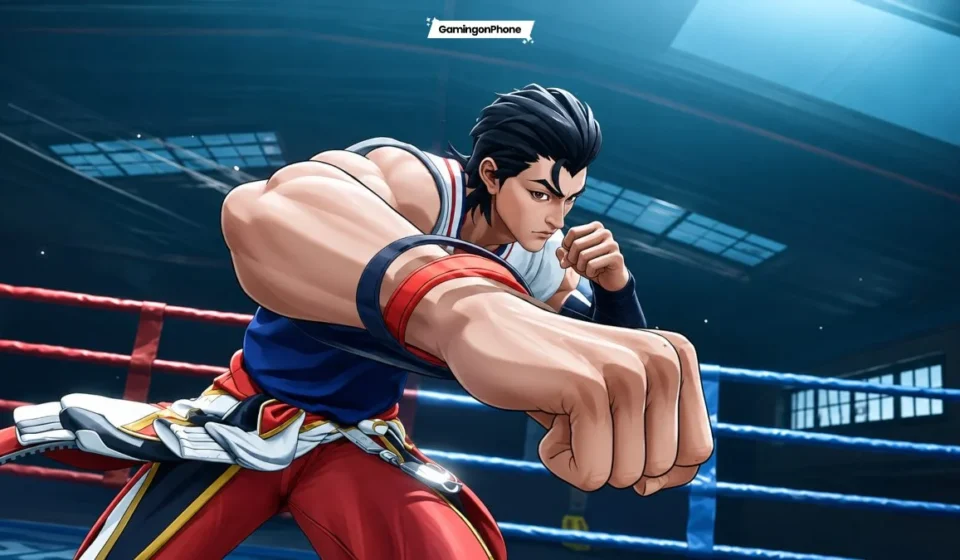
Tencent Games’ Showtime looks like a flashy action game that’ll take over the genre, China testing is now live

Tencent’s Strategic Play in the Competitive Gaming Landscape
Tencent Games, a dominant force in the global video game industry, has consistently demonstrated a strategic approach to expanding its extensive portfolio, which includes some of the world’s most successful mobile and PC titles like Honor of Kings, PUBG Mobile, and League of Legends. The introduction of "Showtime" signals Tencent’s continued commitment to innovating within the competitive action genre and diversifying its intellectual property (IP) offerings. This move aligns with broader industry trends where publishers are increasingly investing in games that offer deep multiplayer engagement and long-term player retention through continuous content updates and esports potential.
Morefun Studios, the development arm behind "Showtime," is part of Tencent’s robust internal studio network. While specific details about Morefun Studios’ past projects are often integrated within Tencent’s larger narrative, their involvement suggests a concerted effort to leverage internal expertise for ambitious new ventures. Tencent’s development philosophy often combines high production values with strategic market positioning, aiming to create titles that can capture significant market share both domestically in China and internationally. "Showtime" appears to be a prime example of this strategy, blending accessible mechanics with strategic depth to appeal to a wide player base.
Unveiling "Showtime": A Distinctive Approach to Action Combat
Initial gameplay footage and descriptive accounts highlight "Showtime’s" unique blend of an anime-inspired art style with a chaotic yet strategically nuanced combat system. The visual presentation strikes a balance, incorporating vibrant anime aesthetics without veering into overly stylized territory, ensuring characters possess distinct personalities and environments (primarily urban settings) contribute to the game’s overall atmosphere. Combat effects are designed to be impactful, adding a sense of dynamism and intensity to engagements.
Unlike many competitive action games that demand mastery of complex combo chains or extensive move lists, "Showtime" introduces a more streamlined yet profound combat philosophy. The core combat revolves around a rock-paper-scissors-style system comprising three primary attack types: normal attacks, break attacks, and powerful attacks. This simplified input mechanism belies a deeper strategic layer, requiring players to observe opponents’ actions and react with appropriate counter-attacks rather than relying on brute force or memorized sequences. This design choice aims to lower the barrier to entry for new players while still offering a high skill ceiling for those who master anticipation and timing.
Furthermore, defensive maneuvers like dodging and escaping are tied to a stamina system, adding another layer of resource management to engagements. Players must carefully balance offensive pressure with defensive capabilities, as depleting stamina can leave them vulnerable to enemy attacks. This emphasis on tactical positioning, resource management, and reactive play distinguishes "Showtime" from more traditional button-mashing action titles, promising a competitive experience that rewards intellect as much as reflexes.
Diverse Game Modes and Innovative Progression Systems
"Showtime" is set to offer a variety of match formats, catering to different player preferences and team sizes. Custom matches will support 1v1 duels, 2v2 skirmishes, and 3v3 team battles, providing ample opportunities for players to test their individual skills or coordinate with teammates. Beyond these structured competitive modes, the game also features a more expansive team-based mode. In this mode, players can explore environments, collect loot, acquire upgrades, and crucially, revive fallen teammates, suggesting elements of persistent progression and strategic teamwork beyond direct combat encounters. This hybrid approach, blending traditional competitive formats with exploration and resource management, could broaden the game’s appeal to players who enjoy diverse gameplay loops.

Perhaps one of the most innovative features highlighted is the "chip system." This system allows players to customize their characters by equipping a range of active skills, passive abilities, and stat boosts. These chips serve as a primary method of character progression and personalization, enabling players to tailor their playstyle to specific roles or strategies. A particularly intriguing twist is the ability to steal chips from defeated opponents. This mechanic introduces a dynamic risk-reward element, encouraging aggressive play while also adding an unpredictable layer to matches, as players’ builds can evolve and adapt based on their in-game performance. This unique system could foster a highly competitive meta-game where players constantly adapt their loadouts and strategies based on opponent encounters.
The Significance of Cross-Platform Development and China Testing
The announcement of "Showtime’s" limited closed beta test in China, scheduled for January 2027, underscores the game’s ambitious scope. The decision to launch simultaneously on both PC and mobile platforms, with shared test access and cross-platform data, is a strategic move by Tencent. This approach aims to maximize the potential player base, recognizing the global trend of gamers engaging across multiple devices. Cross-platform compatibility not only enhances accessibility but also fosters a larger, more interconnected community, which is crucial for the long-term viability of competitive multiplayer titles.
China serves as a critical testing ground for Tencent, given its vast gaming market and the company’s deep understanding of local player preferences. Offline playtests preceding the beta recruitment suggest a meticulous development process, where initial feedback is gathered in controlled environments before broader public testing. The upcoming closed beta will be instrumental in collecting extensive data on server stability, network performance, gameplay balance, and player engagement. Developers will analyze this feedback to fine-tune mechanics, optimize performance, and iterate on design elements, ensuring the game is robust and appealing before a wider launch. The long lead time to the 2027 beta date indicates a thorough and iterative development cycle, typical for major Tencent titles.
For Tencent, "Showtime" represents more than just another game release; it’s a potential benchmark for its cross-platform strategy and its ability to innovate within established genres. The publisher’s extensive infrastructure and experience in operating large-scale online games provide a strong foundation for "Showtime’s" future. Success in the Chinese market during these early testing phases often serves as a strong indicator for a game’s global potential, allowing Tencent to refine its strategies for international expansion.
Broader Implications and Future Outlook
The entry of "Showtime" into the competitive action genre carries several implications for the gaming industry. For Tencent, it could solidify its position as a leader in innovative game design, particularly in the realm of accessible yet deep competitive experiences. If "Showtime" resonates with players, it could carve out a new niche, potentially influencing future game development trends towards simplified combat mechanics paired with complex strategic systems like the chip customization.
Industry analysts are likely to view "Showtime" as a significant investment by Tencent to capture a segment of the competitive gaming market that might be looking for fresh alternatives to existing titans. The game’s blend of anime aesthetics, cross-platform play, and unique progression mechanics positions it to attract a diverse audience, from casual mobile gamers to dedicated PC enthusiasts. The success of the beta in January 2027 will be a crucial determinant of the game’s trajectory, providing concrete data on how its ambitious design translates into actual player experience and competitive viability.
While a global release date remains speculative, successful testing phases in China typically precede international launches for major Tencent titles. The company’s global publishing arm will undoubtedly be watching the development closely, assessing market readiness and potential localization efforts. The journey from initial concept to a globally recognized title is long and arduous, but "Showtime," with its innovative mechanics and Tencent’s backing, appears poised to make a significant impact on the competitive action genre. The gaming community eagerly anticipates further details and the opportunity to experience what could be Tencent’s next major franchise.