The Digital Transformation of Brazil’s Lottery Industry and the Strategic Evolution of the Loteria Aldeota as a National Case Study

The landscape of the Brazilian lottery industry has undergone a radical transformation over the last decade, transitioning from traditional physical storefronts to sophisticated digital hubs that leverage social media, high-end content production, and complex logistical networks. At the center of this evolution is Alessandro Montenegro, the founder of Loteria Aldeota in Fortaleza, Ceará, widely recognized by the moniker Rei do Bolão (The King of Betting Pools). During a recent investigative visit by media professionals covering the Sana event—the largest pop culture gathering in the North and Northeast regions of Brazil—the internal operations of Loteria Aldeota were revealed, showcasing a business model that has been officially recognized by Caixa Econômica Federal as a premier "success case" for the nation.
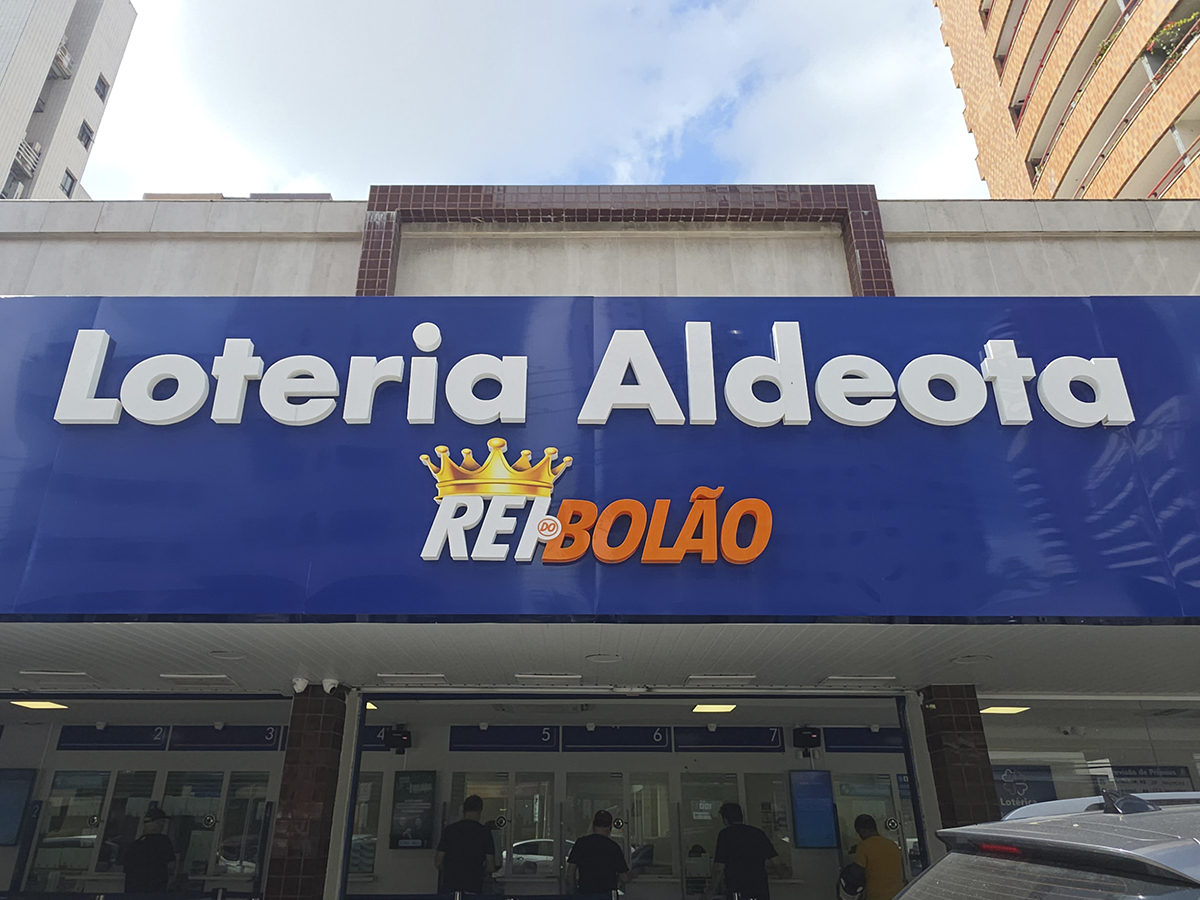
The facility, located in the affluent Aldeota neighborhood, serves as a testament to how traditional gambling services can be modernized through the integration of technology and professional marketing. What appears from the outside to be a standard lottery outlet is, in fact, a multi-layered enterprise featuring a 24-hour call center, a professional-grade streaming studio, and an extensive digital sales operation. This infrastructure has propelled the establishment to the top of the national sales rankings, maintaining the number-one position for 75 consecutive periods—a record that remains unmatched in the history of Brazilian lottery operations.
The Infrastructure of a Modern Betting Powerhouse
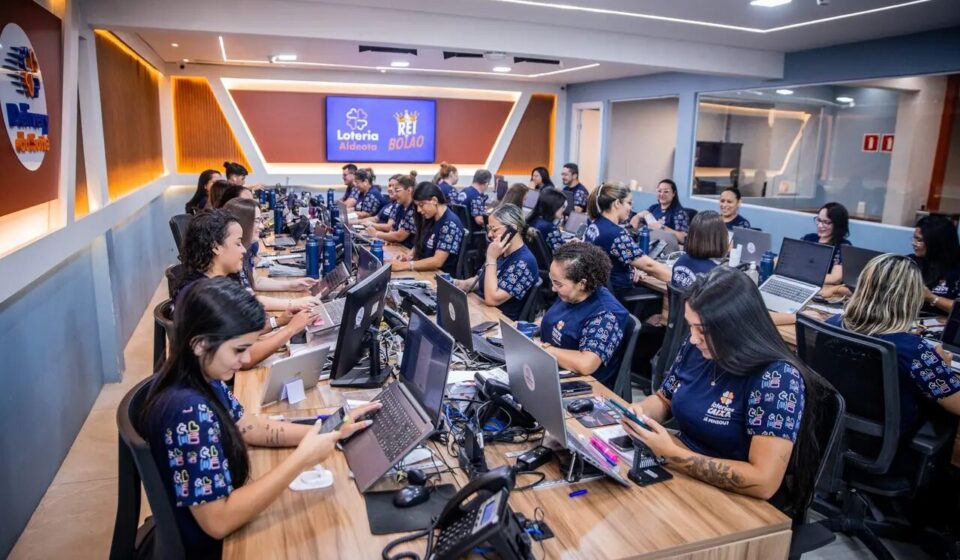
The operational scale of Loteria Aldeota is distinct from any traditional lottery house in Brazil. Upon entering the upper floors of the facility, the atmosphere shifts from a commercial storefront to a high-tech corporate environment. The operation is divided into three primary sectors: the customer service hub, the audiovisual production suite, and the live broadcast studio.

The customer service department consists of a dedicated team of approximately 20 on-site attendants, supported by a remote network of over 100 professionals. This team manages a constant stream of inquiries and transactions conducted via WhatsApp and phone calls, catering to a national clientele. The reliance on digital communication allows the lottery house to transcend its geographical location in Fortaleza, effectively serving bettors from every state in Brazil.
Adjacent to the call center is the audiovisual suite, equipped with high-performance workstations typically reserved for professional video editing or high-end gaming. These machines are used to manage the digital assets of the brand and the logistics of the betting pools. The center of this technological ecosystem is the broadcast studio, which features professional PTZ (Pan-Tilt-Zoom) cameras, studio-grade lighting, and soundproofing. This studio is the birthplace of the brand’s YouTube content, which has earned the coveted 100,000-subscriber silver plaque. Notably, the channel serves as a purely informational and promotional tool, as YouTube’s policies on gambling-related content prevent direct monetization. Instead, the value is found in brand authority and customer conversion.

Strategic Pivot: The 2020 Pandemic and Digital Acceleration
The current success of Loteria Aldeota is inextricably linked to the global COVID-19 pandemic of 2020. When municipal lockdowns forced the closure of physical retail spaces in Fortaleza, Alessandro Montenegro faced a critical business crossroad. While many traditional lotteries remained dormant during the quarantine periods, Montenegro opted to accelerate the digitization of his services.
This period marked the birth of the "remote betting" system, which combined the legality of official Caixa betting pools with the convenience of digital delivery. The business developed a protocol where customers could select their desired betting pools through WhatsApp, receive digital copies of their tickets, and settle payments through electronic transfers. To bridge the gap between digital trust and physical security, the lottery house employed a fleet of couriers to ensure the physical tickets were organized and available for verification.

This shift not only preserved the business during the economic downturn but also expanded its market share. By acting as his own brand influencer, Montenegro utilized social media to humanize the betting process, building a level of transparency that resonated with a public increasingly wary of digital scams. The success of this model eventually caught the attention of Caixa Econômica Federal, the state-owned bank that oversees all national lotteries in Brazil, which began citing Loteria Aldeota as a benchmark for other franchisees.
Statistical Milestones and Economic Impact
The efficacy of Montenegro’s methods is reflected in the high volume of winning tickets processed by his establishment. To date, Loteria Aldeota has announced 281 major prize winners, a figure that includes 35 individuals who became millionaires through the establishment’s betting pools. In total, the house has distributed over R$150 million in prizes.

Notable historical wins include a R$105 million Mega-Sena jackpot in 2020 and a recent R$5 million prize in the Lotofácil da Independência. These statistics are not merely coincidental; they are the result of the sheer volume of "Bolões" (betting pools) organized by the house. By mathematically optimizing the combinations of numbers and selling shares of these large bets, the establishment increases the statistical probability of a winning ticket being associated with their CNPJ (corporate tax ID).
The business is currently on a trajectory to reach an annual turnover of approximately R$50 million by the end of 2026. This growth represents a significant contribution to the local economy of Ceará, providing employment for hundreds of staff members and generating substantial tax revenue through the federal lottery system.

The Role of Ethics and Brand Trust in the Lottery Sector
In an industry built on the variables of luck and probability, "trust" is the most valuable currency. A pivotal moment in the history of Loteria Aldeota involved a high-stakes scenario where a winning ticket was nearly lost due to a payment technicality. A client from Santa Catarina had reserved a share in a Mega-Sena betting pool but had failed to complete the payment before the draw.
Under the strict rules of lottery operations, the unpaid ticket remained the property of the lottery house. When the numbers were drawn and the ticket proved to be a winner, Montenegro faced a choice: claim the prize for the business or honor the verbal reservation made by the client. Choosing the latter, Montenegro contacted the client, allowed him to settle his outstanding debts, and facilitated the collection of the prize.

This event was widely covered by regional and national media, serving as a powerful marketing catalyst. The narrative of "the honest lottery owner" provided a level of institutional credibility that no amount of paid advertising could replicate. It reinforced the "Rei do Bolão" brand as a secure intermediary for high-stakes transactions, further fueling the influx of remote bettors from across the country.
Analytical Implications for the Brazilian Gambling Market
The evolution of Loteria Aldeota offers several insights into the future of regulated gambling and lotteries in Brazil. First, it demonstrates that the "omnichannel" approach—integrating physical retail with digital accessibility—is the most resilient business model in the current economy. Second, it highlights the power of "infotainment" in the financial sector; by providing analysis of results and educational content about probabilities, Montenegro has transformed a simple transaction into an engaging consumer experience.

Furthermore, the case study of Loteria Aldeota coincides with a broader national debate regarding the regulation of "Bets" (online sports betting platforms) in Brazil. While many unregulated platforms struggle with issues of transparency and addiction, the official lottery system, as practiced by Montenegro, operates within a federal framework that includes social contributions to education, sports, and public safety.
The success of the "Rei do Bolão" also suggests a shift in the demographics of lottery players. By utilizing platforms like YouTube and Instagram and engaging with cultural events like Sana, the business is attracting a younger, tech-savvy audience that views the lottery not just as a game of chance, but as a strategic form of entertainment.

Conclusion and Future Outlook
As Loteria Aldeota looks toward 2026, the focus remains on scaling the digital infrastructure to meet increasing demand. The business continues to refine its "Bolão" strategies, utilizing data analysis to create more attractive betting options for its diverse client base. The founder, Alessandro Montenegro, remains a central figure in the operation, maintaining the persona of a "vendedor nato" (born salesman) while managing what has become a sophisticated financial services firm.
The journey from a humble interior upbringing in Ceará to the helm of Brazil’s most successful lottery house serves as a unique narrative of entrepreneurship. It underscores the potential for traditional sectors to reinvent themselves through technological adoption and the rigorous building of brand equity. For the Brazilian lottery industry, the Loteria Aldeota model is no longer an anomaly; it is a blueprint for the future of the trade. Whether through the R$1.250 high-stakes betting pools or the more accessible daily draws, the "Rei do Bolão" has successfully turned the pursuit of luck into a disciplined and highly profitable science.