Sana 2026 Celebrates the Intersection of Global Pop Culture and Northeastern Brazilian Heritage in Fortaleza

The city of Fortaleza, the capital of Ceará, recently hosted the first installment of Sana 2026, reaffirming the event’s status as the premier pop culture gathering in the Brazilian Northeast. Over the course of three days, the event transformed the local convention center into a vibrant hub of fandom, technology, and artistic expression. While the festival featured international guests, gaming tournaments, and cosplay competitions, the most significant draw for many attendees was the Artists’ Alley. This section, traditionally reserved for independent creators, became a focal point for a unique cultural phenomenon: the "Northeast-ification" of global pop culture icons. Local illustrators, writers, and artisans showcased works that reimagined legendary characters from Hollywood and Japanese animation through the lens of regional traditions, blending global aesthetics with the rich heritage of the Brazilian hinterlands.
The Evolution of Sana and the Rise of the Artists Alley
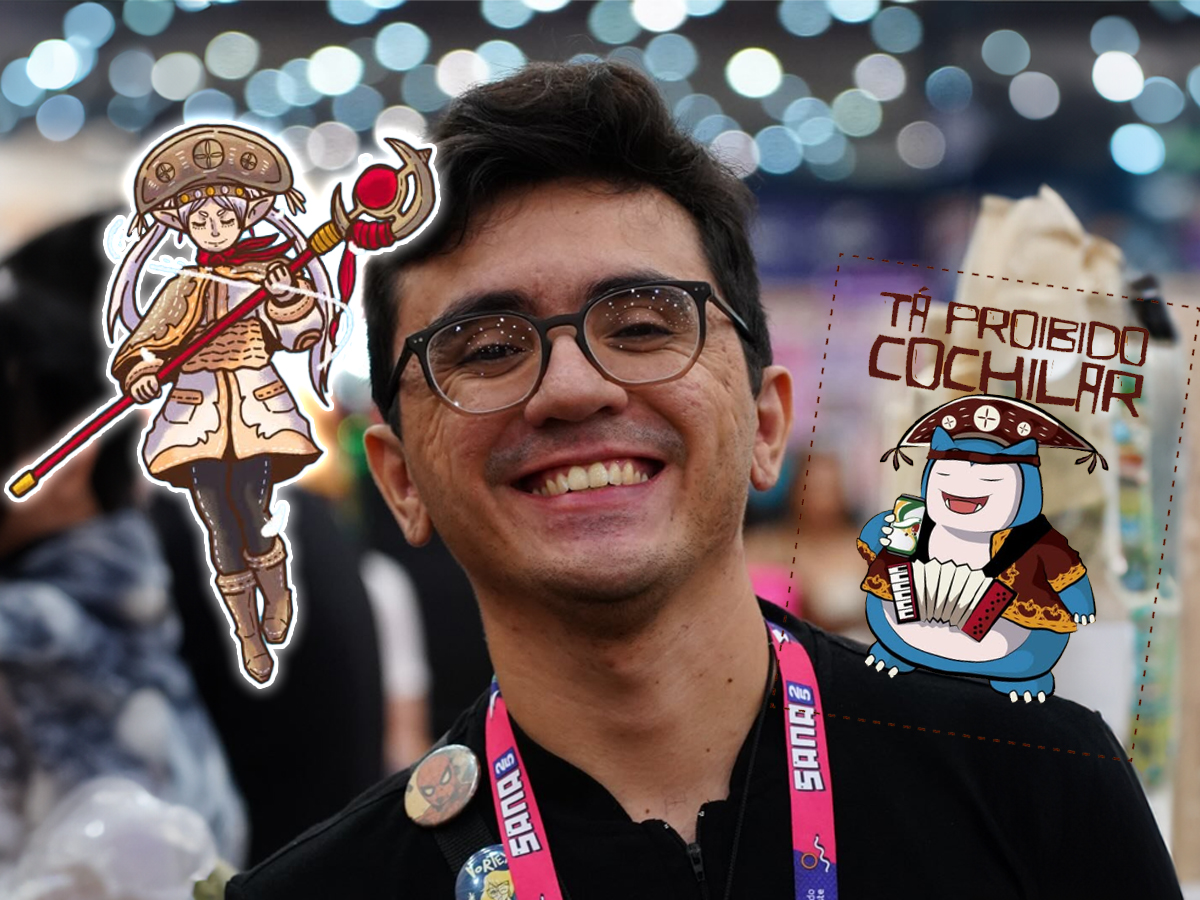
Since its inception in 2001, Sana has evolved from a small gathering of anime enthusiasts into a massive multi-genre convention that attracts tens of thousands of visitors per edition. Held twice a year—typically in January/February and July—the event serves as a critical economic driver for the city’s tourism and creative sectors. The 2026 edition underscored a growing trend in the Brazilian creative economy: the desire to see local identity reflected in global media.
The Artists’ Alley at Sana 2026 saw unprecedented foot traffic. Observers noted that the most successful stalls were those that moved beyond mere imitation of international styles, instead offering a synthesis of foreign tropes and local folklore. This movement is not merely a parody; it is a sophisticated form of cultural "anthropophagy," a concept rooted in Brazilian modernism where foreign influences are "devoured" and repurposed to create something authentically local.

Regional Artistic Techniques as a Narrative Tool
One of the standout exhibits featured the work of Marina V, an artist who utilized the traditional "fotopintura" (photo-painting) technique to reimagine the Star Wars universe. Fotopintura is a historical craft deeply rooted in the Brazilian Northeast, particularly in the mid-20th century. Before the widespread availability of color photography, artisans would manually retouch and colorize black-and-white portraits, often adding formal attire or jewelry that the subjects did not possess in reality. This technique democratized family portraiture for rural populations.
In a striking display of regionalism, Marina V presented "Seu Vadim" and "Dona Leia"—local versions of Darth Vader and Princess Leia. By placing these characters in the stiff, formal poses characteristic of traditional family portraits found in the "sertão" (hinterlands), the artist bridged the gap between a galaxy far, far away and the domestic history of Ceará. This juxtaposition resonated deeply with visitors, many of whom recognized the artistic style from their grandparents’ homes.

The Literary Fusion of Cordel and Cyberpunk
The literary traditions of the Northeast also found a new medium at the event. "Cordel" literature—small, inexpensive booklets containing folk tales, poems, and songs, often illustrated with woodblock prints known as xilogravuras—is a cornerstone of regional identity. Traditionally sold at markets hanging from strings (cordas, hence the name cordel), this format was utilized to adapt Philip K. Dick’s "Blade Runner."
The cyberpunk narrative, usually associated with neon-drenched futuristic metropolises, was translated into the rhyming schemes and rhythmic structures of the cordel. This adaptation demonstrates the versatility of the format, proving that the philosophical questions of artificial intelligence and humanity can be effectively explored through the rustic, yet profound, vernacular of the Brazilian Northeast.

The Commercial Success of Patrick Lima and the Cactus Patronum
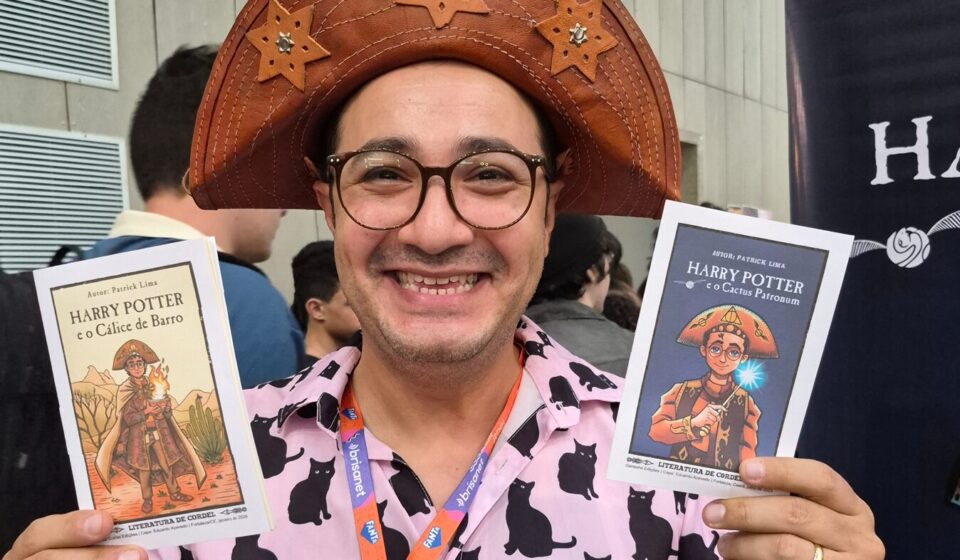
The financial viability of this cultural fusion was best exemplified by Patrick Lima. His flagship work, "Harry Potter e o Cactus Patronum," has become a genuine commercial phenomenon within the independent publishing circuit. Since its release in 2023, the work has sold over 10,000 copies, a remarkable feat for an independent creator in the Brazilian market.
Lima’s success at Sana 2026, and previously at major events like the Bienal do Livro (Book Biennial), highlights a robust demand for regionalized content. His booth offered not just literature, but an entire ecosystem of merchandise, including eco-bags, pins, and stickers. The "Cactus Patronum" serves as a metaphor for resilience—the cactus being a symbol of the drought-resistant flora of the Northeast—blending the magical escapism of the wizarding world with the harsh realities and enduring spirit of the regional landscape.

Felipe Arrais and the Satire of Local Daily Life
Illustrator Felipe Arrais took a more satirical approach, focusing on the intersection of gaming culture and the everyday experiences of those living in Ceará. One of his most discussed pieces featured Alucard, the protagonist of the "Castlevania" series. In a play on the gothic "Symphony of the Night," Arrais reimagined the vampire hunter as a "sanfoneiro" (accordion player). The caption "What is a Sanfoneiro?"—a riff on the famous line "What is a man?" from the game—encapsulated the humor that defined much of the event’s artistic output.
Arrais also tackled local sports culture through the lens of "Pokémon." His depiction of the character Psyduck suffering from various "headaches" caused by the fluctuating fortunes of Fortaleza, Ceará, and Ferroviário—the three major football clubs in the region—provided a relatable commentary on the stresses of local sports fandom. Furthermore, his depiction of Snoopy navigating the "cangaço" (a form of social banditry prevalent in the Northeast in the early 20th century) on a donkey, while Woodstock hides for fear of the "carcará" (a regional bird of prey), showcased a deep understanding of both global icons and local ecology.

Economic Impact and Official Responses
While official attendance figures for the first part of Sana 2026 are still being finalized, preliminary data from the organizers suggests a 15% increase in foot traffic compared to the previous year. The event contributes significantly to the local economy, particularly in the sectors of hospitality, transportation, and retail.
Organizers of Sana have emphasized that the inclusion and promotion of local artists are central to the event’s mission. In a statement following the event’s conclusion, the coordination team noted that "Sana is no longer just a window to the world; it is a mirror for our own culture. The success of the Artists’ Alley proves that our audience wants to see themselves represented within the universes they love."

Local government officials have also recognized the importance of such events. The Ceará State Secretariat of Culture has increasingly viewed pop culture conventions as vital platforms for the "Creative Economy," providing grants and logistical support to ensure that local creators can compete on a professional level with international imports.
Broader Implications for Brazilian Identity
The trends observed at Sana 2026 suggest a shift in how regional identity is constructed in the 21st century. For decades, there was a perceived dichotomy between "traditional" regional culture and "modern" global culture. However, the work of artists like Marina V, Patrick Lima, and Felipe Arrais suggests that these two worlds are not mutually exclusive.

By integrating the "Sertão" into "Star Wars" or "Castlevania," these creators are asserting that their regional identity is contemporary and relevant. This movement helps to dismantle stereotypes of the Northeast as a purely historical or rural entity, presenting it instead as a dynamic participant in the global digital and pop culture landscape.
Looking Toward July 2026
The conclusion of the first part of Sana 2026 has already set the stage for the second half of the year. Part 2, scheduled for July 2026, is expected to expand the Artists’ Alley even further, with more space allocated for regional creators. Tickets for the July event have already gone on sale, with "early bird" tiers reportedly selling out within hours.

As Sana continues to grow, its role as a cultural laboratory remains its most compelling feature. The fusion of the "Cactus Patronum" and the "Sanfoneiro Vampire" represents more than just clever marketing; it is a testament to the enduring power of local heritage in an increasingly homogenized world. For the city of Fortaleza and the wider Northeast, Sana is not just a weekend of entertainment—it is a celebration of a unique, resilient, and infinitely creative identity.