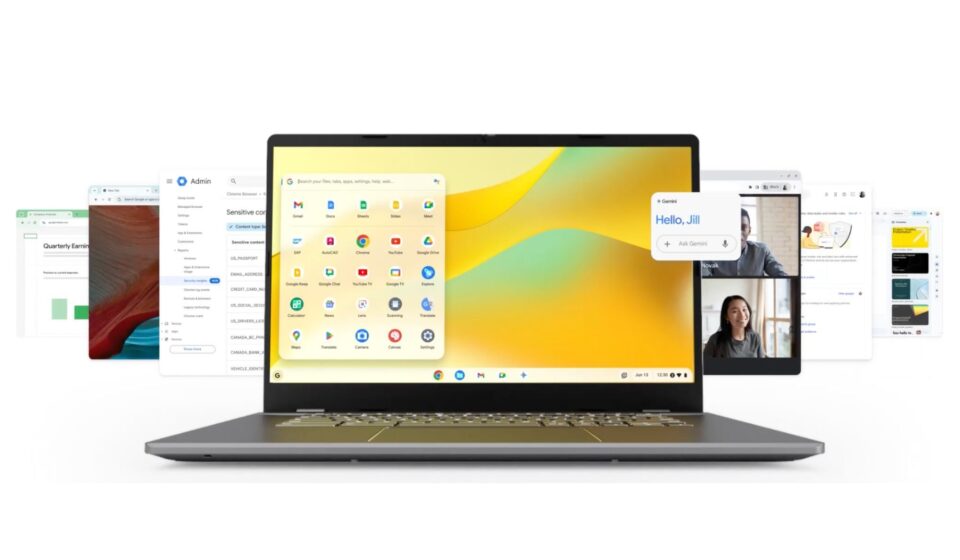
An initiative to reduce e-waste and extend laptop lifespan with ChromeOS Flex USB

Google and refurbished electronics marketplace Back Market have unveiled a pilot program at the MWC 2026 event, aiming to significantly reduce electronic waste and breathe new life into aging laptops. This collaborative effort introduces USB drives preloaded with ChromeOS Flex, a streamlined and secure operating system designed to make the transition to a modern computing experience accessible for older hardware. The initiative directly addresses the growing global problem of e-waste, with a particular focus on extending the functional lifespan of devices that might otherwise be discarded.
Reviving the Digital Past: The ChromeOS Flex Initiative

The core of this new initiative lies in the distribution of USB drives containing ChromeOS Flex. This approach bypasses the often complex and technical process of creating bootable installation media, allowing a broader audience to easily repurpose their older computers. The program targets consumers, educational institutions, businesses, and refurbishers, providing them with a tangible solution to upgrade outdated machines.
ChromeOS Flex, developed by Google, is a lightweight, cloud-centric operating system engineered to run on a wide range of hardware, including many devices that no longer receive updates for their original operating systems like Windows or macOS. Its architecture prioritizes web-based applications and leverages cloud processing for tasks such as updates, security management, and much of the computational workload. This design philosophy is crucial for breathing new life into older hardware, enabling it to perform essential daily tasks like web browsing, streaming media, document creation, and utilizing cloud-based productivity suites with renewed efficiency.
The pilot program, officially announced via a press release and detailed at the MWC 2026 exhibition, signifies a proactive step by Google and Back Market to combat the environmental impact of rapidly obsolescent technology. By offering a readily available and user-friendly method to install ChromeOS Flex, they aim to divert millions of devices from landfills and extend their active service life.

Understanding ChromeOS Flex: A Lightweight Alternative
ChromeOS Flex is fundamentally different from traditional desktop operating systems. It is built upon the same foundation as ChromeOS, the operating system found on Chromebooks, but is designed for installation on existing PCs and Macs. This means that users who install ChromeOS Flex on their older laptops will experience an interface and functionality remarkably similar to that of a Chromebook.
Key features of ChromeOS Flex include:

- Cloud-Centric Operations: A significant portion of processing, storage, and application management is handled by cloud services. This reduces the strain on the local hardware, making it suitable for older or less powerful machines.
- Enhanced Security: ChromeOS Flex benefits from Google’s robust security architecture, including sandboxing, verified boot, and automatic updates, which are critical for protecting users from evolving cyber threats.
- Automatic Updates: The operating system updates itself automatically in the background, ensuring that devices are always running the latest, most secure version without manual intervention.
- Simplified User Experience: The interface is designed to be intuitive and easy to navigate, focusing on web applications and cloud services.
- Broad Hardware Compatibility: While not universally compatible, ChromeOS Flex is designed to work with a vast array of certified hardware, and Google provides tools to check compatibility before installation.
The installation process itself is designed for simplicity. Users are provided with a USB drive containing the ChromeOS Flex installer. By booting the target computer from this USB drive and following on-screen prompts, the operating system can be installed, transforming the old laptop into a functional, modern computing device.
The E-Waste Crisis: A Growing Global Concern
The partnership between Google and Back Market is particularly significant given the escalating global issue of electronic waste (e-waste). According to the Global E-waste Statistics Partnership, the world generated an estimated 62 million metric tons of e-waste in 2022. This figure is projected to continue its upward trajectory, driven by increasing consumption of electronics and shorter product lifecycles.

A substantial portion of this waste comprises functional or repairable devices that are discarded prematurely. Reasons for this include the cessation of operating system support, perceived obsolescence, or the desire for newer models. This premature disposal contributes to the depletion of valuable resources, the release of hazardous materials into the environment, and the strain on landfill capacity.
The ChromeOS Flex initiative directly confronts this problem by offering a viable pathway to extend the useful life of electronic devices. By enabling older laptops to run a modern, secure, and efficient operating system, Google and Back Market are promoting a more sustainable approach to technology consumption. This not only benefits the environment but also provides economic advantages for individuals and organizations by reducing the need for frequent hardware upgrades.
MWC 2026: A Platform for Innovation and Sustainability

The Mobile World Congress (MWC) is a premier global event for the mobile industry, showcasing the latest innovations and trends in connectivity, mobile technology, and related sectors. The choice of MWC 2026 as the venue for this announcement underscores the initiative’s significance within the broader technology landscape. While MWC typically focuses on new devices and network technologies, this partnership highlights a growing trend towards sustainability and the circular economy within the tech sector.
The presence of both Google, a major software developer, and Back Market, a leader in the refurbished electronics market, at MWC signals a unified front in addressing the lifecycle of computing devices. This collaboration can be seen as a response to increasing consumer and regulatory pressure for more environmentally responsible technology practices.
Broader Implications and Future Outlook

The ChromeOS Flex USB initiative has several far-reaching implications:
- Economic Accessibility: For individuals and organizations with limited budgets, this program offers a cost-effective way to access modern computing capabilities without the expense of purchasing new devices. Students, small businesses, and non-profits could particularly benefit.
- Digital Inclusion: By making it easier to revive older machines, the initiative can help bridge the digital divide, providing access to essential online services and educational resources for those who might otherwise be excluded.
- Circular Economy Advancement: The partnership with Back Market reinforces the growing importance of the refurbished electronics market. It suggests a future where pre-owned devices are not just repaired but actively upgraded and repurposed, creating a more sustainable ecosystem.
- Environmental Impact Reduction: The most direct implication is the reduction of e-waste. By extending the lifespan of laptops, fewer devices will be manufactured, and fewer will end up in landfills, conserving resources and minimizing environmental pollution.
While the pilot program is a significant step, its long-term success will depend on several factors, including the availability of the USB drives, the ease of user adoption, and the ongoing support for ChromeOS Flex on a diverse range of hardware. Google’s commitment to maintaining the security and functionality of ChromeOS Flex for older devices will be crucial.
Industry analysts have noted that such initiatives are becoming increasingly vital as the environmental consequences of rapid technological obsolescence become more apparent. The collaboration between a software giant and a leading refurbisher sets a precedent for how tech companies can work together to promote sustainability and responsible consumption.

The initiative’s focus on simplicity – a preloaded USB drive – is a key differentiator. This approach aims to demystify the process of OS installation, making it accessible to users who may not have extensive technical knowledge. This user-centric design is likely to be a significant factor in its adoption rate.
In conclusion, the Google and Back Market ChromeOS Flex USB initiative represents a pragmatic and forward-thinking approach to a pressing global challenge. By leveraging the lightweight nature of ChromeOS Flex and the expertise of Back Market in extending the life of electronics, this program has the potential to make a tangible difference in reducing e-waste and empowering a wider audience with accessible, modern computing. The success of this pilot program could pave the way for similar collaborations and further innovations aimed at creating a more sustainable digital future.