
Apple Explains the "MacBook Neo" Naming Convention for its New Affordable Laptop

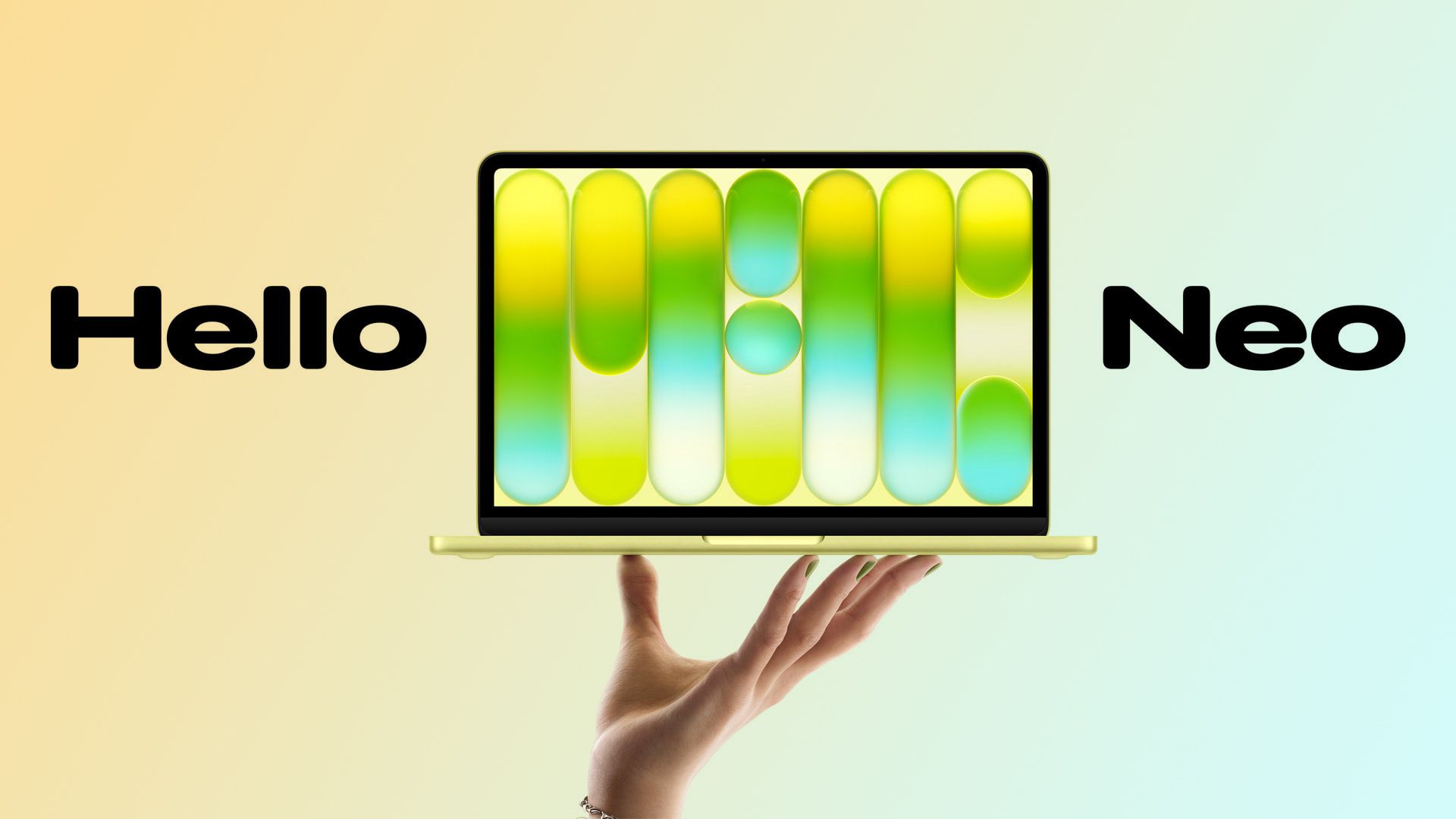
Apple has officially clarified the reasoning behind the "MacBook Neo" moniker for its newly launched, more budget-friendly MacBook model, a decision that surprised many given the company’s historical naming conventions for its laptop lineup. The branding, which surfaced in a last-minute leak just prior to the official announcement, diverges from the expected simplicity of a plain "MacBook," a name previously used for entry-level models from 2006-2012 and again from 2015-2019. In a recent interview, Apple executives revealed that the "Neo" designation was deliberately chosen to evoke a sense of freshness, innovation, and accessibility.
The Genesis of "MacBook Neo": A Departure from Tradition
For years, the tech community anticipated Apple’s entry into the lower-cost laptop segment would likely adopt a straightforward nomenclature, mirroring past iterations of the base "MacBook." However, the emergence of "MacBook Neo" in regulatory filings and subsequent marketing materials signaled a deliberate shift. This strategic naming aims to differentiate the new product line and imbue it with a distinct identity that resonates with a broader, potentially younger, demographic.
Colleen Novielli, a Director of Mac Product Marketing at Apple, articulated the company’s rationale in an interview with TechRadar. She stated, "We wanted something that felt fun and friendly, and fresh, and felt like it really suited the spirit of this product." This statement underscores a conscious effort to move beyond the utilitarian implications of a basic "MacBook" and instead embrace a name that suggests a new chapter or a revitalized approach to an accessible computing experience. The term "Neo," derived from the Greek word for "new," perfectly encapsulates this objective, positioning the device not just as an affordable option, but as a contemporary and forward-looking introduction to the Apple ecosystem.
Greg Joswiak, Apple’s Chief Marketing Officer, further reinforced this sentiment on social media, describing the MacBook Neo as "new, exciting, original, and HERE." He highlighted the device’s key attributes: a "beautiful aluminum design, 13-inch Liquid Retina display, 16 hours of battery life, and the power of Apple silicon," all designed to facilitate seamless everyday tasks. Joswiak’s enthusiastic declaration, "It’ll be love at first Mac," suggests an aspiration to create an immediate and positive connection with consumers, particularly those new to the Mac platform.
A Strategic Move into the Affordable Market Segment
The introduction of the MacBook Neo represents Apple’s most significant push into the more price-sensitive segment of the laptop market in years. With a starting price of $599 in the U.S., and an even more aggressive $499 for college students, the MacBook Neo is positioned to directly compete with a wide array of Windows-based laptops that have long dominated this price bracket. This strategy is not unprecedented for Apple; the company has historically found success in offering scaled-down or entry-level versions of its popular products, such as the iPhone SE and the standard iPad, to broaden its market reach.
The MacBook Neo is equipped with a version of the A18 Pro chip, a processor that first debuted in Apple’s high-end iPhone 16 Pro models in 2024. This strategic repurposing of a powerful mobile chip for a laptop application is a testament to the increasing capabilities of Apple’s silicon. The company claims the A18 Pro offers performance that is up to 50% faster for everyday tasks compared to leading Intel Core Ultra 5-powered PCs and up to three times faster for on-device AI workloads. This combination of a familiar, yet powerful, chip with a lower price point is a key differentiator.
Product Specifications and Target Audience
The MacBook Neo features a 13-inch Liquid Retina display, providing a crisp and vibrant visual experience. It comes with up to 512GB of storage, catering to a range of user needs. Notably, the device is configured with 8GB of RAM, which, while not user-upgradeable, is optimized by Apple’s software to deliver efficient multitasking for common computing tasks.
The device is available in four distinct color options: Blush, Citrus, Indigo, and Silver. These vibrant and approachable hues, coupled with lifestyle imagery that predominantly features young people engaging with the laptops, strongly suggest that students and younger consumers are a primary target demographic. The affordability and the array of appealing colors make the MacBook Neo an attractive proposition for educational institutions and individuals seeking a reliable and stylish computing device for academic pursuits, creative endeavors, and everyday communication.
Chronology of the MacBook Neo’s Emergence
The unveiling of the MacBook Neo followed a rapid and somewhat public development. The initial indication of its existence came through a regulatory filing that inadvertently revealed the "MacBook Neo" name. This discovery, made on March 3, 2026, by MacRumors, sent ripples through the tech community, sparking speculation about Apple’s intentions. The filing, a PDF document on Apple’s website, briefly contained a link to the "MacBook Neo" (Model A3404), though further details were scarce at the time.
Following this leak, Apple officially announced the MacBook Neo on March 4, 2026. The announcement detailed the product’s core specifications, pricing, and its ambitious positioning within the market. The marketing chief’s social media post on March 5, 2026, further amplified the product’s launch, reiterating its key features and benefits. The official launch date for the MacBook Neo is set for Wednesday, March 11, 2026, marking a swift transition from leak to market availability.
Broader Market Implications and Analysis
The introduction of the MacBook Neo at such a competitive price point could significantly disrupt the lower-end laptop market. Historically, this segment has been dominated by Windows laptops, often characterized by varying levels of build quality and performance. Apple’s entry, with its reputation for premium design and user experience, coupled with the power of its custom silicon, has the potential to elevate consumer expectations for affordable laptops.

Industry analysts are closely watching the MacBook Neo’s reception. Its success could force competitors to re-evaluate their pricing and feature sets. Furthermore, the move signifies Apple’s commitment to expanding its user base beyond its traditional premium customer segment. By offering a more accessible entry point, Apple aims to capture a larger share of the student market and first-time computer buyers, potentially fostering long-term brand loyalty.
There is also a strategic implication for Apple’s ecosystem. The MacBook Neo, running macOS and capable of seamless integration with other Apple devices and services like iCloud, Apple Music, and the App Store, provides a compelling reason for users to enter or deepen their engagement with the Apple universe. This could translate into increased sales of accessories, software, and services over time.
The company’s decision to leverage the A18 Pro chip is also noteworthy. It demonstrates the maturity and versatility of Apple’s silicon development. By efficiently utilizing existing, powerful components in new product categories, Apple can maintain its technological edge while optimizing manufacturing costs, a crucial factor in delivering a more affordable product.
The potential for significant sales volume is also a key consideration. Early projections suggest that the MacBook Neo could ship as many as 5 million units in 2026 alone. Such figures, if realized, would represent a substantial expansion of Apple’s laptop market share and a notable success in a highly competitive arena. This volume would also underscore the pent-up demand for a more affordable, yet still distinctly Apple, laptop experience.
In conclusion, the "MacBook Neo" naming convention, while initially surprising, appears to be a well-considered strategy by Apple. It aims to signal a fresh, accessible, and exciting new offering that aligns with the spirit of the product and its intended audience. The device’s competitive pricing, powered by Apple’s advanced silicon and supported by the company’s renowned design and ecosystem, positions it to be a formidable contender in the affordable laptop market and a significant driver for broader Apple adoption.