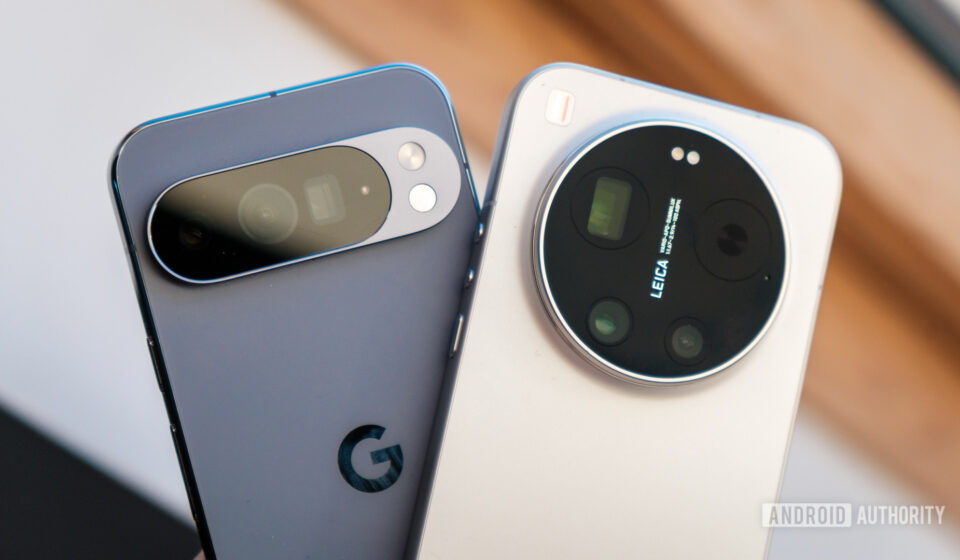
The Shifting Landscape of Smartphone Photography: Hardware Innovation Challenges Google’s AI Dominance

Google’s Pixel line, once lauded as the vanguard of mobile photography thanks to its pioneering computational imaging, is facing an increasingly formidable challenge from manufacturers championing advanced hardware. While the Pixel 6 Pro marked a significant moment for Google’s ecosystem, showcasing the power of software-driven image enhancement, recent developments, particularly with devices like the Xiaomi 17 Ultra, suggest a potential recalibration of what defines a "top-tier" smartphone camera. This shift highlights a growing divergence in photographic philosophy between software-first approaches and those prioritizing sophisticated optical and sensor technology.
The Genesis of Computational Photography: Google’s Early Dominance
For years, Google established its reputation by achieving extraordinary photographic results from relatively modest camera hardware. The original Pixel, launched in 2016, revolutionized smartphone photography with its HDR+ technology, which combined multiple exposures to produce images with exceptional dynamic range, even in challenging lighting conditions. This was followed by innovations like Night Sight, which transformed low-light photography, and Portrait Mode, which used software to create convincing bokeh effects without a dedicated depth sensor. This era solidified Google’s position as a leader, demonstrating that intelligent algorithms could overcome many physical limitations of small smartphone sensors.
The Pixel 10 series, continuing this legacy, still leans heavily on computational photography as a core selling point. Its ability to deliver reliable, aesthetically pleasing point-and-shoot results is undeniable, often producing vibrant, well-exposed images with realistic colors. For the average user sharing photos on social media, the Pixel’s output remains highly satisfactory. However, as the technological arms race in smartphone cameras intensifies, particularly with the advent of larger sensors, variable apertures, and advanced periscope telephoto lenses from competitors, questions are emerging regarding the long-term viability of a purely software-centric strategy.
The Rise of Hardware-Centric Rivals: Xiaomi’s Aggressive Stance
In stark contrast to Google’s software-first approach, manufacturers like Xiaomi have aggressively pursued hardware innovation, often integrating larger sensors, more complex lens arrays, and advanced optical stabilization systems. The Xiaomi 17 Ultra exemplifies this strategy, showcasing a physically larger camera package designed to capture more light and detail directly through superior optics. This philosophical divide is becoming increasingly apparent in real-world performance, especially when scrutinizing images beyond a phone screen.
Upon closer inspection, particularly when "pixel-peeping" or preparing images for large-format printing, the limitations of heavy computational processing can manifest as undesirable artifacts. Users often report grainy shadows, a "mottled" appearance in low-light details where aggressive noise reduction has smeared textures, and an overly sharpened look in portraits that can flatten natural skin tones. While these characteristics might be acceptable for quick social media posts, they fall short of the expectations for a premium device priced at $1,000 or more, particularly for users prioritizing high-fidelity image capture.
Head-to-Head: Pixel 10 Pro XL vs. Xiaomi 17 Ultra in Key Photographic Arenas
A direct comparison between the Google Pixel 10 Pro XL and the Xiaomi 17 Ultra reveals specific areas where hardware advantages begin to overshadow software prowess:
-
General Photography: Both devices deliver strong performance in well-lit, general-purpose scenarios, offering excellent dynamic range and largely accurate color reproduction. The Pixel often maintains a slight edge in consistency, with Xiaomi’s color science occasionally exhibiting tendencies towards oversaturation or slight underexposure in specific conditions. However, this consistency often comes at the cost of raw detail.
-
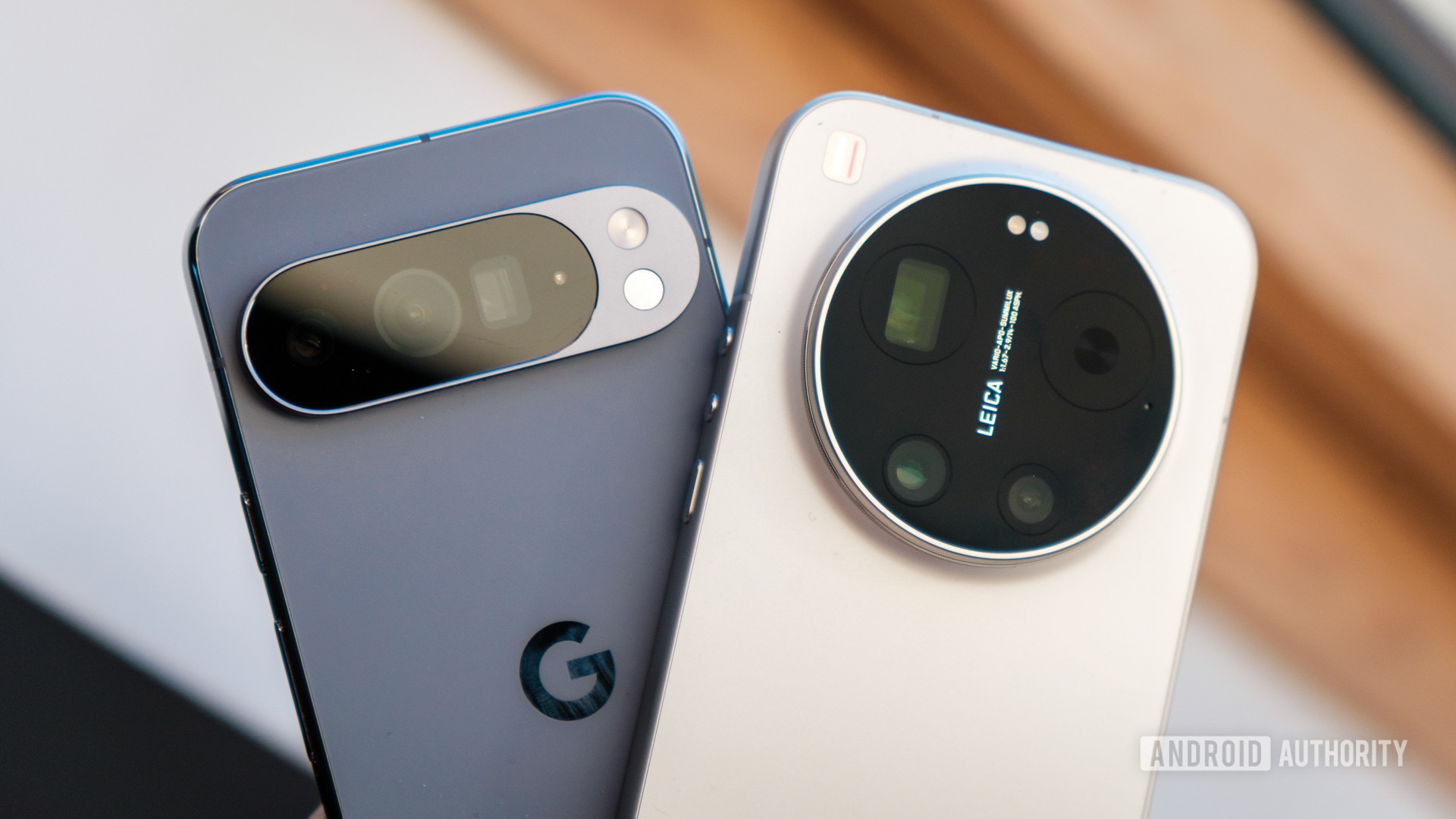
Low Light Performance and Detail Preservation: This is a critical battleground. While the Pixel’s Night Mode has historically been groundbreaking, its reliance on computational stacking can lead to a processed look. In extreme low-light scenarios combined with moderate zoom, the Pixel 10 Pro XL, despite its advanced Night Mode, can struggle with significant noise and smudged or missing details when images are magnified. The Xiaomi 17 Ultra, leveraging a substantially larger sensor (hypothetically a 1-inch type sensor with advanced pixel-binning technology, a trend seen in recent Xiaomi flagships) and sophisticated multi-frame processing, delivers a superior level of detail preservation. While Xiaomi’s output might sometimes exhibit subtle artificiality due to its own processing, the underlying detail captured by its larger sensor offers a more robust foundation, making its images more resilient to cropping and enlargement.
-
Portrait Photography: Portraiture has long been a point of contention for Pixel users seeking natural results. Despite Google’s "Pure Tone" initiatives, portraits can often appear overly sharp in facial textures at full frame, while simultaneously losing finer details upon closer inspection. The synthetic bokeh generated by software, while improved over generations, still struggles to replicate the organic fall-off and nuanced depth of field produced by a physically larger lens aperture. The Xiaomi 17 Ultra, featuring a dedicated telephoto lens (e.g., a 75mm equivalent with a wider aperture like f/1.8 or f/2.0), can generate significantly more natural and aesthetically pleasing background blur. Its hardware-driven approach often results in superior detail retention for subjects while producing a more authentic and flattering separation from the background, rivaling the quality typically associated with mirrorless cameras.
-
Zoom Capabilities: Google’s recent strategy for extended zoom, exemplified by features like "Pro Res Zoom" in the Pixel 10 Pro, heavily relies on AI diffusion upscaling to reconstruct details at 30x magnification and beyond. This approach can yield impressive results on certain textures but struggles with others, often producing a painting-like effect. Xiaomi, in contrast, has embraced a multi-focal length periscope zoom system, potentially combining a 200MP sensor with a variable focal length lens (e.g., 75mm-100mm optical zoom range). This hardware-first design provides a distinct optical advantage at 3x magnification. While the playing field might level somewhat around 5x and 10x due to Google’s sophisticated AI, Xiaomi often maintains a slight edge at longer distances. Its larger sensor, even with digital cropping, ensures that its long-range efforts, though not flawless, often appear more organically detailed than Google’s AI-upscaled equivalents in daylight conditions.
-
Macro Photography: The versatility of a sophisticated optical system extends to macro photography. The Xiaomi 17 Ultra’s novel lens designs can achieve reasonably close focusing distances, creating natural depth and bokeh in macro shots without requiring the user to physically get extremely close to the subject. The Pixel 10 Pro XL’s 5x telephoto camera typically cannot focus at such short distances, forcing users to rely on digital upscaling or the ultrawide camera. The ultrawide camera, while offering macro capabilities, often introduces perspective distortion and lacks the natural depth of field that a longer focal length lens provides, further highlighting the Pixel’s hardware limitations in specialized photographic scenarios.
Industry Complacency and the Broader Market Impact
The issue extends beyond Google. The broader flagship smartphone market, including giants like Apple and Samsung, has also been criticized for a perceived complacency in camera hardware innovation over recent years. Both the iPhone and Galaxy lines have, for a period, offered largely incremental photographic upgrades, relying more on refining existing software and imaging pipelines than on introducing revolutionary sensor or optical advancements.
While there are indications of change – Samsung is rumored to finally upgrade the Galaxy S27 Ultra’s main camera sensor, and Apple’s iPhone 18 Pro might feature a variable-aperture design – these improvements are often seen as playing catch-up rather than leading the charge. A variable aperture, while beneficial for creative control and stylistic capture, may not fundamentally elevate raw image quality to the extent that a significantly larger sensor or a more complex optical zoom system can.
Implications for Consumers and the Future of Mobile Photography
This evolving landscape presents a crucial choice for consumers. For the vast majority who seek a reliable, consistent, and aesthetically pleasing point-and-shoot experience for casual photos and social media, the Google Pixel 10 or Samsung Galaxy S26 remain excellent choices. Their computational strengths in exposure, tone mapping, and night photography, augmented by popular AI-powered editing tools like Magic Editor, provide an accessible and powerful photographic tool.
However, for serious photographers, enthusiasts, or those who demand the absolute pinnacle of mobile image quality and creative flexibility – particularly for large prints, detailed crops, or specialized shots like advanced macro and long-range zoom – the hardware-centric flagships, predominantly from Chinese manufacturers like Xiaomi, are increasingly becoming the more compelling option. These devices offer a closer approximation to lifelike image capture and a wider range of versatile shooting options that software alone cannot fully replicate.
The challenge for Western markets, particularly for US customers, lies in accessibility. Many of these cutting-edge hardware innovations are first, and sometimes exclusively, available in Asian markets, making it difficult for a global audience to experience them. This creates a potential disconnect where the most advanced mobile photography hardware is not readily available to all consumers.
Ultimately, the future of smartphone photography will likely involve a sophisticated synergy of both hardware and software. While computational photography has undeniably democratized high-quality imaging, the physical limits of small sensors and fixed optics are becoming increasingly apparent. As consumers become more discerning and demand greater fidelity and versatility from their mobile cameras, manufacturers will be compelled to invest more heavily in groundbreaking hardware, working in tandem with advanced AI, to truly push the boundaries of what a smartphone can capture. For dedicated photography enthusiasts, the allure of superior optics and larger sensors is a powerful draw, potentially shifting brand loyalties and redefining expectations for flagship devices.