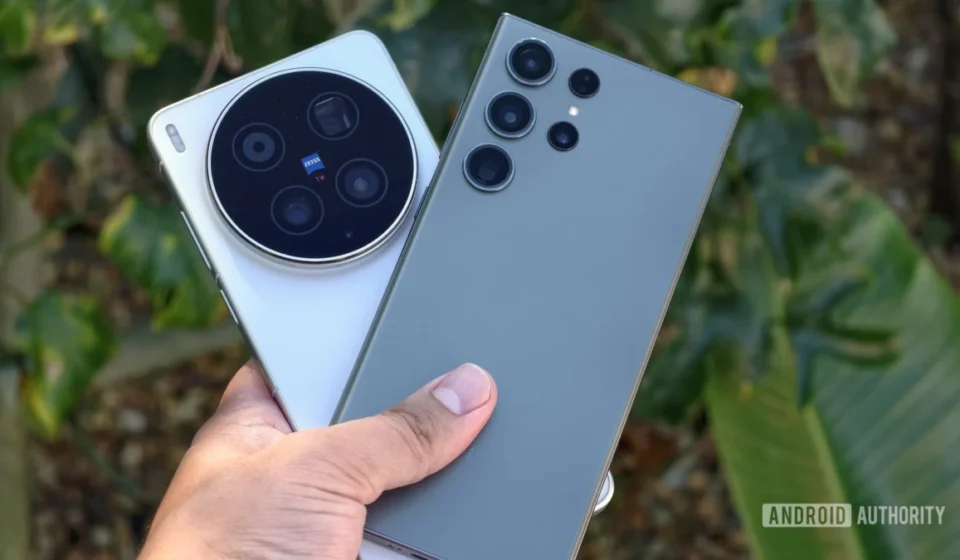
Vivo X300 Ultra and Samsung Galaxy S23 Ultra: A Deep Dive into the Evolution of 200MP Smartphone Cameras

The landscape of smartphone photography has undergone a rapid transformation, with manufacturers continually pushing the boundaries of sensor resolution and image processing capabilities. A pivotal moment arrived in 2023 when Samsung, a perennial innovator in mobile technology, introduced the world to the 200-megapixel (MP) camera with its flagship Galaxy S23 Ultra. This marked a significant leap, offering unprecedented detail capture for a smartphone sensor. While initially met with a blend of excitement and skepticism regarding its practical benefits, the technology quickly proliferated, with various brands adopting 200MP sensors for both primary and telephoto cameras in the subsequent years. However, a crucial evolution has been the sensor size itself, a factor that profoundly impacts light gathering and image quality. This progression is now starkly evident with the recent release of the vivo X300 Ultra, which boasts a significantly larger 200MP main camera. To ascertain how this next-generation hardware performs against its pioneering predecessor, a comprehensive shootout was conducted, pitting the cutting-edge vivo X300 Ultra against the established Samsung Galaxy S23 Ultra in a head-to-head 200MP camera comparison.
The Genesis and Evolution of High-Resolution Mobile Sensors
The race for higher megapixel counts in smartphone cameras has been a defining characteristic of the past decade, driven by both marketing appeal and genuine technological advancements. The introduction of 200MP sensors represented a new frontier, promising an extraordinary level of detail that could theoretically rival dedicated cameras. However, early implementations faced challenges, primarily stemming from the physical constraints of smartphone form factors. Packing 200 million pixels onto a small sensor often meant incredibly tiny individual pixels, which could struggle in low-light conditions and potentially introduce noise.
Samsung’s Galaxy S23 Ultra, launched in February 2023, was at the vanguard of this movement. Its primary camera featured the 200MP Samsung ISOCELL HP2 sensor. At the time, this was a state-of-the-art component, characterized by its substantial 1/1.3-inch optical format. Despite its large overall size for a smartphone, the individual pixels measured a mere 0.6 microns (µm). To mitigate the inherent limitations of such small pixels, especially in challenging lighting, the ISOCELL HP2 leveraged advanced pixel-binning technologies. It could combine 16 adjacent pixels into one larger, more light-sensitive "superpixel" (known as Tetra²pixel binning), effectively producing 12.5MP images with an equivalent pixel size of 2.4µm. Alternatively, it could perform 4-in-1 binning for 50MP images, yielding 1.2µm equivalent pixels. Further enhancements included Super Quad Phase Detection autofocus for rapid and accurate focusing, and dual-slope gain alongside Smart ISO Pro for superior dynamic range performance. This sensor laid the groundwork for high-resolution mobile photography, demonstrating what was possible with sophisticated hardware and computational photography.
Fast forward to 2026, and the vivo X300 Ultra emerges as a testament to the rapid evolution of this technology. Its main camera integrates the Sony LYT-901 sensor, marking Sony’s significant entry into the 200MP arena. What sets the LYT-901 apart is its even larger 1/1.12-inch sensor size, making it noticeably bigger than Samsung’s pioneering 200MP offerings. This increased physical size directly translates to larger individual pixels, measuring 0.7µm. While still relatively small compared to some lower-resolution sensors, this increment over the 0.6µm pixels of previous generations is crucial. Larger pixels inherently capture more light, promising brighter, cleaner photographs with reduced noise and improved sharpness, especially in less-than-ideal lighting. Sony has further equipped the LYT-901 with an array of advanced features, including all-pixel autofocus for comprehensive and quick subject tracking, DCG-HDR (Dual Conversion Gain HDR) technology for enhanced single-frame high dynamic range, and Hybrid-Frame HDR, which combines multiple exposures for superior tonal reproduction. These technological refinements collectively represent a significant stride forward in the capabilities of high-resolution smartphone camera sensors.
Methodology and Initial Setup for the Shootout
For this comparative analysis, a rigorous testing methodology was employed to ensure a fair and insightful evaluation of both devices. The Samsung Galaxy S23 Ultra was primarily operated with its default camera settings, with the exception of enabling the Quick Tap Shutter option for faster capture. This setting is known to slightly reduce processing time, which can be beneficial for capturing fleeting moments. Similarly, the vivo X300 Ultra was largely used with its standard settings, although a deliberate choice was made to switch from its default "Vivid" color profile to the "Authentic" option. This was done to achieve a more realistic and neutral color rendition, minimizing the subjective impact of overly saturated processing and allowing for a clearer assessment of the sensor’s inherent capabilities without heavy software color enhancements.
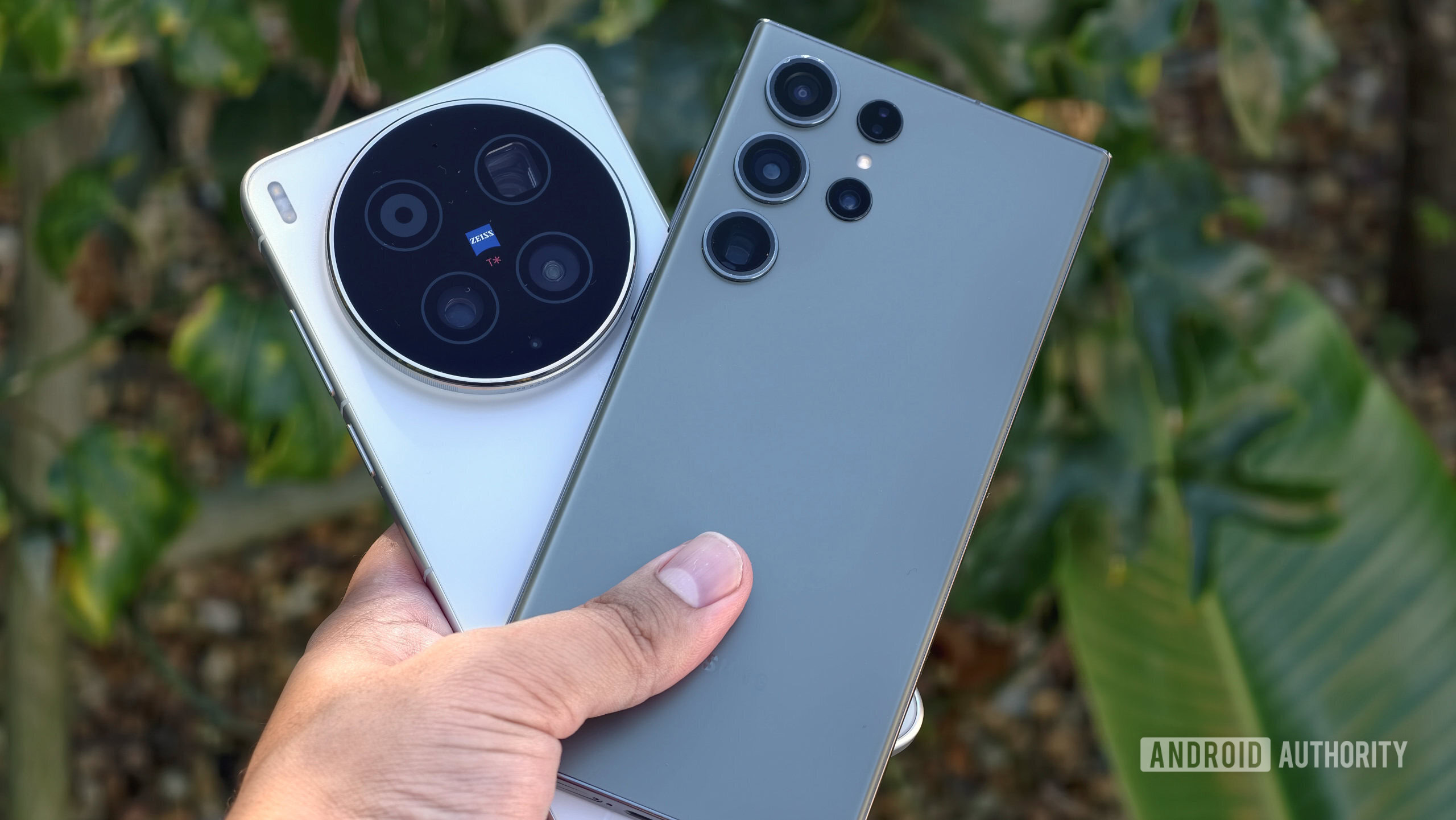
It is also pertinent to note a distinct characteristic of the vivo X300 Ultra’s main camera: its 35mm equivalent focal length. This contrasts with the 24mm focal length commonly found on the vast majority of smartphone primary cameras, including the Galaxy S23 Ultra. The 35mm perspective offers a slightly tighter, more natural field of view, which some photographers find preferable for portraiture and general photography, especially when an ultrawide lens is available for broader scenes. This difference in focal length inherently alters the framing and perspective of shots, a factor to consider when evaluating image composition and how subjects are presented within the frame.
Comparative Performance: Pixel-Binned (12.5MP) Imagery
The initial skepticism surrounding 200MP cameras often centered on whether the full-resolution images offered a tangible benefit over their pixel-binned counterparts. In early generations, there was indeed a significant disparity, with full-resolution shots often lacking the advanced processing (like HDR) applied to the lower-resolution binned images. However, the latest sensors and powerful flagship processors have brought about multi-frame processing capabilities even at high resolutions, aiming to narrow this gap.
In a demanding, backlit scenario, the difference between full-resolution and pixel-binned shots appears to be converging on the vivo X300 Ultra. Both its 200MP and 12.5MP images displayed a similar "washed-out" appearance, attributable to the chosen "Authentic" color profile designed for realism rather than vibrancy. Crucially, however, the lower-resolution 12.5MP shot from the vivo device exhibited subtly lifted shadows and a brighter subject face, suggesting superior HDR processing at this binned resolution. This indicates that even with a realistic color profile, the computational photography intelligently optimizes exposure.
In stark contrast, the Samsung Galaxy S23 Ultra showed a substantial divergence between its 12.5MP and 200MP outputs in the same backlit test. The pixel-binned image showcased an aggressive HDR treatment with highly saturated colors, characteristic of Samsung’s processing philosophy, aiming for immediate visual impact. Conversely, the full-resolution 200MP shot suffered from significant blown-out highlights, particularly in the background and around the subject. More concerning were the grid artifacts visibly present upon close inspection of the Samsung 200MP image, indicating potential processing limitations or sensor readout issues at full resolution under challenging conditions. This highlights a clear advantage for the vivo X300 Ultra, whose 200MP rendition demonstrated better highlight control and an absence of such artifacts, despite its overall more subdued color palette. While neither 12.5MP shot was deemed perfect, both phones commendably managed to expose the subject’s face effectively, a critical aspect of portraiture.
Moving to a more conventional daylight scenario, the standard 12.5MP mode was tested to compare the phones’ pixel-binning prowess. Here, the Samsung phone opted for a more saturated shot, a consistent trait of its image processing. The vivo X300 Ultra, with its "Authentic" profile, delivered a colder, more subdued, yet arguably more realistic, look. A detailed examination, however, revealed a significant qualitative difference: the vivo handset consistently rendered far greater detail with noticeably less smearing compared to the S23 Ultra. While the X300 Ultra’s 35mm focal length might offer a slight advantage in perceived subject isolation due to its narrower field of view, it does not fully account for the substantial gulf in fine detail resolution. This suggests superior optics and/or more refined image processing within the vivo system, possibly leveraging the larger sensor more effectively even in binned modes.
Low-light photography, especially involving moving subjects, represents one of the most challenging scenarios for any smartphone camera. Testing both devices with a moving cat in a dimly lit backyard, with automatic night mode enabled, yielded revealing results. The Samsung Galaxy S23 Ultra visibly struggled, rendering the cat’s fur as a noisy, smeared texture, indicating difficulties in both light capture and motion handling. The vivo X300 Ultra, however, performed markedly better, capturing significantly more detail in the fur and demonstrating good subject separation, likely aided by its larger sensor and the slightly tighter 35mm focal length, which can naturally create a shallower depth of field and better subject isolation.
Further evaluating low-light performance, automatic night mode processing was disabled for an early morning scene of flowers. This provided insight into the raw light-gathering and autofocus capabilities without heavy computational overlays. While neither phone achieved truly pin-sharp results, the Samsung photo displayed considerable splotchiness upon close inspection. The vivo X300 Ultra, in contrast, delivered a cleaner, slightly brighter image. Crucially, the X300 Ultra also exhibited a shallower depth of field, helping the flowers stand out more prominently against the background, a direct benefit of its larger sensor size which naturally produces a more pleasing bokeh.
Comparative Performance: Full-Resolution (200MP) Imagery
The true test of a 200MP sensor lies in its ability to deliver exceptional detail at full resolution. When capturing a wide landscape scene, such as the Camps Bay beachfront in Cape Town, both phones undeniably provided a wealth of detail, offering ample headroom for significant cropping without immediate pixelation. However, a meticulous examination of the full-resolution files revealed the vivo X300 Ultra’s superior ability to render fine details, particularly noticeable in human subjects. People in the Samsung Galaxy S23 Ultra’s 200MP shot appeared splotchy with evidence of color banding, indicating less refined processing or sensor limitations at this extreme resolution.
The vivo device also demonstrated greater definition and clarity in rendering scenery and architectural elements. Observing the white houses at the foot of the mountain and the small building on the beach in the full scene, the X300 Ultra maintained better structural integrity and texture. While some minor fringing was present in the scene, particularly around bright elements like white buildings in the late afternoon light, and an element of excessive sharpening was observed in certain areas (e.g., building roofs), the overall detail and fidelity from the vivo sensor were clearly superior. This suggests a more balanced approach to detail extraction and noise management.
Conventional wisdom traditionally advises against shooting in full-resolution 200MP mode in low-light conditions, favoring pixel-binned modes for their enhanced light sensitivity and noise reduction. However, to assess the progress of these sensors, several full-resolution night shots were captured. In a dimly lit room featuring a gaming shelf, the 200MP crops revealed the vivo X300 Ultra delivering a cleaner, less washed-out rendition. Text on game boxes was notably sharper and more legible in the X300 Ultra image, though some characters exhibited an overly sharp, almost "janky" appearance due to aggressive AI-assisted processing.
An excursion to a local indoor market after dark provided another challenging full-resolution test. The Samsung Galaxy S23 Ultra’s wider perspective and the vivo X300 Ultra’s "Authentic" color profile contributed to discernible differences in exposure and white balance. The S23 Ultra tended to lift shadows and produce a warmer scene, while the vivo shot was comparatively duller. Neither phone perfectly replicated the "Mojo Bar" lighting; the vivo’s rendition was subdued, and Samsung’s showed notable fringing around light sources. Yet, upon closer inspection, the X300 Ultra again showcased superior resolvable detail. Text on bottles and beer taps was significantly more legible in the vivo shot, and the X300 Ultra, aided by its ZEISS lens coatings, effectively managed light sources, minimizing flare and aberrations. These coatings are crucial for maintaining optical clarity in complex lighting scenarios.
For those interested in a deeper, pixel-level analysis, all full-resolution photographs from this shootout are available for direct viewing and download via our Google Drive folder, allowing for independent scrutiny of the discussed details.

The Maturation of 200MP Camera Technology
For a considerable period, the utility of 200MP cameras, particularly for applications beyond extreme cropping or digital zoom, was a subject of debate among industry experts and consumers alike. Early iterations were capable of capturing impressive detail at full resolution, but this advantage was often undermined by slow processing times, the inherent limitations of tiny individual pixels struggling with light capture, and rudimentary image processing pipelines that couldn’t keep up with the sensor’s raw data output. While these first-generation sensors could produce commendable pixel-binned photos in most conditions, the gains over lower-resolution 50MP cameras with similarly large sensors were often marginal, leading to questions about the practical value of such high megapixel counts.
However, the comprehensive comparison between the inaugural 200MP cameras, exemplified by the Samsung Galaxy S23 Ultra, and the latest hardware, represented by the vivo X300 Ultra, unequivocally demonstrates that these high-resolution sensors are now truly beginning to fulfill their initial promise. The advancements are profound: detail rendition is significantly improved across the board, dynamic range performance is more robust, and low-light capabilities have seen a dramatic uplift. These enhancements collectively make high-resolution photography far more viable and practical for everyday use. The industry’s trajectory suggests a clear movement towards integrating cutting-edge 200MP sensors like the Sony LYT-901 into more flagship devices. There is a palpable anticipation for Samsung, a leader in sensor technology, to adopt a similarly large 200MP camera in its future offerings, further elevating the standard.
Indeed, 200MP photography has become much more versatile on recent phones. Beyond raw sensor improvements, other critical factors contribute to this maturation, including the exponential increase in processing power from modern mobile chipsets and