User Audit of AI Subscriptions Uncovers $50 Monthly Savings, Highlights Evolving Value Proposition of Premium AI Tools

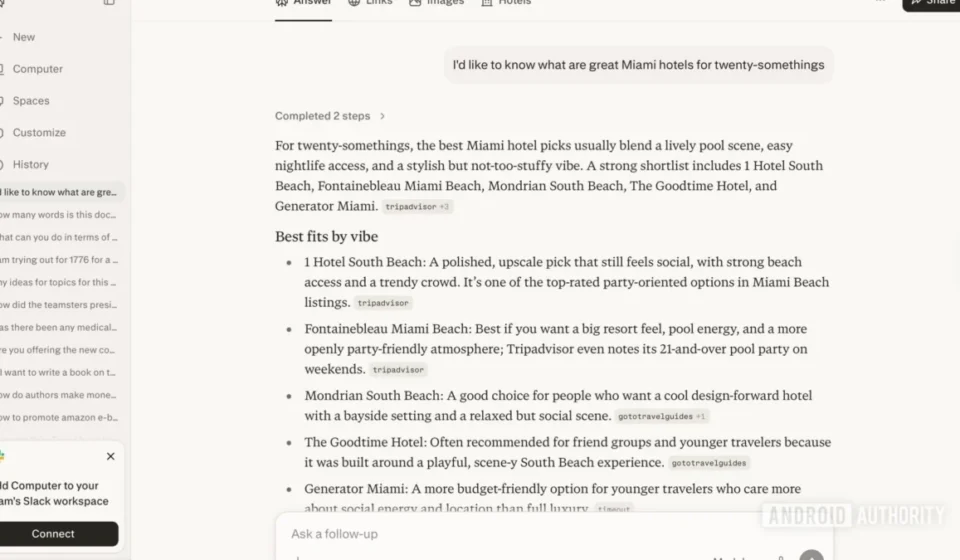
In a move reflecting a growing trend among digital consumers and professionals, a recent personal finance audit of Artificial Intelligence (AI) subscriptions led to the cancellation of three premium services—Adobe Firefly, ChatGPT Plus, and Perplexity Pro—resulting in an approximate monthly saving of $50. This strategic streamlining exercise underscores the increasing power and accessibility of free AI alternatives, compelling users to critically evaluate the true utility and cost-effectiveness of their paid digital tools. The decision was not a blanket rejection of AI, but rather a focused re-evaluation of which services genuinely delivered indispensable value for specific professional tasks, ultimately retaining Claude Pro as the sole paid AI subscription. This case offers a valuable microcosm of the broader shifts occurring within the burgeoning AI subscription economy, where initial enthusiasm is giving way to a more discerning approach to digital expenditure.
The landscape of AI tools has exploded in recent years, offering an unprecedented array of capabilities from image generation and advanced conversational agents to sophisticated research assistants. This rapid proliferation, coupled with aggressive marketing and the allure of cutting-edge technology, has led many early adopters to accumulate multiple AI subscriptions. The phenomenon, often dubbed "subscription fatigue," extends beyond entertainment streaming services to productivity and creative software, with AI tools now adding a significant layer to monthly expenditures. Each of the canceled services, on paper, offered distinct advantages. Adobe Firefly positioned itself on the promise of commercially safe, licensed content generation, a critical factor for professional artists and marketers. ChatGPT Plus provided access to OpenAI’s most advanced models, like GPT-4o, with fewer restrictions and faster response times, appealing to power users. Perplexity Pro aimed to revolutionize research with AI-powered summaries and verifiable sources, a seemingly indispensable tool for writers and researchers. However, the practical reality of daily usage often diverged from these initial perceived benefits, prompting the deep dive into their actual contribution to workflow and productivity.
The Rise of AI Subscription Bloat and the Need for Audits
The rapid advancement in AI technology has made powerful tools more accessible than ever, but this accessibility has also created a new form of digital clutter. Many users, eager to leverage the latest innovations, subscribed to multiple platforms without a clear long-term strategy. The average cost of a premium AI subscription typically ranges from $15 to $30 per month, meaning that a handful of these services can quickly accumulate into a substantial recurring expense. For many, the initial investment was justified by the novelty and potential efficiency gains. However, as the market matures and free tiers become increasingly robust, the unique selling propositions of paid versions are being scrutinized more closely. The personal audit conducted highlights a crucial lesson for individuals and businesses alike: regular evaluation of digital subscriptions is essential to prevent unnecessary spending and ensure alignment with actual operational needs. This introspective process reveals that the perceived value of a service might not always translate into tangible, frequent use.
Adobe Firefly: Commercial Safety Versus Creative Flexibility
The first subscription to undergo scrutiny was Adobe Firefly, a service lauded for its commitment to training data sourced from licensed content, theoretically offering users peace of mind regarding intellectual property (IP) rights for commercial use. For content creators and professionals whose livelihoods depend on copyright adherence, this feature was a significant draw. However, the practical application in the user’s workflow proved less critical than initially anticipated. While the commercial licensing aspect was a strong theoretical advantage, actual usage for image generation was occasional rather than constant. Furthermore, the output quality, while consistently clean, rarely delivered the "wow" factor that might justify a premium subscription when compared to rapidly evolving free alternatives.
The decision was made to switch to Ideogram, a platform that provides ample free generations and has demonstrated impressive capabilities in both photorealistic and stylized image prompts. For tasks such as creating header images for articles, social media graphics for a travel site, and occasional illustrations, Ideogram’s free tier proved more than sufficient. The quality gap between Firefly and free tools has narrowed considerably, making it challenging for premium services to justify their cost solely on image quality for casual to semi-professional use. The primary miss from Firefly remained the commercial licensing peace of mind, a factor that still holds weight for large enterprises or individuals operating in highly litigious environments. However, for most users, including the one in this audit, the frequency and specific context of image generation did not warrant the continuous expense. This outcome suggests that AI image generators, while powerful, need to offer more than just a safety net to retain broad subscriber bases, especially as competition from free and open-source models intensifies. The verdict was clear: Firefly, despite its unique proposition, did not align with the actual usage patterns, leading to a cancellation with no regrets.

ChatGPT Plus: The Habitual Subscription and the Power of Free GPT-4o
The case of ChatGPT Plus presented a more nuanced challenge. Unlike Firefly, which served a distinct, albeit infrequent, purpose, ChatGPT Plus had become a habitual subscription. Many users gravitated towards the Plus tier for its promise of unlimited, faster access to advanced models like GPT-4, and later GPT-4o, along with priority access during peak times and exclusive features. However, the audit revealed that the majority of the user’s daily interactions with ChatGPT—quick queries, summarizations, drafting assistance, and problem-solving—were well within the capabilities of the free tier.
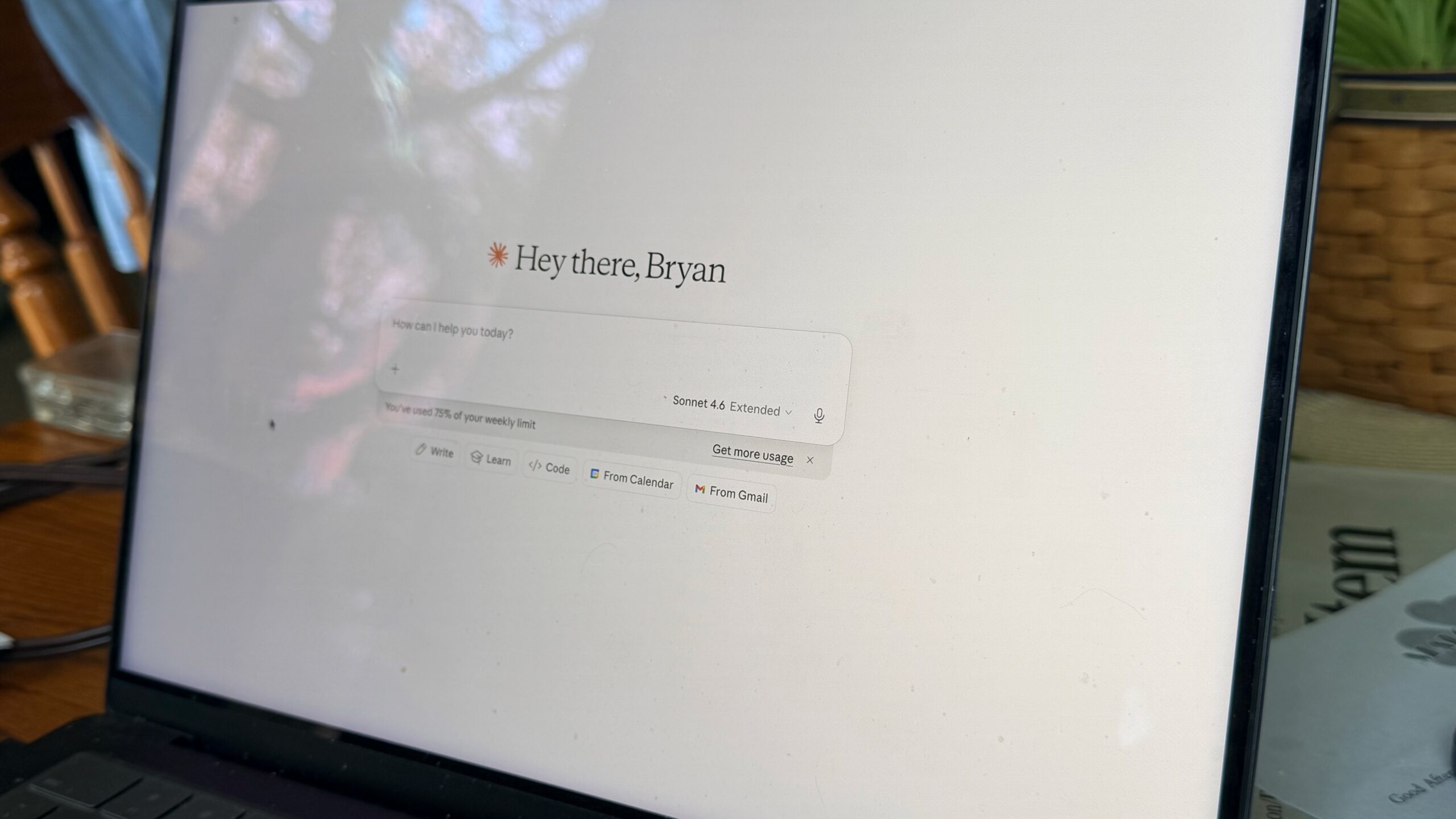
The introduction of GPT-4o access on the free tier, albeit with rate limits, was a significant game-changer. For users who do not consistently hit these rate limits, the value proposition of ChatGPT Plus diminished considerably. The audit’s decision was also influenced by the user’s existing Claude Pro subscription, which already covered many of the advanced conversational AI needs. Essentially, the payment for ChatGPT Plus represented an overlap in functionality, rather than a unique, indispensable service. While the unlimited access to GPT-4o remains a draw for power users who leverage the AI constantly throughout their workday, for a freelance tech writer whose usage, while professional, wasn’t always at peak capacity, the free tier, supplemented by Claude Pro, proved adequate. The cancellation of ChatGPT Plus highlighted the importance of actively re-evaluating subscriptions, especially when new, more powerful free options become available. This scenario reflects OpenAI’s strategic balancing act: democratizing access to advanced AI while still offering a compelling premium tier for enterprise and heavy individual users.
Perplexity Pro: The Search for Value in Advanced Research
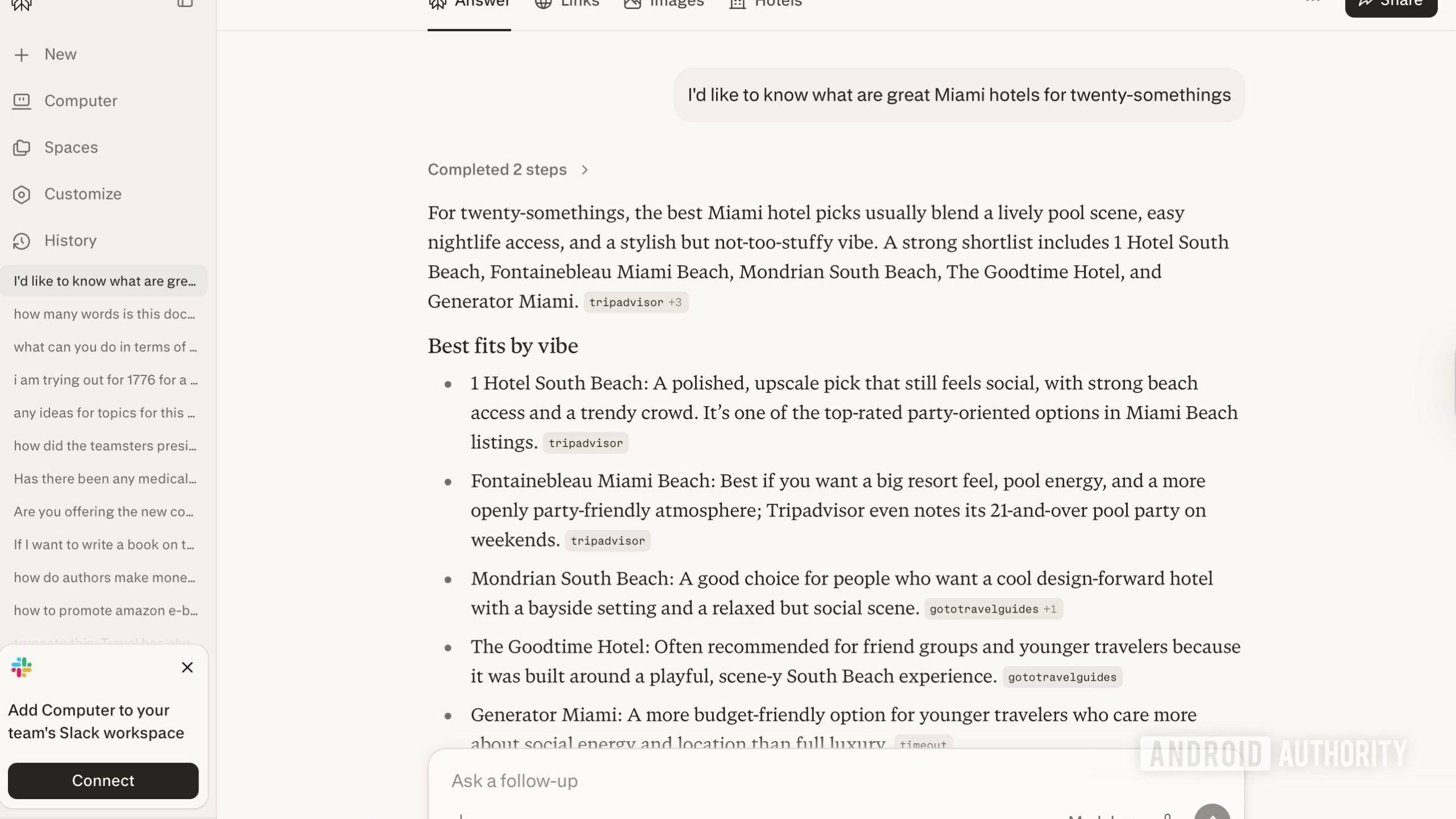
Perplexity Pro was the third AI subscription to be cut, and arguably the most straightforward cancellation. Perplexity positions itself as an "answer engine," aiming to provide direct, synthesized answers to complex questions, complete with verifiable source links. The Pro version offered enhanced AI models and additional features for deeper, more sustained research. However, the audit found that the core functionality—quick research yielding synthesized answers with citations—was exceptionally well-handled by the free tier.
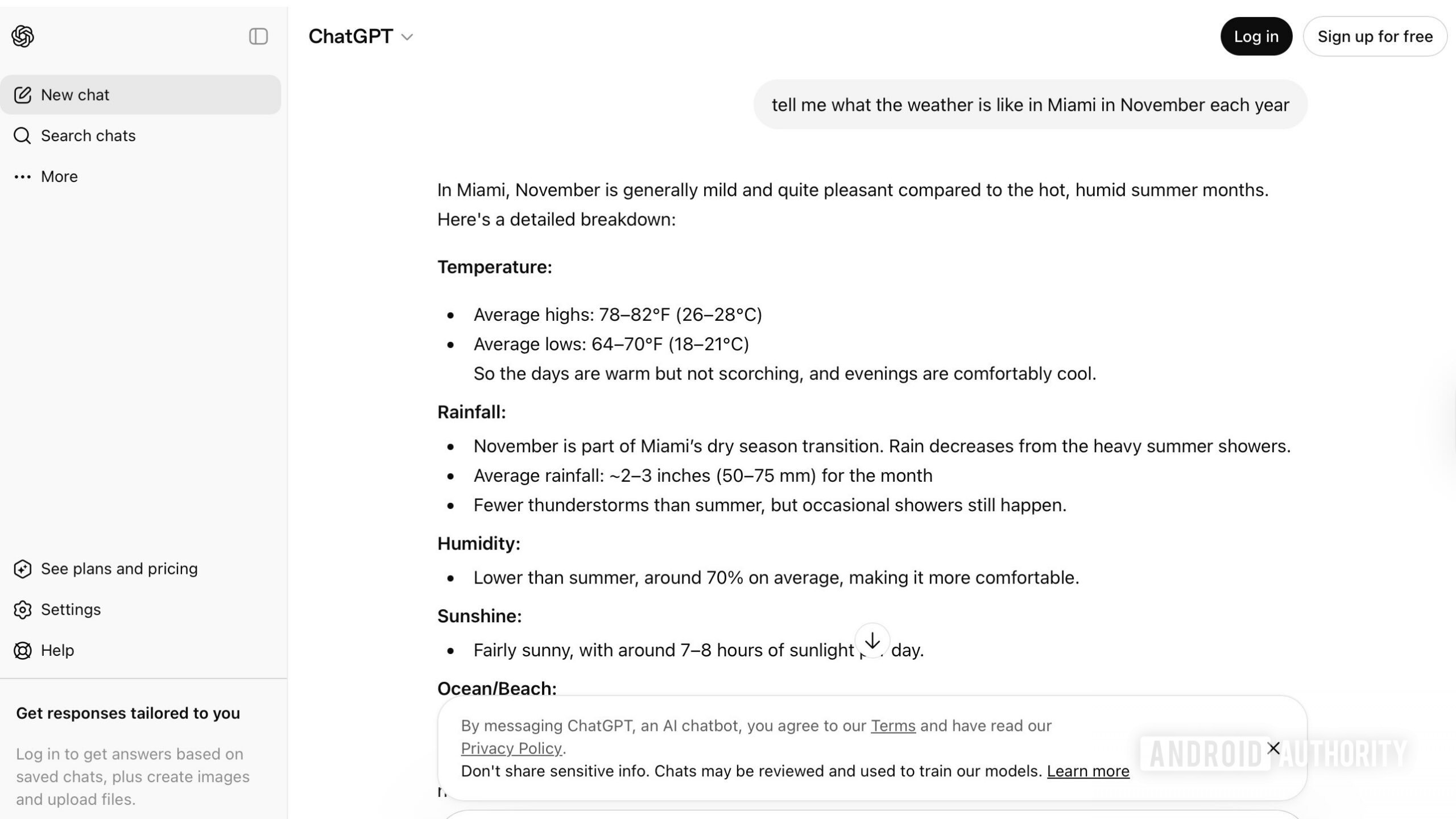
The user rarely, if ever, hit the usage limits of the free version, and the differences in model performance between the free and Pro tiers were not significant enough for their specific research needs. For most casual to moderate research tasks, the free Perplexity proved to be one of the most effective free AI tools available. The Pro upsell, while appealing for its expanded capabilities, only genuinely makes sense for individuals or teams engaged in heavy, continuous, and in-depth research where model nuances and higher query volumes are critical. For the general user seeking quick, reliable information, the free version offers immense value without the recurring cost. The cancellation of Perplexity Pro was a clear example of a premium service failing to provide a sufficiently differentiated experience to justify its price point for the user’s actual usage pattern, leading to a decision devoid of any missed features or drawbacks.
The Indispensable Companion: Claude Pro
Amidst the cancellations, one AI subscription stood firm: Claude Pro. This decision was not a critique of the other services, which are effective tools in their own right, but rather an affirmation of Claude Pro’s unique and indispensable role in the user’s professional ecosystem. For tasks demanding high complexity management over long sessions, such as journalism, B2B client work, coding for a personal site, and the intricate process of writing a novel, Claude Pro consistently delivered.
Unlike the other services, Claude Pro provided specific advantages that could not be replicated by free alternatives or the other paid subscriptions that were discontinued. Its superior context window, nuanced conversational abilities, and robust performance in handling extensive text and complex prompts made it a cornerstone for deep creative and analytical work. The user’s experience mirrored that of other professionals who have found Claude, particularly its Pro version, to be a powerful engine for demanding intellectual tasks. This highlights that while many AI tools overlap in basic functionality, specialized services like Claude Pro can carve out essential niches by excelling in specific areas that cater to advanced professional needs. The retention of Claude Pro underscores a critical lesson: the "right" AI tool is highly individual, contingent on specific professional workflows and the depth of engagement required. It demonstrates that not all AI subscriptions are created equal in terms of their value proposition for every user.
Broader Implications for the AI Industry and Consumers
This personal audit by Bryan Wolfe offers significant insights into the evolving dynamics of the AI subscription market. For AI developers and companies, the takeaway is clear: the era of relying on novelty or slight performance advantages to justify premium pricing is rapidly waning. As free tiers of powerful AI models (like GPT-4o) become widely available and increasingly capable, premium services must articulate and deliver genuinely unique, indispensable value propositions. This could involve offering highly specialized functionalities, superior integration with professional workflows, robust data privacy guarantees, or truly unlimited, unthrottled access to cutting-edge models. The market is shifting from an initial phase of experimentation and accumulation to one of consolidation and critical evaluation.
For consumers, this audit serves as a potent reminder of the importance of financial mindfulness in the digital age. The ease of subscribing to online services can lead to an accumulation of recurring charges that go largely unnoticed until a conscious effort is made to review them. This "subscription fatigue" is not just about cost; it’s about optimizing digital tools to enhance, rather than complicate, workflows. The exercise encourages individuals and businesses to regularly ask: "Am I actually using this to its full potential, and is the value I derive worth the recurring cost?" This question pushes beyond the initial excitement of a new tool to a more pragmatic assessment of its long-term utility.
The broader economic implication is a potential recalibration of spending patterns within the AI sector. Instead of subscribing to multiple generic AI assistants, users may consolidate their spending into one or two highly specialized tools that perfectly align with their core professional needs, much like the decision to retain Claude Pro. This could foster greater competition among AI providers to differentiate their premium offerings more effectively and compel them to innovate beyond basic functionalities.
The Overarching Lesson: Actual Usage Trumps Perception
The most profound lesson from this exercise extends beyond the specific AI tools themselves; it is a fundamental principle of financial and operational efficiency. The audit revealed a significant disparity between the perceived value or habitual use of a service and its actual contribution to productivity and workflow. Subscribing to Adobe Firefly for a theoretical commercial licensing advantage, maintaining ChatGPT Plus out of sheer habit, or trying Perplexity Pro for its appealing feature list without consistent, high-volume use are common pitfalls in the digital economy. These justifications, while understandable initially, rarely withstand a rigorous, fact-based evaluation of actual usage.
This critical self-assessment is not unique to AI subscriptions but applies to all recurring digital expenses. In an age where digital services are ubiquitous, it becomes increasingly important to regularly open one’s credit card statements and confront the simple yet powerful question: "Am I using this enough to justify the cost?" The emphasis is on actual usage, not potential utility or sentimental attachment. The outcome of such an audit can be surprising, often revealing opportunities for significant savings and a more streamlined, purposeful digital toolkit. Ultimately, this reflective practice empowers consumers to make more informed decisions, fostering a healthier relationship with their digital expenditures and ensuring that every dollar spent genuinely contributes to their goals.