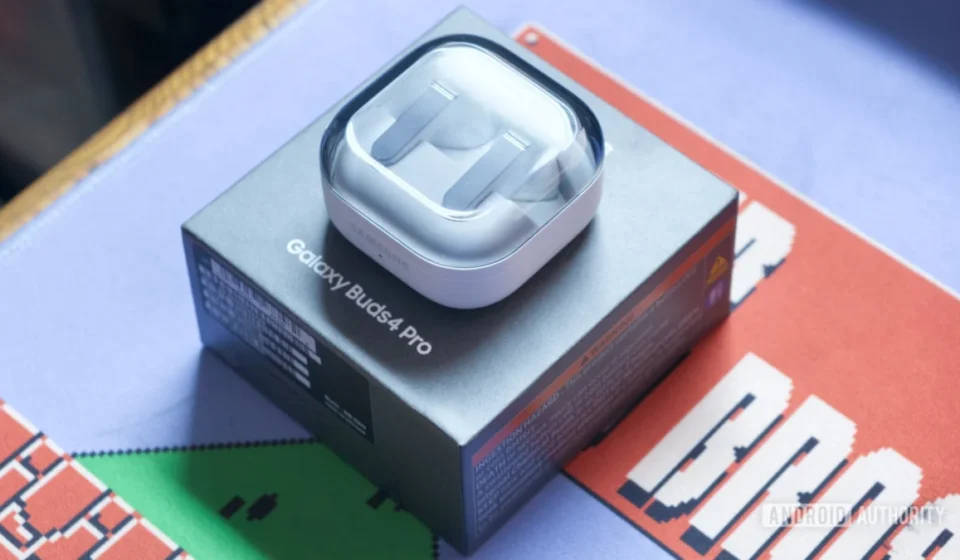
Samsung Introduces Whimsical Food Can Cases for Galaxy Buds 4 and Galaxy Buds 4 Pro, Blending Novelty with Personalization in the Wearables Market.

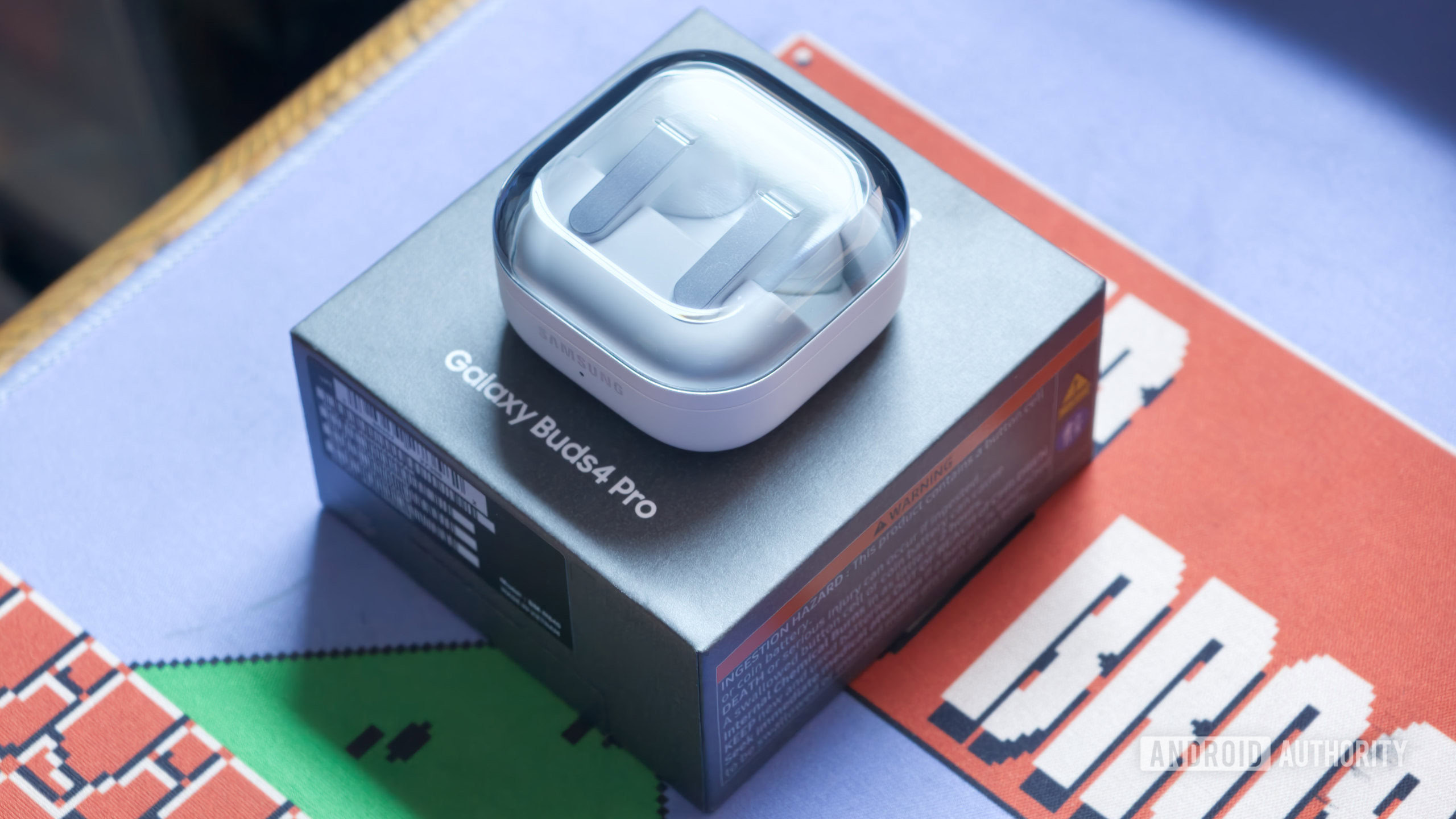
In a distinctive move to merge everyday utility with playful aesthetics, Samsung has recently unveiled a series of food-themed protective cases for its latest true wireless stereo (TWS) earbuds, the Galaxy Buds 4 and Galaxy Buds 4 Pro. These novel accessories, designed to resemble miniature cans of common pantry staples, mark a notable departure from conventional tech accessory design, offering users an unusual yet charming way to personalize their audio devices. The collection currently features three distinct designs: a vibrant "Tomato Soup" can, a classic "Sardines" tin, and a cheerful "Canned Corn" container, each meticulously crafted to evoke the familiar appearance of their culinary inspirations. Priced at $29.99 per unit, these cases are now available for purchase directly from Samsung’s official US online store, catering to owners of both the Galaxy Buds 4 and the premium Galaxy Buds 4 Pro models.
The introduction of these "Food Can Cases" highlights a growing trend within the consumer electronics industry towards greater personalization and expressive design in accessories. While the term "cans" in the tech lexicon traditionally refers to headphones, Samsung has playfully adopted a literal interpretation, transforming the utilitarian earbud charging case into an eye-catching, conversation-starting item. Each case fully commits to its theme, boasting detailed graphics and shaping that accurately mimic small food tins. Furthermore, to enhance the authentic "canned good" experience, every case comes equipped with a decorative can-shaped keyring, allowing users to attach their earbuds to bags, keys, or clothing in a manner reminiscent of carrying a miniature pantry item. This design choice, while purely cosmetic in its primary function, injects a significant dose of personality into a product category often dominated by sleek, minimalist, or purely functional designs.
A Strategic Move in a Competitive Market
The global market for true wireless stereo earbuds has experienced explosive growth over the past few years, transforming from a niche product into a ubiquitous personal audio staple. Valued at billions of dollars annually, this market is intensely competitive, with numerous manufacturers vying for consumer attention through advancements in audio quality, active noise cancellation (ANC), battery life, and smart features. In such a saturated environment, differentiation often extends beyond core technological specifications to encompass design, brand identity, and the ecosystem of compatible accessories.
Samsung, a dominant player in the broader consumer electronics landscape, including smartphones, wearables, and home appliances, has strategically positioned its Galaxy Buds series as a premium offering within the TWS segment. The Galaxy Buds 4 and Galaxy Buds 4 Pro, launched in recent months, represent the pinnacle of Samsung’s audio engineering, featuring advanced sound profiles, enhanced ANC capabilities, seamless integration with the Galaxy ecosystem, and ergonomic designs. However, the decision to launch these food-themed cases suggests a recognition that technological prowess alone may not be sufficient to capture the full spectrum of consumer preferences. Instead, by offering accessories that tap into cultural whimsy and personal expression, Samsung aims to foster deeper engagement and brand loyalty among its user base. This strategy aligns with a broader industry trend where accessories are no longer mere afterthoughts but integral components of the overall product experience and a significant revenue stream.
Design Philosophy and Cultural Resonance
The concept behind the Food Can Cases is rooted in a playful, almost pop-art aesthetic. The choice of common food items like tomato soup, sardines, and corn invokes a sense of nostalgia and everyday familiarity, transforming a high-tech gadget into an approachable, even whimsical, object. This design philosophy echoes movements in art and design, such as Andy Warhol’s iconic "Campbell’s Soup Cans," which elevated mundane consumer products to the status of art. By applying a similar principle to tech accessories, Samsung is not just selling a protective shell; it’s offering a statement piece, a small rebellion against the often-serious and uniform appearance of modern electronics.
The cases themselves are designed as purely cosmetic shells that encase the existing charging case of the Galaxy Buds 4 and Galaxy Buds 4 Pro. They do not offer additional battery life, advanced smart features, or enhanced audio capabilities. Their primary function, beyond minimal physical protection against scratches and minor impacts, is aesthetic transformation. The inclusion of a decorative pull tab further reinforces the illusion of a genuine food can, albeit with the crucial caveat that it is not to be pulled. This attention to detail, while seemingly minor, contributes significantly to the overall charm and distinctiveness of the product, appealing to consumers who appreciate humor and originality in their personal belongings.
The Business of Personalization: Supporting Data and Market Trends
The market for smartphone and earbud accessories is a robust and continuously expanding segment of the consumer electronics industry. Reports indicate that the global mobile accessories market was valued at approximately $250 billion in 2022 and is projected to grow at a compound annual growth rate (CAGR) of over 6% in the coming years, driven largely by increasing smartphone penetration and the growing demand for personalized and protective gear. Within this larger market, earbud accessories, including cases, skins, and straps, constitute a rapidly expanding sub-segment. Consumers are increasingly viewing their tech devices not just as tools but as extensions of their personal style and identity.
This shift in consumer behavior explains why brands are investing in diverse accessory lines. While basic protective cases remain popular, there’s a burgeoning demand for cases that offer unique designs, vibrant colors, and thematic elements. The average price point for premium earbud cases can range from $20 to $50, making Samsung’s $29.99 offering competitive within this segment, especially given its distinctive design. For Samsung, these accessories represent an opportunity for incremental revenue generation while simultaneously enhancing the perceived value and attractiveness of their core earbud products. It allows them to tap into consumer willingness to spend extra to make their devices stand out in a crowd.
Samsung’s History with Unique Accessories
Samsung has a well-documented history of experimenting with unique and sometimes avant-garde accessory designs across its product portfolio. From flip covers with integrated LED displays for its smartphones to collaborative designer cases and limited-edition themes for its wearables, the company has consistently explored ways to enrich the user experience beyond the device itself. For instance, past collaborations with fashion brands or pop culture franchises have yielded highly sought-after accessories that blend technology with style. This precedent demonstrates Samsung’s willingness to embrace unconventional design choices, often leveraging them to appeal to specific demographics or to inject a sense of fun and individuality into its product ecosystem.
The Food Can Cases, therefore, are not an isolated anomaly but rather a continuation of Samsung’s broader strategy to offer a diverse range of accessories that cater to varying tastes and preferences. This approach helps to differentiate Samsung products in a crowded market and builds a stronger emotional connection with consumers who appreciate the blend of innovation and personal expression.
Industry and Consumer Reception
While official statements from Samsung regarding the specific marketing rationale behind these cases have yet to be fully detailed, it can be inferred that the company aims to capitalize on the viral potential and social media engagement such quirky products often generate. Industry analysts are likely to view this move as a clever marketing tactic, tapping into consumer desire for individuality. "This is a smart play by Samsung," remarked one hypothetical market analyst, "In a market where many products look similar, offering something so distinctively fun can create significant buzz and attract a younger, more design-conscious demographic. It’s about selling an experience, not just a product."
Early indications from consumer reactions, particularly across social media platforms and tech forums, suggest a largely positive and enthusiastic response. Users have expressed delight at the whimsical nature of the cases, with many appreciating Samsung’s willingness to step outside the conventional boundaries of tech aesthetics. The playful designs are seen by many as a refreshing change from the often-serious and utilitarian design language prevalent in consumer electronics. This initial positive sentiment indicates that Samsung has successfully tapped into a desire for unique, light-hearted accessories that allow users to express their personality through their tech.
Implications for Brand and Market Dynamics
The introduction of the Food Can Cases carries several implications for Samsung’s brand image and the broader market dynamics of tech accessories. Firstly, it reinforces Samsung’s image as an innovative and dynamic brand, willing to take creative risks. By embracing humor and distinctiveness, the company projects a more approachable and less purely corporate persona. Secondly, it contributes to market differentiation. In a sea of generic silicone or hard-shell cases, these food-themed designs stand out prominently, offering a clear visual identity that competitors would find difficult to replicate without appearing derivative.
Furthermore, these cases could potentially inspire other tech brands to explore similar creative avenues for their accessories. As personalization becomes an increasingly critical factor in consumer purchasing decisions, the industry may witness a surge in imaginative and themed accessories. This could lead to a vibrant accessory market where products are not just functional but also serve as fashion statements, collectibles, or even miniature art pieces. The long-term impact could be a more diverse and exciting ecosystem of tech accessories, pushing the boundaries of what consumers expect from supplemental products.
Looking Ahead: The Future of Tech Fashion
The launch of Samsung’s Food Can Cases for the Galaxy Buds 4 and Galaxy Buds 4 Pro represents more than just a new product offering; it signals an evolving landscape in consumer electronics where personal expression and design ingenuity are gaining parity with technological innovation. As devices become increasingly integrated into our daily lives, their aesthetic appeal and capacity for personalization become paramount. These whimsical cases underscore a growing trend towards "tech fashion," where gadgets are curated and accessorized much like clothing or jewelry.
Moving forward, it is conceivable that brands will continue to explore deeper integrations of art, pop culture, and personal narratives into their accessory lines. This could involve more collaborations with artists, designers, and cultural institutions, leading to a richer tapestry of options for consumers. While the Food Can Cases are purely cosmetic, future iterations of such creative accessories might even incorporate subtle smart features, further blurring the lines between functional tech and expressive art. Samsung’s latest offering is a charming and strategic step in this direction, reminding us that even the most advanced technology can benefit from a touch of playful creativity.