Apple Opens Pre-Orders for a Fleet of New Devices Tomorrow, Including iPhone 17e, M4 iPad Air, and M5 MacBook Lineup

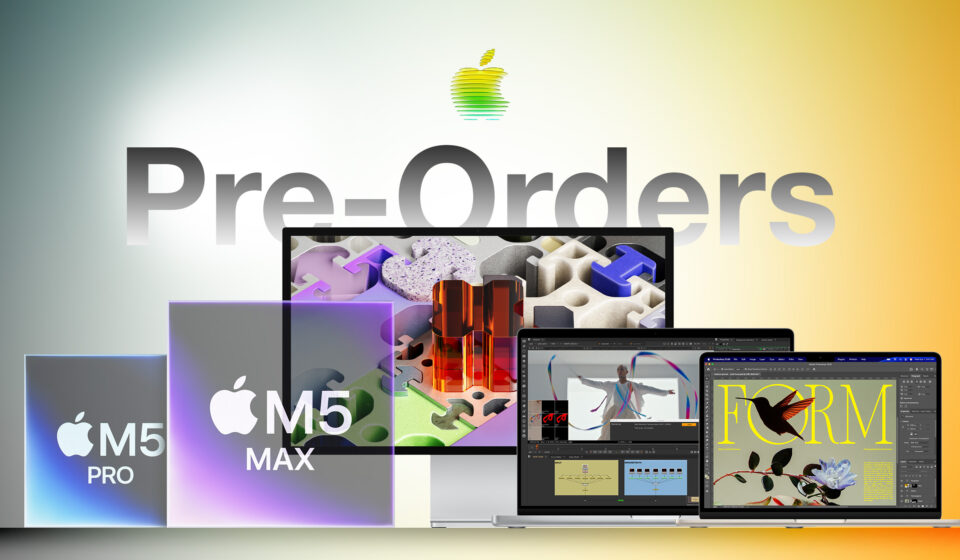
Apple is set to commence pre-orders for an extensive array of its latest hardware tomorrow, March 4, 2026, at precisely 6:15 a.m. Pacific Time. This eagerly anticipated event marks the official availability of several key product updates, including the new iPhone 17e, the M4-equipped iPad Air, and a refreshed MacBook lineup featuring the M5 Max and M5 Pro chips for MacBook Pro models, alongside an M5-powered MacBook Air. The company has also updated its professional display offerings with the Studio Display 2 and Studio Display XDR. While a specific announcement for a rumored lower-cost MacBook, potentially named "MacBook Neo" based on a recent regulatory filing, has not yet been made, it is presumed that pre-orders for this model will also commence tomorrow. The official launch and availability of these newly announced devices are scheduled for Wednesday, March 11, 2026.
Global Pre-Order Times: A Comprehensive Guide
To facilitate a seamless ordering experience for its global customer base, Apple has established a uniform pre-order start time of 6:15 a.m. PST. MacRumors has compiled a list of equivalent times across various major time zones to assist users worldwide. These conversions are crucial for consumers aiming to secure their desired devices as soon as pre-orders go live, given the typically high demand for Apple’s flagship product launches.
- Pacific Standard Time (PST): 6:15 a.m.
- Mountain Standard Time (MST): 7:15 a.m.
- Central Standard Time (CST): 8:15 a.m.
- Eastern Standard Time (EST): 9:15 a.m.
- Greenwich Mean Time (GMT): 2:15 p.m.
- Central European Time (CET): 3:15 p.m.
- Eastern European Time (EET): 4:15 p.m.
- Indian Standard Time (IST): 7:45 p.m.
- China Standard Time (CST): 10:15 p.m.
- Japan Standard Time (JST): 11:15 p.m.
- Australian Eastern Standard Time (AEST): 1:15 a.m. (March 5)
- New Zealand Standard Time (NZST): 3:15 a.m. (March 5)
It is important for prospective buyers to note that this list is not exhaustive. Users in other regions are strongly advised to verify the precise pre-order commencement time in their local time zone through official Apple channels or reliable regional tech news outlets to avoid missing out.
A Glimpse at the New Hardware: Key Features and Specifications
The upcoming wave of Apple products introduces significant advancements in processing power, display technology, and connectivity. The iPhone 17e, a new entrant in the iPhone lineup, appears to build upon the design of its predecessor, the iPhone 16e, while incorporating substantial internal upgrades. According to preliminary information, it will feature Apple’s latest A19 chip, promising enhanced performance and efficiency. A key addition is MagSafe technology, enabling seamless magnetic wireless charging and compatibility with a growing ecosystem of MagSafe accessories. Furthermore, the iPhone 17e is equipped with Apple’s second-generation C1X modem, designed to deliver faster and more reliable 5G connectivity. The base storage has also been doubled to 256GB, addressing a common consumer demand for more on-device storage. In the U.S. market, the iPhone 17e is expected to maintain a competitive starting price of $599, mirroring the launch price of previous models.
The M4 iPad Air represents a significant leap for Apple’s popular tablet line, integrating the powerful M4 chip. This new silicon is anticipated to bring desktop-class performance to a portable form factor, enabling more demanding creative and productivity tasks. While specific details regarding the M4 chip’s architecture are still emerging, Apple’s M-series chips have consistently set industry benchmarks for performance per watt, making this iPad Air a compelling option for professionals and students alike.
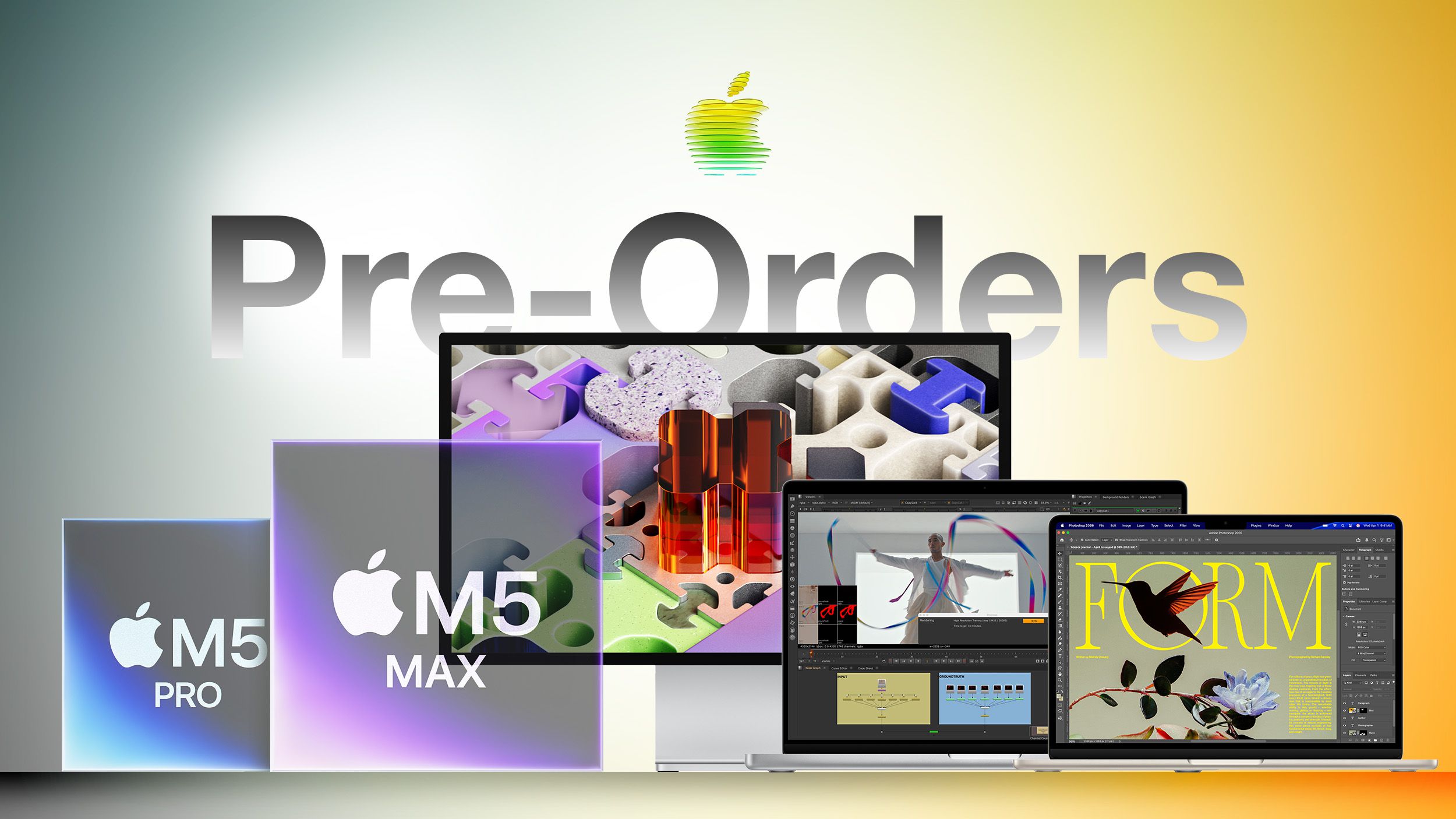
For its MacBook range, Apple is rolling out its next-generation M5 series chips. The M5 Max and M5 Pro chips will power the new MacBook Pro models, offering substantial boosts in CPU and GPU capabilities, as well as enhanced machine learning performance through an updated Neural Engine. These chips are expected to drive significant improvements in areas such as video editing, 3D rendering, and complex software development. The M5 MacBook Air will also benefit from the new chip architecture, promising a blend of performance, battery life, and portability that has defined the MacBook Air for years.
The Studio Display 2 and Studio Display XDR updates suggest refinements in display technology, potentially including enhanced color accuracy, higher brightness levels, and improved refresh rates. These professional-grade monitors are critical tools for creative professionals, and any upgrades are likely to be keenly scrutinized for their impact on workflows.
The "MacBook Neo": A Potential Game-Changer in Affordability
A recent regulatory filing on Apple’s website has inadvertently revealed the potential name of a forthcoming lower-cost MacBook: the "MacBook Neo" (Model A3404). While the document itself is sparse on details and lacks accompanying images, the brief appearance of the name in a linked document suggests Apple may be preparing to introduce a more budget-friendly laptop. This move, if confirmed, would represent a significant strategic shift for Apple, aiming to broaden its market reach into segments currently dominated by more affordable Windows laptops and Chromebooks. The introduction of a "MacBook Neo" could make the Apple ecosystem more accessible to a wider range of consumers, including students and users with less demanding computing needs. The lack of further information means speculation about its specifications, such as processor, display size, and build materials, remains open. However, it is widely anticipated that this device will be officially announced and available for pre-order alongside the other new hardware tomorrow.
Historical Context and Market Positioning
The upcoming pre-order event follows a consistent pattern of Apple’s product release cycles, typically occurring in the spring and fall. This March 2026 launch appears to be a significant mid-cycle refresh, particularly for the Mac lineup, with the introduction of the M5 series chips. The continued integration of Apple’s custom silicon, starting with the M1 chip in late 2020, has been a cornerstone of its strategy, allowing for greater control over performance, power efficiency, and hardware-software integration. This approach has allowed Apple to consistently deliver industry-leading performance while optimizing battery life, a key selling point for its portable devices.
The iPhone 17e’s positioning as a more affordable option within the iPhone family echoes Apple’s past strategies, such as the iPhone SE line. By offering a familiar design with updated core components, Apple can attract a broader customer base without cannibalizing sales of its premium flagship models. The inclusion of MagSafe further enhances its value proposition, providing access to a popular and expanding accessory ecosystem.
Analysis of Implications and Market Impact
The introduction of these new devices is poised to have several significant implications for the consumer electronics market and Apple’s competitive standing.
For Consumers: The expanded range of devices, particularly the potential "MacBook Neo," signifies greater choice and accessibility within the Apple ecosystem. The performance upgrades across the MacBook and iPad lines will empower users with more powerful tools for both professional and personal use. The iPhone 17e’s competitive pricing and MagSafe integration offer a compelling entry point into the latest iPhone technology.
For Competitors: The M5-series chips in the new MacBooks are likely to intensify the performance race in the laptop market, putting pressure on Intel and AMD to further innovate. The "MacBook Neo," if it materializes as a truly budget-friendly option, could challenge the market share of entry-level Windows laptops and Chromebooks, forcing manufacturers in those segments to re-evaluate their pricing and feature sets.
For Apple: This product rollout reinforces Apple’s strategy of vertical integration, leveraging its in-house silicon design capabilities to differentiate its products. The success of these new launches will be critical in maintaining Apple’s strong financial performance and its dominant position in the premium consumer electronics market. The company’s ability to execute a smooth pre-order and launch process will be key to managing customer expectations and demand.
The Road to Launch: A Chronological Overview
- Tuesday, March 3, 2026 (4:02 p.m. PST): Apple announces pre-order start times for its new devices and publishes a global time zone conversion guide. Rumors of a "MacBook Neo" gain traction following a regulatory filing.
- Wednesday, March 4, 2026 (6:15 a.m. PST): Pre-orders for the iPhone 17e, M4 iPad Air, M5 Max/Pro MacBook Pro, M5 MacBook Air, Studio Display 2, and Studio Display XDR, and potentially the "MacBook Neo," officially begin.
- Wednesday, March 11, 2026: The new devices are released and become available for purchase and pickup in stores and for delivery.
This comprehensive product update underscores Apple’s continued commitment to innovation and its strategic efforts to cater to a diverse range of consumer needs and price points. The coming weeks will reveal the market’s reception to these new offerings.