
Warner Bros. has officially confirmed a December 17, 2027, theatrical release for The Lord of the Rings: The Hunt for Gollum, a new cinematic venture into J.R.R. Tolkien’s legendary Middle-earth. This highly anticipated film promises to delve into a less explored corner of the beloved fantasy saga, focusing on the enigmatic and tormented creature, Gollum. The project marks a significant expansion of the Lord of the Rings cinematic universe, building upon the enduring legacy established by Peter Jackson’s acclaimed film adaptations.

The film’s narrative is set to draw from the rich lore found within the footnotes and appendices of Tolkien’s seminal works, offering a story that has never been fully dramatized on screen. This approach signals a commitment to exploring the intricate details of Middle-earth’s history, potentially appealing to both long-time fans and new audiences.
Chronological Placement in Middle-earth’s History
The Hunt for Gollum is strategically positioned within the Lord of the Rings timeline, serving as both a sequel and a prequel. Its narrative arc is set to unfold between the events of The Hobbit trilogy and the commencement of The Fellowship of the Ring. This placement is crucial for understanding the film’s thematic resonance and its contribution to the overarching saga.

For fans planning a comprehensive Middle-earth viewing marathon, the chronological order of the films will be as follows upon The Hunt for Gollum‘s release:
- The Hobbit: An Unexpected Journey (2012)
- The Hobbit: The Desolation of Smaug (2013)
- The Hobbit: The Battle of the Five Armies (2014)
- The Lord of the Rings: The Fellowship of the Ring (2001)
- The Lord of the Rings: The Hunt for Gollum (Expected 2027)
- The Lord of the Rings: The Two Towers (2002)
- The Lord of the Rings: The Return of the King (2003)
This chronological placement underscores the film’s role in bridging the gap between Bilbo Baggins’s adventures and the formation of the Fellowship.

Unraveling the Shadowed Years: The Plot of The Hunt for Gollum
The central premise of The Hunt for Gollum addresses a significant period of mystery within Middle-earth’s lore: Gollum’s activities between the loss of the One Ring to Bilbo Baggins in The Hobbit and his emergence as a lurking menace in the Mines of Moria during The Fellowship of the Ring. This narrative gap offers a unique opportunity to explore the character’s descent and the immediate aftermath of his greatest loss.
The story picks up in the years following Bilbo’s unexpected disappearance from the Shire on his eleventy-first birthday. Gollum, formerly known as Sméagol, is consumed by the agony of losing the One Ring, an artifact he possessed for centuries. Bilbo’s cunning victory in a game of riddles deep within the Misty Mountains has left Gollum utterly bereft, stripping him of his sole source of comfort and power. Driven by this profound loss, he abandons his subterranean lair and embarks on a desperate search for his "Precious."

This desperate quest becomes the focal point of the film. Gollum’s awareness of the Ring’s existence and its new bearer, Bilbo, poses a grave threat. Should Sauron, the Dark Lord, discover that Bilbo possesses the One Ring, he would possess the ultimate key to locating its hiding place in the Shire and subjugating Middle-earth. Gandalf the Grey, acutely aware of this peril, recognizes the urgency of the situation. He tasks Aragorn, then known only as Strider, with the critical mission of finding Gollum before Sauron’s forces can. The film is thus framed as a perilous manhunt across the vast and often treacherous landscapes of Middle-earth, a race against the encroaching darkness of Mordor.
A Resonant Cast: Returning Stars and New Faces
Warner Bros. officially unveiled the full cast for The Lord of the Rings: The Hunt for Gollum at CinemaCon, a presentation that generated considerable excitement among fans. The ensemble features a compelling blend of familiar faces reprising their iconic roles and promising new additions who will flesh out the world of Middle-earth.

Andy Serkis as Gollum/Smeagol
Reprising his groundbreaking performance, Andy Serkis returns as Gollum, the character he has brought to life across five previous Middle-earth films. In a significant dual role, Serkis will also be directing The Hunt for Gollum. Gollum remains one of the most complex and tragic figures in Tolkien’s mythology, a pitiable creature irrevocably split between his former self, the gentle Sméagol, and the corrupted, obsessive being the One Ring transformed him into. Serkis’s deep understanding of the character, honed over years of performance capture and directorial experience, suggests a nuanced and compelling portrayal.
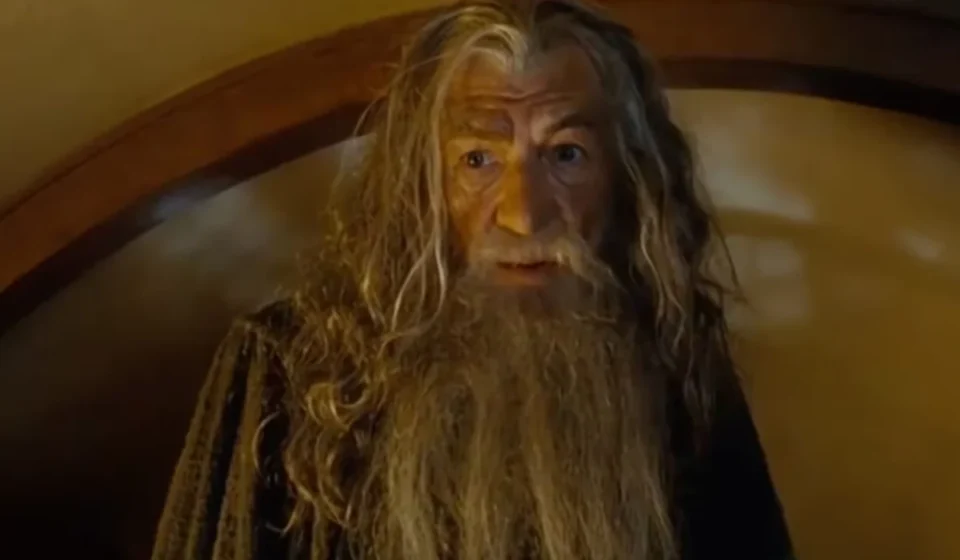
Ian McKellen as Gandalf
The return of Ian McKellen as the wise and powerful wizard Gandalf the Grey is met with widespread acclaim. His portrayal has become synonymous with the character, embodying the very essence of wisdom, guidance, and occasional fiery temper that defines Gandalf. Within the narrative of The Hunt for Gollum, Gandalf is expected to operate primarily from a strategic position, orchestrating Aragorn’s mission rather than engaging in direct combat. This aligns with Tolkien’s depiction of Gandalf during this period, a wizard with a profound understanding of the larger forces at play, often working behind the scenes to steer events toward the greater good.

Elijah Wood as Frodo Baggins
Elijah Wood’s return as Frodo Baggins, the Ringbearer of The Fellowship of the Ring, is perhaps the most intriguing casting choice given the film’s timeline. At this point in Middle-earth’s history, Frodo is still a young hobbit residing in the Shire, blissfully unaware of the immense burden the One Ring will soon place upon him. Wood’s appearance is likely to be a brief but significant one, potentially serving as a visual anchor to the future events of the saga or as a poignant reminder of the Ring’s ultimate destination. The inclusion of Frodo raises questions about how his narrative thread will be woven into the primary hunt for Gollum.
Leo Woodall as Halvard
Adding a new dynamic to the narrative, Leo Woodall, who gained prominence for his role in HBO’s The White Lotus, will portray Halvard. Described as a fellow Dúnedain ranger who joins Strider on his quest, Halvard’s character is poised to expand the exploration of the Dúnedain people, a lineage of Men known for their long lives and connection to ancient lore. His presence suggests that the film will delve deeper into the Ranger community and their role in protecting Middle-earth from unseen threats.

Lee Pace as Thranduil
Lee Pace reprises his role as Thranduil, the Elvenking of Mirkwood, a character he memorably portrayed in The Hobbit trilogy. Thranduil’s inclusion is narratively sound, as Gollum’s wanderings after losing the Ring would have brought him through the territories overseen by the Elvenking. Mirkwood’s forests are a crucial passage, and Thranduil’s elves were responsible for capturing Gollum after Aragorn apprehended him. This positions the Elvenking as a pivotal figure in the unfolding events of the hunt.
Kate Winslet as Marigol
The casting of Academy Award-winning actress Kate Winslet as Marigol introduces a character with potentially deep connections to Gollum’s past. While "Marigold" is a name that appears within Tolkien’s works, particularly among Hobbits, reports suggest Winslet’s character is not directly related to known figures like Samwise Gamgee’s sister or the Marigold from The Rings of Power. Intriguingly, there are strong indications that Marigol may be Gollum’s grandmother. Tolkien briefly referenced Gollum’s grandmother in The Fellowship of the Ring, describing her as a respected elder within her community and a keeper of Elven Rings of Power, though her name was never revealed. If Marigol embodies this figure, The Hunt for Gollum might employ a dual-timeline structure, interweaving past and present to illuminate Sméagol’s origins and the circumstances that led to his corruption. This potential narrative device adds a layer of profound exploration into the character’s tragic backstory.

Jamie Dornan as Strider (Aragorn)
Jamie Dornan, known for his roles in The Fall and the Fifty Shades franchise, takes on the formidable task of portraying a younger Aragorn, known at this stage as Strider. This casting choice has sparked considerable discussion, given the iconic status of Viggo Mortensen’s portrayal of Aragorn in Peter Jackson’s original trilogy. However, Dornan’s ability to convey quiet intensity and ruggedness is well-suited to the character of Strider, a mysterious Dúnedain ranger operating in the shadows, far from his destiny as King of Gondor. At this point in the timeline, Aragorn has not yet revealed his royal heritage, making Dornan’s interpretation of the character’s nascent journey particularly compelling.
The Departure of Viggo Mortensen
The decision not to have Viggo Mortensen reprise his role as Aragorn has been a subject of considerable speculation. While no official statement directly addresses Mortensen’s absence, the actor himself previously commented on the possibility. In 2024, Mortensen indicated that he would only return if he felt the physical and age requirements of the role were met. Aragorn’s character in The Hunt for Gollum is meant to be significantly younger than his depiction in The Fellowship of the Ring. Given Aragorn’s extended lifespan as a Dúnedain, portraying him as meaningfully younger would likely necessitate extensive digital de-aging, a technology that has yielded varied results across the film industry. Recasting the role, therefore, appears to be a pragmatic creative decision to ensure the character’s visual authenticity within the established timeline. The returning actors like Ian McKellen (Gandalf) and Elijah Wood (Frodo) face fewer challenges, as Gandalf’s age is timeless, and Frodo’s role is anticipated to be more limited.

Release and Legacy
The Lord of the Rings: The Hunt for Gollum is scheduled for release on December 17, 2027. Warner Bros. confirmed this date with a thematic announcement: "We’ve been waiting for you, precious." This strategic release date echoes the successful December openings of Peter Jackson’s original trilogy, which premiered in December 2001, 2002, and 2003. Notably, the December 17th release date aligns precisely with the premiere of The Return of the King, the film that concluded the Oscar-winning trilogy 24 years prior. This synchronization suggests a deliberate effort to tap into the nostalgic significance of the date for fans of the saga.
Future Visions: The Shadow of the Past and Beyond
The expansion of the Lord of the Rings cinematic universe extends beyond The Hunt for Gollum. A subsequent film, tentatively titled The Lord of the Rings: Shadow of the Past, is already in development. This project is particularly noteworthy for its creative team, which includes Stephen Colbert, host of The Late Show and a vocal Tolkien enthusiast, co-writing the screenplay alongside Philippa Boyens and Peter McGee. Peter Jackson and Fran Walsh are attached as producers, ensuring a continuity of creative vision.

The Shadow of the Past will draw from Chapters 3 through 8 of The Fellowship of the Ring, a section that was notably omitted from Jackson’s original trilogy. The film will focus on the "Fog on the Barrow-downs" chapter, where the Hobbits encounter a Barrow-wight. Crucially, this film is expected to finally bring the enigmatic character of Tom Bombadil to the screen, a figure long cherished by book readers and lamented by many for his absence in previous adaptations. While a director has not yet been named, the foundational elements for this next chapter in Middle-earth’s cinematic journey are actively being put into place. The strategic development of these new films indicates a long-term commitment by Warner Bros. to explore the vast narrative potential of Tolkien’s world, promising further adventures and character studies for a global audience.