
Xiaomi, a global technology powerhouse renowned for its ability to deliver feature-rich gadgets at remarkably accessible price points, has firmly drawn a line in the sand when it comes to its electric vehicle (EV) strategy. In a clear departure from its consumer electronics ethos, the company’s CEO, Lei Jun, has explicitly ruled out the development and release of electric cars priced below 100,000 Chinese Yuan (approximately $15,000 USD). This decisive stance positions Xiaomi to compete in a more premium segment of the rapidly expanding electric vehicle market, emphasizing advanced technology and sophisticated user experience over sheer affordability.
The declaration was made during a livestream event focused on the company’s SU7 endurance challenge on April 17th. Responding to a direct inquiry from a viewer about potential sub-100,000 Yuan EV models, Lei Jun articulated the inherent challenges in meeting such a price point while delivering on the sophisticated expectations consumers now have for intelligent electric vehicles. He explained that the integration of advanced intelligent features, robust software ecosystems, and overall high-level automotive capability inherently drives up production costs, making it impractical to achieve ultra-low pricing without compromising core functionalities. This statement marks a significant strategic pivot for Xiaomi, especially within the context of China’s highly competitive EV landscape, which is currently characterized by a proliferation of budget-friendly models.

Navigating the Competitive Chinese EV Market
The Chinese electric vehicle market is a dynamic and fiercely contested arena, with numerous domestic and international players vying for market share. The lower-priced segment, in particular, has become a battleground where cost-efficiency and mass production are paramount. Brands like BYD, SAIC-GM-Wuling (with its Hongguang Mini EV), and Nio have all achieved substantial success by targeting different segments of this market, from entry-level urban commuters to more premium offerings. Xiaomi’s decision to steer clear of the sub-100,000 Yuan bracket suggests a deliberate strategy to avoid a race to the bottom, where profit margins can be razor-thin and brand differentiation becomes increasingly difficult.
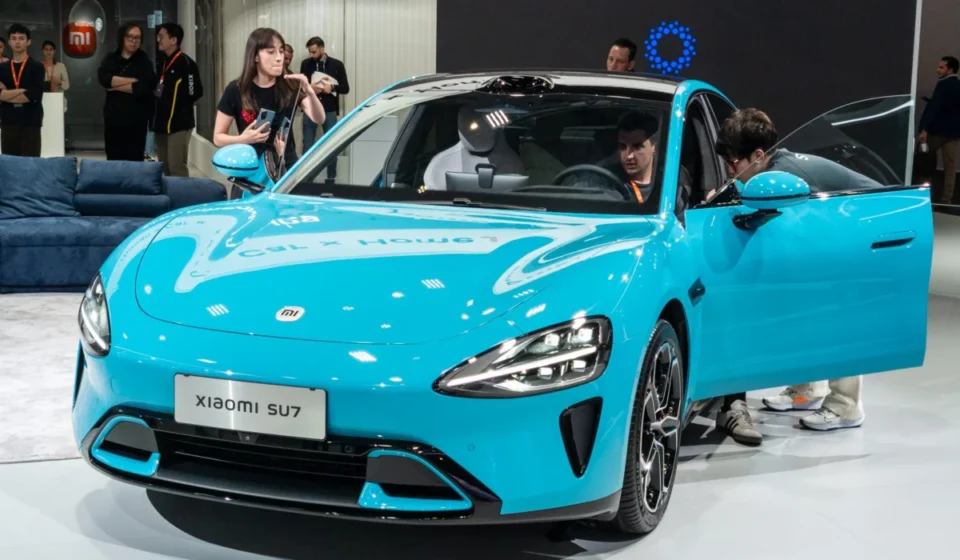
Instead, Xiaomi appears intent on leveraging its technological prowess and brand recognition to carve out a niche in the mid-to-high-end EV market. The company’s current flagship EV, the SU7, exemplifies this approach. Launched with significant fanfare, the SU7 has been positioned as a vehicle that offers a compelling blend of performance, technology, and design. The SU7’s pricing, which starts at 219,900 Yuan and can extend significantly higher for its premium variants, aligns with Lei Jun’s stated strategy. This positioning allows Xiaomi to focus on delivering advanced features such as sophisticated driver-assistance systems, integrated smart cockpit functionalities, and high-quality interior materials, all of which contribute to a more premium user experience and justify a higher price point.
The Cost of Innovation: Material Upgrades and Retail Adjustments
Lei Jun further elaborated on the financial realities of EV development during the livestream, highlighting the significant investment required for cutting-edge automotive technology. He pointed out that the latest iteration of the SU7, the new-generation model, boasts over 100 upgrades compared to its predecessor. The material costs alone for these enhancements reportedly increased by nearly 20,000 Yuan. Despite this substantial rise in production expenses, Xiaomi’s decision to increase the retail price by a comparatively modest 4,000 Yuan underscores a commitment to making the updated model accessible to a broader range of consumers within its target market. This approach demonstrates a willingness to absorb a portion of the increased costs to maintain customer appeal and market competitiveness, rather than passing the full increase onto buyers.

This strategy appears to be paying dividends. The company reported an impressive surge in orders for the new SU7 model, with 15,000 units reportedly sold within a mere 34 minutes of its release. This rapid uptake suggests a strong market appetite for Xiaomi’s premium EV offerings and validates the company’s confidence in its product strategy. The swift sales performance indicates that consumers are willing to invest in vehicles that offer advanced technological features and a premium driving experience, even at higher price points. This early success in the EV market provides a solid foundation for Xiaomi’s future automotive endeavors, reinforcing their commitment to a value proposition that prioritizes advanced technology and user experience over extreme affordability.
A Strategic Departure from Gadget Pricing
Xiaomi’s journey began with a focus on disrupting the smartphone market by offering high-quality devices at aggressive price points, often earning them the moniker of a "cheap gadget" manufacturer. This strategy revolutionized the consumer electronics landscape, making advanced technology accessible to a vast global audience. However, the transition into the automotive industry presents a different set of challenges and opportunities. The complexities of automotive manufacturing, safety regulations, supply chain management, and the integration of advanced software and hardware systems necessitate a different financial model.
The automotive sector demands substantial long-term investment in research and development, manufacturing infrastructure, and distribution networks. Unlike consumer electronics, which often have shorter product cycles and higher unit volumes, vehicles are characterized by longer development timelines, higher per-unit costs, and a more stringent regulatory environment. For Xiaomi, maintaining its characteristic low-margin, high-volume strategy in the automotive space would likely be unsustainable and could compromise the quality and technological sophistication of its vehicles.

By explicitly ruling out ultra-budget EVs, Xiaomi signals its intention to be perceived as a serious contender in the automotive space, not merely an electronics company dabbling in cars. This positioning allows them to attract a customer base that values innovation, performance, and smart features, aligning with the broader trend of increasingly sophisticated and connected vehicles. The company’s ability to innovate and integrate technology seamlessly, as demonstrated in its consumer electronics, can be a significant differentiator in the premium EV segment.
Future Implications and Market Positioning
Xiaomi’s strategic decision to avoid the bargain EV segment has several key implications for its future market positioning and the broader automotive industry.
Firstly, it allows Xiaomi to build a brand image associated with technological leadership and premium quality in the automotive sector. By focusing on higher-priced vehicles, the company can invest more heavily in R&D for advanced features like autonomous driving, sophisticated infotainment systems, and next-generation battery technology. This will enable them to compete directly with established automotive giants and other emerging EV players that are also pushing the boundaries of automotive innovation.

Secondly, this strategy might influence other tech companies considering an entry into the EV market. Xiaomi’s approach could serve as a blueprint, suggesting that a focus on premium features and a more curated market segment might be a more sustainable and profitable path than directly challenging budget-focused manufacturers. This could lead to a more diverse EV market, with different players catering to distinct consumer needs and price sensitivities.
Thirdly, by maintaining a higher price point, Xiaomi can ensure healthier profit margins, which are crucial for reinvesting in future product development and expanding its automotive operations. The profitability derived from these premium vehicles can then be used to further enhance their technological offerings and potentially subsidize other ventures, including their more budget-friendly consumer electronics.
Finally, the success of the SU7, as evidenced by its rapid sales figures, indicates that there is a significant and growing demand for EVs that offer a compelling combination of technology, performance, and design, without necessarily being the cheapest option available. This suggests that consumers are increasingly willing to pay a premium for vehicles that deliver a superior overall experience, a sentiment that Xiaomi is clearly aiming to capitalize on.

In conclusion, Xiaomi’s CEO Lei Jun has clearly articulated a strategic direction for the company’s automotive division: to forgo the highly competitive and low-margin ultra-budget EV market. By focusing on vehicles priced above 100,000 Yuan, Xiaomi aims to leverage its technological expertise to deliver premium electric vehicles that emphasize intelligent features, software integration, and overall capability. This strategic decision reflects a mature understanding of the automotive industry’s economics and a clear vision to establish Xiaomi as a significant player in the premium segment of the global EV market. While the company may still be known for its affordable gadgets, its future in the automotive world is clearly aimed at a higher echelon.