
In a significant move poised to redefine the intersection of traditional note-taking and modern digital collaboration, reMarkable, the Norwegian technology company renowned for its paper tablets, has announced a strategic partnership with Miro, the leading online visual collaboration platform. This collaboration introduces a groundbreaking feature dubbed "Send to Miro," designed to seamlessly transform handwritten notes, sketches, and diagrams created on reMarkable E-Ink tablets into interactive digital content on Miro’s expansive whiteboards. The feature is set to roll out immediately with the reMarkable OS 3.26 update, exclusively for its Connect subscribers, marking a pivotal step in bridging the historical divide between analog ideation and structured digital workflows.
The Genesis of Seamless Integration: Bridging Analog and Digital Workflows
The "Send to Miro" functionality addresses a persistent challenge faced by professionals and creatives alike: the friction inherent in translating spontaneous, freeform ideas captured on paper into a digital format suitable for sharing, refinement, and collaborative development. Traditionally, this process involved manual transcription, scanning, or photographing, often leading to a loss of context, fidelity, or valuable time. reMarkable’s new integration with Miro aims to eradicate this friction, offering an intuitive pathway from the tactile experience of pen on paper to the dynamic environment of an online whiteboard.
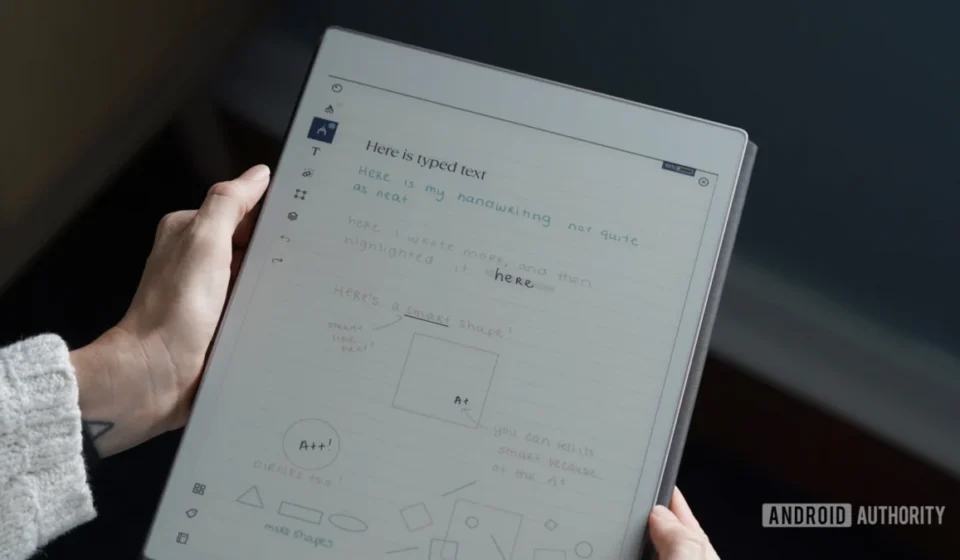
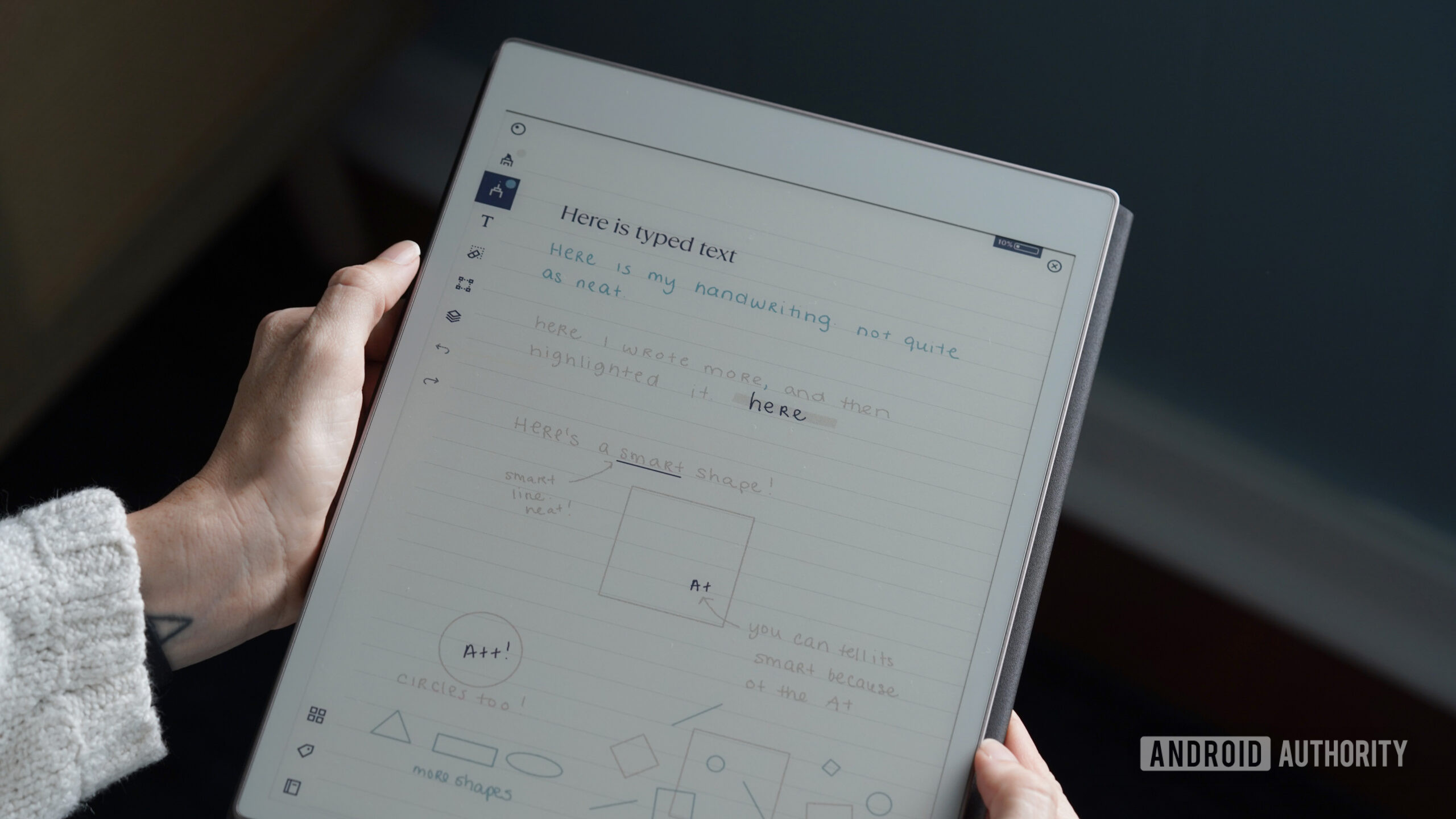
Users can now jot down ideas, brainstorm concepts, sketch diagrams, or outline project plans directly on their reMarkable paper tablet. With a simple tap, these handwritten inputs are intelligently processed and transferred to a designated Miro board. Upon arrival in Miro, these elements are not merely static images but are often converted into editable digital text and shapes, allowing for immediate manipulation and enhancement. This capability empowers users to leverage Miro’s rich toolkit – including shortcuts for creating mind maps, flowcharts, user journey maps, and presentation slides – directly from their initial handwritten thoughts. For instance, a quick sketch of a business model or a mind map developed during a meeting can instantly become the foundation for a collaborative project on a Miro board, ready for team input and iteration. This eliminates the tedious intermediate steps, preserving the natural flow of thought from conception to digital execution.
reMarkable: The Digital Paper Revolution
Since its inception, reMarkable has carved out a unique niche in the crowded tablet market by focusing on a singular, powerful premise: recreating the experience of paper in a digital device, free from the distractions of conventional tablets. Its E-Ink display technology offers a glare-free, paper-like surface that provides unparalleled writing and reading comfort, mimicking the feel and resistance of actual paper. The reMarkable 2, the company’s flagship device, embodies this philosophy with its minimalist design, exceptional battery life, and a dedicated focus on note-taking, reading, and sketching. It targets a demographic that values deep work, focused creativity, and a reduction in digital noise.
The company’s mission extends beyond merely digitizing paper; it seeks to enhance productivity by providing tools that allow users to think, create, and organize without interruptions. Over the years, reMarkable has consistently rolled out software updates that refine the writing experience, improve document management, and introduce features like screen sharing and cloud synchronization. The "Connect" subscription service, introduced in recent years, further solidified reMarkable’s commitment to building a robust ecosystem, offering enhanced cloud storage, unlimited note syncing, and exclusive features. This dedication to continuous improvement and user-centric design has garnered reMarkable a loyal following among students, academics, designers, and professionals seeking a distraction-free digital workspace.
Miro: Powering Visual Collaboration in the Modern Enterprise
On the other side of this partnership is Miro, a company that has rapidly become synonymous with visual collaboration. Miro provides an online whiteboard platform that facilitates brainstorming, strategy planning, project management, and design thinking for teams of all sizes, from startups to Fortune 100 companies. Its intuitive interface, vast template library, and comprehensive suite of tools allow distributed teams to work together in real-time, transcending geographical boundaries. In the era of remote and hybrid work, Miro has emerged as an indispensable tool for maintaining creative synergy and operational efficiency.
The platform supports a myriad of activities, from simple sticky note sessions and diagramming to complex agile workflows and workshop facilitation. Its integration capabilities with popular productivity tools like Jira, Asana, Google Drive, and Microsoft Teams have made it a central hub for collaborative efforts. Miro’s success lies in its ability to replicate the spontaneity and fluidity of a physical whiteboard while adding the limitless potential of digital tools – infinite canvas, version control, digital asset integration, and sophisticated sharing options. The partnership with reMarkable extends Miro’s reach into the initial ideation phase, capturing ideas at their most nascent stage, often before they even hit a keyboard.
A Strategic Alliance: Why This Partnership Matters
The collaboration between reMarkable and Miro is more than just a feature update; it represents a strategic alignment between two companies dedicated to optimizing productivity and creativity. As Phil Hess, CEO of reMarkable, aptly stated, "Inspiration can strike at any moment, but typing up handwritten notes can be a hassle. With Send to Miro, you get all the benefits of pen and paper as part of your digital workflow." This statement encapsulates the core value proposition: preserving the natural, uninhibited flow of thought that comes with pen and paper, while seamlessly integrating it into the structured, collaborative world of digital project execution.
For reMarkable, this partnership significantly enhances the value proposition of its paper tablets, positioning them not just as superior note-taking devices but as integral components within a broader digital workflow ecosystem. It addresses a critical demand from its professional user base for deeper integration with enterprise-grade collaboration tools. For Miro, the "Send to Miro" feature expands its input modalities, offering a unique avenue for users who prefer the tactile experience of handwriting for their initial creative output. It potentially opens up Miro’s platform to a new segment of users who might have previously found the digital interface a barrier to entry for brainstorming.
The timing of this integration is particularly pertinent given the enduring shift towards hybrid and remote work models. Teams are increasingly reliant on digital tools to maintain connectivity and productivity, yet the need for unconstrained ideation remains paramount. This partnership offers a practical solution, allowing individuals to capture ideas privately on their reMarkable device and then seamlessly bring them into a shared digital space for collective development, regardless of their physical location. It democratizes access to visual thinking, allowing every team member to contribute their handwritten insights directly into a collaborative project.
While an official statement from Miro’s leadership regarding this specific partnership wasn’t provided in the initial announcement, it’s reasonable to infer their enthusiasm. Miro’s continuous effort to integrate with diverse tools underscores its commitment to being the central hub for visual collaboration. A representative might highlight how "integrating with reMarkable empowers our users to capture their most organic thoughts and bring them directly into the Miro environment, fostering even greater creativity and efficiency for distributed teams. This partnership reinforces our commitment to supporting every stage of the innovation process, from initial spark to final execution."
The Connect Subscription: Unlocking Advanced Capabilities
A key aspect of this announcement is the exclusivity of the "Send to Miro" feature to reMarkable Connect subscribers. The Connect subscription, which costs a monthly fee, was introduced by reMarkable to provide an enhanced cloud experience and unlock a suite of advanced features. These typically include unlimited cloud storage for notes, seamless synchronization across devices (desktop and mobile apps), handwriting conversion, and integration with popular cloud services like Google Drive and Dropbox.
By making "Send to Miro" a Connect-exclusive feature, reMarkable is strategically reinforcing the value proposition of its subscription service. This decision is likely driven by several factors:
- Monetization of Advanced Features: Like many hardware companies, reMarkable is increasingly looking to software and services to create recurring revenue streams and enhance long-term customer relationships.
- Investment in Development: Features like "Send to Miro," which involve complex integrations and intelligent handwriting-to-text/shape conversion, require significant research and development investment. Tying them to a subscription helps fund these efforts.
- Targeting Power Users: Users who leverage advanced collaboration platforms like Miro are often power users who are more likely to subscribe to services that enhance their professional workflows. This ensures the feature is primarily utilized by those who will derive the most benefit and are willing to invest in a premium experience.
While some users might express disappointment that the feature is not available universally, the Connect subscription model aligns with industry trends where premium software functionalities are bundled with subscription services. For existing Connect subscribers, this feature adds significant tangible value, justifying their ongoing investment. For non-subscribers, it presents a compelling reason to consider joining Connect, especially if Miro is a central part of their professional toolkit.
Rollout and Availability: What Users Can Expect
The "Send to Miro" feature is part of the reMarkable OS 3.26 update. reMarkable has announced that this update will begin rolling out to paper tablets starting immediately. As is common with software updates, the rollout might be staggered, meaning some users may receive it before others. Connect subscribers should ensure their reMarkable device is connected to Wi-Fi to receive the update automatically. Once updated, they will find the new "Send to Miro" option within their document management interface, allowing them to select pages or entire notebooks to transfer to their Miro boards.
The integration process is designed to be user-friendly. After the initial setup, which typically involves authenticating their Miro account with their reMarkable cloud service, the transfer process is expected to be streamlined. Users will likely have options to choose which Miro board their content should be sent to, providing flexibility in organizing their digital workspace. This seamless user experience is critical for the adoption of such productivity-enhancing features, ensuring that the technology itself does not become a barrier to its own utility.
Broader Implications and Market Impact
The reMarkable-Miro partnership carries significant implications for several sectors of the technology market:
-
For the E-Ink Tablet Market: This integration raises the bar for competitors in the E-Ink tablet space, such as Kobo, Onyx Boox, and Amazon’s Kindle Scribe. While these devices offer excellent reading and some note-taking capabilities, few have achieved such a deep, enterprise-level integration with leading collaboration platforms. This move by reMarkable underscores the importance of a robust software ecosystem and third-party integrations as a key differentiator, moving E-Ink tablets beyond niche e-readers into serious productivity tools. Competitors will likely feel pressure to develop similar integrations or enhance their own proprietary collaboration features to remain competitive.
-
For Digital Collaboration Platforms: Miro’s decision to integrate with a specialized hardware device like reMarkable highlights a growing trend in digital collaboration: the expansion of input methods. As hybrid work evolves, platforms are looking for diverse ways to capture and integrate user input, catering to different preferences and workflows. This partnership demonstrates that the value of organic, handwritten input is recognized even in highly digitized environments. It could inspire other collaboration platforms to explore similar integrations with physical-digital bridge devices.
-
The Future of Productivity Tools: This collaboration is a testament to the ongoing evolution of productivity tools, moving towards a more fluid and integrated experience that blurs the lines between physical and digital. It signifies a future where specialized hardware devices are not isolated tools but interconnected nodes within a broader personal and professional digital ecosystem. This holistic approach promises to unlock new levels of efficiency and creativity by removing technological barriers that previously hindered the flow of ideas.
-
Hybrid Work Enablement: The "Send to Miro" feature is a perfect embodiment of tools designed for the hybrid work era. It empowers individuals to work effectively whether they are in a physical meeting room, a home office, or on the go. Ideas captured in any setting on a reMarkable can be instantly shared and collaborated upon with a distributed team on Miro, fostering inclusivity and ensuring that valuable contributions are not lost due to geographical separation. This reinforces the idea that true flexibility in work requires flexible, interconnected tools.
In conclusion, reMarkable’s integration of "Send to Miro" represents a forward-thinking step in the evolution of digital productivity. By seamlessly connecting the tactile, distraction-free world of a paper tablet with the dynamic, collaborative environment of an online whiteboard, reMarkable and Miro are offering a powerful solution to a common professional bottleneck. This partnership not only enhances the value of both platforms for their respective user bases but also sets a new benchmark for how analog creativity can be effortlessly woven into the fabric of modern digital workflows, promising a more efficient and inspiring future for professionals worldwide.