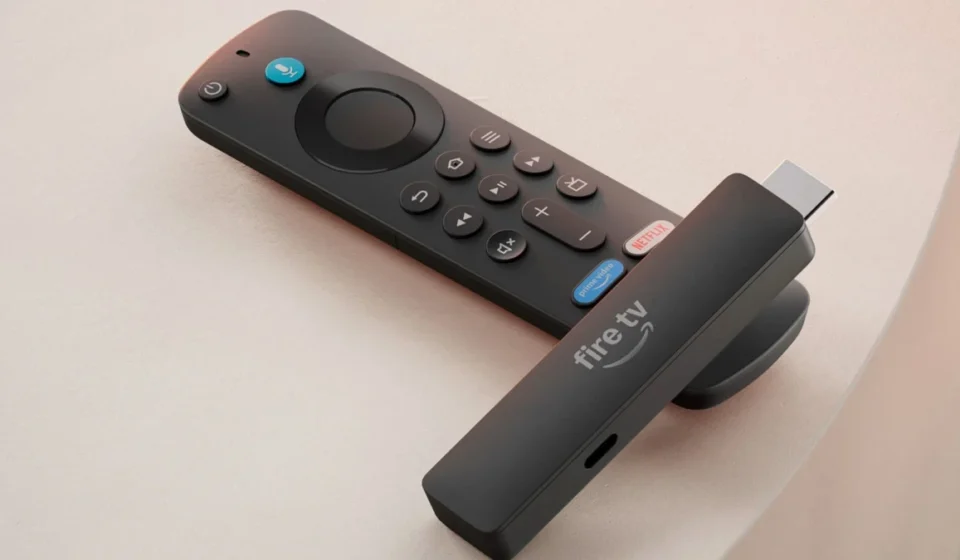
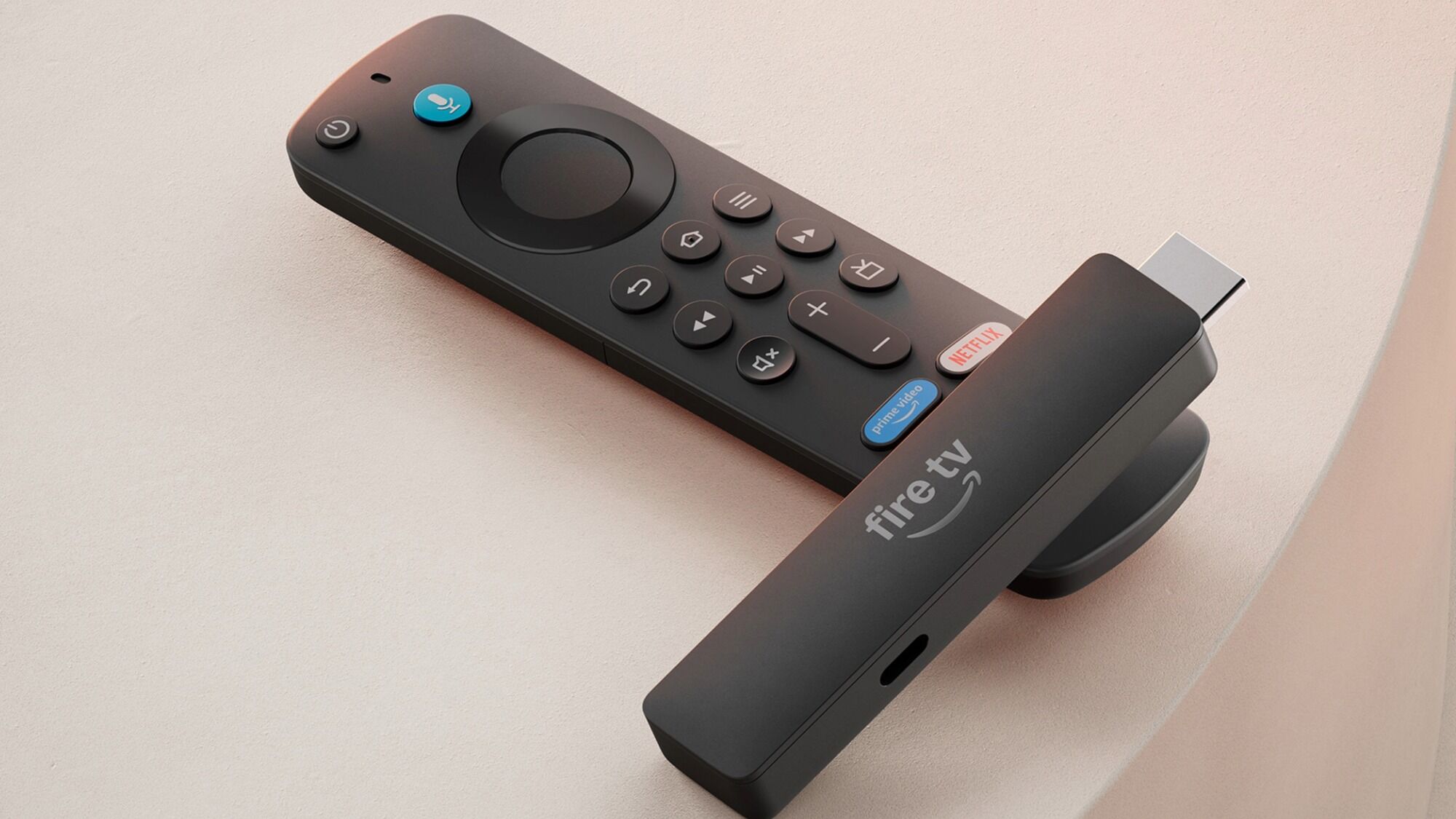
Amazon Fire TV Stick HD Unveiled with Vega OS, Sparks Sideloading Debate Amidst Extended Device Support and Kindle Obsolescence

Amazon has recently made headlines with a series of significant announcements impacting its vast hardware ecosystem, particularly within its streaming device and e-reader divisions. At the forefront of these developments is the introduction of the new Fire TV Stick HD, a device poised to become a pivotal component in Amazon’s ongoing transition away from its Android-based Fire OS to a new, Linux-based operating system known as Vega OS. This strategic shift, while aiming for enhanced control and security, has immediately ignited concerns among users regarding app compatibility and the long-standing practice of sideloading applications from unofficial sources. Simultaneously, Amazon has sought to reassure its existing Fire TV user base by pledging extended software support for a broad range of its current streaming devices, a move that stands in stark contrast to its recent decision to discontinue support for several older Kindle e-readers. These concurrent actions paint a complex picture of Amazon’s evolving hardware strategy, balancing innovation and ecosystem control with consumer loyalty and device longevity.
The new Fire TV Stick HD represents only the second streaming stick from Amazon to operate on Vega OS, marking a significant step in the company’s ambitious endeavor to assert greater independence from Google’s Android ecosystem. While the exact details of the first Vega OS streaming device remain less publicized, the consistent rollout of new hardware running this proprietary Linux kernel underscores Amazon’s commitment to building a self-reliant software foundation for its devices. Historically, Amazon’s Fire OS has been a heavily customized fork of Android, granting the company considerable flexibility but still tethering it to the broader Android development cycle and licensing agreements. The migration to Vega OS, therefore, is not merely a technical upgrade but a profound strategic realignment, enabling Amazon to exert full control over its device software, from kernel to user interface, potentially leading to optimized performance, tighter security integrations, and a more cohesive user experience across its hardware portfolio.
Pre-orders for the new Fire TV Stick HD are currently available through Amazon’s official store, but prospective buyers have reported encountering a significant advisory on the product page. This alert, which has appeared for some but not all shoppers, explicitly states: "For enhanced security, this device prevents sideloading or installing apps from unknown sources. Only apps from the Amazon Appstore are available for download." This warning directly addresses a burgeoning concern within the Fire TV user community, where sideloading applications not officially available in the Amazon Appstore has been a common, albeit unofficial, practice. Users frequently sideload apps to access niche streaming services, utility tools, or alternative versions of popular applications that might not be optimized for Fire OS or are simply absent from Amazon’s curated marketplace. The company’s proactive messaging, particularly its emphasis on "enhanced security," suggests an attempt to manage expectations and mitigate potential backlash from power users accustomed to a more open, albeit unofficial, application environment.
The Sideloading Standoff: Security vs. User Freedom
The practice of sideloading on Fire TV devices has been a cornerstone of their appeal for a segment of the user base. Unlike more closed ecosystems such as Apple TV, Fire OS’s Android lineage traditionally offered avenues, often through developer options, to install applications from APK files directly onto the device. This capability provided a degree of flexibility and user autonomy, allowing access to a broader universe of Android applications beyond Amazon’s official Appstore. For many, this unofficial feature was a key differentiator, enabling a highly customized streaming experience. The explicit warning accompanying the new Fire TV Stick HD suggests a definitive closure of these avenues on Vega OS, a move that aligns Amazon more closely with a walled-garden approach to app distribution.
Amazon’s justification of "enhanced security" for this restriction is a standard industry practice. Sideloaded applications, by their nature, bypass official vetting processes, potentially introducing malware, spyware, or other security vulnerabilities to a device. By restricting installations to its own Appstore, Amazon can enforce stricter security protocols, perform malware scanning, and ensure app compliance with its platform guidelines, theoretically providing a safer environment for the average consumer. However, this approach inevitably limits user choice and may alienate advanced users who prioritize customization and access to a wider array of software. The inconsistency in the warning’s appearance – showing up for some shoppers but not others – raises questions about Amazon’s deployment strategy. It could be part of an A/B testing phase to gauge user reaction, a gradual rollout, or perhaps a targeted warning for accounts with a history of sideloading. Regardless of the reason, the message itself clearly signals a departure from the more permissive, albeit unofficial, past. This shift could have significant implications for the future of app development on Vega OS, requiring developers to specifically target Amazon’s platform and adhere strictly to its distribution policies, or risk being inaccessible to a growing segment of Fire TV users.
Commitment to Longevity: Extended Support for Fire TV Lineup
In parallel with the introduction of new hardware and software restrictions, Amazon has also made a noteworthy announcement regarding the long-term support for its existing Fire TV device portfolio. The company has pledged to extend software support, including compatibility and security updates, for a substantial range of its current Fire TV devices until December 31, 2030. This commitment is a welcome development for consumers, signaling a dedication to device longevity that is often lacking in the rapidly evolving consumer electronics market. The devices included in this extended support promise are comprehensive and cover a wide array of popular Fire TV streaming sticks and cubes:
- Fire TV Stick Lite (2020)
- Fire TV Stick (3rd Gen) (2020)
- Fire TV Stick 4K (2018)
- Fire TV Stick 4K Max (1st Gen) (2021)
- Fire TV Stick 4K Max (2nd Gen) (2023)
- Fire TV Cube (2nd Gen) (2019)
- Fire TV Cube (3rd Gen) (2022)
- Fire TV Omni QLED Series (2022)
- Fire TV Omni Series (2021)
- Fire TV 4-Series (2021)
This extensive list demonstrates Amazon’s intention to maintain a robust and secure ecosystem for its current user base for the foreseeable future. "Compatibility and security support" typically encompasses critical software updates that address vulnerabilities, improve system stability, and ensure continued functionality with evolving streaming standards and application requirements. Such long-term support can significantly enhance the value proposition of these devices, allowing users to defer upgrades and enjoy a consistent experience over many years. The only noted exception to this extended support timeline is the original Fire TV Stick 4K, which will continue to receive support until December 31, 2029. This slight deviation could be attributed to specific hardware limitations or different lifecycle planning for earlier models, but it still represents a commendable period of support for a device released in 2018.
The Kindle Precedent: A Tale of Two Support Policies
The announcement of extended Fire TV support takes on added significance when viewed against the backdrop of Amazon’s recent decision to discontinue support for a host of older Kindle e-readers. Just days prior, Amazon began notifying customers via email that it would cease support for several venerable Kindle models starting May 20, 2026. This move impacts a significant number of early adopters and long-time users of Amazon’s e-reading platform. Affected models include:
- First-generation Kindle (2007)
- Second-generation Kindle (2009)
- Kindle DX (2009)
- Kindle DX Graphite (2010)
- Kindle Keyboard (2010)
- Kindle 4 (2011)
- Kindle Touch (2011)
- Kindle 5 (2012)
- First-generation Kindle Paperwhite (2012)
Many of these devices, some of which are now well over a decade old, have served their owners faithfully for an impressive duration. However, Amazon’s rationale for ending support typically revolves around the inability of older hardware to securely and efficiently handle modern software updates, connect to contemporary internet protocols, or maintain compatibility with evolving content delivery systems. The cessation of support means these devices may lose access to critical services, including the Kindle Store, cloud synchronization, and even the ability to download new books, effectively rendering them less functional over time. This decision, while perhaps technically necessary, has understandably led to disappointment among users attached to their legacy devices.
The contrasting approaches to device support for Kindles and Fire TV Sticks highlight the different lifecycles and technological demands of these product categories. E-readers, primarily designed for reading static content, generally have simpler hardware requirements and a longer perceived lifespan. Streaming devices, conversely, are more dependent on rapid technological advancements, evolving codecs, and robust internet connectivity, often necessitating more frequent hardware and software updates to remain competitive and functional. Amazon’s decision to extend Fire TV support until 2030 suggests a strategic recognition of the importance of these devices in the modern smart home ecosystem and their continuous engagement with Amazon’s content and services. It also demonstrates a willingness to invest in the long-term viability of its newer, more actively used product lines.
Industry Context and Competitive Landscape
Amazon’s strategic maneuvers with Vega OS and its app distribution policies are not occurring in a vacuum. The broader streaming device market is fiercely competitive, with major players like Roku, Google (with Chromecast and Google TV), and Apple (with Apple TV) vying for market share. Each competitor employs distinct strategies regarding hardware, software, and content ecosystems. Roku, known for its agnostic approach to content, offers a wide range of devices and a user-friendly OS. Google leverages its Android TV/Google TV platform, offering deep integration with Google services and a vast app library. Apple maintains a premium, tightly integrated ecosystem, emphasizing high performance and security.
Amazon’s transition to Vega OS can be seen as an effort to solidify its own distinct identity within this landscape. By moving away from an Android fork, Amazon aims to reduce its reliance on Google, potentially cutting licensing costs, and gaining complete control over the user experience and data. This allows for deeper integration with Amazon’s core services, including Prime Video, Amazon Music, Alexa, and its burgeoning smart home ecosystem. The explicit restriction on sideloading on Vega OS devices, while potentially controversial, aligns with a strategy of creating a more controlled and secure environment, mirroring Apple’s successful model. This approach ensures that all content and applications are vetted through Amazon’s channels, which can enhance overall system stability and security, but at the cost of limiting user choice.
The long-term support for existing Fire TV devices is also a critical competitive factor. In an era where consumers are increasingly conscious of electronic waste and product longevity, promising nearly a decade of updates for a streaming device can be a significant selling point. It fosters trust and loyalty, assuring customers that their investment will remain viable and secure for years to come. This commitment could differentiate Amazon from competitors who may have shorter support cycles, particularly for entry-level devices.
Future Outlook and Consumer Considerations
The confluence of these announcements—the new Vega OS Fire TV Stick HD with its sideloading restrictions, the extended support for current Fire TV devices, and the obsolescence of older Kindles—presents a multifaceted view of Amazon’s evolving hardware and software strategy. For consumers, the implications are varied. Those contemplating the new Fire TV Stick HD will need to weigh the enhanced security and potentially optimized performance of Vega OS against the loss of sideloading flexibility. Users of existing Fire TV devices can rest assured that their investments are protected with extended software support, a move that is likely to be widely appreciated. Meanwhile, owners of legacy Kindles face the prospect of their devices gradually losing functionality, prompting decisions about upgrading or adapting to reduced capabilities.
Amazon’s strategic pivot towards Vega OS underscores a broader trend among major tech companies to develop proprietary operating systems to gain greater control over their ecosystems. This strategy, while offering benefits such as tighter integration, enhanced security, and potentially better performance, often comes with the trade-off of reduced openness and user flexibility. The success of this transition will depend heavily on Amazon’s ability to attract and retain developers for its Vega OS Appstore, ensure a robust and diverse application catalog, and effectively communicate the benefits of its more controlled environment to consumers. As the streaming device market continues to mature, Amazon’s proactive approach to its software and hardware lifecycles will undoubtedly shape its position and influence consumer choices for years to come.