

AYANEO, a prominent manufacturer in the handheld gaming PC market, is once again facing public scrutiny, this time over serious privacy allegations concerning its Pocket DS device. A user’s discovery of over 1,000 unsolicited screenshots and unusually high data usage attributed to the device’s AYAWindow application has ignited a new public relations crisis for the company, which had only recently committed to a "Service Improvement Plan" following an earlier boycott. While AYANEO has swiftly offered a technical explanation, the incident highlights persistent challenges in software transparency and user trust within the burgeoning handheld gaming sector.
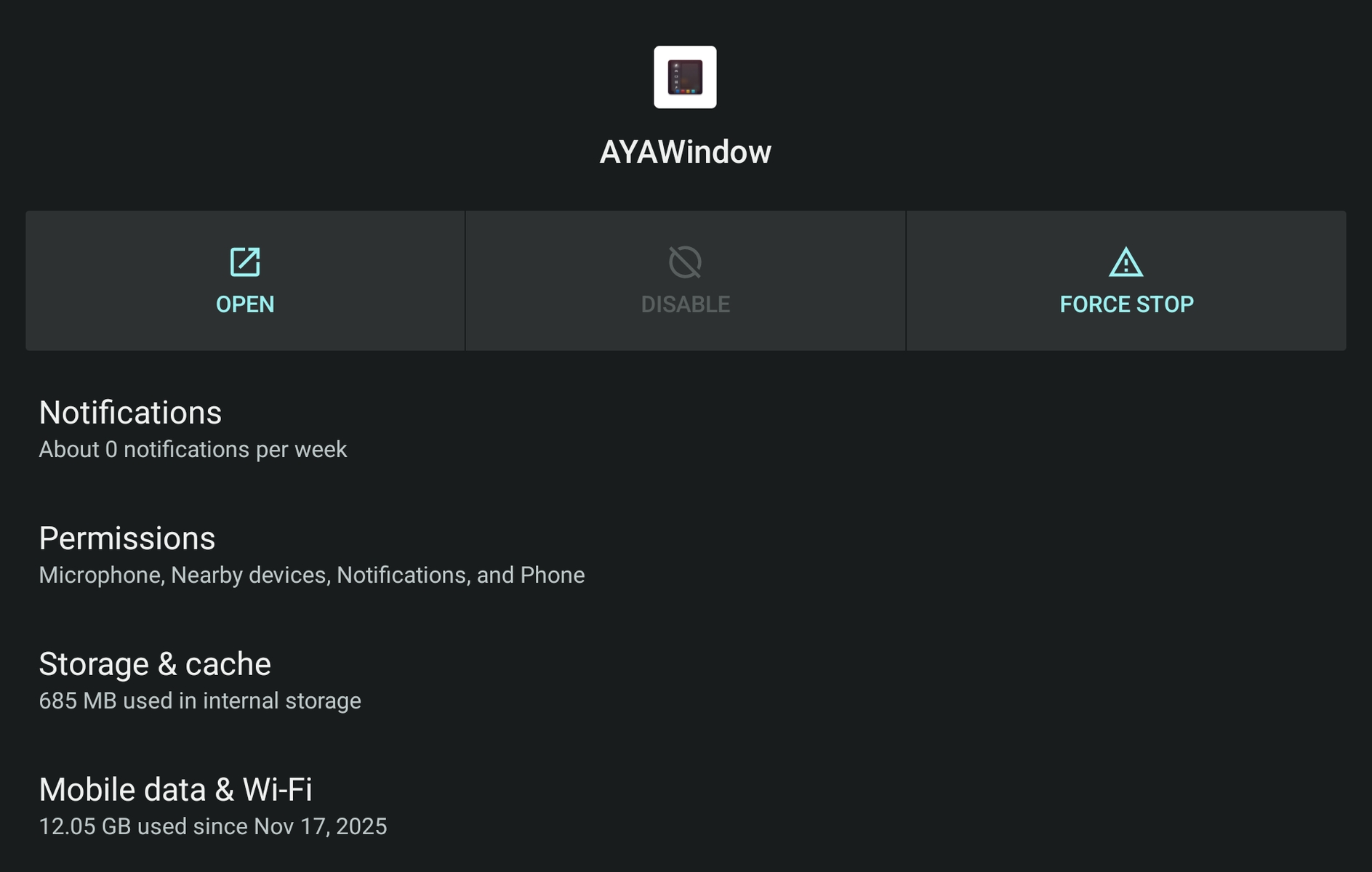
The controversy began on March 11, 2026, when a user posted on YouTuber Mr. Sujano’s GitHub page, detailing alarming findings on their AYANEO Pocket DS. The user reported that the pre-installed AYAWindow application was storing an extensive collection of screenshots—exceeding 1,200 images—taken across various games the user had played. Compounding the concern, new screenshots were observed to be continuously added to this collection without explicit user consent or notification. Furthermore, the user claimed that the AYAWindow app had transmitted over 12GB of data from their device since November, raising significant red flags about potential unauthorized data collection and transmission. The sheer volume of data and images immediately fueled accusations of "spying," prompting widespread concern among the AYANEO user community and beyond.
This incident comes at a sensitive time for AYANEO. Earlier in the year, the company had faced a significant boycott from its customer base due to various service and product-related issues. In response, AYANEO had publicly announced a "Service Improvement Plan," aiming to rebuild trust and address customer grievances. The current allegations, therefore, risk undermining these efforts and further eroding the confidence of its user community, who expect a high degree of transparency and privacy from their devices, especially those designed for personal entertainment.
Chronology of Events and AYANEO’s Response
The timeline of the current privacy controversy unfolded rapidly:
- March 11, 2026 (08:13 AM ET): The original article was published, detailing the user’s GitHub post outlining the discovery of excessive screenshots and data usage by the AYAWindow app on their Pocket DS. This immediately sparked debate and concern within the tech community.
- Initial Response on GitHub: Shortly after the user’s post gained traction, an individual, later confirmed to be an AYANEO employee, responded directly on the GitHub thread. This response provided the first official explanation from the company, attributing the issue to a software bug rather than malicious intent.
- Independent Investigation: Following the initial reports, Android Authority launched its own independent investigation into the AYAWindow app. This proactive step aimed to verify the user’s claims and analyze the app’s behavior to ascertain the validity of the allegations and AYANEO’s explanation.
- March 12, 2026 (07:37 AM ET): AYANEO formally confirmed the GitHub comment, stating via email that the response provided on the platform was indeed from an AYANEO employee and represented the company’s official stance. This confirmation solidified the technical explanation as the company’s definitive position.
- Independent Findings Publication: Android Authority subsequently published its findings from the independent investigation, offering a third-party perspective on the technical aspects of the AYAWindow app’s behavior.
AYANEO’s explanation, conveyed through the GitHub comment and later confirmed, addresses the two core components of the user’s accusation: the numerous screenshots and the excessive data usage. Regarding the screenshots, the company stated that the AYAWindow app is designed to generate application thumbnails for caching purposes, which is a common practice to improve user interface responsiveness and loading times. However, a specific bug within the software was preventing these generated cache files from being properly cleaned up. This oversight led to an accumulation of thousands of images over time, consuming significant local storage space and creating the appearance of unauthorized monitoring. AYANEO affirmed that the bug had been identified and that a software fix would be pushed out soon to rectify the issue.

The explanation for the reported 12GB of data transmission was more nuanced, delving into the intricacies of Android’s operating system architecture. AYANEO clarified that the AYAWindow app utilizes the system UID (android.uid.system). In Android, when multiple applications or services share the same User ID (UID), their data traffic is often aggregated and reported collectively under that shared UID. Therefore, the 12GB figure that the user observed was not solely attributable to AYAWindow’s activities but represented the combined data usage of all applications and services operating under the android.uid.system on the device. This technical detail suggests that while the reported data usage was indeed high, it was a misattribution rather than an indication of AYAWindow specifically transmitting 12GB of user data externally.
Deep Dive into the Technical Explanation and Supporting Data
To understand the implications, a closer look at the technical aspects is crucial. The claim of "over 1,200 screenshots" and "new screenshots being added continuously" is significant. If each screenshot, even compressed, is a few megabytes (e.g., 2-5 MB for a typical gaming resolution), 1,200 screenshots could easily amount to 2.4 GB to 6 GB of local storage. This rapid accumulation, if not properly managed, would quickly consume internal storage, especially on devices with limited capacities, and would certainly raise flags for any observant user. The description "screenshots of the user across various games" implies full-screen captures of gameplay, not merely static app icons, which further intensifies privacy concerns if these were intended for external transmission.
AYANEO’s assertion that these are "app thumbnails for cache" suggests that the purpose is to visually represent active applications or recently played games within the device’s custom UI (like a launcher or overlay). While caching thumbnails is standard, the bug preventing their cleanup is a serious oversight. In well-designed software, cache management routines are critical to prevent resource exhaustion and maintain system performance. A lack of proper garbage collection for these files could lead to the accumulation observed, creating a local privacy risk due to the sheer volume of potentially sensitive visual data.
Regarding the 12GB data usage, the explanation concerning the android.uid.system is technically plausible. The system UID is a privileged user ID assigned to core Android system components and services. Many essential background processes, network services, and framework components operate under this UID. When a user checks data usage statistics, these systems often consolidate traffic from all processes sharing the same UID. Thus, if AYAWindow (or a component it interacts with) is indeed operating under android.uid.system, then its reported data usage would include traffic from numerous other system-level operations, such as OS updates, background synchronization services, telemetry data from various Android components, and potentially other pre-installed system apps.
For instance, a device might download system updates, synchronize cloud backups, perform background checks for security patches, or update system components – all contributing to the android.uid.system data count. A 12GB figure since November, while substantial for a single app, becomes more understandable if it represents several months of cumulative traffic from the entire operating system’s background functions. However, this explanation still places a burden on the manufacturer to clearly communicate which components fall under this UID and what their expected data usage patterns are, to prevent user alarm. It also highlights a potential flaw in how Android reports data usage for shared UIDs, making it difficult for users to pinpoint specific culprits.
Independent Investigation Findings and Their Significance
While the full details of Android Authority’s independent investigation were not explicitly provided in the summary, such an inquiry would typically involve:
- Local File System Analysis: Verifying the existence, location, and content of the alleged screenshots. This would confirm if they are indeed full gameplay screenshots, simple app icons, or something else, and if they are stored in a non-standard or hidden directory.
- Network Traffic Monitoring: Using tools to monitor outbound network connections from the Pocket DS, specifically identifying if the AYAWindow app or any process under
android.uid.systemwas actively transmitting large volumes of data to external servers, and if so, to which destinations. This would differentiate between local cache accumulation and actual "spying" (i.e., unauthorized exfiltration of data). - App Permissions Review: Examining the AYAWindow app’s manifest and runtime permissions to understand what data it is authorized to access and what system functions it can perform.
- Code Decompilation/Analysis (if feasible): For a more in-depth understanding, analyzing the app’s code (or relevant parts) to identify the specific logic responsible for thumbnail generation, cache management, and network communication.
- Replication of the Issue: Attempting to reproduce the screenshot accumulation and high data usage on other AYANEO Pocket DS devices under controlled conditions.
The findings from such an investigation would be crucial in either corroborating AYANEO’s bug explanation or uncovering more nefarious activities. If the investigation confirmed that the screenshots were indeed local cache files and that the 12GB data usage was an aggregate of system services without malicious external transmission from AYAWindow itself, it would significantly mitigate the "spying" accusation. However, it would still underscore a severe quality assurance issue in the software development process. Conversely, if the investigation revealed actual data exfiltration, the implications for AYANEO would be far more severe, potentially leading to legal and widespread reputational damage. The fact that Android Authority published their findings suggests a thorough examination, and their inclusion in the updated article implies a level of confirmation regarding the nature of the issue.
Broader Impact and Implications for User Trust
This incident, irrespective of whether it’s a bug or something more, has significant implications for AYANEO and the broader handheld gaming PC market.
- Erosion of User Trust: Coming on the heels of a prior boycott and a promised "Service Improvement Plan," this new privacy scare directly attacks the fragile trust AYANEO is trying to rebuild. Users invest significant amounts in these devices and expect a baseline of privacy and security. A perception of "spying," even if technically a bug, can be deeply damaging. Regaining trust will require not only a swift and effective software patch but also transparent communication and perhaps even an independent security audit of their software practices.
- Software Development Best Practices: The incident highlights the critical importance of robust quality assurance (QA) and thorough testing in software development. A bug leading to the accumulation of thousands of images, coupled with ambiguous data usage reporting, points to deficiencies in internal testing protocols, especially concerning system-level applications that interact closely with user data. Companies need stringent internal audits for privacy compliance and data handling.
- Transparency in System Apps: The technical explanation about
android.uid.systemunderscores a broader challenge in modern operating systems: the opacity of background processes and their resource consumption. While technically accurate, it’s not an explanation easily understood by the average user. Manufacturers have a responsibility to design their software and user interfaces to provide clearer insights into what applications and services are consuming resources, especially network data, to empower users to manage their privacy and device performance effectively. - Industry Standard for Handhelds: As the handheld gaming PC market expands with more players like Valve (Steam Deck), ASUS (ROG Ally), and Lenovo (Legion Go), competition will intensify, and user experience, including privacy and security, will become a key differentiator. Incidents like this could set a precedent for higher expectations regarding software integrity and data transparency across the entire industry. Customers will increasingly demand robust privacy policies and demonstrable commitment to these principles.
- Regulatory Scrutiny: While this specific incident appears to be a bug rather than malicious intent, consistent reports of privacy concerns can attract the attention of data protection authorities (e.g., those enforcing GDPR in Europe or CCPA in California). Although a bug might not constitute a direct violation if no data was exfiltrated, it highlights a failure in data governance that regulators could examine.
For AYANEO, the path forward involves more than just a software update. It requires a comprehensive review of their software development lifecycle, enhanced QA processes, and a renewed commitment to transparent communication with their user base. They must not only fix the technical bug but also address the underlying perception of a lack of control over user data. Offering clear explanations, perhaps within the device’s settings or through dedicated support channels, about how system apps function and consume resources could go a long way in alleviating future concerns. The company’s ability to navigate this latest crisis will be a crucial test of its long-term viability and its commitment to its community.