IOS 27 Will Reportedly Embrace the Spirit of Mac OS X Snow Leopard with a Focus on Performance and Stability

In a significant development for Apple’s mobile operating system, upcoming iOS 27 is reportedly poised to follow a strategic path reminiscent of Apple’s highly regarded Mac OS X 10.6 Snow Leopard update from 2009. According to insights shared by Bloomberg’s Mark Gurman in his widely read "Power On" newsletter, a primary objective for the iOS 27 development cycle will be a robust emphasis on bug fixes, aiming to deliver substantial improvements in performance and overall system stability for iPhone and iPad users.
This strategic pivot towards refinement rather than a deluge of new features echoes Apple’s approach with Snow Leopard, an update that was lauded for its under-the-hood enhancements that made the Mac experience demonstrably faster, more responsive, and more reliable. While technical advancements are always a hallmark of Apple’s software releases, the reported focus for iOS 27 suggests a deliberate decision to prioritize the user experience through increased robustness and efficiency.
The Snow Leopard Precedent: A Focus on Refinement
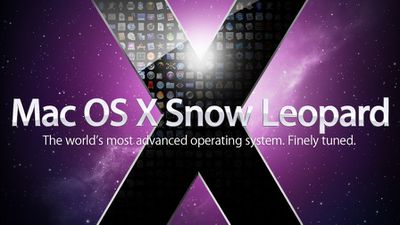
The comparison to Mac OS X Snow Leopard is particularly telling. Launched in August 2009, Snow Leopard was presented by Apple as an update that prioritized "quality over quantity." At the Worldwide Developers Conference (WWDC) in 2008, Apple famously showcased Snow Leopard with the statement that it had "0 new features," a bold declaration that underscored its commitment to deep-seated improvements. While the update did technically include some minor new functionalities, the overwhelming narrative and the tangible user experience were centered on bug squashing, performance optimization, and architectural refinements.
Bertrand Serlet, Apple’s then-chief of software engineering, articulated this philosophy during the Snow Leopard announcement: "We’ve built on the success of Leopard and created an even better experience for our users from installation to shutdown. Apple engineers have made hundreds of improvements so with Snow Leopard your system is going to feel faster, more responsive and even more reliable than before." This dedication to enhancing the core experience, even without groundbreaking new user-facing features, proved highly successful, leading to widespread acclaim and a significant boost in user satisfaction with the Mac platform.
Strategic Implications of an "Under-the-Hood" iOS Update
The potential adoption of a similar philosophy for iOS 27 carries significant implications for Apple’s ecosystem and its users. In recent years, iOS updates have often been characterized by a rapid introduction of new features, which, while exciting, can sometimes lead to increased complexity, occasional performance hiccups, and a higher bug count. By focusing on stability and performance, Apple could be aiming to address user concerns about software reliability and to lay a more solid foundation for future innovations.
This approach can be particularly beneficial in the current technological landscape. As devices become more powerful and applications more sophisticated, the underlying operating system’s efficiency and stability become increasingly critical. A streamlined and robust iOS can ensure that the full potential of Apple’s hardware is realized, leading to a smoother and more enjoyable user experience across a wide range of devices and use cases.
What This Means for Users: Enhanced Responsiveness and Reliability
For the average iPhone and iPad user, an iOS 27 update prioritizing performance and stability would translate into a more fluid and dependable daily experience. This could manifest in several ways:
- Faster App Launches and Transitions: Applications may open more quickly, and switching between them could become instantaneous.
- Improved Battery Life: Optimizations in background processes and resource management can lead to more efficient power consumption.
- Reduced Glitches and Crashes: A focus on bug fixes aims to minimize the occurrence of unexpected application closures, system freezes, and other software-related annoyances.
- Smoother Overall Navigation: The user interface could feel more responsive, with animations and gestures executing with greater fluidity.
- Enhanced Security and Privacy: Bug fixes often include patches for security vulnerabilities, contributing to a more secure user environment.
This emphasis on refinement is not to say that iOS 27 will be devoid of new capabilities. Reports indicate that the update will still incorporate some notable advancements, including a more personalized version of Siri. This suggests a balanced approach, where foundational improvements are coupled with targeted enhancements in key areas.
The Evolution of Siri and Future Possibilities
The mention of a more personalized Siri is a significant detail. Apple has been investing heavily in artificial intelligence and its virtual assistant, and an update that significantly enhances Siri’s capabilities would be a major draw. This could involve improved natural language understanding, more context-aware responses, and greater integration with user data and preferences, making interactions more intuitive and helpful. The potential delay of these more advanced Siri features until September, as hinted in some reports, suggests that their full realization is contingent on the stability and performance benchmarks being met.
The timing of these developments also aligns with Apple’s typical product release cycles. iOS updates are traditionally unveiled at WWDC in June and made available to the public in September, coinciding with the launch of new iPhone models. This provides a clear timeline for when users can expect to see these changes materialize.
A Historical Perspective on Apple’s Software Development Cycles
Apple’s history is punctuated by periods of both rapid feature expansion and focused refinement. The transition from Mac OS 9 to Mac OS X, for instance, was a monumental shift that introduced a completely new architecture and a host of new features. Subsequent updates like OS X Cheetah, Puma, and Jaguar focused on building out the user experience and introducing core functionalities.
However, the success of Snow Leopard demonstrated Apple’s strategic acumen in recognizing when a platform benefits more from deep optimization than from incremental additions. This approach allowed Apple to solidify the Mac’s stability and performance, paving the way for more ambitious feature sets in later versions like OS X Lion. The reported direction for iOS 27 suggests a similar strategic thinking at play, acknowledging the maturity of the iOS platform and the user’s desire for a seamless and reliable experience.
Broader Impact on the Tech Industry and User Expectations
The decision by Apple to prioritize performance and stability in iOS 27 could have a ripple effect across the technology industry. As a market leader, Apple’s strategic choices often influence the direction of competitors. A successful "Snow Leopard-like" update for iOS could encourage other mobile operating system developers to re-evaluate their own release strategies, potentially shifting focus from a constant stream of new features to more robust and refined user experiences.
Furthermore, this approach could recalibrate user expectations. While consumers often anticipate and demand new functionalities with every software update, a demonstrably improved and more reliable user experience can be equally, if not more, valuable. If iOS 27 delivers on its promise of enhanced performance and stability, it could set a new benchmark for what users expect from their mobile operating systems, emphasizing quality and dependability.
The Future of iOS: A Foundation for Innovation
By investing in the core of iOS, Apple is not merely addressing existing issues; it is building a more resilient and efficient platform for future innovation. A stable and performant operating system is the bedrock upon which advanced technologies like augmented reality, more sophisticated AI integrations, and seamless cross-device experiences can be built and scaled effectively.
The reported focus on bug fixes and performance improvements for iOS 27 signals a mature and user-centric approach from Apple. It underscores a commitment to delivering an exceptional user experience that goes beyond the introduction of novel features, focusing instead on the fundamental reliability and responsiveness that users depend on every day. As the mobile landscape continues to evolve, this dedication to foundational excellence may prove to be Apple’s most impactful strategy yet. The anticipation for WWDC 2026 and the subsequent release of iOS 27 will undoubtedly be heightened as the industry watches to see if this strategic redirection yields the same positive outcomes as its iconic Mac OS X Snow Leopard predecessor.