Garmin Cirqa Poised to Reshape Wearable Health Tracking Landscape with Screenless, Subscription-Free Innovation

The technology landscape in recent years has seen a noticeable shift in consumer sentiment, with a growing segment expressing diminishing enthusiasm for the incremental yearly upgrades offered by mainstream devices. While 2025 has already witnessed the introduction of the Samsung Galaxy S26 series and the Google Pixel 10a, with further releases like the Pixel 11 and OnePlus 16 anticipated, the excitement surrounding these iterative improvements often falls short for many users. Current devices, be they smartphones, tablets, or smartwatches, frequently offer performance boosts or camera enhancements that are marginal enough to negate the perceived value of a costly annual upgrade, especially for hardware less than three years old. This trend suggests a market saturation where fundamental innovation struggles to keep pace with release cycles. However, amidst this backdrop of tech fatigue, one rumored device for 2026 is generating significant anticipation among tech enthusiasts and health-conscious consumers alike: the Garmin Cirqa smart band. This prospective entry into the wearable market is poised to disrupt established norms by focusing on comprehensive health data delivery without the distractions or design compromises typically associated with smartwatches.
The Evolving Wearable Market and Consumer Priorities
The wearable technology market has undergone substantial evolution since its nascent stages. Initially dominated by rudimentary pedometers and basic fitness trackers, it rapidly expanded into sophisticated smartwatches offering a plethora of features, from notifications and mobile payments to advanced GPS and heart rate monitoring. Brands like Apple, Samsung, and Garmin have championed this era, each carving out significant market share with their diverse product lines. Garmin, in particular, has built a formidable reputation for producing robust, accurate, and highly specialized devices catering to athletes, outdoor enthusiasts, and fitness aficionados. Its Forerunner, Fenix, and Vivoactive series are synonymous with detailed performance metrics, reliable navigation, and impressive battery life, often surpassing competitors in specific use cases.
However, the very versatility that defines many modern smartwatches has started to become a point of contention for a subset of users. The constant barrage of notifications, the need for frequent charging, and the often-bulky form factor of sports-oriented watches, while practical during workouts, can become cumbersome for 24/7 wear. Many consumers now find themselves increasingly reliant on their wearables not as secondary screens for their smartphones, but as dedicated instruments for health and wellness data acquisition. This shift underscores a desire for "invisible technology"—devices that seamlessly integrate into daily life, providing actionable insights without demanding constant interaction or compromising comfort and aesthetics.
This changing consumer priority has paved the way for the rise of minimalist health trackers. Products like the Whoop strap and the Oura Ring have successfully tapped into this niche, offering screenless designs focused solely on collecting physiological data such as heart rate variability (HRV), sleep stages, recovery scores, and activity levels. These devices appeal to individuals who prioritize deep health insights and a distraction-free experience over the traditional smartwatch functionalities. The success of these minimalist trackers highlights a significant market demand for sophisticated, yet unobtrusive, health monitoring solutions.
Garmin’s Strategic Shift: From Forerunner to the Anticipated Cirqa
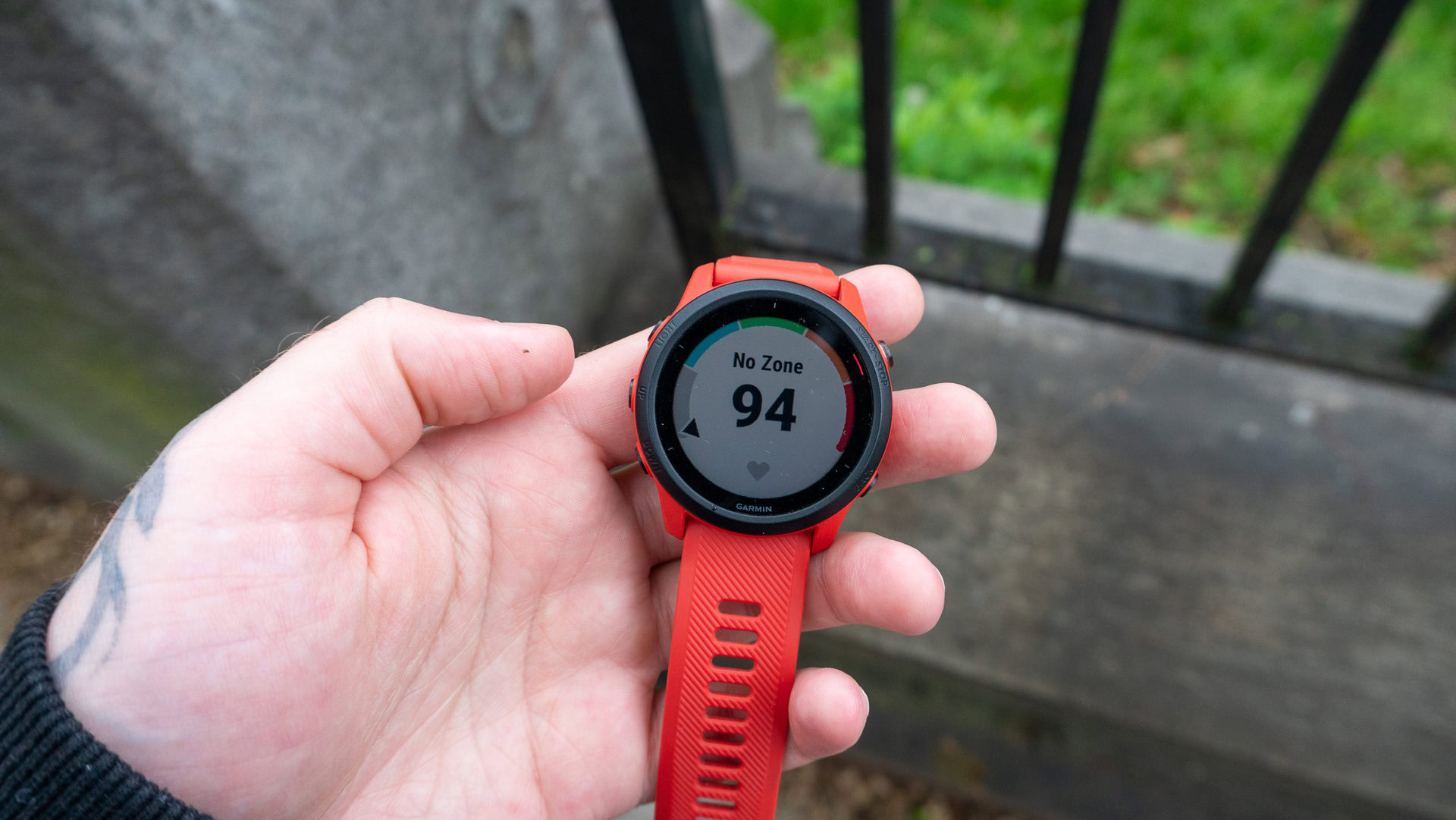
Garmin’s journey in the wearable space has historically centered on its powerful sports watches. Devices like the Forerunner 745, a popular choice among runners and multisport athletes, exemplify Garmin’s engineering prowess. The Forerunner 745 is a highly capable device, offering precise tracking for steps, runs, sleep, heart rate, and stress. Its integration with Garmin Connect, the company’s comprehensive ecosystem, provides users with in-depth analysis and performance metrics, including advanced features like Body Battery, which estimates energy levels based on activity, stress, and rest.
Yet, even for loyal Garmin users, the relationship with such devices has evolved. What might start as a versatile smartwatch often transforms into a dedicated data provider. The necessity of wearing a relatively bulky sports watch 24/7 to gather continuous, accurate health data presents practical challenges. Comfort during sleep can be compromised, and the aesthetic can clash with formal attire or social settings. Furthermore, the presence of yet another screen vying for attention can contribute to digital fatigue, running counter to a growing desire for mindfulness and reduced screen time.
This user experience gap precisely aligns with the emerging market for screenless, health-focused wearables. The original article’s author perfectly articulates this sentiment, expressing a desire for the "Whoop experience"—a device that "disappears on the wrist" while providing robust data. However, for many, the Whoop strap, despite its innovative approach, comes with two significant dealbreakers: its mandatory subscription model and, for existing Garmin users, the potential for a less integrated experience within their established ecosystem.
The subscription model, while providing continuous access to Whoop’s analytical platform and ongoing hardware upgrades, represents a substantial long-term financial commitment. For instance, a typical Whoop membership can cost hundreds of dollars annually, adding up significantly over several years. This contrasts sharply with the traditional model of purchasing a device outright and owning its features. Furthermore, for individuals deeply invested in the Garmin Connect ecosystem—with years of activity data, custom workouts, and social connections—switching to an entirely different platform for core health tracking presents a considerable hurdle in terms of data migration and user habit.
Introducing the Garmin Cirqa: A Direct Challenge to Minimalist Trackers
The rumored Garmin Cirqa appears to be Garmin’s direct and strategic answer to these market dynamics and consumer demands. Based on recent leaks that surfaced from Garmin’s own regional websites in late January, the Cirqa is identified as a "smart band" rather than a watch. This crucial distinction strongly implies a screenless design, mirroring the form factor and philosophy of successful minimalist trackers like Whoop.
Key details gleaned from these leaks indicate that the Cirqa will be available in two sizes, S/M and L/XL, ensuring a comfortable and secure fit for a wider range of wrist sizes. This is vital for accurate data collection and continuous wearability. The rumored color options—classic black and a sophisticated French Gray—suggest a deliberate focus on versatile aesthetics, allowing the band to blend seamlessly with various outfits and occasions, from athletic wear to business attire.
The anticipated core functionality of the Garmin Cirqa is expected to leverage Garmin’s extensive expertise in physiological monitoring. Users can anticipate comprehensive tracking of vital health metrics, including:
- Heart Rate Variability (HRV): A key indicator of recovery and stress levels, crucial for optimizing training and understanding overall well-being.
- Sleep Stages and Quality: Detailed analysis of light, deep, and REM sleep, alongside metrics like sleep consistency and disturbances.
- Stress Levels: Continuous monitoring to identify patterns and help users manage daily stressors.
- Body Battery: Garmin’s proprietary metric that uses HRV, stress, and activity data to estimate a user’s energy reserves throughout the day.
- Pulse Oximetry (SpO2): Measurement of blood oxygen saturation, important for understanding respiratory health and adaptation to altitude.
- Activity Tracking: Accurate step counting, calorie expenditure, active minutes, and potentially advanced workout detection algorithms that automatically identify and log various physical activities.
Crucially, all this data is expected to integrate seamlessly into the powerful and user-friendly Garmin Connect ecosystem. This means existing Garmin users will not need to migrate their data or learn a new interface, offering a significant advantage over competing platforms. For new users, Garmin Connect provides a robust platform for long-term trend analysis, personalized insights, coaching programs, and community engagement.
A major anticipated benefit of the Cirqa is its expected battery life. By eliminating a power-hungry screen and simplifying the user interface (relying on the paired smartphone for data display), Garmin is poised to deliver a multi-week battery life, far exceeding that of typical smartwatches and potentially rivaling or surpassing existing minimalist bands. This extended battery life is a critical factor for "always-on" health monitoring, reducing user anxiety about charging and ensuring continuous data collection.
Perhaps the most compelling aspect of the Garmin Cirqa, and a key differentiator from its closest competitor, Whoop, is the strong inference that it will not require a mandatory subscription. While Garmin typically offers premium features or advanced training plans through optional subscriptions (like Garmin Coach), the core health tracking and data analysis are traditionally included with the device purchase. This "buy once, own forever" model, if applied to the Cirqa, would present a significant value proposition, making advanced health monitoring more accessible and financially predictable for consumers.
Competitive Landscape and Market Disruption
The minimalist health tracker segment, while growing, is not without its players. The Amazfit Helio Strap, for instance, has emerged as a budget-friendly option at around $100, offering a screenless design and decent battery life. However, as noted in various reviews, it presents certain compromises, such as a battery life of around 10 days (which, while respectable, falls short of the potentially multi-week endurance of the Cirqa or Whoop) and a brand ecosystem that may not resonate with all users, especially those accustomed to Garmin’s robust data and platform reliability. Other devices, like the Polar Loop, have also attempted to capture this market but have often lacked the comprehensive data insights or sleek design demanded by today’s consumers. The Oura Ring, another prominent player, offers similar health tracking in a different form factor, but also operates on a subscription model, making the Cirqa’s potential subscription-free approach a powerful counter-argument.
Garmin’s entry into this specific niche with the Cirqa holds the potential for significant market disruption. Its established brand trust, renowned for accuracy and durability in the fitness world, lends immediate credibility to a new health-focused device. The absence of a mandatory subscription, if confirmed, would directly challenge the business models of Whoop and Oura, forcing them to re-evaluate their value propositions. For Garmin’s existing vast user base, the Cirqa could serve as an ideal complementary device—a comfortable, unobtrusive band for 24/7 health tracking that seamlessly integrates with their existing Garmin Connect data from their primary sports watch. This dual-device strategy could offer the best of both worlds: dedicated, detailed tracking during specific activities with a sports watch, and continuous, passive health monitoring with the Cirqa.
Timeline and Broader Implications
With the leaks appearing in late January, industry analysts suggest a likely official announcement and launch of the Garmin Cirqa in May or June. This timing would position the device well ahead of the summer activity season, a prime period for fitness-related tech purchases. While pricing details remain speculative, Garmin is expected to position the Cirqa competitively, likely at a premium compared to basic fitness trackers but offering superior data quality and ecosystem integration, all while avoiding the recurring cost of a subscription.
The implications of the Garmin Cirqa extend beyond simply adding another product to the market. Its introduction could signal a more profound trend in wearable technology: a move towards hyper-specialization. Instead of attempting to cram every possible feature into a single device, manufacturers may increasingly focus on creating purpose-built wearables that excel in specific functions, be it athletic performance, sleep tracking, or stress management. This specialization caters to a more discerning consumer base that values depth and accuracy over breadth of features.
For Garmin, the Cirqa represents a strategic move to solidify its position not just as a leader in sports watches, but as a comprehensive health data provider. By offering a screenless, comfortable, and potentially subscription-free option for continuous physiological monitoring, Garmin is expanding its appeal to a broader audience—those who seek actionable health insights without the overt tech presence of a smartwatch. This move could democratize advanced health tracking, making sophisticated physiological data accessible to everyday users in a more intuitive and integrated manner.
In conclusion, the Garmin Cirqa stands out as a rare beacon of genuine excitement in an otherwise incrementally evolving tech landscape. It embodies a compelling vision for the future of wearables: powerful, precise health data delivered through an unobtrusive, comfortable, and distraction-free device. If Garmin delivers on the promise of its leaks—a screenless smart band, deeply integrated with Garmin Connect, and free from a mandatory subscription—the Cirqa is poised to not only capture significant market share but also redefine consumer expectations for personal health technology, offering a compelling reason for many to finally pull out their wallets for a truly innovative wearable.