ReMarkable Poised to Introduce Affordable "Paper Pure" E-Ink Tablet, Signaling Major Strategic Shift

Norwegian technology company reMarkable, renowned for its niche in distraction-free E-Ink tablets, is reportedly preparing to launch a new, more accessible device named the "Paper Pure" in the second quarter of 2026. This strategic pivot, revealed through a recent leak from prominent industry insider Evan Blass, suggests a significant departure from the company’s recent focus on premium, higher-priced models like the Paper Pro and Paper Pro Move, aiming instead to capture a wider consumer base with a more budget-friendly offering.
The Leak and Its Implications
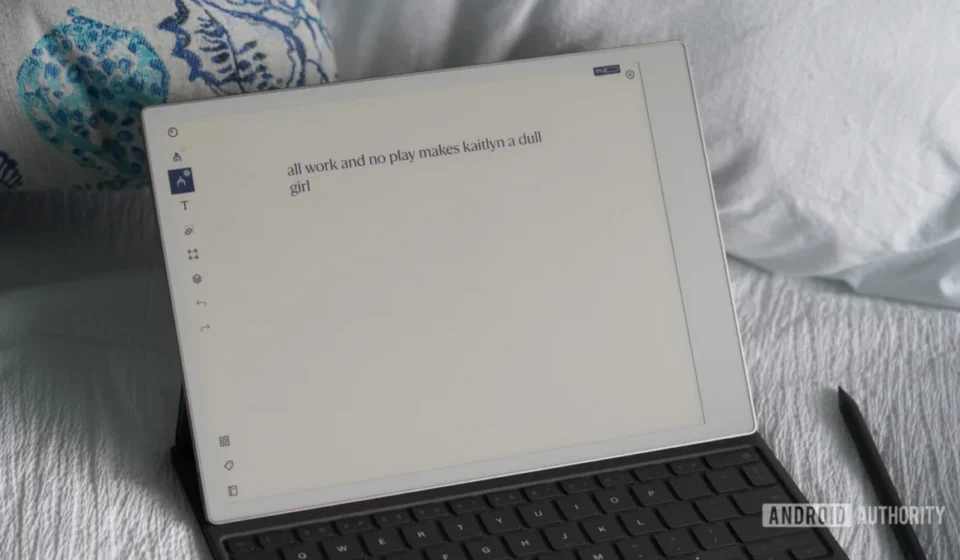
The initial revelation came from Evan Blass, known by his Twitter handle @evleaks, who shared an image and the name "Paper Pure" along with the projected launch window. Blass’s track record for accurate leaks lends considerable credibility to the report, sending ripples of anticipation through the e-reader and digital note-taking communities. The leaked image, depicting a sleek, black device with a stylus, retains the minimalist aesthetic characteristic of reMarkable’s design philosophy. However, the dropped "Pro" moniker and the "Pure" suffix strongly imply a deliberate move towards simplification and cost-effectiveness.
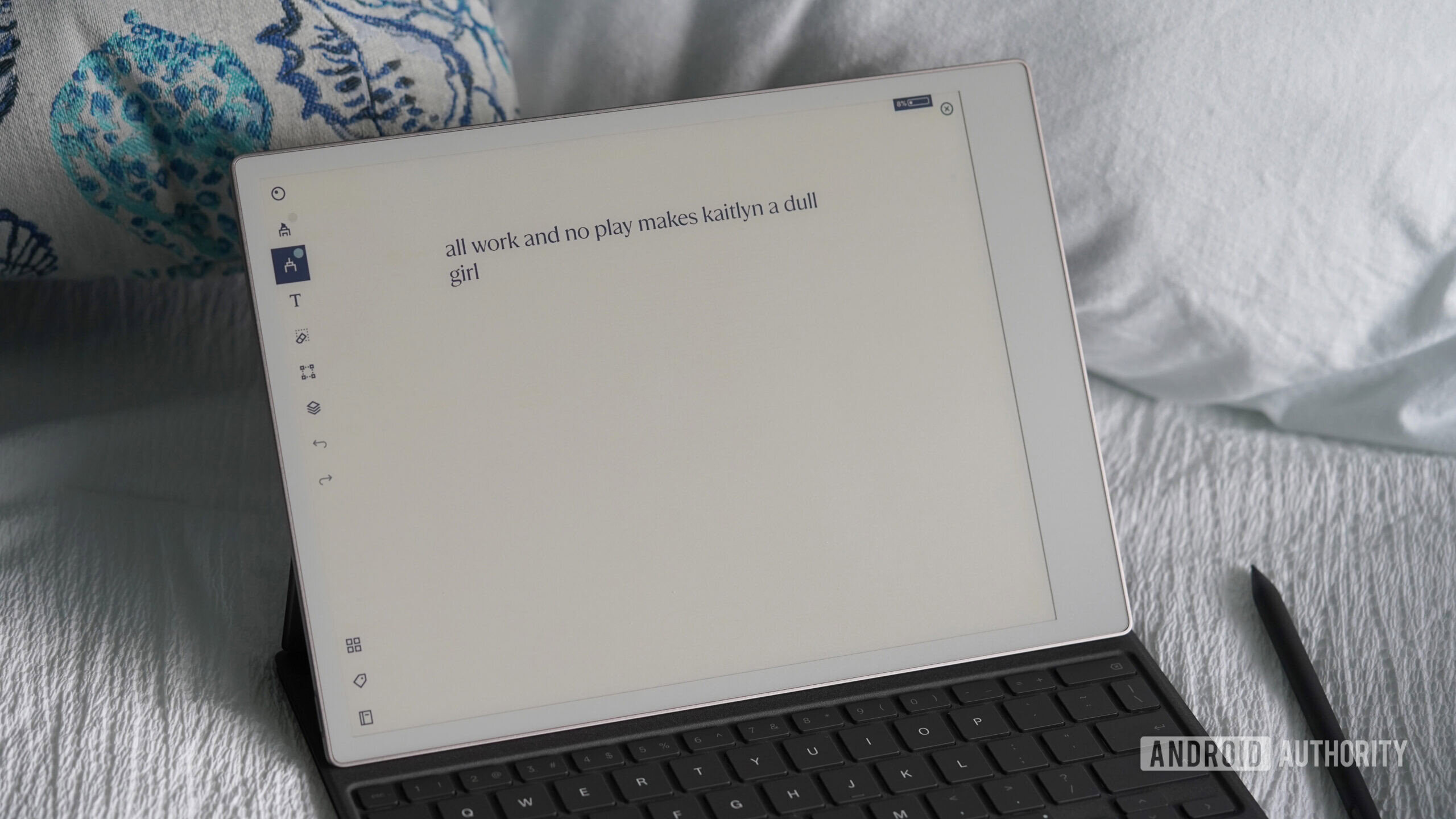
For years, reMarkable has carved out a unique position in the crowded tablet market by eschewing the multimedia capabilities and vibrant displays of conventional tablets. Its devices are designed singularly for reading, writing, and sketching, replicating the tactile experience of pen on paper using a monochrome E-Ink display. This "no distractions" philosophy has resonated with a specific segment of users—academics, writers, artists, and professionals—seeking a focused environment for deep work. However, this premium experience has always come with a premium price tag, limiting its appeal to a broader audience.
reMarkable’s Journey: From Niche Innovator to Market Contender
reMarkable entered the scene in 2017 with its first-generation tablet, simply called the reMarkable, quickly distinguishing itself from general-purpose tablets and even dedicated e-readers like the Kindle. Its success stemmed from a brilliant execution of its core promise: a highly responsive E-Ink display paired with a stylus that offered unparalleled latency and a textured surface mimicking paper. This was followed by the reMarkable 2 in 2020, which refined the design, slimmed down the profile, and improved battery life, further cementing its reputation among its loyal users.
In late 2024 and early 2025, reMarkable pushed the boundaries of its original vision with the introduction of the Paper Pro and Paper Pro Move. The Paper Pro, an 11.8-inch device, broke new ground for the company by incorporating a custom Canvas Color display—a significant departure from its traditional monochrome screens—and a built-in reading light. While innovative, these advancements came at a substantial cost, with the Paper Pro retailing for approximately $630. The smaller, 8-inch Paper Pro Move, designed for enhanced portability, also carried a premium price tag of around $450. These higher-end offerings, while showcasing technological prowess, inadvertently widened the affordability gap for potential new customers.
The strategic rationale behind these "Pro" models was likely to attract users who desired more advanced features, such as color annotation for documents or reading in low-light conditions, while still maintaining the core distraction-free experience. However, the pricing placed them firmly in competition with high-end conventional tablets and specialized e-note devices from competitors like Onyx Boox, which often offer more extensive features and Android operating systems.
The "Paper Pure" Strategy: A Return to Core Principles?
The purported "Paper Pure" signifies a potential re-evaluation of reMarkable’s market strategy. By shedding the "Pro" designation and embracing "Pure," the company appears to be signaling a return to its fundamental value proposition: a minimalist, paper-like writing and reading experience, devoid of superfluous features, and critically, at a more accessible price point. This could involve streamlining hardware specifications, opting for a monochrome E-Ink display (like the reMarkable 2), and perhaps foregoing advanced features such as color screens or integrated lighting to reduce manufacturing costs.
Such a move would allow reMarkable to tap into a much larger market segment that has historically found the brand’s offerings too expensive despite appreciating its unique philosophy. Students, casual journalers, and professionals who prioritize focused work over multimedia consumption, but are budget-conscious, represent a significant untapped demographic for reMarkable.
Navigating the Competitive Landscape
The E-Ink tablet market has grown increasingly competitive, with several players vying for consumer attention. Amazon’s Kindle Scribe, launched in late 2022, serves as a direct competitor in the "affordable e-note" space. Starting at a lower price point than reMarkable’s current Pro models (often around $340-$370), the Kindle Scribe offers a 10.2-inch display, a pen for note-taking, and deep integration with Amazon’s vast e-book ecosystem. While the Scribe’s writing experience is generally considered good, many reviewers note that it doesn’t quite match the premium "paper feel" and low latency of reMarkable devices. Nevertheless, its aggressive pricing and ecosystem advantages make it a formidable opponent.
Other competitors include Kobo, with devices like the Kobo Elipsa and Elipsa 2E, which combine e-reading with note-taking capabilities, typically priced in the mid-$300s to low-$400s. More feature-rich and open-source alternatives come from brands like Onyx Boox, which offer a range of Android-based E-Ink tablets with color displays, app support, and extensive customization options, though these often command higher prices similar to reMarkable’s Pro series.
By introducing the Paper Pure, reMarkable is likely positioning itself to directly challenge the Kindle Scribe’s market dominance in the sub-$400 category, aiming to offer a superior writing experience at a comparable or slightly higher, but still accessible, price point. This could create a clear differentiation: while the Kindle Scribe leverages ecosystem integration, the Paper Pure would double down on reMarkable’s core strength of unparalleled writing feel and focus.
Potential Compromises and Trade-offs
Achieving a lower price point inevitably involves making certain compromises. Based on the "Pure" naming and market trends, several areas could see modifications:
- Display Technology: The Paper Pure is highly likely to revert to a monochrome E-Ink display, foregoing the Canvas Color technology introduced in the Paper Pro. While color E-Ink is visually appealing, it adds significant cost and can sometimes affect screen refresh rates or clarity. A high-resolution monochrome display, similar to the reMarkable 2, would maintain the core reading and writing experience.
- Built-in Lighting: The Paper Pro introduced a front-light for reading in the dark. This feature, while convenient, might be omitted in the Paper Pure to cut costs, requiring users to rely on external light sources.
- Build Materials and Design: While the leaked image suggests a familiar aesthetic, there might be subtle changes in the choice of materials (e.g., plastic vs. aluminum) or a slightly thicker profile compared to the ultra-thin Pro models, all aimed at reducing manufacturing expenses.
- Internal Storage and RAM: To keep costs down, the Paper Pure might come with a more modest internal storage capacity or less RAM than its Pro siblings. For a device focused purely on notes and documents, however, extensive storage might not be a primary concern for most users.
- Software Features: While reMarkable’s software is generally lean, certain premium software features or cloud integration tiers might be reserved for the Pro models or offered as optional paid upgrades for the Pure variant. However, maintaining the core, distraction-free operating system will be crucial to preserving the brand’s identity.
- Stylus Inclusion: Historically, reMarkable has sold its stylus separately, which adds to the overall cost. For the Paper Pure to be truly competitive on price, bundling a basic stylus might be a consideration, or at least offering a more affordable basic pen option.
The real challenge for reMarkable will be to make these compromises without diluting the essence of what makes its devices unique and beloved by its user base. The "paper-like feel" and ultra-low latency writing experience are non-negotiable for the brand’s identity.
Market Implications and Future Outlook
The introduction of the Paper Pure could have several significant implications for reMarkable and the broader E-Ink market:
- Expanded Market Share: A more affordable reMarkable device could significantly expand the company’s addressable market, attracting a new wave of users who were previously deterred by the price. This could lead to increased sales volume and brand recognition.
- Strategic Repositioning: This move could redefine reMarkable’s product hierarchy, with the Paper Pure serving as the entry-level device, the reMarkable 2 potentially being phased out or positioned as a mid-range option, and the Paper Pro/Pro Move retaining their status as premium, feature-rich offerings.
- Increased Competition: The Paper Pure will intensify competition in the mid-range e-note segment, putting pressure on Amazon, Kobo, and even some of the more budget-friendly Onyx Boox models. This could lead to innovation and more competitive pricing across the board.
- Validation of the "Distraction-Free" Niche: If the Paper Pure succeeds, it would further validate the demand for focused, single-purpose devices in an increasingly multi-functional tech landscape, proving that a significant portion of consumers still value simplicity and concentration.
- User Base Growth for Connect Services: A larger user base for the Paper Pure could also drive subscriptions to reMarkable’s Connect service, which offers cloud synchronization, unlimited storage, and other premium features.
Anticipated Launch and Consumer Reception
Evan Blass’s report points to a launch sometime between April and June of this year. This timeframe suggests that reMarkable is likely in the final stages of production and marketing preparation. Consumer reaction will hinge heavily on the final pricing and the specific features that are retained or removed. If reMarkable can deliver a compelling writing experience and essential functionalities at a truly competitive price point—ideally below $300-$350—the Paper Pure could become a significant success, allowing the company to transcend its niche status and appeal to a broader audience without compromising its core philosophy.
The "Paper Pure" represents a critical juncture for reMarkable. It is an acknowledgment that while innovation is vital, accessibility is equally important for long-term growth. By potentially going back to basics, reMarkable aims not just to sell more units, but to propagate its unique vision of focused digital productivity to a much wider world. The market awaits to see if this strategic recalibration strikes the right balance between purity and practicality.