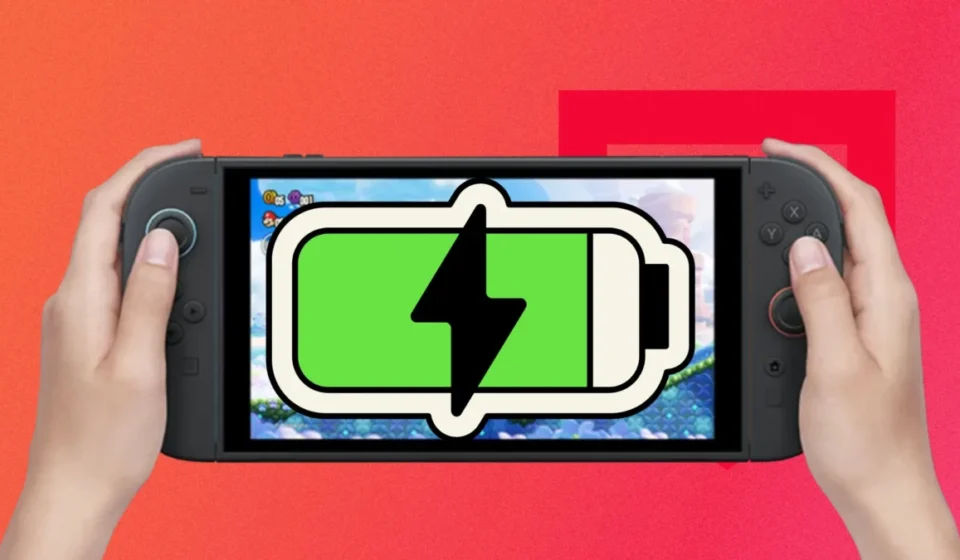
Nintendo Switch 2 Poised for Battery Revamp Amidst Evolving EU Regulations

The future of portable gaming may be on the cusp of a significant shift, with recent reports suggesting that Nintendo is preparing to address a long-standing user concern regarding the battery life and replaceability of its upcoming console, the Nintendo Switch 2. While the original Nintendo Switch has been lauded for its innovative hybrid design, its integrated battery has been a consistent point of contention for players, particularly those engaging in extended gaming sessions. The inability to easily replace a degrading or faulty battery has often meant a costly console replacement, a scenario that Nintendo may soon be actively working to avoid, at least for a significant portion of its global audience.
H2: EU Legislation Drives Potential Battery Change
At the heart of this potential hardware revision lies a new directive from the European Union: the EU Battery Regulation. This legislation, officially enacted earlier this year, mandates that portable electronic devices placed on the EU market must allow consumers to easily remove and replace their batteries. The regulation aims to promote sustainability by extending the lifespan of electronic products, reducing electronic waste, and empowering consumers with greater control over their devices. The deadline for full compliance with this regulation is July 31, 2026, a date that provides a clear timeline for manufacturers to adapt their product designs.
According to a report originating from Nikkei, a reputable Japanese business publication, Nintendo is reportedly planning to introduce a version of the Switch 2 that features a user-replaceable battery. This move is understood to be a direct response to the aforementioned EU Battery Regulation. While the initial report from Nikkei is behind a paywall, further details have been corroborated and expanded upon by Nintendo Everything, a well-known outlet specializing in Nintendo news. These sources indicate that the primary impetus for this design change is to ensure compliance with the stringent requirements set forth by the European Union.
H2: A Shift Towards User Maintainability
The implications of a user-replaceable battery on the Nintendo Switch 2 are multifaceted. For consumers, it represents a significant enhancement in the device’s longevity and user experience. The current model of the Switch, while popular, has faced criticism for its integrated battery, which degrades over time and cannot be easily swapped out by the end-user. This often necessitates sending the console in for repair, incurring costs and downtime, or, in cases of irreparable battery failure, purchasing an entirely new unit. The prospect of simply purchasing and installing a new battery would drastically alter this paradigm, offering a more economical and convenient solution for extending the console’s operational life.
This change also aligns with a broader trend in consumer electronics towards greater repairability and sustainability. As environmental concerns continue to grow, regulatory bodies and consumers alike are increasingly pushing for products that are designed for longevity and ease of maintenance. By embracing user-replaceable batteries, Nintendo would be positioning the Switch 2 as a more environmentally conscious and consumer-friendly device, potentially setting a precedent for future hardware revisions and even for other manufacturers in the gaming industry.
H3: Examining the EU Battery Regulation
The EU Battery Regulation, officially Regulation (EU) 2023/1542, is a comprehensive piece of legislation designed to overhaul the entire lifecycle of batteries. It covers a wide range of battery types, from those found in portable electronic devices to industrial batteries and electric vehicle batteries. Key provisions relevant to portable electronics include:
- Replaceability: As of July 31, 2026, portable electronic devices placed on the EU market must allow consumers and independent operators to easily remove and replace batteries. This means batteries should not be permanently affixed or sealed in a way that requires specialized tools or significant technical expertise to access.
- Collection and Recycling: The regulation also strengthens requirements for the collection of waste batteries and sets ambitious recycling targets. The aim is to maximize the recovery of valuable materials and minimize the environmental impact of battery disposal.
- Labeling and Information: Batteries will be required to carry detailed labels providing information about their capacity, chemical composition, and safety instructions. Consumers will also be provided with information on how to use, maintain, and dispose of batteries responsibly.
- Carbon Footprint: For certain categories of batteries, manufacturers will be required to demonstrate a reduced carbon footprint throughout their lifecycle.
The deadline of July 31, 2026, for the replaceability mandate is a critical factor. It suggests that Nintendo is likely in the advanced stages of developing the Switch 2 and is making design adjustments to meet this impending regulatory requirement. This also implies that the initial launch of the Switch 2 might not feature this capability if it is not yet finalized or if regional rollout strategies differ. However, the long-term commitment to the EU market and the growing global emphasis on sustainability make it probable that this feature will eventually be extended to other regions.

H2: Potential Hardware Revisions and Market Implications
The introduction of a user-replaceable battery could necessitate a redesign of the Switch 2’s internal architecture and external casing. The ease of removal and replacement will be a key determinant of how this change is implemented. Nintendo has historically been innovative in its hardware design, and it will be interesting to observe how they balance the need for user accessibility with the console’s form factor and durability.
There are several ways Nintendo could approach this:
- Internal Redesign: The most likely scenario involves an internal redesign that allows users to access the battery compartment with minimal effort, perhaps through screws accessible on the exterior or a simple latch mechanism. This would maintain a sleek profile while enabling user intervention.
- Modular Design: A more ambitious approach could involve a partially modular design, where certain components, including the battery, are more easily swappable. This could extend to other parts in the future, fostering an even greater sense of user ownership and repairability.
- Accessory Battery Packs: While less likely for a core redesign, Nintendo could also consider offering officially sanctioned external battery packs that seamlessly integrate with the Switch 2, offering extended playtime without requiring internal modification. However, the EU regulation specifically focuses on replaceable batteries within the device itself.
The market implications of a user-replaceable battery are substantial. For consumers, it means a potentially longer lifespan for their investment in the Switch 2. This could translate into increased customer satisfaction and loyalty, as users feel more empowered and less disposable in their relationship with the hardware. Furthermore, it could open up a market for third-party battery manufacturers, offering consumers a wider range of options in terms of capacity and cost, provided Nintendo allows for compatible third-party solutions.
H3: Historical Context of Nintendo’s Battery Concerns
The Nintendo Switch’s integrated battery has been a point of discussion since its launch in 2017. While Nintendo has offered battery replacement services, the process has not always been straightforward or cost-effective for all users. Anecdotal evidence from online forums and gaming communities frequently highlights instances where batteries have degraded significantly after a few years of heavy use, leading to reduced playtime and frustration.
For example, during extended gaming sessions, particularly with demanding titles, the Switch’s battery life can diminish considerably. While Nintendo has released improved models of the original Switch with longer battery life, the fundamental design of an integrated, non-user-replaceable unit has remained consistent. This has left many players feeling that their expensive gaming console has a built-in obsolescence due to its power source.
The introduction of a user-replaceable battery on the Switch 2 would mark a significant departure from this long-standing design philosophy for Nintendo’s portable hardware. It suggests a willingness to adapt to evolving consumer expectations and regulatory landscapes.
H2: Broader Impact and Future Outlook
The decision by Nintendo to comply with the EU Battery Regulation by implementing a user-replaceable battery on the Switch 2 could have far-reaching consequences.
- Regional Rollout: While the initial focus is on the EU, it is highly probable that Nintendo will extend this design to other major markets, including Japan, North America, and other territories. Consumer demand for more sustainable and repairable electronics is a global phenomenon, and Nintendo’s adherence to EU standards could serve as a catalyst for broader adoption.
- Industry Precedent: If successful, this move could encourage other console manufacturers and portable electronics companies to re-evaluate their own battery design strategies. The pressure to comply with similar regulations in other regions, or to proactively meet growing consumer demand for repairability, could lead to a widespread shift in the industry.
- Sustainability Narrative: Nintendo has an opportunity to leverage this change to bolster its corporate sustainability narrative. By emphasizing the extended lifespan and reduced waste associated with a replaceable battery, the company can appeal to environmentally conscious consumers and position itself as a responsible industry leader.
While official confirmation from Nintendo regarding the specific design of the Switch 2’s battery remains pending, the convergence of reputable media reports and the clear legislative deadline of the EU Battery Regulation strongly suggest that a significant change is indeed on the horizon. Gamers worldwide will be eagerly awaiting further details, hopeful that the Nintendo Switch 2 will not only deliver groundbreaking gaming experiences but also offer a more sustainable and user-friendly approach to portable power. The coming months, leading up to the July 2026 deadline, will undoubtedly be a period of keen observation for both consumers and industry analysts alike.