Inaugural Indian Sailing League Set to Transform Maritime Sports Landscape from Shillong’s Umiam Lake in 2026

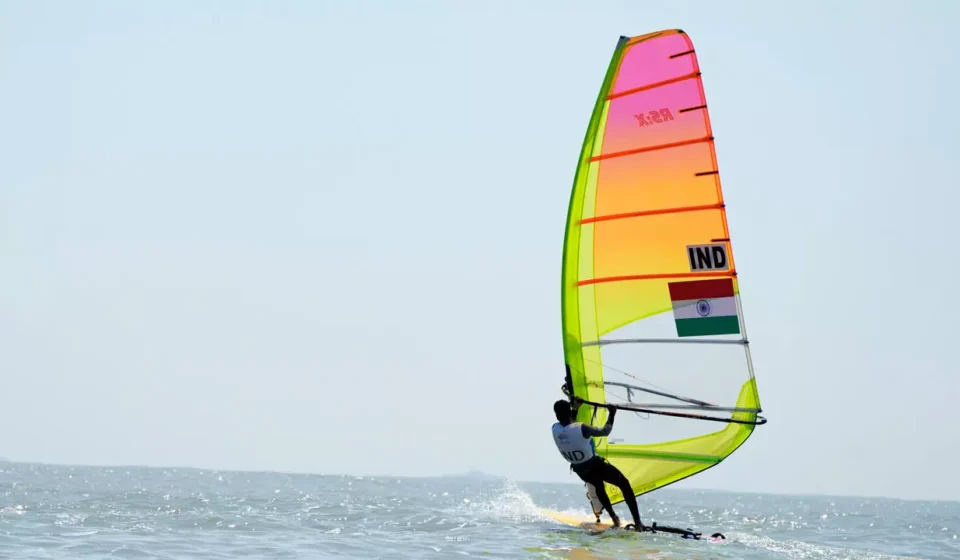
The Indian sports ecosystem, having witnessed a radical transformation through the proliferation of franchise-based models across cricket, kabaddi, football, and badminton, is poised to venture into uncharted waters with the introduction of the first-ever Indian Sailing League (ISL). Scheduled to take place from March 27 to March 31, 2026, the league represents a milestone in the professionalization of niche sports in the Indian subcontinent. Set against the scenic backdrop of Umiam Lake in Shillong, Meghalaya, the inaugural edition aims to bridge the gap between traditional maritime skills and modern competitive sports marketing. With 14 franchises and a diverse roster of 182 sailors, the event is designed to elevate sailing from a specialized pursuit to a mainstream spectator sport, leveraging the natural geography of Northeast India to showcase the country’s potential as a multi-sport hub.
The Evolution of Franchise Sports in India and the Birth of the ISL
For the past two decades, India has emerged as a global laboratory for the franchise-based sports model. Beginning with the Indian Premier League (IPL) in 2008, the "league culture" has successfully revitalized sports that were previously relegated to the periphery of public consciousness. The Indian Sailing League follows this proven blueprint, seeking to monetize and popularize a sport that has historically been confined to naval academies and elite private clubs.
The decision to host the event in Shillong is particularly strategic. While sailing is traditionally associated with coastal cities like Mumbai, Chennai, and Kochi, the selection of Umiam Lake—commonly known as Barapani—highlights a concerted effort to decentralize sports infrastructure. At an altitude of approximately 3,200 feet, the lake provides unique wind conditions and a freshwater environment that differs significantly from the saline, tide-heavy conditions of the Indian Ocean. This choice not only tests the adaptability of the participating sailors but also promotes Meghalaya as a premier destination for adventure sports and "blue economy" tourism.
Technical Structure and Competition Categories
The Indian Sailing League is structured to provide a comprehensive representation of modern competitive sailing. By incorporating various boat classes, the organizers ensure that the competition remains inclusive of different age groups and physical requirements. The event will feature a mix of Olympic-standard categories and youth-focused classes, creating a pathway for long-term athlete development.
Olympic and Professional Categories
The core of the competition will revolve around the ILCA (International Laser Class Association) categories, which are staples of the Olympic Games.
- ILCA 7: Formerly known as the Laser Standard, this is the men’s Olympic single-handed dinghy. It requires immense physical strength and tactical prowess, making it the premier category for seasoned professionals.
- ILCA 6: Previously the Laser Radial, this serves as the women’s Olympic single-handed dinghy. It is also used by youth and lighter sailors, offering a high degree of technical complexity.
- 420 Class: This is a double-handed monohull that serves as a crucial stepping stone to the larger 470 Olympic class. It emphasizes teamwork, synchronization between the helm and the crew, and spinnaker handling.
Youth and Development Categories
Recognizing the importance of grassroots development, the ISL has integrated youth-specific categories into its inaugural roster:
- ILCA 4: Designed for younger sailors transitioning from the Optimist class, the ILCA 4 (Laser 4.7) allows emerging talents to compete on a platform that mirrors senior international standards.
- Optimist Class: As the most popular sailing dinghy for children under 15, the inclusion of the Optimist class ensures that the league fosters a pipeline of talent. This category will feature the youngest competitors, including 12-year-old Indian prodigy Krishna Venkitachalam, representing SailX Gorakhpur.
A Global Convergence: International Participation and Demographics
One of the defining features of the Indian Sailing League is its international character. While the franchises are rooted in Indian cities, the sailor pool is global. A total of 182 sailors from diverse nations—including Russia, South Korea, Taiwan, Hong Kong, Malaysia, and Sri Lanka—will compete alongside India’s best. This international influx is expected to raise the technical standard of the competition, providing Indian sailors with much-needed exposure to global racing tactics and maneuvers.
The league also presents a fascinating demographic study, showcasing the longevity of the sport. At one end of the spectrum is David Fan of Hong Kong, a 60-year-old veteran representing the Goa Mariners in the ILCA 7 category. Fan, who brings over four decades of experience as a sailor, international judge, and umpire, embodies the "sport for life" philosophy. His participation underscores the tactical nature of sailing, where experience and "reading the wind" can often compensate for the raw physical energy of younger competitors. At the other end of the spectrum are sailors like Krishna Venkitachalam, representing the next generation of Indian maritime talent. This blend of youth and experience is intended to create a mentorship dynamic within the franchise system.
The 14 Franchises: A Pan-Indian Footprint
The ISL has successfully attracted investment from various regions, resulting in 14 distinct franchises. Each team represents a specific city or region, aiming to build a localized fan base while contributing to a national narrative. The participating teams are:
- Secundrabad Daredevil
- Deccan Skippers
- Goa Mariners
- Chennai Sailing Knights
- Pune Peshwas
- Vir Cholas
- Shillong Navigators
- Bhopal Tritons
- AJ’s Vijag Vikings
- Lake City Tigers
- SailX Gorakhpur
- OA’s Super Power
- Pondichery Pirates
- Mumbai Meridian
This distribution ensures that the league is not merely a "coastal" event. Teams from landlocked regions like Bhopal, Pune, and Gorakhpur signify the growing interest in inland sailing and the utilization of India’s vast network of lakes and reservoirs for competitive sports.
Strategic Impact on Indian Olympic Ambitions
The launch of the Indian Sailing League is timely, given India’s renewed focus on improving its Olympic medal tally. Historically, India has had a presence in Olympic sailing, with athletes like Nethra Kumanan and Vishnu Saravanan making significant strides in recent years. However, the lack of a consistent, high-stakes domestic circuit has often forced Indian sailors to train abroad for extended periods.
By providing a professional league at home, the ISL offers several strategic advantages:
- High-Pressure Environment: The franchise format, with its inherent commercial and competitive pressure, prepares athletes for the psychological rigors of international championships.
- Data and Analytics: Modern sailing relies heavily on wind data and performance analytics. The league is expected to implement tracking technologies that will help coaches and athletes analyze their maneuvers with precision.
- Sponsorship and Funding: The franchise model attracts private capital, which can be reinvested into better equipment—such as high-performance hulls and sails—which are often prohibitively expensive for individual athletes.
Tourism and Economic Implications for Meghalaya
The selection of Shillong as the host city is expected to provide a significant boost to the local economy. Sports tourism is a rapidly growing sector in India, and an event of this scale attracts not only athletes and officials but also spectators, media personnel, and technical support staff.
Umiam Lake, a major tourist attraction, will see upgraded infrastructure to accommodate the 14 franchises and their equipment. Beyond the immediate five-day event, the legacy of the ISL could include the establishment of a permanent sailing academy in the Northeast, further diversifying the region’s sporting profile, which has traditionally been dominated by football and archery.
Broadcasting and Digital Reach: Bringing Sailing to the Masses
A perennial challenge for sailing has been its "visibility." Unlike stadium-based sports, sailing takes place on the water, often at a distance from the shore. To combat this, the Indian Sailing League is leveraging digital broadcasting technologies. The inaugural edition will be live-streamed on the SportVot website and the "Udayforsailors" YouTube channel.
The use of drone cameras, on-board GoPros, and real-time graphics will be essential in making the races understandable to a lay audience. By explaining the "laylines," "tacking," and "jibing" through expert commentary, the broadcasters aim to demystify the sport and build a dedicated digital community.
Chronology of the Event and Future Outlook
The road to the March 2026 launch involves a multi-phase preparation timeline. Following the initial announcement, the league is expected to conduct franchise auctions, sailor drafts, and pre-season training camps. The five-day event in Shillong (March 27-31) will serve as a "proof of concept" for future seasons.
As the league progresses, there are plans to expand the number of venues, potentially moving to other iconic inland water bodies like the Upper Lake in Bhopal or the coastal waters of Goa and Visakhapatnam. The ultimate goal is to create a sustainable sporting calendar that aligns with the international sailing circuit, ensuring that India becomes a mandatory stop for the world’s best sailors.
In conclusion, the Indian Sailing League represents more than just a series of boat races; it is a calculated move to modernize an ancient discipline. By combining the thrill of competition with the scenic beauty of Meghalaya and the commercial viability of the franchise model, the ISL is set to chart a new course for Indian sports, proving that with the right wind in its sails, even the most niche sport can reach the shores of mainstream success.