Framework Computer Announces "Next Gen" Event, Signaling a Bold New Direction for Modular and Open Computing

Framework Computer, the pioneering company renowned for its commitment to repairable and upgradeable personal computing hardware, has officially announced its highly anticipated "Next Gen" event. Scheduled to commence on April 21st, this event is poised to unveil the company’s latest hardware advancements, reinforcing its core philosophy of empowering users with control over their computing systems. The announcement, made via the company’s official blog, has sent ripples of anticipation through the tech community, particularly among those who champion sustainability and user agency in an increasingly disposable electronics market.
The "Next Gen" event will be a global affair, accessible to a worldwide audience through a livestream. Concurrently, a select group of individuals has been invited to experience the new products firsthand, a move that suggests a tangible shift in Framework’s product strategy. While specific details regarding the upcoming hardware remain under wraps, the company’s strategic teasers and the prevailing industry currents strongly indicate a renewed focus on modularity, enhanced user customization, and a deeper integration with open-source platforms, most notably Linux. This upcoming event is not merely a product launch; it represents a strategic juncture for Framework, potentially redefining the landscape of user-centric computing in the face of evolving technological paradigms and growing environmental concerns.
A Teased Shift Toward Next-Gen Modular and Open Computing
Framework has intentionally maintained an air of mystery surrounding the specifics of the "Next Gen" event. However, the company’s carefully crafted messaging offers compelling hints at a broader evolution in its strategic direction. The teaser campaign, which has been circulating across various tech forums and social media channels, prominently features references to Linux ecosystems and the broader concept of open computing. This deliberate emphasis suggests that Framework’s upcoming hardware offerings may lean even further into flexibility, allowing users an unprecedented degree of choice and control over their devices, from hardware configuration to operating system selection.
Industry analysts have long observed Framework’s dedication to pushing the boundaries of modular design. Since its inception, the company has challenged the industry’s prevailing trend of sealed, non-upgradable devices, advocating for a more sustainable and user-empowering approach. This new phase, hinted at by the "Next Gen" branding, appears to signal a commitment to not only iterating on its existing modular laptop and desktop designs but also potentially introducing new form factors or expanding its ecosystem to encompass a wider range of computing needs. The underlying message is clear: Framework is preparing to present hardware that is not only built to last but also built to adapt and evolve alongside the user’s requirements.
The company’s strategic embrace of open computing platforms, particularly Linux, is a significant development. Linux, known for its flexibility, security, and open-source nature, has seen a resurgence in popularity, with a growing number of users and enterprises opting for it over proprietary operating systems. Framework’s potential to further integrate and optimize its hardware for Linux environments could attract a substantial new user base, including developers, privacy-conscious individuals, and those seeking alternatives to the dominant operating system duopoly. This move aligns perfectly with Framework’s ethos of user freedom and control, providing a robust and adaptable software foundation for its modular hardware.
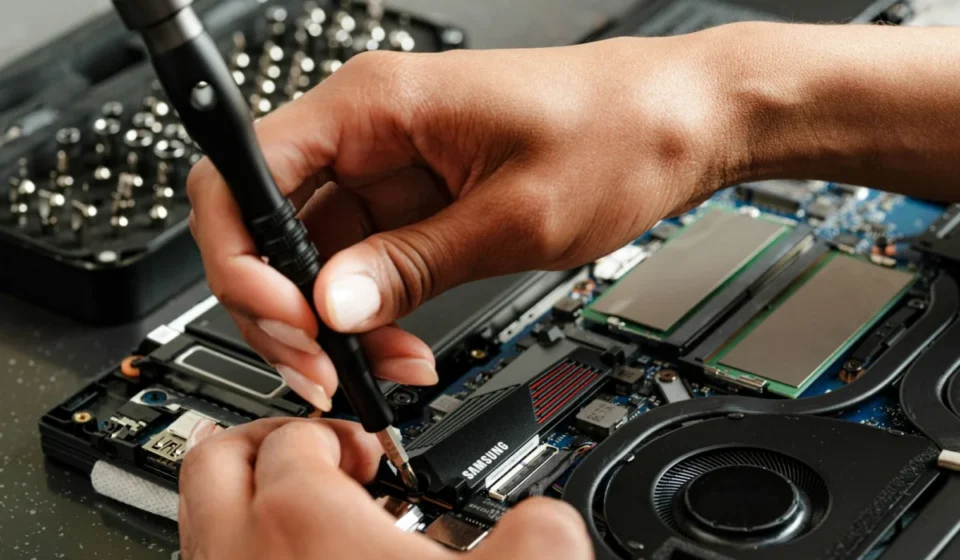
Reports from within the supply chain and from industry insiders suggest that Framework is poised to introduce updated modular laptops and desktops. These new iterations are likely to be powered by next-generation processors, offering a significant leap in performance and efficiency. The modularity inherent in Framework’s design means that these upgrades could be retrofitted into existing Framework machines, further underscoring the company’s commitment to longevity and reducing e-waste. The potential for users to upgrade their processors, memory, storage, and even expansion cards is a cornerstone of the Framework experience, and the "Next Gen" event is expected to showcase how this capability will be advanced.

Beyond the immediate product reveals, Framework has framed this event as more than just a conventional product launch. The company has consistently highlighted growing concerns about the future of personal computing, particularly in an era where resources like memory and silicon are facing increasing constraints. The insatiable demand for more powerful processors, driven by the rapid advancements in Artificial Intelligence (AI), is placing unprecedented pressure on the availability and cost of these critical components. Framework’s proactive stance suggests a vision for computing that is more resource-efficient, sustainable, and less reliant on the constant cycle of hardware obsolescence driven by the pursuit of ever-greater computational power.
Why This Event Matters in Today’s PC Landscape
The timing of Framework’s "Next Gen" announcement is particularly noteworthy, arriving at a critical juncture for the global computing industry. The broader technology sector is currently grappling with a complex interplay of challenges: persistent supply chain disruptions that impact component availability and lead times, escalating raw material and manufacturing costs, and a significant industry-wide shift toward cloud-based, AI-centric infrastructure. This latter trend, while driving innovation, also raises questions about data privacy, vendor lock-in, and the diminishing role of personal hardware ownership.
In this dynamic and often challenging environment, Framework has strategically positioned itself as a distinct counterpoint to these prevailing industry trends. The company’s unwavering advocacy for repairable, upgradeable hardware that users can fully control and customize stands in stark contrast to the growing prevalence of locked-down systems, often tied to proprietary ecosystems and limited upgrade paths. This philosophy, which prioritizes longevity, user empowerment, and a reduced environmental footprint, has resonated deeply with a growing segment of the market. This includes technology enthusiasts, sustainability advocates, creative professionals, and individuals who value the principles of ownership and deep customization over the convenience of disposable technology.
The upcoming "Next Gen" event is expected to serve as a powerful reinforcement of Framework’s core mission. By potentially introducing new ways to extend device lifespan, enhance adaptability, and reduce the overall cost of ownership, Framework is not just selling computers; it is promoting a more responsible and sustainable model of technology consumption. This approach appeals to a discerning consumer base that is increasingly aware of the environmental and economic implications of their purchasing decisions.
The company’s commitment to transparency and community engagement further sets it apart. Framework actively solicits feedback from its users and incorporates it into its product development cycles. This collaborative approach fosters a sense of loyalty and investment among its customer base, transforming users into active participants in the evolution of the Framework ecosystem. The "Next Gen" event is likely to build upon this foundation, offering insights into how Framework plans to continue its trajectory of innovation while staying true to its foundational principles.
What It Means for Users and the Industry
For consumers, the "Next Gen" event holds the promise of introducing fresh and compelling options in a personal computing market that is increasingly characterized by sealed, non-upgradable devices. The prevailing trend among major manufacturers has been to design devices that are difficult, if not impossible, for users to repair or upgrade. This strategy often leads to shorter product lifecycles and contributes significantly to electronic waste. If Framework delivers meaningful hardware upgrades and expands its modular offerings, it could significantly strengthen the argument for modular computing as a viable and attractive alternative to the traditional, often wasteful, hardware upgrade cycles.

The implications of Framework’s approach extend far beyond individual consumers. More broadly, the company’s messaging and product strategy reflect a growing and increasingly important debate within the technology industry itself. As AI infrastructure continues its rapid expansion, demanding ever-increasing amounts of computational resources and energy, and as centralized cloud computing becomes more prevalent, fundamental questions surrounding ownership, control, and accessibility of technology are coming to the forefront. The reliance on large tech companies for computing power and services raises concerns about data privacy, potential vendor lock-in, and the equitable distribution of technological benefits.
Framework’s steadfast commitment to user freedom and control, embodied in its modular design and support for open platforms, suggests that there remains a significant and potentially growing demand for devices that prioritize these values over the perceived convenience of proprietary, closed systems. This is a demographic that is not content with being passive consumers of technology but rather seeks to be active participants, shaping their tools to meet their specific needs. The company’s success, therefore, serves as a compelling indicator that a market exists for a more sustainable, repairable, and user-empowering approach to personal computing.
Moreover, Framework’s focus on repairability and upgradeability directly addresses the issue of electronic waste, a growing global concern. By enabling users to replace individual components rather than entire devices, Framework significantly extends the usable lifespan of its products. This not only benefits the environment by reducing the demand for new raw materials and the generation of waste but also offers economic advantages to consumers, who can upgrade their machines incrementally rather than facing the recurring expense of purchasing entirely new systems. This model represents a paradigm shift away from planned obsolescence and towards a more circular economy for electronics.
The company’s proactive engagement with the open-source community, particularly its strong support for Linux, also has broader implications. By fostering an environment where users can freely choose and customize their operating systems, Framework democratizes access to advanced computing capabilities and encourages innovation within the software ecosystem. This can lead to the development of more specialized and efficient applications, tailored to the unique strengths of modular hardware.
What Comes Next
The Framework Next Gen event is scheduled to commence on April 21st at 10:30 AM Pacific Time. The company has confirmed that a livestream of the event will be available for global viewers, ensuring that interested parties from around the world can tune in to witness the unveiling of its latest innovations. While specific product announcements remain under wraps, the anticipation is palpable, fueled by the company’s consistent track record of delivering on its promises of modularity and user empowerment.
Expectations are high for new modular hardware, potentially encompassing refreshed laptop and desktop designs, and perhaps even entirely new product categories that leverage Framework’s unique modular architecture. Furthermore, the event may herald significant updates to the company’s software ecosystem, including enhanced support for various operating systems and the expansion of its marketplace for expansion cards and upgrade modules. The company has also strategically hinted that its announcements may address some of the most pressing challenges facing the computing industry today, including persistent supply chain pressures and the escalating costs of essential electronic components.
Ultimately, the Framework Next Gen event is likely to offer more than just a glimpse of new devices. It is expected to provide valuable insights into how forward-thinking companies like Framework are navigating a rapidly evolving and increasingly complex computing landscape. In an era where raw performance is often prioritized above all else, Framework’s continued emphasis on control, flexibility, long-term usability, and sustainability positions it as a vital voice advocating for a more responsible and user-centric future for personal technology. The event serves as a critical juncture, not only for Framework but for the broader industry, as it grapples with the challenges and opportunities presented by the next generation of computing.