
The Geopolitical Context of the Two-Week Ceasefire
The diplomatic agreement reached on Tuesday follows six weeks of intense military friction involving the United States, Iran, and Israel. This period was marked by a series of high-precision drone strikes targeting energy infrastructure across the Middle East, specifically affecting facilities in Kuwait, Qatar, and the United Arab Emirates. The conflict reached a critical juncture when shipping lanes in the Persian Gulf were effectively throttled, leading to a significant spike in global energy prices and heightened fears of a total supply collapse.
While the ceasefire provides a window for diplomatic engagement, the "conditional" nature of the agreement suggests a high degree of fragility. International observers note that the trust deficit between the U.S.-led coalition and Tehran remains at historic highs. Historical precedents indicate that short-term ceasefires in the region often serve as tactical pauses rather than precursors to a permanent peace. For investors and energy consumers, the immediate concern is that the "medicine" of the ceasefire is being mistaken for a "cure" for the systemic instability that has characterized the market since the onset of hostilities.
A Chronology of the Conflict and its Impact on Shipping
The escalation began approximately two months ago, with localized skirmishes eventually expanding into a multi-front regional crisis. The timeline of the disruption highlights the speed at which global energy security can be compromised:
- Phase 1: Infrastructure Targeting: Initial drone strikes focused on secondary pumping stations and storage facilities, causing localized supply hitches.
- Phase 2: Maritime Interdiction: Tehran began exercising greater control over the Strait of Hormuz, the world’s most important oil chokepoint, through which approximately 21 million barrels of oil flow daily.
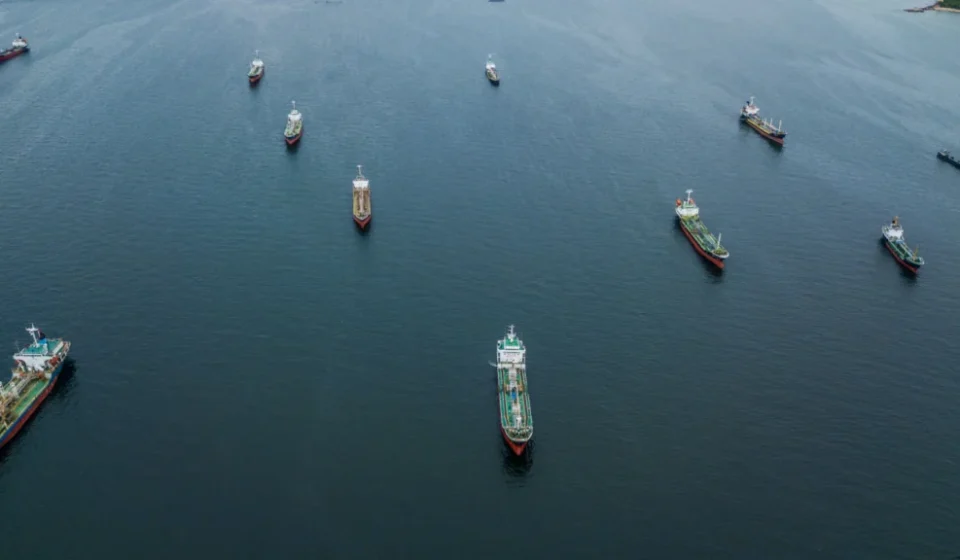
- Phase 3: The Tanker Crisis: Within four weeks, a massive backlog of vessels formed as insurance premiums skyrocketed and safe passage could no longer be guaranteed.
- Phase 4: The Ceasefire Agreement: After intense back-channel negotiations, the current 14-day pause was announced to allow for humanitarian aid and a cooling of military tensions.
Despite the halt in active combat, the physical "plumbing" of the global oil market remains severely congested. According to data from Fertmax FZCO, approximately 187 tankers are currently stationary within the Persian Gulf. These vessels are estimated to be carrying 172 million barrels of seaborne crude and refined petroleum products. Furthermore, an additional 800 ocean-going vessels of various classifications are clogging the shipping channels. Experts, including Daejin Lee, global head of research at Fertmax FZCO, suggest that clearing a maritime backlog of this magnitude would require significantly longer than the two-week duration of the ceasefire, even under optimal operational conditions.
The Emergence of the "Iranian Toll Booth"
One of the most significant structural changes resulting from the conflict is Iran’s tactical shift regarding the Strait of Hormuz. For decades, the strait has functioned as a toll-free international waterway. However, in recent weeks, Tehran has effectively transformed the passage into a revenue-generating mechanism. Reports indicate that Iranian authorities have been charging shipping companies as much as $2 million per tanker to guarantee "security and safe passage" through the chokepoint.
This development represents a fundamental revision of maritime norms. Analysts argue that having discovered a source of "easy money," the Iranian government is unlikely to relinquish this leverage without significant concessions or a permanent diplomatic settlement. This new "security fee" adds a layer of permanent cost to every barrel of oil exiting the Gulf, ensuring that even if the shooting stops, the price of energy will remain structurally higher than pre-war levels.
Physical Infrastructure Damage and Recovery Timelines
The market’s current reaction assumes that the cessation of drone strikes will lead to an immediate return to full production capacity. This perspective overlooks the extent of the physical damage sustained by energy assets across the region. The six-week campaign of strikes has impacted refineries, desalination plants (essential for oil production processes), and export terminals from Kuwait to the UAE.
Repairing sophisticated energy infrastructure is a process measured in months and years, not days. Supply chains for specialized parts are already strained globally, and the technical expertise required for these repairs cannot be deployed safely until a long-term peace is guaranteed. Consequently, the global supply of oil is likely to remain constrained for the foreseeable future, regardless of the success of the two-week diplomatic window.
Behavioral Shifts: From "Just in Time" to "Just in Case"
The psychological impact of the crisis on global governments and corporations is driving a shift in energy procurement strategies. The "just in time" inventory model, which prioritized efficiency and low storage costs, has been proven vulnerable by the Persian Gulf disruptions. In response, a "just in case" philosophy is taking hold.
Matt Gertken, U.S. Political Strategist at BCA Research, notes that countries caught flat-footed by the crisis are now moving to aggressively restock and expand their strategic reserves. This surge in demand is not driven by current consumption but by a desire for future security. As nations hoard oil and gas to build a buffer against renewed conflict, they create a persistent floor for prices. This aggressive restocking phase is expected to accelerate demand in the coming months, counteracting the downward pressure caused by the ceasefire announcement.
The Divergence of U.S. Natural Gas Markets
While crude oil has dominated the headlines, a critical divergence is occurring in the natural gas sector. Interestingly, U.S. natural gas prices have remained relatively stable—and in some cases lower—since the conflict began, contrasting sharply with international benchmarks. This discrepancy is largely due to record-breaking domestic production levels in the United States, which have kept the local market well-supplied.
However, the international picture is far more dire. European natural gas prices have more than doubled since the outbreak of hostilities, and Asian liquefied natural gas (LNG) benchmarks have seen similar surges. This has created a historic "spread" between cheap domestic U.S. gas and the high prices paid by global buyers.
The Role of U.S. LNG as a Strategic Asset
The United States currently stands as the world’s largest exporter of LNG. With the Middle East in a state of flux, U.S. producers are positioned as the most reliable alternative for energy-starved nations in Europe and Asia. The demand for U.S. LNG is no longer just a matter of price; it is a matter of national security for importing countries.
This structural shift favors companies with significant geographically safe production capacity. Countries that previously relied on Middle Eastern energy are now seeking long-term contracts with suppliers located outside the immediate "blast radius" of the Iran-Israel conflict. This transition ensures that U.S. energy producers will likely see sustained demand and high profit margins even if oil prices experience short-term volatility.
Broader Economic and Market Implications
The recent selloff in energy stocks, triggered by the ceasefire news, may ultimately be viewed by historians as a "panic out" of positions that are actually underpinned by strong fundamentals. The prognosis for global energy remains deeply unsettled. The structural shift toward higher strategic reserves, combined with the damaged infrastructure in the Middle East and the new costs associated with the Strait of Hormuz, suggests that the energy bull market is far from over.
Investors who focus solely on the headlines of a two-week ceasefire may miss the broader trend of energy balkanization. As the world moves away from a unified global market toward a more fragmented system based on regional security and "friendly" supply chains, the valuation of energy assets will increasingly depend on their geographic location and the reliability of their transport routes.
In summary, the US-Iran ceasefire is a temporary pause in a much larger transformation of the global energy economy. The backlog of tankers, the permanent damage to Gulf infrastructure, the new Iranian "toll" system, and the global rush to restock reserves all point toward a "higher for longer" price environment. While the immediate "pain" of high prices may have been dulled by the ceasefire’s "anesthesia," the underlying injuries to the global energy system will require much more than a 14-day window to heal. For the foreseeable future, the energy market will remain a "sick patient," and the reliance on stable, non-Middle Eastern sources of oil and gas—particularly from the United States—will only continue to grow.