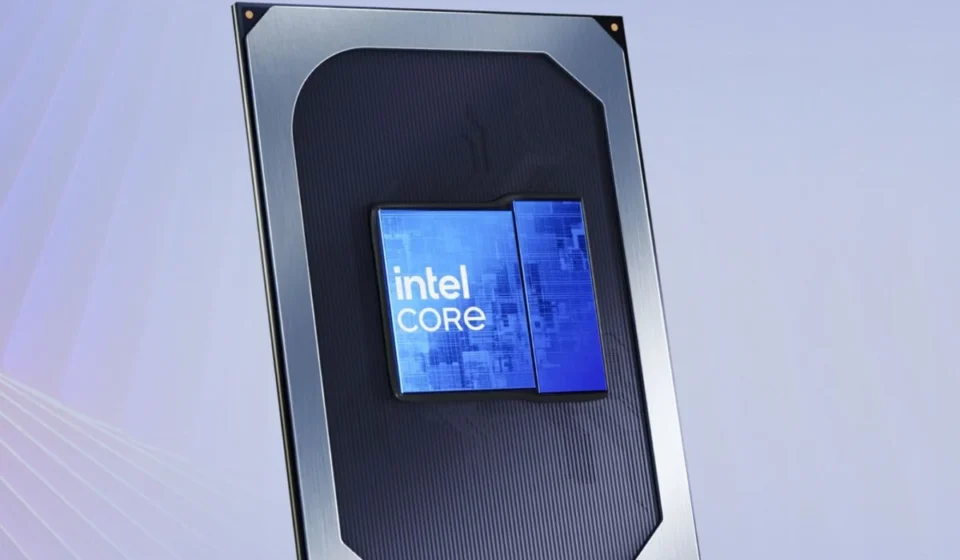
Intel Launches Core Series 3 Processors to Revitalize Affordable Laptop Market

Intel has officially unveiled its new Core Series 3 mobile processors, a strategic initiative designed to inject modern capabilities into the next generation of affordable laptops without inflating their price points. This launch targets a broad spectrum of users, including educational institutions, small businesses, and developers of essential edge devices, signaling Intel’s commitment to democratizing advanced computing features across accessible notebook segments. The foundational architecture of these new chips is directly inherited from Intel’s more powerful Core Ultra Series 3 family, promising a significant uplift in performance and features for budget-conscious consumers.
The Core Series 3 processors leverage Intel’s cutting-edge 18A process node, a testament to the company’s ongoing investment in advanced manufacturing. This technological foundation enables a hybrid CPU architecture, incorporating performance-cores (P-cores) and efficient-cores (E-cores) to dynamically manage workloads and optimize power consumption. A key highlight of this new lineup is its built-in AI-ready capability, facilitated by an integrated Neural Processing Unit (NPU), allowing for enhanced artificial intelligence tasks directly on the device. This integration marks a significant step in bringing AI acceleration to more mainstream computing platforms, moving beyond the exclusive domain of high-end devices. Furthermore, the processors boast updated connectivity options, ensuring these affordable systems remain relevant and capable in an increasingly interconnected digital landscape.
Bringing Premium Features to the Value Segment
Intel’s strategy with the Core Series 3 is to bridge the performance gap between entry-level and mid-range computing, making modern functionalities available at an unprecedented scale. The processors are engineered to support up to 40 platform Tera Operations Per Second (TOPS) from their NPUs, a metric indicating substantial AI processing power. This capability opens doors for more sophisticated on-device AI applications, from enhanced video conferencing with AI-powered noise cancellation and background blur to more efficient image and video editing, and even enabling basic AI-driven productivity tools.
Beyond AI, the Core Series 3 brings state-of-the-art connectivity to affordable laptops. The platform supports up to two Thunderbolt 4 ports, offering high-speed data transfer, external display connectivity, and power delivery through a single cable. This is a significant upgrade from the often-limited connectivity found in budget laptops. Additionally, the inclusion of Wi-Fi 7 and Bluetooth 6 ensures users benefit from the latest wireless standards, providing faster, more stable, and more efficient wireless communication. These modern connectivity features are crucial for seamless integration with a growing ecosystem of peripherals and networks.
Intel has presented compelling value propositions by comparing the performance gains of the Core Series 3 against older PC hardware. The company claims up to 47% better single-thread performance and up to 41% better multi-thread performance compared to a typical five-year-old PC. These improvements translate directly into snappier application loading, smoother multitasking, and a more responsive user experience for everyday tasks. The leap in GPU AI performance is particularly striking, with claims of up to 2.8 times better performance on AI workloads compared to older machines. This suggests that even entry-level systems powered by Core Series 3 can handle AI-accelerated tasks that were previously out of reach.
A Modern Foundation for Everyday Computing
The architectural blueprint of the Intel Core Series 3 platform reveals a sophisticated design optimized for both performance and efficiency. The platform can accommodate up to two Cougar Cove P-cores for demanding tasks and four Darkmont LP E-cores for power-saving operations. This hybrid approach ensures that the processor can intelligently allocate resources, delivering robust performance when needed while conserving battery life during lighter workloads. The integrated NPU, designated as NPU 5, is a critical component for AI acceleration, working in tandem with the CPU and GPU to offload AI computations.
Graphics capabilities are handled by Intel Xe graphics, providing improved visual performance for integrated solutions. This translates to better experiences with multimedia content, casual gaming, and graphically intensive applications. The platform also supports advanced memory technologies, including LPDDR5X-7467 and DDR5-6400, which offer significantly higher bandwidth and lower latency compared to older memory standards. This boost in memory performance contributes to overall system responsiveness and faster data processing.
Storage flexibility is another area addressed by the Core Series 3. The platform supports either UFS 3.0 or Gen 4 SSD storage, depending on the specific system design implemented by manufacturers. While UFS 3.0 offers a good balance of speed and cost for mobile devices, Gen 4 SSDs provide substantially faster read and write speeds, leading to quicker boot times, faster application launches, and accelerated file transfers. This choice allows manufacturers to tailor storage solutions to specific cost and performance targets for their Core Series 3-powered laptops.
In essence, the Intel Core Series 3 is designed to elevate the user experience on affordable laptops. It aims to eliminate the perception of "cheap" computing by enhancing key areas such as battery life, system responsiveness, the quality of video calls, the execution of light AI tasks, and the feasibility of basic creative work. This comprehensive approach ensures that users can expect a more modern, capable, and enjoyable computing experience without breaking the bank.
Detailed Specifications and Performance Benchmarks
Intel has released detailed specifications for the initial lineup of Core Series 3 mobile processors, providing a clear picture of their capabilities:
| Processor | Cores / Threads | Max Turbo (GHz) | NPU TOPS | Xe-cores | GPU TOPS | Base & Max Power (W) |
|---|---|---|---|---|---|---|
| Intel Core 7 360 | 6 / 6 | 4.8 | 17 | 2 | 21 | 15-35 |
| Intel Core 7 350 | 6 / 6 | 4.8 | 17 | 2 | 21 | 15-35 |
| Intel Core 5 330 | 6 / 6 | 4.6 | 16 | 2 | 20 | 15-35 |
| Intel Core 5 320 | 6 / 6 | 4.6 | 16 | 2 | 20 | 15-35 |
| Intel Core 5 315 | 6 / 6 | 4.4 | 15 | 2 | 18 | 15-35 |
| Intel Core 3 304 | 5 / 5 | 4.3 | 15 | 1 | 9 | 15-35 |
These specifications highlight a tiered approach within the Core Series 3 family, with Core 7 processors offering higher clock speeds and NPU performance. The consistent power envelope of 15-35W indicates a focus on balanced performance and battery life for thin-and-light and mainstream laptop form factors. The inclusion of a dedicated NPU across most models, with varying TOPS ratings, underscores Intel’s commitment to AI integration at this level. The Xe-cores and GPU TOPS figures suggest a notable improvement in graphics and AI inference capabilities compared to older integrated graphics solutions.
Market Introduction and Partner Ecosystem
Intel has announced an aggressive rollout plan for its Core Series 3 processors. Over 70 new laptop designs from a wide array of Original Equipment Manufacturers (OEMs) are expected to hit the market. Consumer and commercial systems featuring these new chips are slated for availability starting April 16, 2026. Edge systems, which often have different development and deployment cycles, will begin shipping in the second quarter of 2026.
The extensive list of manufacturing partners underscores the broad industry adoption anticipated for this new processor line. Key players such as Acer, Asus, Dell, HP, Lenovo, MSI, and Samsung are among the companies that will be releasing laptops powered by Intel Core Series 3. This widespread support from major PC manufacturers is crucial for ensuring that the new processors reach a diverse global market and that consumers have ample choice when looking for an affordable, modern laptop.
Analysis of Broader Implications and Future Outlook
The introduction of Intel Core Series 3 processors represents a significant shift in how advanced computing features are distributed across the PC market. By bringing elements of the Core Ultra platform down to more accessible price points, Intel is not only aiming to boost sales in the budget laptop segment but also to redefine user expectations for what an affordable computer can achieve. The focus on AI-ready capabilities, in particular, positions these laptops to be more future-proof, capable of handling emerging AI-driven software and services.
This move could also have a ripple effect on the competitive landscape. It puts pressure on other chip manufacturers to accelerate their efforts in bringing similar technologies to budget segments. For consumers, it means potentially getting more computational power and advanced features for their money, especially when upgrading from older machines. The significant performance gains claimed against five-year-old PCs highlight the substantial technological leap that users can expect.
However, the success of this initiative will ultimately depend on the final retail pricing of the laptops. As the article notes, the industry has been experiencing price hikes, and the actual value proposition of these new Intel-powered machines will only become clear once they are available for purchase. If OEMs can maintain competitive pricing while capitalizing on the enhanced capabilities of the Core Series 3, Intel could see a significant resurgence in the mainstream and budget laptop markets. The availability of these processors in Q2 2026 for edge devices also signals a commitment to expanding AI capabilities beyond personal computing into industrial and specialized applications. This dual approach suggests a long-term strategy to embed AI throughout Intel’s product portfolio. The sustained investment in process technology like 18A and the architectural innovations borrowed from higher-end lines indicate a robust roadmap for future affordable computing solutions.