Amazon Embarks on Ambitious New Smartphone Venture Codenamed ‘Transformer’ After Fire Phone’s Notorious Failure

Amazon, the e-commerce giant and cloud computing behemoth, is reportedly making a significant return to the smartphone market, a decade after its much-publicized and costly misstep with the Fire Phone. Sources familiar with the project, speaking to Reuters, indicate that the company is developing a new mobile device internally dubbed "Transformer." This ambitious endeavor is being spearheaded by a nascent internal group named ZeroOne, established within Amazon’s broader devices unit and led by J Allard, a former Microsoft executive known for his involvement with the Zune music player and the Xbox gaming console. The initiative signals a bold move by Amazon to re-establish its presence in the highly competitive and challenging mobile hardware sector, albeit with a potentially radical new approach that diverges significantly from traditional smartphone paradigms.
The Ghost of Fire Phone Past: A Look Back at Amazon’s First Foray
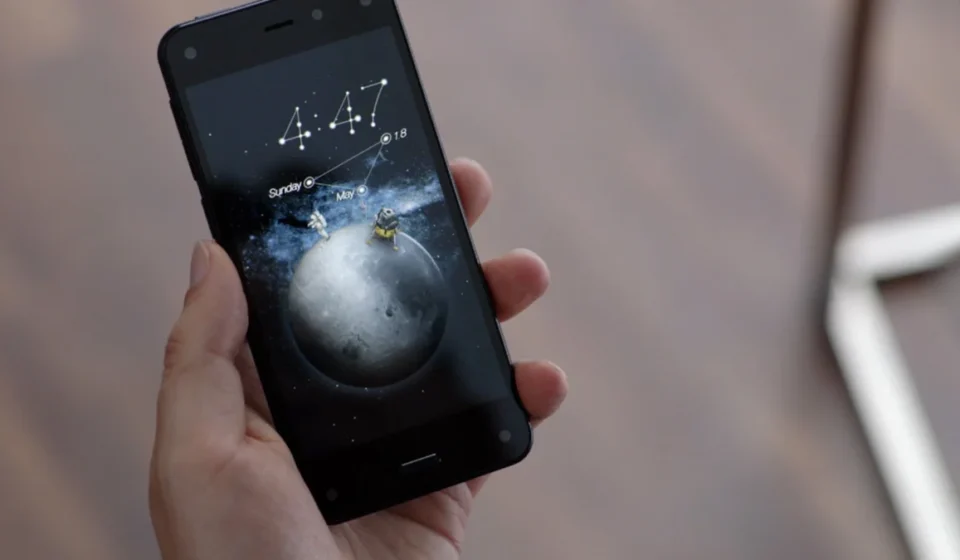
To understand the weight and context of Amazon’s current undertaking, it is crucial to revisit the launch and rapid demise of the Amazon Fire Phone. Unveiled with considerable fanfare in June 2014 by then-CEO Jeff Bezos, the Fire Phone represented Amazon’s direct challenge to industry titans like Apple and Samsung. It was positioned as a premium device, priced at an initial $199 with a two-year contract, placing it directly against flagship smartphones of the era.
The Fire Phone boasted several distinctive features intended to differentiate it in a saturated market. Perhaps the most prominent was "Dynamic Perspective," a unique 3D interface achieved through four front-facing infrared cameras that tracked the user’s head movements. This technology allowed for subtle shifts in on-screen elements, creating a pseudo-3D effect and enabling hands-free navigation. Another signature feature was "Firefly," which used the phone’s camera and microphone to identify objects, music, and movies, providing immediate links to purchase them on Amazon’s platform. The device also offered "Mayday," a 24/7 live video tech support service, connecting users directly with Amazon representatives for immediate assistance.
However, despite these innovative attempts, the Fire Phone failed spectacularly. Several factors contributed to its rapid downfall. Firstly, its pricing was perceived as too high for a device from a newcomer, especially one lacking the robust app ecosystem of Android or iOS. Secondly, Amazon’s decision to launch the Fire Phone exclusively with AT&T in the United States severely limited its market reach. Consumers were reluctant to switch carriers for an unproven device, particularly one that did not offer the full suite of Google Mobile Services, including the popular Google Play Store. Instead, users were restricted to Amazon’s own Appstore, which, while growing, paled in comparison to the breadth and depth of Google’s offering.
The much-hyped Dynamic Perspective, while technically impressive, was often seen as a gimmick rather than a truly useful feature, frequently causing motion sickness for some users and draining battery life. Firefly, while convenient for Amazon purchases, reinforced the perception that the device was primarily a shopping portal rather than a versatile personal computing tool. By September 2014, just three months after its launch, Amazon slashed the price of the Fire Phone to a mere 99 cents with a contract, and by October, the company announced a $170 million write-down related to unsold inventory. The Fire Phone was officially discontinued in August 2015, marking one of Amazon’s most high-profile product failures and a significant financial blow.
Lessons Learned: A Decade of Reflection
The Fire Phone’s failure served as a stark reminder of the complexities and unforgiving nature of the smartphone market. For Amazon, the experience highlighted several critical lessons:
- Ecosystem Matters: A compelling hardware device is insufficient without a robust and widely accepted software ecosystem. Limiting app access proved to be a fatal flaw.
- Pricing and Value Proposition: Overpricing a new entrant without a proven track record or irresistible unique selling points is a recipe for disaster.
- Innovation vs. Gimmickry: Novel features must offer genuine utility and enhance the user experience, rather than simply being technologically impressive.
- Distribution Strategy: Exclusivity deals can severely hamper market penetration, especially for new products trying to gain traction.
It is against this backdrop of a costly lesson that Amazon now approaches the "Transformer" project. The company’s willingness to re-enter this arena suggests a deep-seated belief that it can leverage its vast resources, AI expertise, and unparalleled e-commerce ecosystem to carve out a viable niche, learning from the mistakes of the past.
"Transformer" Emerges: A New Vision for Mobile Personalization
The new device, codenamed "Transformer," is reportedly being conceived as a "potential mobile personalization device." This phrasing suggests a departure from the traditional "smartphone" label, hinting at a device designed with a more focused purpose than the all-encompassing nature of modern handhelds. At its core, "Transformer" aims to act as a "conduit to Amazon customers throughout the day," deeply integrating with the company’s extensive suite of services and products.
Leading the charge for this ambitious project is J Allard, a figure whose career at Microsoft included both groundbreaking successes and notable challenges. Allard was instrumental in the development of the Xbox, transforming Microsoft into a major player in the gaming console market. However, he also oversaw the Zune music player, an attempt to rival Apple’s iPod that ultimately failed to gain significant market share. His background suggests an understanding of both the opportunities and pitfalls inherent in challenging established tech giants with new hardware. His leadership of the ZeroOne group underscores Amazon’s commitment to exploring unconventional approaches, potentially leveraging Allard’s experience in fostering innovative product lines.
Sources indicate that the "Transformer" device would be meticulously designed to streamline interaction with Amazon’s various offerings. This includes making purchases from the Amazon marketplace easier, providing seamless access to Prime Video and Prime Music, and simplifying food ordering from partners like Grubhub. This vision positions the device not merely as a communication tool, but as an extension of the Amazon ecosystem, constantly facilitating user engagement with its services. Alexa, Amazon’s ubiquitous voice assistant, is expected to be a core feature, offering hands-free control and access to information, although it is not envisioned as the primary operating system, suggesting a layer of AI functionality over an underlying, unspecified platform.
The AI-First Paradigm: Beyond Traditional App Stores
Perhaps the most significant and intriguing aspect of the "Transformer" project is its reported focus on artificial intelligence integration, moving away from the conventional smartphone model and its reliance on app stores. The report suggests Amazon is interested in creating a device akin to recent AI-first hardware ventures such as the Humane AI Pin and the Rabbit R1. These devices represent a burgeoning trend towards "contextual computing," where AI anticipates user needs and provides information or services proactively, often through voice commands or gesture interfaces, rather than requiring users to open specific applications.
This "app-less" philosophy is a radical departure from the current mobile paradigm. If successful, it would eliminate the need for users to download, install, and register for individual applications. Instead, the device would leverage its integrated AI to understand user intent and directly provide services or information. For instance, instead of opening a Grubhub app, navigating menus, and placing an order, a user might simply vocalize their food request to the "Transformer" device, which would then handle the entire transaction seamlessly.
The implications of such a model are profound. For users, it promises a simplified, more intuitive interaction with technology, reducing cognitive load and friction associated with app management. For Amazon, it offers an unprecedented level of control over the user experience and direct access to customer data, enabling highly personalized services and targeted recommendations, further solidifying its position as a central hub for consumer needs. It also circumvents the need to compete directly with Google’s Play Store or Apple’s App Store, avoiding the very ecosystem limitations that plagued the Fire Phone. However, the success of this model hinges entirely on the sophistication and reliability of Amazon’s AI, as well as user willingness to embrace a fundamentally different interaction model. The nascent AI-first devices like the Humane AI Pin have faced significant criticism regarding their functionality, battery life, and overall utility, highlighting the immense challenges in delivering on this ambitious vision.
Minimalism Meets Connectivity: Inspiration from Light Phone and "Dumbphone" Concepts
Adding another layer of intrigue to the "Transformer" concept is Amazon’s reported inspiration from devices like the Light Phone and its exploration of "dumbphone" or feature phone designs. The Light Phone is a minimalist device designed for digital detox, offering only essential functionalities such as calling, texting, an alarm, and a calculator. Its core philosophy is to provide a "phone away from your phone," encouraging users to disconnect from the constant barrage of notifications and distractions inherent in modern smartphones. Priced at approximately $700, the Light Phone appeals to a niche market of users seeking greater mindfulness and reduced screen time.
Amazon’s interest in this minimalist approach, coupled with its consideration of a "dumbphone" that could serve as a secondary device—much like the Clicks Communicator for iPhones—suggests a nuanced understanding of evolving consumer needs. The Clicks Communicator, for example, transforms an iPhone into a BlackBerry-esque device with a physical keyboard, catering to users who prioritize tactile input for productivity. This indicates that "Transformer" might not be a primary, all-in-one device for everyone, but rather a specialized tool designed to complement existing technology or cater to specific user preferences for focused interaction.
A "dumbphone" offering from Amazon, potentially as a secondary device, could tap into the growing market for digital wellness tools. Many users express fatigue with smartphone addiction and the relentless demand for attention. A simpler, Amazon-integrated device could offer essential connectivity and access to Amazon services without the overwhelming complexity and distractions of a full-fledged smartphone. This strategy could allow Amazon to target distinct segments: those seeking a streamlined, AI-powered primary device, and those looking for a minimalist secondary device that keeps them connected to Amazon’s ecosystem in a less intrusive way.
Strategic Imperatives: Why Amazon is Re-entering the Fray
The decision to re-enter the mobile hardware market, despite the Fire Phone’s ignominious failure, is a testament to Amazon’s strategic imperatives. The company’s core business relies heavily on customer engagement and purchases. A dedicated Amazon-centric device, deeply integrated with Alexa and its services, presents several advantages:
- Ecosystem Lock-in: By providing a unique hardware experience tailored to its services, Amazon can further entrench users within its ecosystem, making it more challenging for them to switch to competitors.
- Data Collection and Personalization: A dedicated Amazon device would offer unprecedented opportunities for data collection on user behavior, preferences, and needs, enabling highly personalized recommendations and services across all Amazon platforms. This data is invaluable for refining AI algorithms and improving the overall customer experience.
- AI Leadership: Amazon has invested heavily in artificial intelligence, particularly with Alexa. A dedicated AI-first device allows the company to showcase its AI capabilities and push the boundaries of voice interaction and contextual computing, potentially establishing a new standard for intelligent personal assistants.
- Direct-to-Consumer Channel: Owning the hardware allows Amazon to bypass reliance on third-party operating systems (like Android) and their respective app stores, giving them full control over the user experience and monetization model.
- Future-Proofing: As the tech landscape evolves, Amazon recognizes the need to be at the forefront of new interaction paradigms. Betting on AI-first hardware positions them for potential future shifts away from traditional smartphone interfaces.
Industry analysts suggest that Amazon’s renewed push into mobile hardware is less about competing directly with Apple or Samsung for smartphone market share and more about strengthening its hold over the entire consumer journey. By creating a device that seamlessly connects users to Prime, Alexa, and its retail offerings, Amazon aims to become an even more indispensable part of daily life.
Market Landscape and Potential Hurdles
The market for mobile devices is notoriously competitive, dominated by established players with massive brand loyalty and extensive ecosystems. Amazon’s "Transformer" will face significant challenges, even with its differentiated approach.
- User Adoption: Convincing consumers to abandon or supplement their familiar smartphones for a new, potentially less versatile AI-first device will be a formidable task. The initial lukewarm reception of devices like the Humane AI Pin underscores the high bar for user experience in this emerging category.
- Technological Maturity: The success of an AI-first, app-less device hinges on incredibly sophisticated and reliable AI. Any shortcomings in understanding user commands, executing tasks, or integrating with third-party services could quickly lead to frustration and rejection.
- Pricing Strategy: While the original report offers no pricing details, the Fire Phone’s failure demonstrated the sensitivity of consumers to pricing, especially for new entrants. Amazon will need to find a sweet spot that reflects the device’s innovation without alienating potential buyers.
- Overcoming Stigma: The shadow of the Fire Phone still looms. Amazon will need to effectively communicate how "Transformer" is fundamentally different and addresses the shortcomings of its predecessor to regain consumer trust and confidence in its mobile hardware ambitions.
- Developer Ecosystem (or lack thereof): While the app-less vision aims to simplify the user experience, it also presents challenges for developers who typically build for established app stores. Amazon would need to foster a new paradigm for integrating third-party services directly into its AI, which requires significant collaboration and trust.
The project’s internal name, "Transformer," itself evokes a sense of evolution and adaptation, suggesting a device capable of changing how users interact with technology. However, the report also highlights the inherent uncertainty surrounding such ambitious ventures, noting that the project "could be scrapped due to financial concerns or shifts in strategy." Developing new hardware, especially one with a novel AI-centric approach, requires immense capital investment in research, development, manufacturing, and marketing, with no guarantee of success.
The Road Ahead: Uncertainty and Ambition
As Amazon quietly cultivates its "Transformer" project within the ZeroOne group, the technology world watches with a mixture of anticipation and skepticism. The potential re-entry of a tech titan like Amazon into the mobile hardware space is significant, signaling a belief that the future of personal computing extends beyond the traditional smartphone. The strategic vision—a mobile personalization device deeply integrated with Amazon’s ecosystem, driven by AI, and potentially offering a minimalist, app-less experience—is undeniably bold.
Whether "Transformer" will prove to be a groundbreaking success, defining a new category of intelligent devices, or another cautionary tale in Amazon’s hardware journey, remains to be seen. The coming years will reveal if Amazon has truly learned from the Fire Phone’s lessons and if its current ambitious vision for AI-first mobile computing can resonate with consumers in an increasingly crowded and sophisticated tech landscape. For now, "Transformer" represents Amazon’s renewed determination to shape the future of how we interact with technology and, critically, with its vast digital empire.