A Forced Migration: A Tech Journalist’s Comprehensive Review of Switching from Google Pixel to Samsung Galaxy in 2026

The unexpected theft of a Google Pixel 7 Pro in January initiated a significant professional and personal technological shift for a prominent tech journalist, leading to an involuntary yet insightful immersion into the Samsung ecosystem via the Galaxy S23 Ultra. This transition, moving from a device rooted in Google’s pure Android vision to Samsung’s feature-rich One UI, provides a unique comparative analysis of two dominant Android philosophies in the mid-2020s. For years, the journalist had maintained a primary allegiance to Google’s Pixel line, occasionally reviewing Samsung devices but never fully integrating one into their daily digital life. This forced migration offered a rare opportunity to evaluate the "ageing but still capable" Galaxy S23 Ultra as a full-fledged daily driver, encompassing critical financial applications, work tools, and personal communications. The experience revealed both the surprising parity and distinct divergences between the two platforms, highlighting key strengths and lingering deficiencies in an increasingly mature smartphone market.
The Catalyst: A Sudden Shift in the Android Landscape
The incident occurred in January, when a Google Pixel 7 Pro, a device that had served as the journalist’s primary communication and work tool, was unfortunately stolen after being left unattended on a beach. This event necessitated an immediate replacement, prompting a deliberate decision to deviate from the established norm of Pixel usage. Given access to a range of recent flagship Android phones for review purposes, the choice to pivot to the Samsung Galaxy S23 Ultra was strategic. It represented a conscious effort to gain a fresh, long-term perspective on Samsung’s One UI, an experience that had been largely absent from the journalist’s personal usage for "literal years," despite regular review cycles of newer models like the Galaxy S25 FE and Galaxy Z Flip 7 FE. This setup involved a complete transfer of digital life, from banking applications to communication platforms and work-specific tools, transforming the S23 Ultra from a review unit into an indispensable personal device.
The S23 Ultra, originally launched in early 2023, found itself in a unique position in 2026. While no longer the absolute cutting-edge, its hardware, particularly the custom-tuned Snapdragon 8 Gen 2 for Galaxy chipset, continued to deliver robust performance, making it a viable, albeit slightly older, flagship contender. This period also marks a point where the smartphone market has largely matured, with incremental upgrades often outweighing revolutionary leaps, allowing previous generation flagships to maintain relevance for longer periods. The journalist’s choice underscored a broader industry trend where premium devices from a few years prior can still offer a comprehensive and satisfying user experience, challenging the perceived need for annual upgrades.
Samsung’s Unexpected Strengths: One UI’s Comprehensive Feature Set
The transition to the Samsung Galaxy S23 Ultra revealed a sophisticated and surprisingly competitive software experience in One UI, which has significantly evolved to match, and in some instances, surpass features traditionally associated with Google’s Pixel devices. A notable area of parity was in AI-driven communication tools. Samsung’s implementation of call transcriptions and a robust recorder app with on-device transcription capabilities mirrored the functionalities found on Pixel phones, providing seamless integration for users who rely on these features for productivity and accessibility. Furthermore, the broader availability of call recording on Samsung flagship phones was a significant advantage, particularly when contrasted with Google’s more cautious and geographically restricted rollout of this feature on Pixel devices. This highlighted Samsung’s willingness to offer advanced functionalities that directly address user needs, even if they touch upon privacy-sensitive areas.
Beyond basic transcriptions, Samsung’s "Galaxy AI" suite, introduced more broadly in later models but already present in some form on the S23 Ultra through software updates, presented a compelling alternative to Google’s AI offerings. Features such as webpage summaries, call summaries, advanced writing tools, real-time call translation, and generative photo editing demonstrated Samsung’s aggressive push into the AI landscape. While the journalist noted a personal disinclination towards extensive AI feature usage, the presence of "broadly equivalent options" ensures that Pixel users considering a switch would not feel a significant deficit in this increasingly crucial domain. This strategic alignment in AI capabilities positions Samsung as a strong competitor in the intelligent smartphone space, leveraging both its hardware prowess and software innovation.
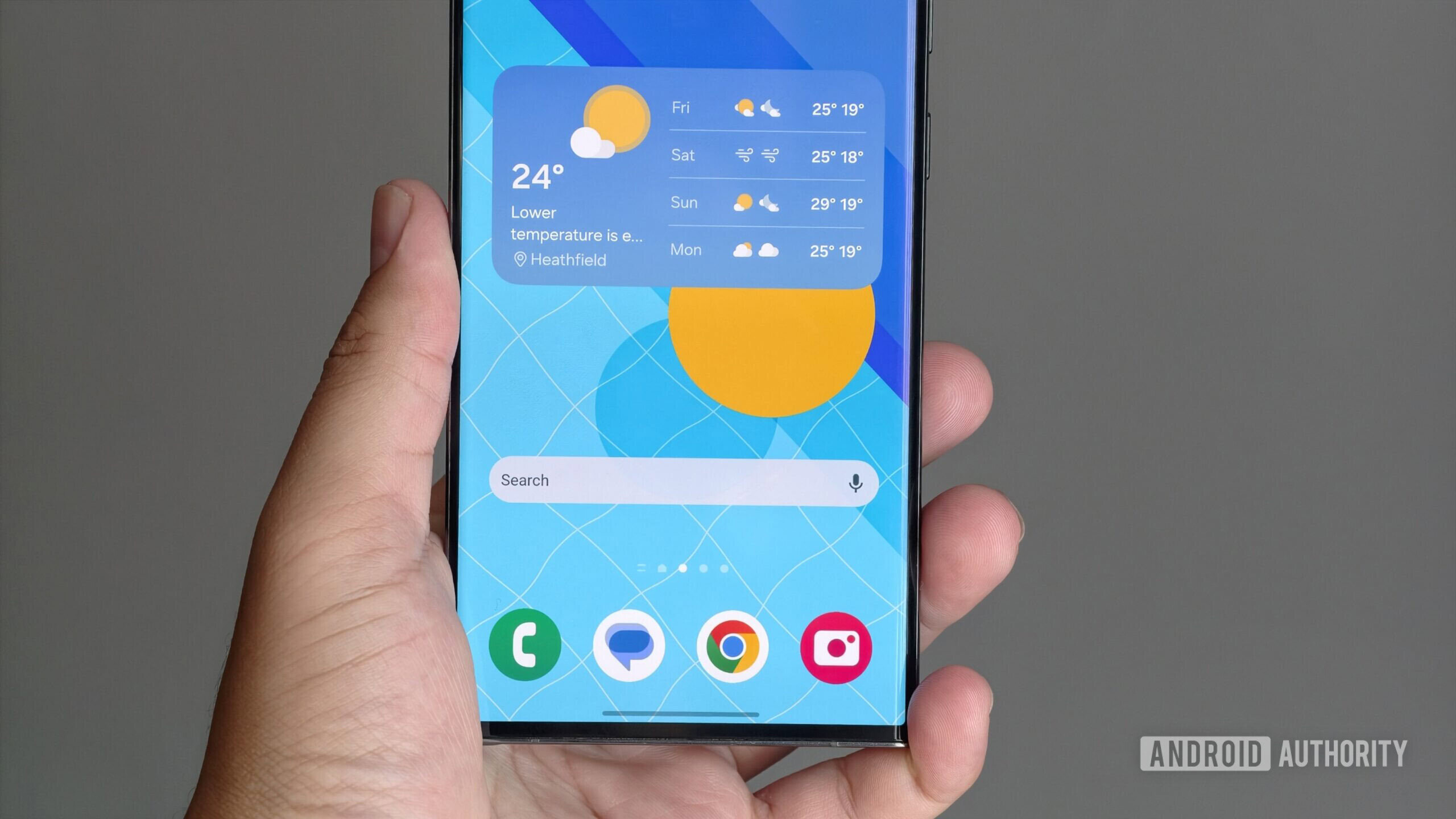
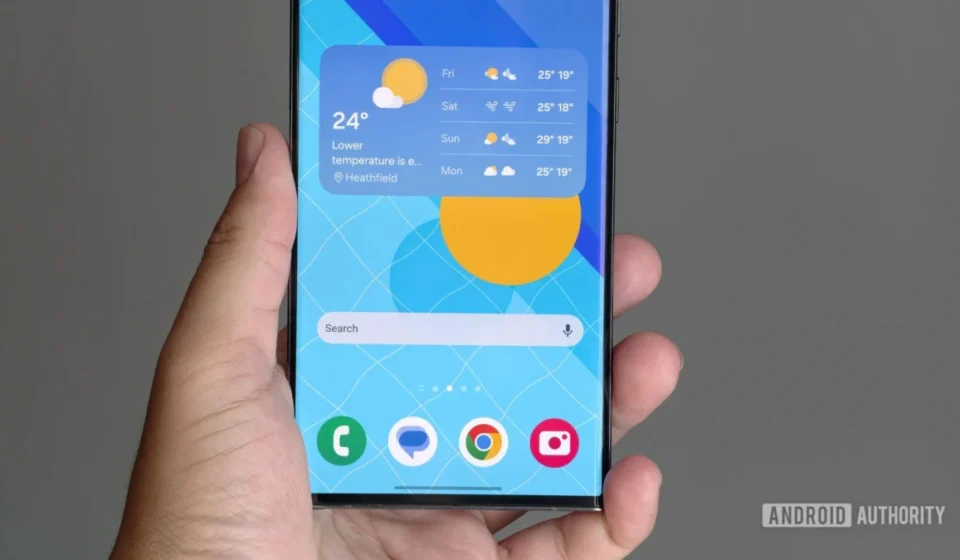
The daily user experience on the S23 Ultra was further enhanced by a plethora of quality-of-life features unique to or exceptionally well-implemented in One UI. "Modes and Routines" stood out as a powerful automation tool, allowing users to customize device behavior based on context (e.g., location, time, activity), far exceeding the simpler automation capabilities of stock Android. The "Now Brief/Now Bar" offered quick access to contextual information, while "Dual Messenger" provided a convenient solution for managing multiple social media accounts without requiring separate app installations. Stacked widgets, one-time passwords for Wi-Fi hotspots, temporary mute options, and power-off verification added layers of convenience and security that collectively contributed to a refined user experience. These granular controls and thoughtful additions underscored Samsung’s commitment to providing a deeply customizable and user-centric software environment.
A cornerstone of Samsung’s software differentiation is "Good Lock," a suite of customization apps that allows users to fine-tune various aspects of their device’s interface and functionality. While not all modules were utilized by the journalist, specific tools like "Sound Assistant" for per-app volume controls and "Camera Assistant" with its "Quick Tap Shutter" feature were highlighted as invaluable. Sound Assistant, for instance, offers a level of audio control unparalleled in stock Android or other OEM skins, allowing precise management of individual application volumes—a small but impactful feature for multimedia consumption. The absence of a comparable, robust customization platform on Google Pixel or other Android devices makes Good Lock a significant competitive advantage for Samsung, albeit with the caveat of its sometimes limited regional availability. This limitation suggests an area where Samsung could further capitalize by expanding Good Lock’s global reach.
Dex and Hardware Prowess: A Deeper Dive
Samsung DeX, the desktop mode feature, also emerged as a powerful differentiator. While the journalist’s personal usage of DeX for productivity was infrequent, the prior experience of using a Galaxy S25 Ultra as a "desktop emulation station" last year underscored its potential for power users. This stands in stark contrast to the nascent and often criticized desktop mode on Pixel phones, as detailed by industry colleagues. DeX, with its mature interface, multi-window support, and peripheral compatibility, provides a genuinely productive desktop-like experience from a smartphone, a capability that Google’s desktop efforts have yet to fully realize. This feature is particularly valuable for mobile professionals or those seeking to consolidate their computing devices.
The underlying hardware of the Galaxy S23 Ultra, powered by the Snapdragon 8 Gen 2 for Galaxy, proved exceptionally resilient in 2026. Despite being a previous-generation chip, its performance remained exemplary, handling demanding tasks from system navigation to graphically intensive games without discernible lag. This particular iteration of the Snapdragon 8 Gen 2 was custom-tuned for Samsung, offering slightly higher clock speeds compared to the standard version, which contributed to its sustained performance advantage. The journalist even speculated that this chip would outperform the anticipated Pixel 10 series in "advanced emulation," a testament to its raw processing power and thermal management capabilities. This extended performance longevity challenges the narrative of rapid hardware obsolescence, showcasing that a well-engineered flagship can maintain relevance for several years.
Battery life also stood out as a significant advantage. The S23 Ultra consistently provided around 1.5 days of usage on a single charge, a respectable figure for a flagship device. More critically, the S23 Ultra is rated for 2,000 charging cycles before its effective capacity drops to 80%, double the 1,000 cycles typically certified for Pixel phones. This metric directly translates to a longer usable lifespan for the device’s battery, reducing the frequency and necessity of costly battery replacements, thereby enhancing the device’s overall longevity and sustainability. This often-overlooked specification has tangible benefits for consumers in terms of long-term value and environmental impact.
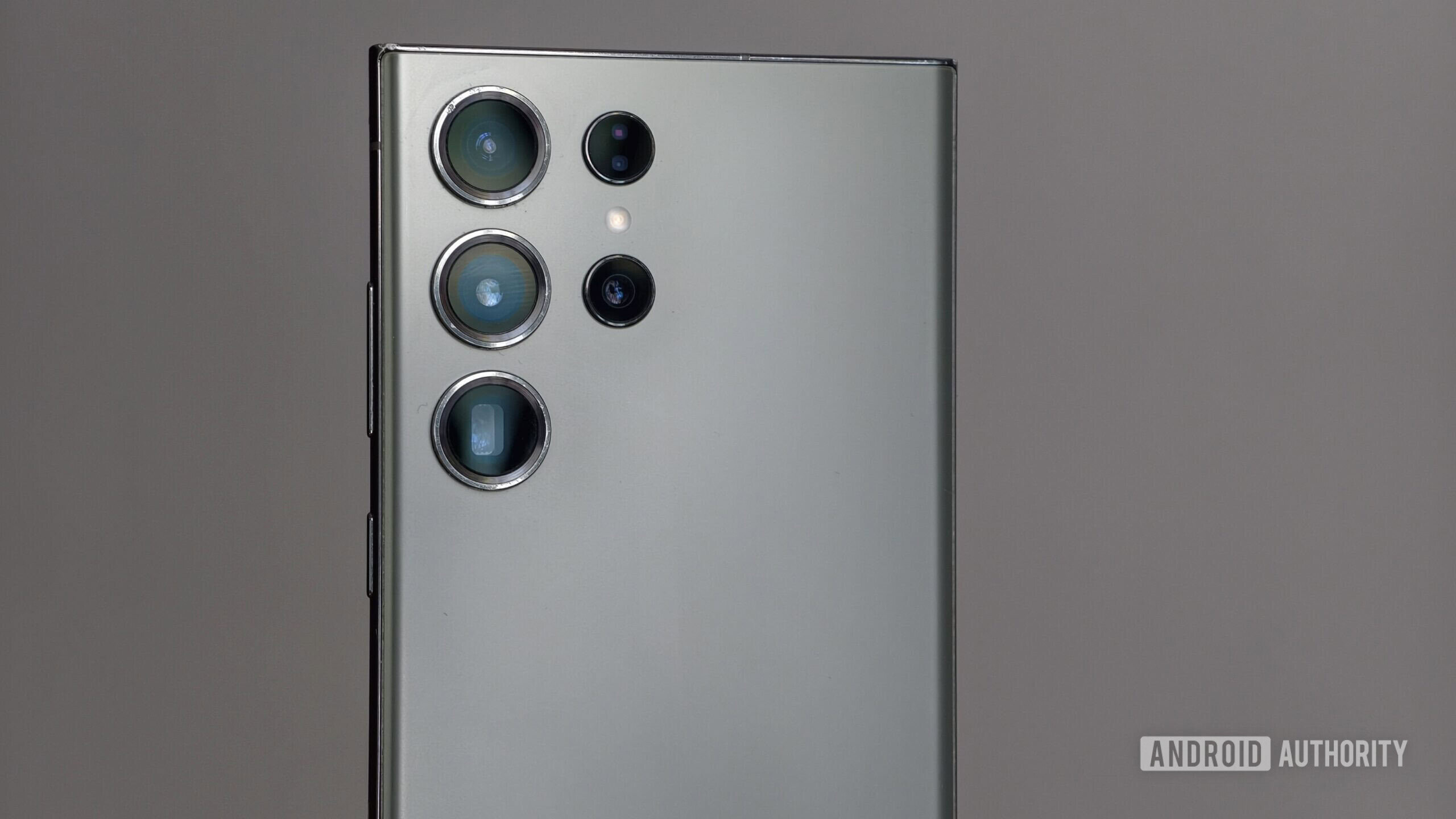
While the journalist expressed some reservations about the S23 Ultra’s "overall camera quality," particularly concerning the resolution of the 3x and 10x telephoto lenses, the sheer presence and utility of a dedicated 10x telephoto camera were highly appreciated. In an era where many flagships are moving towards shorter telephoto ranges or relying heavily on digital zoom, the S23 Ultra’s dedicated optical 10x lens offered distinct advantages for capturing distant subjects, providing superior detail for video capture and when zooming beyond 10x. This hardware-first approach to zoom capabilities differentiated it from Pixel’s reliance on computational photography for zoom. Furthermore, the ability to record 8K video locally, without requiring cloud-based processing like Google’s "Video Boost" feature, was noted as a preference, emphasizing local processing and user control over data. Features like "Single Take" further enhanced the camera experience by capturing multiple photo and video formats from a single shot, providing creative flexibility.
Finally, the pre-installed Samsung Gallery app was praised for its robust suite of built-in editing tools, which often surpassed the on-device capabilities of Google Photos. Specific mentions included advanced features like reflection and shadow erasing, object removal, and moire removal. These tools empower users to perform sophisticated image corrections directly on their device, reducing the need for third-party editing applications and streamlining the post-capture workflow. This comprehensive approach to photo management and editing solidified the S23 Ultra’s position as a powerful creative tool.
Lingering Affection for Pixel and Samsung’s Persistent Hurdles
Despite the many commendable aspects of the Samsung Galaxy S23 Ultra, the transition was not without its drawbacks, and several Pixel features were deeply missed. One of the most persistent issues identified was Samsung’s perennial problem of bloatware. Galaxy phones typically come pre-loaded with a significant number of Samsung’s proprietary applications, often duplicating functionalities offered by Google’s services, alongside a selection of Microsoft apps. While the journalist acknowledged that Samsung’s bloatware was less intrusive than the "frequent ads in system apps" seen on some Chinese handsets like Xiaomi, the sheer volume of pre-installed, often redundant, applications represented a significant departure from Google’s cleaner, more streamlined Android experience. This accumulation of software can contribute to a perception of clutter and, in some cases, consume unnecessary system resources.
Aesthetic preferences also played a role, with the journalist expressing a clear favoritism for Google’s Material 3 Expressive visual style. This design language, characterized by its adaptive color palettes, fluid animations, and a focus on personalization, offers a "breath of fresh air" compared to One UI’s more traditional and, at times, perceived as more corporate, interface. The design philosophy behind Material 3 aims for a more dynamic and user-responsive visual experience, which resonates strongly with those who appreciate a cohesive and modern UI.
Several specific Pixel features were highlighted as sorely missed. Foremost among these was "Now Playing," Google’s innovative on-device music recognition feature that passively listens to ambient audio and displays song information on the lock screen without requiring an internet connection. This privacy-conscious and highly convenient feature exemplifies Google’s strength in ambient computing and on-device AI. While third-party solutions exist, they often involve more convoluted setup processes, underscoring the seamless integration offered by Pixel. Another missed productivity feature was the Pixel’s "recents menu," which allows users to effortlessly copy text and images directly from any open application, even from formats or apps that typically restrict such actions. This functionality proved invaluable for quick information extraction and sharing.
A significant concern for power users of Samsung’s DeX was the recent architectural shift with the One UI 8 upgrade. Samsung rebuilt DeX on top of Android 16’s native desktop mode, a move that, while aiming for standardization, regrettably resulted in a "ton of downgrades" compared to the previous, more feature-rich iteration of DeX. This decision led to a loss of functionality and a less refined user experience for those who relied heavily on DeX for their workflow. The implication is that users prioritizing the full-fledged DeX experience might opt to remain on One UI 7, a choice not available for newer devices shipping with One UI 8 or later. This development represents a rare misstep in Samsung’s desktop strategy, potentially alienating a segment of its power user base.
The default Samsung Keyboard also proved to be a source of frustration. Echoing sentiments from other tech critics, the journalist found it difficult to adapt to, even after disabling autocorrect, a common remedy for keyboard annoyances. The comparison with Gboard, Google’s default keyboard, was stark, with Gboard’s predictive text, swipe input, and overall usability being far superior. The journalist even went so far as to express a preference for the "BlackBerry software keyboard" if it were compatible with modern Android, underscoring the perceived shortcomings of Samsung’s offering. A suboptimal default keyboard can significantly impact the daily interaction with a smartphone, making this a critical area for improvement for Samsung.
While both Samsung and Google now offer an impressive seven years of OS and security updates, matching each other in terms of long-term software support, the speed of these updates remained a distinct advantage for Pixel devices. Pixel phones, being Google’s first-party hardware, typically receive Android version updates and monthly security patches much sooner than Samsung devices, which often undergo additional carrier testing and regional staggered rollouts. For users prioritizing the absolute latest software and security patches, Pixel’s "brisk updates" continue to be a compelling factor.
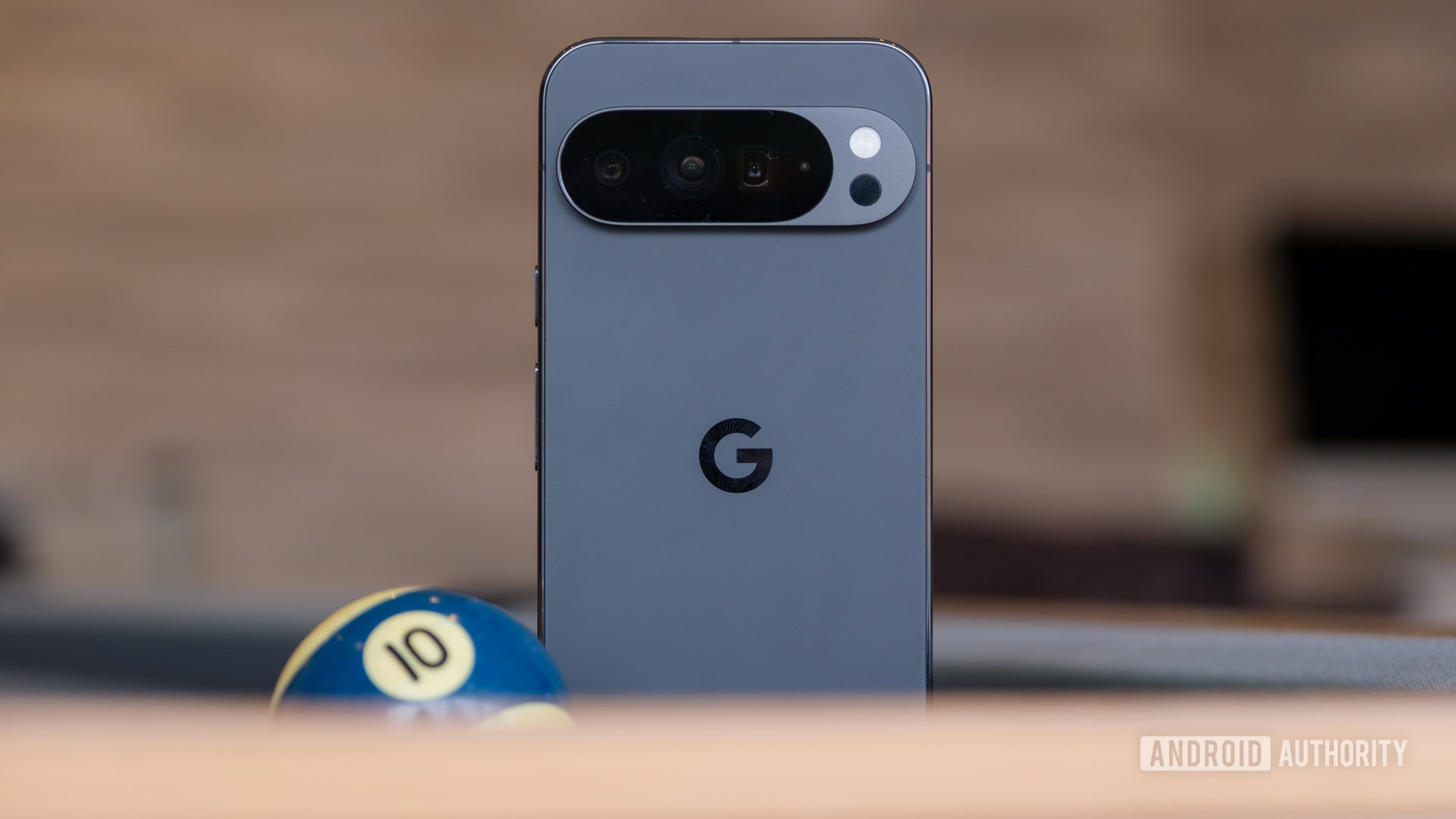
On the camera front, despite the S23 Ultra’s robust hardware, the journalist admitted a continued preference for Google Pixel’s "overall camera quality and consistency." Pixel’s computational photography prowess, coupled with unique features like "Add Me," "Action Pan," and "Best Take," as well as its renowned astrophotography mode, continued to offer a more consistently satisfying photographic experience. While Samsung does offer its own astrophotography mode via the Expert Raw app and a "Best Take" equivalent, Google’s implementations often feel more refined and integrated into the core camera experience. This highlights the ongoing philosophical divide in smartphone photography: hardware brute force versus software intelligence.
Finally, some ergonomic and acoustic elements of the S23 Ultra were noted as less ideal. The robust build quality was appreciated, but the "squared-off design" with sharp corners was a physical discomfort, leading to concerns about "holes in my pants pockets." This contrasted with a preference for more rounded designs, which newer Ultra models have thankfully begun to adopt. Additionally, the S23 Ultra’s loudspeakers were found to be "noticeably tinnier at high volume" compared to the journalist’s previous Pixel 7 Pro, impacting the multimedia consumption experience.
Beyond the Giants: A Broader Perspective on the Android Ecosystem
The journalist’s long-term engagement with the Galaxy S23 Ultra underscored a crucial reality in the 2026 smartphone market: while Samsung and Google remain titans, the landscape is far richer and more diverse than a simple duopoly. The initial intention to "refamiliarize myself with OneUI and the Samsung experience" evolved into a profound realization that Galaxy phones offer a formidable challenge to Pixel handsets, often exceeding them in specific feature sets. However, the experience also solidified the enduring appeal of Pixel for its unique camera experience and the unparalleled speed of system updates.
Crucially, the journalist concluded that, if purchasing a device with personal funds in 2026, neither a Google nor a Samsung phone would be the top choice. This decision was informed by two key factors. Firstly, a "disappointing experience with a Pixel phone in an unsupported market" highlighted the practical limitations and frustrations that can arise when operating outside of Google’s primary sales regions, often involving compromised feature sets and service access. Secondly, Samsung phones, while excellent, were perceived to "lag behind Chinese rivals when it comes to hardware features I truly care about," specifically citing "battery capacity and the camera experience." This observation points to the aggressive innovation and market disruption originating from brands like Vivo, Xiaomi, and OnePlus.
The journalist specifically mentioned using a Vivo phone alongside a standalone camera for product photography, indicating that even high-end Samsung devices "just don’t cut it as a substitute in this regard." This is a powerful testament to the advancements made by Chinese OEMs in camera hardware, particularly in areas like sensor size, specialized lenses, and computational imaging pipelines that cater to niche professional use cases. Furthermore, Android skins such as ColorOS (Oppo/OnePlus) and OriginOS (Vivo) were lauded as "legitimately great software experiences in 2026," demonstrating that a compelling software experience is no longer the exclusive domain of Google or Samsung. These interfaces often combine deep customization with robust performance and unique features, offering a strong alternative for discerning users.
Despite these broader market observations and the acknowledged shortcomings, the journalist’s decision to continue using the Galaxy S23 Ultra as their primary device through 2026 speaks volumes about its enduring capability. The phone "does most things well enough," embodying the principle of "if it ain’t broke, why replace it?" This pragmatism reflects the overall maturity of the smartphone market, where devices from a couple of years ago can still provide a premium, reliable experience, challenging the relentless cycle of upgrades and emphasizing the value of sustained performance and comprehensive features over marginal annual improvements. The forced switch ultimately became a compelling case study, showcasing the dynamic interplay of software, hardware, and user experience across the competitive Android ecosystem.