A jazz label covered an AI-generated hit to make a point the music industry has been avoiding

The AI-generated track "Through My Soul" has achieved remarkable success, amassing over 11 million views on YouTube and generating millions of streams globally. This unprecedented popularity, however, is overshadowed by a fundamental question: who is the true creator? The credited artist, "Enlly Blue," is a phantom persona, a construct that has released six full albums without any discernible human involvement. This phenomenon underscores a growing concern within the music industry: the increasing prevalence of AI-generated content that blurs the lines of authorship and potentially dilutes the value of human creativity. The year 2026 marks a period where AI music is not only present but is rapidly gaining traction, posing a significant challenge to traditional notions of musical production and consumption.

The Genesis of a Human Response to AI
Adrian Younge, a respected composer and co-founder of the Los Angeles-based Jazz Is Dead label, was among the first to recognize the artificiality behind "Through My Soul." His initial encounter with the song, as reported by Fast Company, revealed a subtle yet distinct lack of organic artistry. Younge described sensing that the track was "constructed rather than performed," its elements seemingly aggregated and assembled by a machine rather than infused with genuine emotion and intent. This observation sparked a creative impulse within Younge, leading him to orchestrate a unique counter-initiative.
In response to the AI-generated hit, Younge assembled his band, The Midnight Hour, and enlisted vocalist Loren Oden to create a fully human rendition of the song. The directive was clear: to imbue the track with a profound sense of life, boldness, and emotional depth. The resulting performance, captured live at the Lodge Room in Los Angeles, resonated deeply, transforming the mechanical origins of the song into a powerful testament to human expression. Younge was so moved by the performance that he decided to incorporate this human-infused version into his touring setlist, effectively placing a human heartbeat at the center of a song born from algorithms. This act was not merely a musical interpretation; it was a philosophical declaration, asserting the irreplaceable value of human soul in artistic creation.

"Played by Humans": A Certification for Authenticity
The cover of "Through My Soul" is more than just a musical statement; it is the cornerstone of a larger campaign titled "Played by Humans." Developed in collaboration with the advertising agency TBWAChiatDay LA, this initiative aims to provide a tangible means of distinguishing human-created music from AI-generated content. The campaign introduces a sophisticated tool that allows artists and labels to submit their music for analysis. This tool is designed to detect the subtle, yet identifiable, fingerprints of AI audio generation. Tracks that successfully pass this rigorous examination are awarded a verifiable "Played by Humans" stamp, a certification that can be displayed publicly, akin to content rating systems for explicit material.
The scale of the AI music phenomenon is staggering, as evidenced by the data analyzed by the "Played by Humans" tool. Reports indicate that this system has already processed over 1.6 million tracks. Supporting data from platforms like Deezer reveals that AI-generated songs now constitute a significant portion, approximately 44%, of daily uploads to streaming services. More alarmingly, a vast majority of listeners, estimated at 97%, are unable to differentiate between human-made and AI-generated music, highlighting the urgent need for initiatives like "Played by Humans" to provide clarity and maintain transparency for consumers.

Industry Reactions and the Evolving Digital Landscape
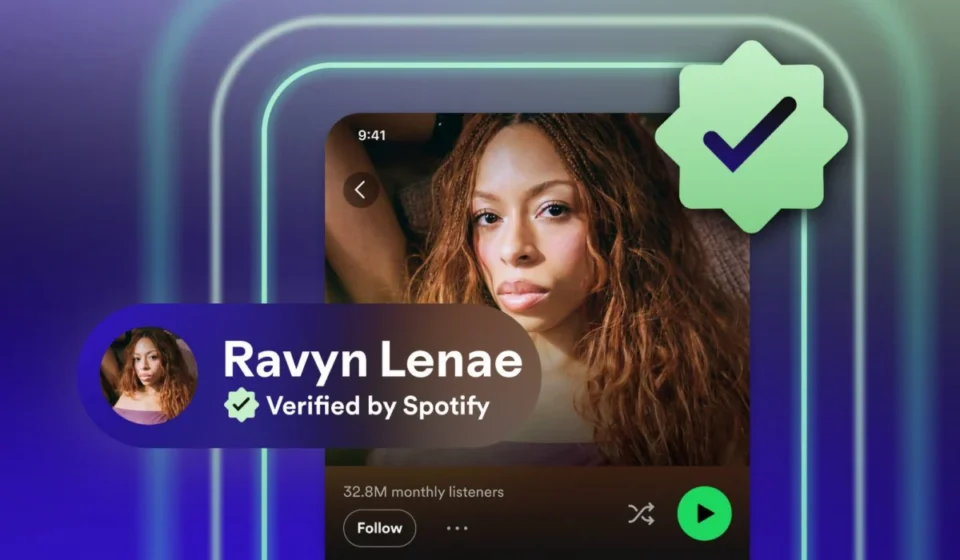
The music industry’s response to the rise of AI music has been a complex and, at times, contradictory mix of endorsement and caution. Spotify, a dominant force in music streaming, has navigated this evolving landscape with a dual approach. In April, the platform introduced a "Verified by Spotify" badge, an attempt to assist listeners in identifying artists who are demonstrably human. However, merely months later, in May, Spotify announced a partnership with Universal Music Group. This collaboration enables Premium subscribers to utilize AI to create covers and remixes of existing songs, albeit for an additional fee.
This strategic maneuver by Spotify presents a curious dichotomy. On one hand, they are providing tools to help identify human artistry. On the other, they are facilitating the creation of AI-generated content, leveraging existing human-created works as a foundation. Spotify has stated that artists whose work is used in these AI-generated creations will receive royalties, a measure intended to address concerns about intellectual property and fair compensation.

The "Played by Humans" campaign, however, maintains a clear stance: it is not inherently anti-AI. Its core objective is to analyze the music itself, empowering listeners with the knowledge of its origin. This commitment to transparency is crucial in an era where the provenance of creative works is becoming increasingly ambiguous. Beyond the "Played by Humans" initiative, other major players are also developing technological solutions to combat potential issues arising from AI music. Sony, for instance, has developed advanced technology capable of identifying original songs embedded within AI-generated music, a crucial step in detecting and preventing plagiarism and unauthorized use of intellectual property.
The Broader Implications for Artistry and Commerce
The proliferation of AI in music creation raises profound questions about the future of artistic expression, copyright, and the economic models that underpin the music industry. The ability of AI to rapidly generate vast quantities of music that is often indistinguishable from human output poses a significant challenge to emerging artists striving to gain recognition and establish a sustainable career. If AI can produce music at a fraction of the cost and time, and if listeners cannot discern the difference, the economic incentives for human musicians could be severely undermined.

Furthermore, the ethical considerations surrounding AI-generated music are multifaceted. The use of existing music to train AI models, as seen in some of Spotify’s initiatives, raises concerns about the appropriation of artists’ labor and creative output without explicit consent or fair compensation. The "Played by Humans" certification aims to counter this by providing a clear marker of human involvement, allowing consumers to make informed choices and support artists whose work is a direct product of their talent and dedication.
The "Played by Humans" initiative represents a proactive effort to safeguard the integrity of human artistry in the face of technological disruption. By offering a verifiable stamp of authenticity, it empowers both creators and consumers. For artists, it provides a means to distinguish their work and assert its human origin. For listeners, it offers a crucial tool for navigating a complex and increasingly automated musical landscape, ensuring that the emotional resonance and unique perspective of human creators are not lost amidst the algorithms. The long-term success of such initiatives will likely depend on widespread adoption, robust technological verification, and a continued dialogue about the ethical and economic implications of AI in the creative arts. The music industry is at a crossroads, and the choices made today will shape the soundscape of tomorrow.