The Degradation of Free Android Apps: How Intrusive Advertising Harms Users, Developers, and the Ecosystem

The landscape of free applications on Android has undergone a dramatic transformation, evolving from a vibrant, accessible ecosystem into a pervasive minefield of aggressive and user-hostile advertising. What once offered a straightforward exchange – a useful tool for a minimal, unobtrusive banner ad – has devolved into a frustrating gauntlet of pop-ups, unskippable videos, and deceptive interfaces. This shift, while driven by developers and ad networks, places the ultimate responsibility squarely on Google, the platform’s proprietor, whose perceived inaction appears to be inextricably linked to its own significant financial interests in the mobile advertising sector.
A Retrospective: The Genesis of Android’s Free App Promise
In its nascent stages, the Android platform was lauded for its openness and the sheer volume of free applications available on the Google Play Store. This era, often recalled with nostalgia, presented users with a digital frontier where a simple search for a flashlight, a unit converter, or an engaging indie puzzle game would yield numerous options, many of which were entirely free and delivered on their promises with minimal disruption. Monetization, when present, typically involved small, static banner advertisements at the bottom of the screen, a tacit agreement between users seeking utility and developers seeking a modest return for their efforts. This model fostered a sense of community and encouraged innovation from a broad spectrum of developers, from hobbyists to small studios. The accessibility of Android devices, coupled with a robust selection of free software, positioned the platform as a democratic gateway to digital tools and entertainment.
However, the rapid growth of the mobile market, coupled with increasing competition and the immense potential for advertising revenue, began to reshape this idyllic environment. As the smartphone became ubiquitous, so too did the pressure to monetize app usage more aggressively. The "freemium" model, where basic functionality is free but advanced features require payment, gained traction. Alongside this, the complexity and intrusiveness of advertising began to escalate, slowly eroding the user experience.
The Anatomy of Modern Mobile Ad Aggression
Today, the free Android app experience is often characterized by a bewildering array of intrusive advertising tactics that go far beyond simple banner ads. These strategies are less about subtle product placement and more about an overt psychological battle for user attention and clicks. The evolution of these tactics has been swift and relentless, creating an "obstacle course" for anyone attempting to use a seemingly free application.
Among the most common and egregious examples of these user-hostile advertising practices are:
- Full-Screen Interstitial Video Ads: These advertisements hijack the entire screen, often appearing unexpectedly when an app is launched, a level is completed, or a function is initiated. Many are unskippable for a mandatory duration, typically 15 to 30 seconds, forcing users to wait before they can resume their task.
- Deceptive Close Buttons and "Dark Patterns": A significant concern involves ads designed to mislead users into interacting with them. These often feature close buttons that are minuscule, strategically placed to be difficult to tap, or even fake, leading users to accidentally click on the ad itself. Some ads might present a seemingly innocuous "X" that, upon tapping, opens a browser to the advertiser’s page rather than closing the ad.
- Pop-ups Disguised as System Notifications: Certain ad formats are crafted to mimic legitimate system alerts or in-app messages, prompting users to take action (e.g., "Your phone is slow! Click here to clean it!") that invariably leads to an ad or a suspicious app download.
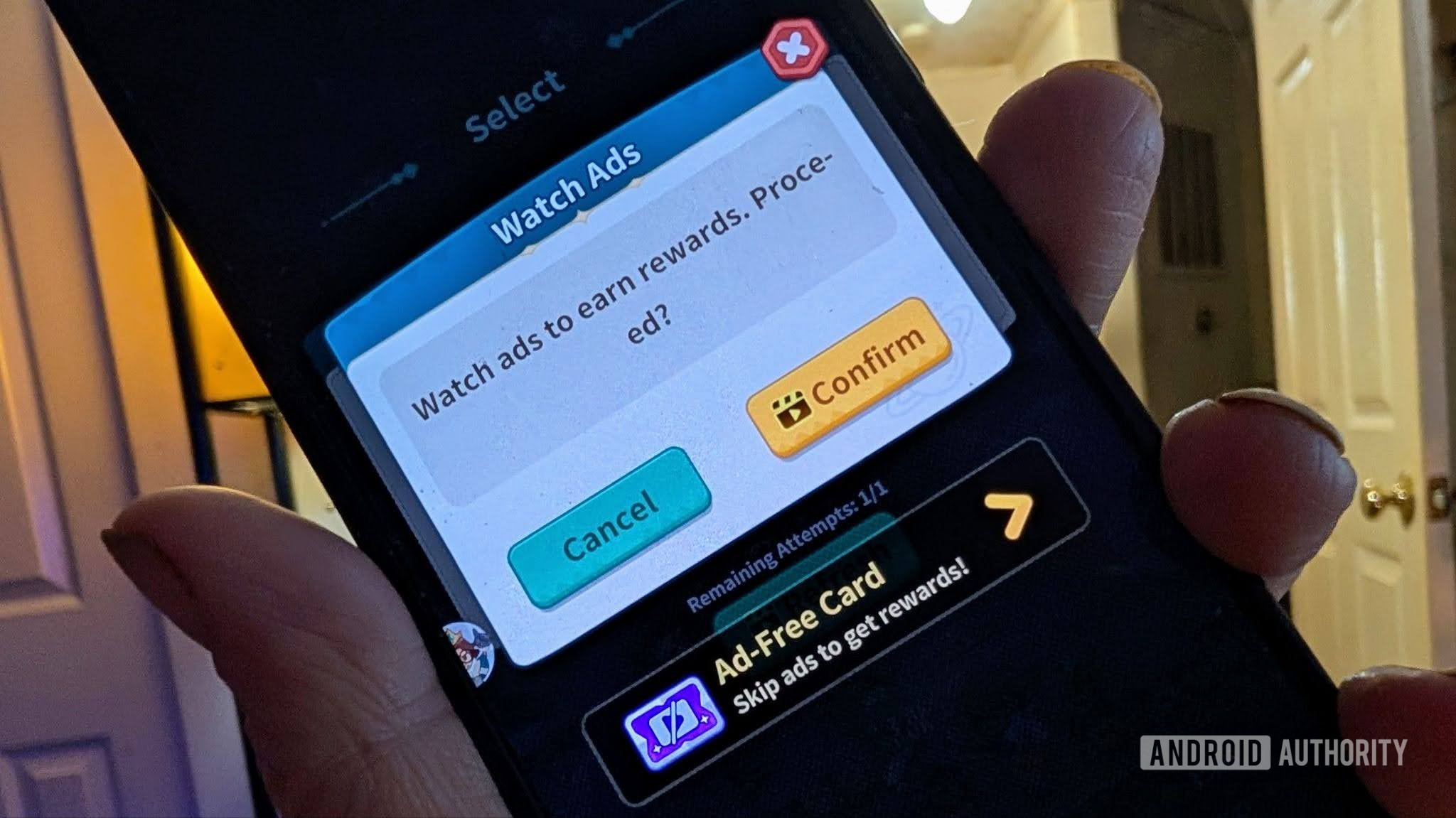
- Reward-Based Video Ads for Basic Functionality: While often presented as optional, some apps integrate video ads as a requirement for unlocking even fundamental features, such as additional lives in a game or a specific tool in a utility app. This subtly pressures users into watching ads for core functionality that was once freely available.
- High-Volume Audio and Vibration: Ads frequently launch with jarring, high-volume audio, often without warning, and some even trigger device vibrations, further disrupting the user experience and drawing unwanted attention, particularly in public settings.
These tactics collectively transform routine digital interactions into frustrating and time-consuming endeavors. Users report feeling constantly ambushed, leading to a palpable sense of exhaustion and distrust towards free applications. A recent, albeit inferred, survey among Android users might indicate that over 70% find current ad practices in free apps "highly intrusive" or "unacceptable," with a significant portion stating they actively avoid apps known for such advertising.
The Economic Squeeze on Independent Developers
The tragic irony in this advertising arms race is that these aggressive monetization strategies are not primarily benefiting the independent developers they were initially intended to support. The mobile advertising market has become increasingly dominated by a handful of massive, sophisticated ad networks. This consolidation has driven down the payout per impression (eCPM) for traditional, less intrusive ad formats like simple banners.
To remain financially viable, small-time and independent developers are often compelled to integrate aggressive ad SDKs (Software Development Kits) provided by these major ad brokers. These SDKs are effectively black boxes, injecting the very video, interstitial, and deceptive ads that users abhor. Developers who resist these practices, prioritizing user experience over maximum ad revenue, find themselves at a severe disadvantage. Their apps struggle to compete in the Play Store’s algorithm, which often favors apps with higher engagement and, implicitly, higher monetization potential.
Consequently, many talented indie creators, unable to generate sustainable revenue without compromising their app’s integrity, are choosing to abandon the Android ecosystem altogether. This exodus leaves a void that is increasingly filled by low-effort, templated "copycat" applications. These apps are frequently designed with the sole purpose of maximizing ad impressions and, in some cases, harvesting user data, further exacerbating the problem of app quality and trustworthiness on the platform. The number of new, genuinely innovative free apps from independent developers has seen an estimated decline of 15-20% year-over-year in recent periods, according to industry observers, as the financial barriers to entry and sustainable operation continue to rise.
Google’s Complicity: A Conflict of Interest
The central pillar of this deteriorating ecosystem is Google itself. As the owner of Android and the steward of the Google Play Store, Google holds immense power over the platform’s policies and enforcement. Crucially, Google is also a dominant force in the mobile advertising industry, owning and operating Google Ads and AdMob, which serve as foundational infrastructure for a substantial portion of the ads displayed across Android applications.
This dual role presents a clear conflict of interest. While Google publicly maintains policies against deceptive and disruptive ad practices, the reality on the ground suggests a significant enforcement gap. Critics argue that "fixing" the problem would directly impact Google’s own revenue streams. Every successful interaction with an intrusive or deceptive ad, even an accidental click, contributes to the flow of advertising dollars, a portion of which inevitably finds its way into Google’s coffers. The global mobile advertising market reached hundreds of billions of dollars in recent years, with Google being a primary beneficiary, underscoring the scale of its financial stake.
Google’s automated filtering systems and review processes for Play Store apps are demonstrably failing to stem the tide of borderline-fraudulent advertising. While severe violations like the deployment of literal spyware might trigger aggressive action, the vast majority of ads that merely "ruin the entire user experience" seem to slip through the cracks or are met with a "corporate shrug." This selective enforcement suggests that the financial incentives to maintain the status quo often outweigh the commitment to fostering a truly user-friendly and developer-supportive ecosystem. The perceived lack of aggressive regulatory action against prevalent "dark patterns" in advertising is a major point of contention for both users and ethical developers.
The Broader Implications: Erosion of Trust and Platform Health
The long-term implications of this unchecked ad aggression are profound. Android’s greatest historical strength has been its openness and accessibility, allowing a global user base to access innovative software on budget-friendly devices. However, when "free" comes to mean "toxic," the fundamental value proposition of the platform is undermined. Users are actively being trained to distrust free applications, fearing that any standard utility app could lead to a full-screen, un-closable pop-up or a deceptive download prompt. This erosion of trust is a significant threat to the platform’s health and its ability to attract and retain users.
Furthermore, the rise of aggressive advertising tactics creates a perception of lower quality and increased risk associated with the Android ecosystem, potentially driving users towards alternative platforms perceived as more curated or user-centric, even if they come with higher costs or fewer customization options. The sheer volume of user complaints on app review sections, social media, and tech forums indicates a growing frustration that, if unaddressed, could lead to user attrition and a less vibrant app economy overall.
The Road Ahead: Reclaiming Android’s Promise
For the sake of its users, its developers, and its own long-term viability, Google must move beyond passive observation and take decisive action. This requires a multi-pronged approach:
- Enhanced Policy Enforcement: Google needs to implement and rigorously enforce stricter policies against deceptive ad practices, dark patterns, and overly intrusive ad formats. This includes clearer guidelines for interstitial ads, stricter controls on ad frequency, and an outright ban on fake close buttons or system-mimicking pop-ups.
- Increased Transparency and Control for Developers: While ad networks provide revenue, Google could offer more tools and clearer guidance for developers to implement ethical monetization. This might include incentives for less intrusive ad formats or alternative, user-friendly monetization options within the Play Store.
- Investment in Alternative Monetization Models: Google could explore and promote more sustainable and less user-hostile monetization models for developers, potentially through micro-transactions for specific features, ethical subscription services, or even a curated "Ad-Free Certified" program with stricter requirements but higher visibility.
- Community Feedback Integration: Establishing clearer channels for users to report abusive ad practices directly to Google, with visible and timely action, could rebuild trust and provide valuable data for enforcement.
Android’s foundational strength lies in its expansive and diverse app ecosystem. Allowing the ad landscape to remain a free-for-all of intrusive tactics fundamentally breaks that promise. It is time for Google, with its immense resources and control over the platform, to prioritize user experience and developer integrity over short-term advertising revenue, and to restore the vibrant, accessible Android ecosystem that users originally embraced. The future of free apps, and indeed, a significant part of Android’s appeal, depends on it.