
The cheaper Pixel 11a may get the same Tensor G6 chip as Google’s flagship phones

Google is poised to unveil its latest flagship Pixel 11 series on August 12, a highly anticipated event where the tech giant is expected to showcase advancements across its premium smartphone line. The company has already begun generating buzz, offering a glimpse of new features like the integrated "Pixel Glow" light on the camera bar. The upcoming lineup is rumored to include the Pixel 11, Pixel 11 Pro, Pixel 11 Pro XL, and the foldable Pixel 11 Pro Fold. While these devices command the spotlight, attention is also turning to the more budget-friendly Pixel 11a, which, according to recent leaks, may receive a significant performance upgrade that could finally address a long-standing concern for Pixel users.
The Pixel 11a, typically released in the spring of the following year, is anticipated to arrive around spring 2027. Emerging from a leak by Mystic Leaks, crucial details about the device’s hardware have surfaced, suggesting Google is keen to rectify the compromises made with its predecessor, the Pixel 10a.
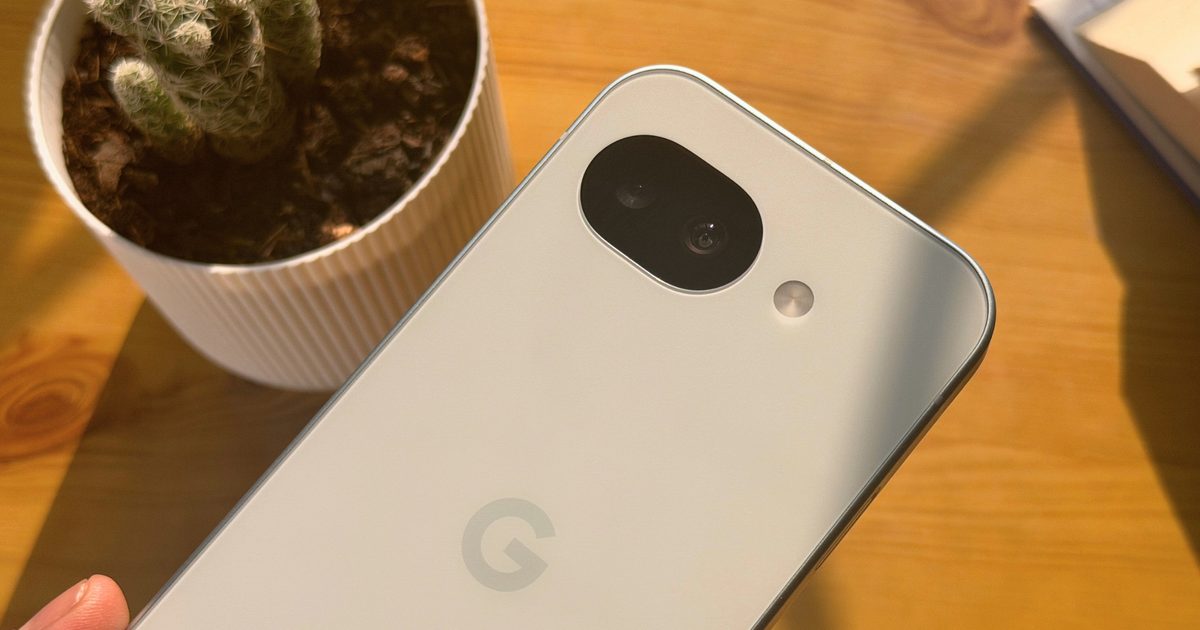
Tensor G6: A Flagship Chip for the Affordable Segment
A significant revelation from the leak indicates that the Pixel 11a will reportedly feature the same Tensor G6 processor slated for the main Pixel 11 lineup. This marks a departure from Google’s previous strategy, where the Pixel 10a was equipped with the older Tensor G4 chip, a decision widely attributed to cost-saving measures to maintain its more accessible price point. By integrating the latest flagship silicon, Google appears to be prioritizing performance and feature parity for its mid-range offering.
The Tensor G6 is expected to be accompanied by the Titan M3 security chip, a PowerVR C-Series GPU, and crucially, MediaTek’s M90 modem. This inclusion of a MediaTek modem is particularly noteworthy, as it aligns with broader speculation that the entire Pixel 11 series might be transitioning away from Samsung’s Exynos hardware. This potential shift could signal a strategic re-evaluation of Google’s hardware partnerships and a concerted effort to enhance critical components.
For years, Pixel users have voiced consistent complaints regarding cellular connectivity. Issues such as weak signal reception, dropped calls, and disproportionate battery drain attributed to modem performance have been recurring themes in user feedback and reviews. While a new modem does not automatically guarantee the eradication of these problems, the adoption of a different solution, especially one from a specialized manufacturer like MediaTek, presents Google with a tangible opportunity to address one of the Pixel line’s most persistent and frustrating weaknesses. This move could significantly bolster the user experience, making the Pixel 11a a more compelling and reliable device for everyday communication and data usage.

Display and Performance Enhancements
Beyond the processing power, the Pixel 11a is expected to retain its familiar 6.3-inch display. The panel is rumored to maintain a resolution of 1,080 by 2,424 pixels and a variable refresh rate ranging from 60Hz to 120Hz, ensuring smooth scrolling and responsive touch interactions. A notable upgrade is anticipated in display brightness, with projections indicating a peak brightness of up to 3,350 nits for HDR content and 2,250 nits for general use. Such a significant increase in brightness would substantially improve outdoor visibility, a critical factor for smartphone usability in various lighting conditions.
In terms of memory, the leak suggests Google will stick with 8GB of RAM, a standard configuration for mid-range devices that typically offers sufficient multitasking capabilities for most users. However, there might be a slight reduction in battery capacity, with the minimum capacity reportedly falling from the Pixel 10a’s 5,000mAh to 4,870mAh. While a decrease, the impact on real-world battery life will depend heavily on the power efficiency of the new Tensor G6 chip and other components.
The leaked color options for the Pixel 11a include Obsidian, Olive, Frost, and Fog, providing users with a range of aesthetic choices. Additionally, the report hints at a new front-facing camera sensor, which could lead to improved selfie quality and video conferencing performance.

The Evolution of the Pixel ‘a’ Series
The Pixel ‘a’ series has carved out a significant niche in the smartphone market by offering a compelling blend of Google’s signature software experience and camera prowess at a more affordable price point. Historically, these devices have served as an entry point into the Pixel ecosystem, allowing users to experience core Pixel features without the premium cost associated with the flagship models. However, this accessibility has often come at the cost of certain compromises, most notably in processing power and, as seen with the Pixel 10a, modem performance.
The Pixel 3a, for instance, was lauded for bringing an exceptional camera experience, powered by computational photography, to a much wider audience. It leveraged a mid-range Snapdragon processor, which was adequate for daily tasks but lagged behind the flagship Tensor chips in raw performance and AI capabilities. The Pixel 4a and 5a continued this trend, balancing cost and features effectively.
The Pixel 10a, while still a capable device, highlighted the limitations of its predecessor’s chipset and the aforementioned modem issues. Users expected a processor more in line with the flagship Tensor G5 and a modem that offered robust and reliable connectivity. The decision to equip it with an older chip, while understandable from a cost perspective, disappointed some consumers who sought a more future-proof and powerful device within the ‘a’ series.

The current leak regarding the Pixel 11a suggests a significant strategic shift for Google. By integrating the Tensor G6, the same processor expected in the Pixel 11 flagships, Google is not only leveling the performance playing field but also signaling a commitment to delivering a more consistent and powerful experience across its entire smartphone portfolio. This approach could elevate the ‘a’ series from a budget-friendly option to a truly compelling alternative that rivals more expensive devices in core performance metrics.
Broader Implications for the Smartphone Market
The potential inclusion of a flagship Tensor chip and a new, more capable modem in the Pixel 11a carries several implications for the broader smartphone market. Firstly, it intensifies competition in the mid-range segment. By offering near-flagship processing power at a lower price, Google could force competitors to re-evaluate their own offerings and pricing strategies. This could lead to more feature-rich and performance-oriented mid-range devices becoming the norm, benefiting consumers across the board.
Secondly, Google’s move to potentially adopt MediaTek modems for its entire Pixel 11 lineup could signal a shift in the modem market landscape. Historically, Qualcomm has dominated this sector, but MediaTek has been steadily increasing its market share and technological capabilities. A strong endorsement from a major player like Google could further boost MediaTek’s standing and encourage innovation in modem technology.
The persistent issues with cellular connectivity in Pixel phones have been a significant drawback, often overshadowing the devices’ strengths in software and camera. If the Pixel 11a, and by extension the Pixel 11 series, can demonstrably improve signal strength and reliability, it would significantly enhance the overall appeal of the Pixel brand. This could attract a new wave of users who may have previously been deterred by connectivity concerns.
Furthermore, the strategy of providing a flagship-tier processor in a more affordable device aligns with a growing consumer demand for value. As smartphone prices continue to climb, particularly in the premium segment, consumers are increasingly seeking devices that offer the best possible performance and features for their money. The Pixel 11a, if these leaks prove accurate, could become a prime example of such a device, offering a near-flagship experience at a mid-range price.
Official Statements and Future Outlook
While these leaks provide a tantalizing glimpse into the potential of the Pixel 11a, it is important to reiterate that Google has not officially confirmed any of these specifications. The company’s August 12 event will be the definitive source of information regarding the Pixel 11 series. However, the consistency and detail of leaks from sources like Mystic Leaks often indicate a high degree of accuracy.

Google’s approach to the Pixel ‘a’ series has always been about striking a delicate balance. The company aims to democratize its advanced technologies, making them accessible to a broader audience. The Pixel 10a’s shortcomings in processing power and modem performance were likely a consequence of this balancing act. The reported upgrades for the Pixel 11a suggest that Google may have found a more sustainable way to achieve this balance, potentially by leveraging economies of scale for its Tensor chips and diversifying its component sourcing.
The implications of these potential upgrades extend beyond just the Pixel 11a. If Google can successfully integrate the Tensor G6 and a robust modem into its more affordable offerings without compromising on other aspects, it could set a new standard for mid-range smartphones. This would not only benefit consumers but also solidify Google’s position as a formidable competitor in all segments of the smartphone market. The coming months will undoubtedly be crucial in observing how these rumors translate into tangible products and how they are received by the tech community and consumers alike. The Pixel 11a, with the promise of flagship-grade performance, is shaping up to be a device that could significantly redefine expectations for affordable smartphones.