Samsung Launches HDR10+ Advanced, Beating Dolby Vision 2 to Market with Prime Video Integration

Samsung has officially launched its next-generation HDR format, HDR10+ Advanced, making it available on Amazon Prime Video this month and preempting the anticipated arrival of Dolby Vision 2. The rollout on a major streaming platform marks a significant development in the ongoing evolution of high dynamic range television technology, with Samsung’s move demonstrating a swift execution of its roadmap. While Dolby Vision 2 was announced with considerable fanfare in September 2025, Samsung’s HDR10+ Advanced, which was only revealed in November of the same year, has managed to reach consumers first. This accelerated deployment suggests a strategic prioritization by Samsung to establish its advanced HDR standard ahead of its primary competitor.
The introduction of HDR10+ Advanced is set to enhance the visual experience for viewers by incorporating several key technological advancements. The format is designed to leverage the capabilities of modern television displays, particularly those with increased peak brightness. This focus on brightness is crucial for delivering more impactful HDR content, allowing for brighter highlights and deeper blacks, thereby expanding the overall contrast ratio. Furthermore, HDR10+ Advanced introduces genre-specific picture tuning, aiming to optimize image processing for different types of content, whether it be action-packed movies, dramatic series, or vibrant documentaries. This intelligent adjustment promises to deliver a more tailored and immersive viewing experience by adapting picture parameters to suit the specific aesthetic of the content.
A significant technical upgrade within HDR10+ Advanced is the implementation of more precise local dimming capabilities. This feature is particularly beneficial for televisions utilizing mini-LED backlight technology, enabling finer control over the illumination of specific zones on the screen. By allowing for more granular dimming, the format can reduce halo effects and improve the rendition of dark scenes, leading to greater detail and depth in shadow areas. Coupled with these improvements is a commitment to enhanced color accuracy, ensuring that the colors displayed on screen are as true to the creator’s intent as possible. This multifaceted approach to image enhancement underscores Samsung’s ambition to push the boundaries of visual fidelity in home entertainment.
The Race for Advanced HDR: A Competitive Landscape
The development and deployment of HDR10+ Advanced represent Samsung’s continued commitment to the open-standard HDR10+ ecosystem. This format, which has been developed in collaboration with Panasonic and 20th Century Fox (now Walt Disney Studios Home Entertainment), aims to provide dynamic metadata for HDR content, allowing for scene-by-scene or even frame-by-frame adjustments to picture parameters. This contrasts with static HDR formats, which use a single set of metadata for the entire program. The "Advanced" designation signifies a substantial evolution from the original HDR10+ standard, incorporating the aforementioned enhancements.
The timing of this launch is particularly noteworthy. Dolby Vision 2, announced as a significant upgrade to Dolby’s proprietary HDR format, was expected to bring its own set of advancements, including improved motion handling and increased dynamic range. However, Samsung’s rapid execution has placed HDR10+ Advanced in the market ahead of Dolby Vision 2’s widespread consumer availability. Initial reports indicate that Samsung’s 2026 television models will feature support for HDR10+ Advanced. While specific details regarding the full extent of Prime Video’s HDR10+ Advanced content library at launch remain scarce, a promotional image has confirmed that the Amazon Original series "Ride or Die" will be among the first titles to support the new format. This strategic partnership with a major streaming service is crucial for the adoption and success of any new HDR standard.
Technical Innovations Driving the New Standard
At its core, the ambition of both HDR10+ Advanced and Dolby Vision 2 is to refine the way HDR content is rendered on screen, particularly in managing motion. Samsung’s implementation is branded as "Intelligent Motion Smoothing." This technology aims to achieve smoother motion transitions, especially during fast-paced action sequences, without succumbing to the artifacts often associated with older motion interpolation techniques, such as the infamous "soap opera effect." This effect, characterized by an overly smooth, almost artificial motion, can detract from the cinematic quality of a film. Intelligent Motion Smoothing seeks to strike a balance, providing fluid motion that enhances the viewing experience without compromising the artistic intent of the content.
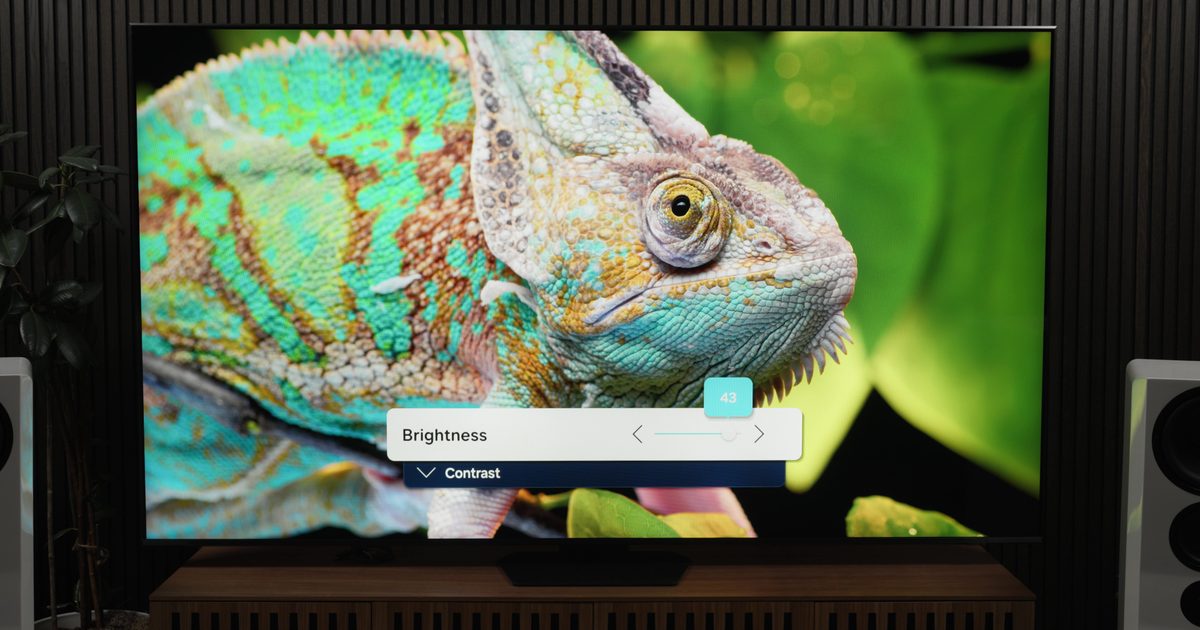
In parallel, Dolby Vision 2 is developing its own solution for motion handling, termed "Authentic Motion." The underlying goal for both technologies is to ensure that fast-moving scenes are rendered with clarity and fluidity, a critical aspect for viewers consuming a wide range of content, from sports to action movies. The competition in this specific area highlights a growing focus on optimizing the playback of dynamic content, an area where HDR has sometimes faced challenges.
The Broader Implications: A Fragmented HDR Ecosystem
The emergence of HDR10+ Advanced and its early integration with Prime Video, while a technological leap forward for Samsung and its partners, also contributes to a more complex and potentially fragmented HDR landscape. The television industry is witnessing a clear divide in format support, with various manufacturers and content providers aligning with different HDR standards.
Hisense, Philips, and TCL, for instance, are reported to be aligning with Dolby Vision 2. This strategic alignment may be driven by several factors. One possibility is a desire to compete with premium brands that often leverage proprietary chip-level picture processing technologies. Dolby Vision’s tiered structure, with options like Dolby Vision 2 and potentially higher tiers like "Dolby Vision 2 Max," could allow these manufacturers to differentiate their product lines, offering varying levels of HDR performance and flexibility to cater to different market segments and price points. Furthermore, content providers like Peacock and Canal+ have publicly committed to supporting Dolby Vision 2 once it becomes fully available, indicating a significant content pipeline expected for this format.
In contrast, LG appears to be taking a different approach, opting out of the direct competition between HDR10+ and Dolby Vision. Instead, LG is reportedly developing its own independent HDR system in partnership with Amazon Prime Video. This move suggests a strategy of vertical integration or a focus on creating a unique, proprietary viewing experience tailored to their hardware and content partnerships.
Samsung’s strategy of launching HDR10+ Advanced ahead of Dolby Vision 2, while avoiding Dolby’s licensing fees, underscores the financial and competitive motivations behind this rapid development. The open-standard nature of HDR10+ allows Samsung and its allies to innovate and deploy new features without the direct licensing costs associated with proprietary formats. This economic consideration, combined with the desire to establish market leadership in HDR technology, has evidently fueled the accelerated rollout.
A Timeline of HDR Advancements
The evolution of HDR formats has been a relatively rapid process. The initial introduction of HDR10, a baseline open standard, paved the way for more advanced dynamic metadata formats. Dolby Vision emerged as a prominent proprietary competitor, offering a more sophisticated approach to HDR. Samsung, along with Panasonic and others, then championed HDR10+ as an open-source alternative, emphasizing its flexibility and cost-effectiveness.
- September 2025: Dolby Vision 2 is announced, signaling an upcoming advancement in Dolby’s HDR technology, with expectations of enhanced motion handling and picture quality.
- November 2025: Samsung formally announces HDR10+ Advanced, detailing its upcoming enhancements and planned integration with streaming platforms.
- March 2026 (Current Month): Samsung officially launches HDR10+ Advanced, making it available on Amazon Prime Video. Samsung’s 2026 television models are slated to support this new standard. Amazon’s series "Ride or Die" is confirmed to be an early adopter.
This timeline illustrates the intense competition and rapid pace of innovation in the HDR market. The race to integrate advanced HDR features into consumer products and streaming content is driven by the pursuit of superior visual experiences and market differentiation. The success of each format will ultimately depend on a combination of technological merit, industry adoption, content availability, and consumer perception. The current landscape suggests a period of intense competition and potential consolidation as the industry navigates these evolving standards. The ongoing development in HDR technology promises a future where home viewing experiences are increasingly lifelike and immersive, pushing the boundaries of what is visually possible on our screens.