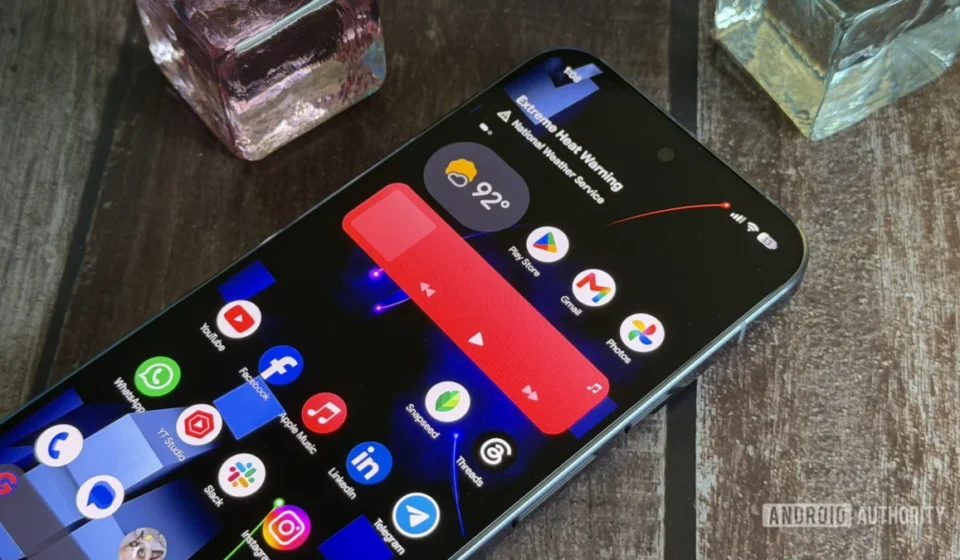
Google Pixel 11’s Pixel Glow Innovation Faces Uphill Battle Amidst Soaring Component Costs and Market Expectations.

Google has recently unveiled teaser images for its upcoming Pixel 11 smartphone series, offering the public its inaugural glimpse of a novel design element dubbed "Pixel Glow." This distinctive feature represents a strategic move by Google to introduce innovative hardware differentiation without dramatically altering the established design language that has contributed to the Pixel line’s sustained sales success. However, despite the excitement surrounding Pixel Glow, the forthcoming Pixel 11 models are poised to navigate a challenging market landscape marked by escalating component prices and heightened consumer expectations.
The Debut of Pixel Glow: A Beacon of Innovation
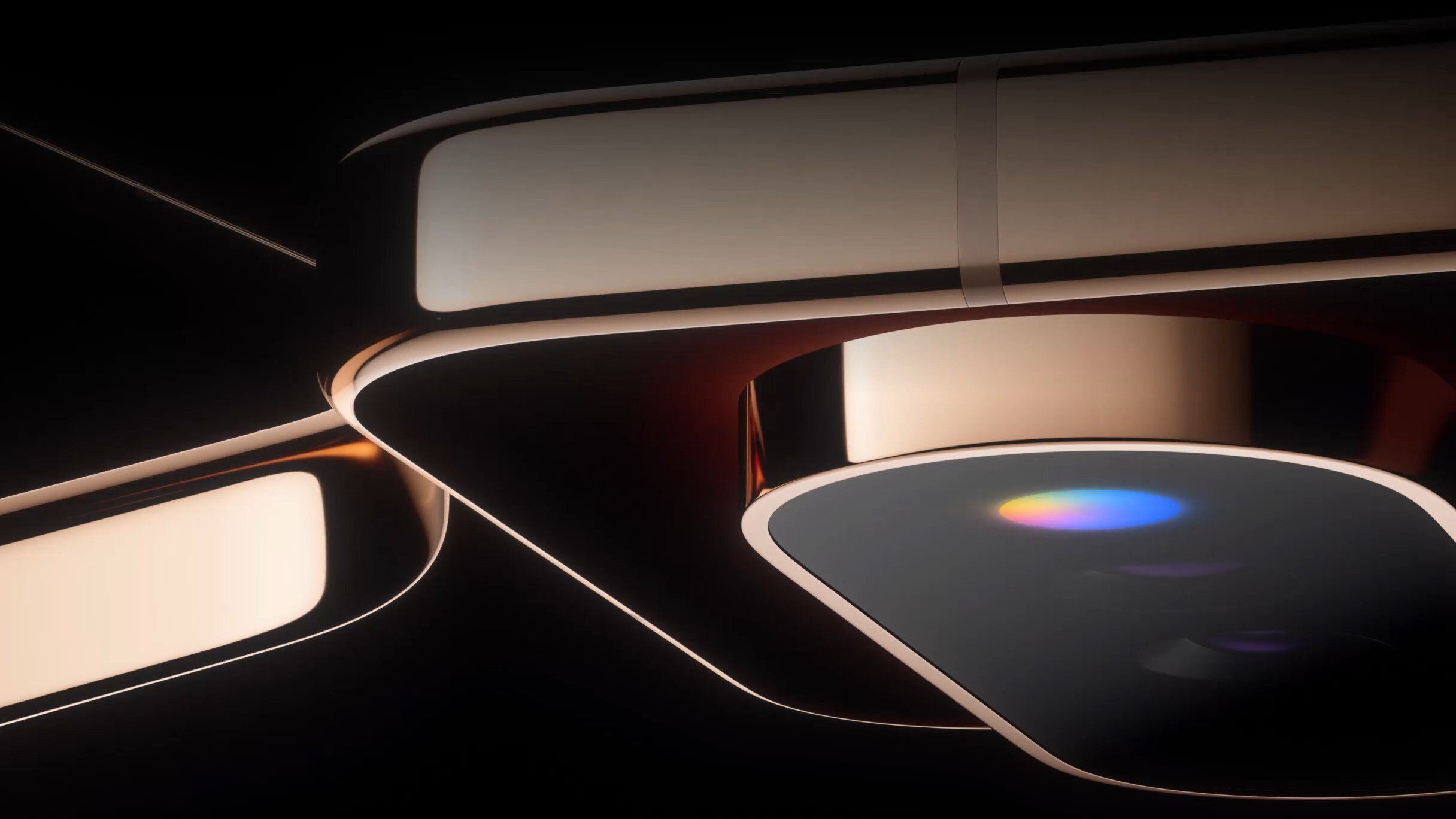
The introduction of Pixel Glow marks a significant departure from Google’s recent design iterations, which have largely maintained a consistent aesthetic since the Pixel 6 series. The teaser images, disseminated via the Google Store, reveal an integrated lighting system, likely RGB, positioned on the rear of the device. This feature is intended to serve as a modern reinterpretation of the classic notification LED, a staple in older smartphone designs that has largely disappeared due to evolving form factors and the prevalence of always-on displays.
For many users, the return of a visible notification indicator is a welcome development. While always-on displays offer convenience for glancing at immediate information, their utility diminishes when the device is not in direct line of sight. Pixel Glow, by contrast, promises ambient visual cues that can be discernible from across a room. Industry observers anticipate that this functionality will extend beyond simple notifications, potentially allowing users to assign specific colors to contacts or applications, thereby offering a quick, discreet way to prioritize incoming alerts without needing to interact directly with the phone. This level of customization, coupled with potential third-party app integration, could unlock a new layer of personalized user experience, adding a "fun factor" that some feel has been lacking in recent smartphone hardware.
The placement of Pixel Glow on the device’s rear is a pragmatic choice, given the industry’s drive towards minimizing bezels and maximizing screen real estate on the front. This design decision also suggests Google envisions users placing their phones face-down, particularly for those who opt for protective cases, thus safeguarding the display while still benefiting from visible notifications. The versatility of the teased RGB lighting hints at a broad spectrum of customization options, potentially allowing for dynamic lighting patterns that could respond to music, gaming, or system alerts, further enriching the user’s interaction with their device. This innovation aligns with Google’s broader strategy of infusing its hardware with intelligent, user-centric features, leveraging software to enhance the physical experience.
Economic Headwinds and the Price Conundrum
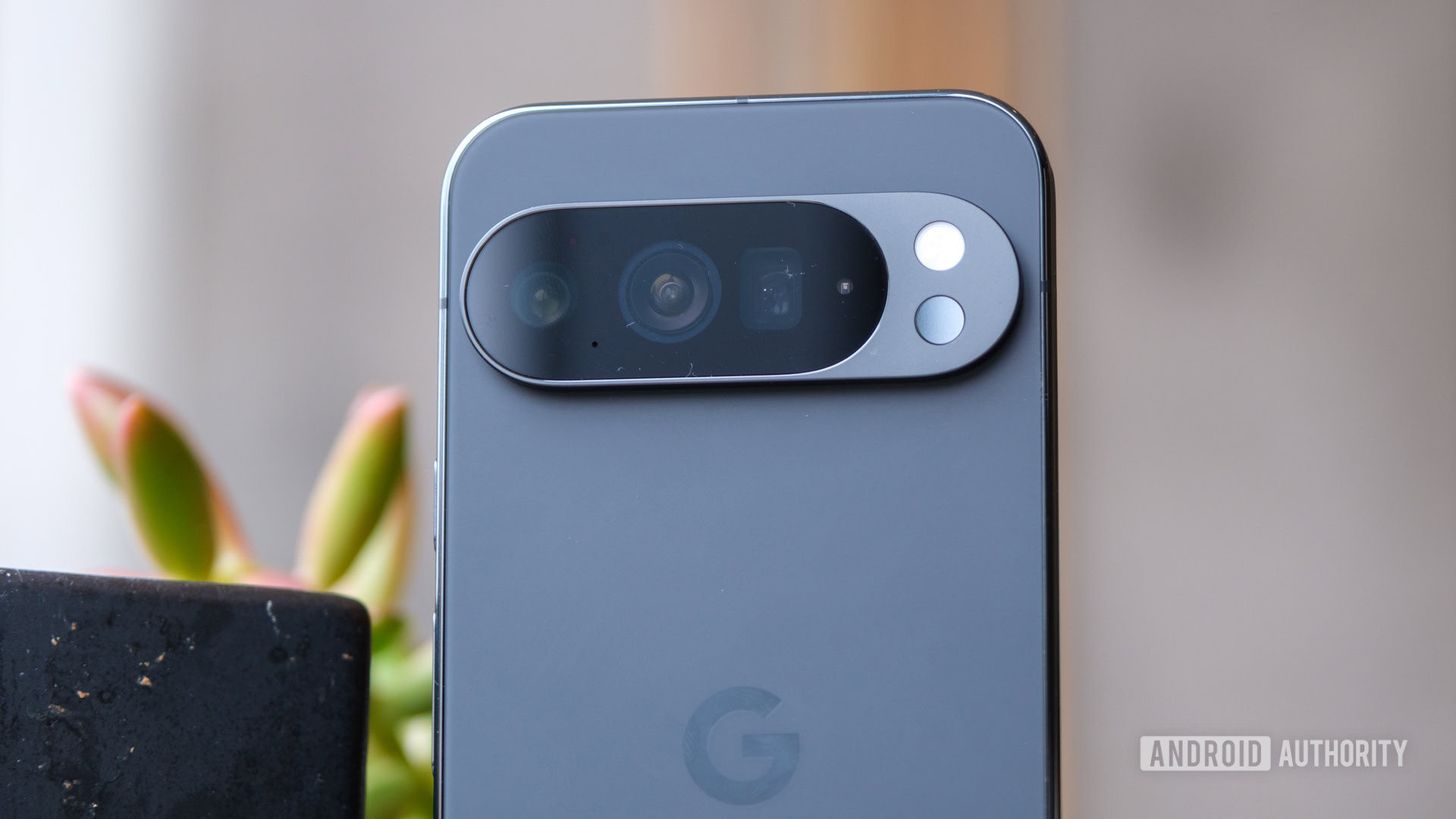
Despite the promising innovation embodied by Pixel Glow, the Pixel 11 series faces considerable economic challenges. The global marketplace is currently experiencing a turbulent period, characterized by significant increases in the cost of crucial electronic components. This trend, observed throughout 2026, has already compelled several Android manufacturers to adjust their pricing upwards. Recent leaks, if accurate, indicate that Google will join this trend, with the Pixel 11 series expected to command a higher price point than its predecessors.
The underlying causes of these rising costs are multifaceted, stemming from persistent semiconductor shortages, inflationary pressures across global supply chains, and increased demand for advanced materials. High-end components, such as next-generation processors, sophisticated camera modules, and high-capacity RAM, are particularly susceptible to these price escalations. For instance, reports suggest that the Pixel 11 Pro models may feature a substantial 16GB of RAM. While this offers a significant performance boost for multitasking and demanding applications, it also represents a considerable cost driver. Maintaining or increasing RAM capacity while simultaneously improving other hardware aspects inevitably pushes up manufacturing expenses.
This anticipated price hike is set to position the Pixel 11, particularly the Pro variants, squarely within the premium flagship segment, potentially exceeding the $1,300 mark. This places Google in direct competition with established giants like Samsung and Apple, whose flagship devices already inhabit this upper echelon. Historically, Pixel phones, while not "value devices" in the strict sense since the Pixel 9 series, often maintained a slight pricing advantage over their direct Samsung Galaxy counterparts. However, if leaks are correct, this subtle distinction may erode, removing one of Google’s previous competitive anchors. The shift into this higher price bracket inherently raises consumer expectations, demanding not just incremental improvements but a truly comprehensive flagship experience across all metrics.
The Performance Imperative: Tensor G6 Under Scrutiny
At a price point north of $1,300, consumers expect uncompromised performance. This places the spotlight firmly on Google’s proprietary Tensor G6 chipset, which is slated to power the Pixel 11 series. While leaks suggest Google is actively working to enhance the power and efficiency of its flagship chipsets, industry analysts remain skeptical about its ability to match the raw computational prowess of competitors like Qualcomm’s Snapdragon 8 Elite Gen 5.
Google’s Tensor strategy has historically prioritized on-device artificial intelligence (AI) and machine learning (ML) capabilities over raw CPU and GPU benchmarks. This focus has enabled features like advanced computational photography, real-time language processing, and personalized user experiences. However, the premium smartphone market increasingly demands top-tier performance for intensive tasks such as high-fidelity mobile gaming, complex video editing, and sustained heavy multitasking without thermal throttling.
Should the Tensor G6 lag significantly behind its rivals in benchmarked performance, particularly in graphics-intensive applications, it could become a significant point of contention for buyers investing a substantial sum. At a flagship price, consumers will expect peak gaming performance, flawless video recording capabilities that do not fall behind the competition, and robust thermal management. Past Pixel iterations have sometimes faced criticism regarding sustained performance under heavy load or occasional thermal issues. For the Pixel 11, these areas will be under intense scrutiny, and any perceived weaknesses could undermine its appeal in a highly competitive segment. Google’s traditional defense of building "value in other ways" through software and AI will be less compelling if the foundational hardware performance does not meet premium-tier expectations.
Software’s Evolving Role: Beyond Feature Drops
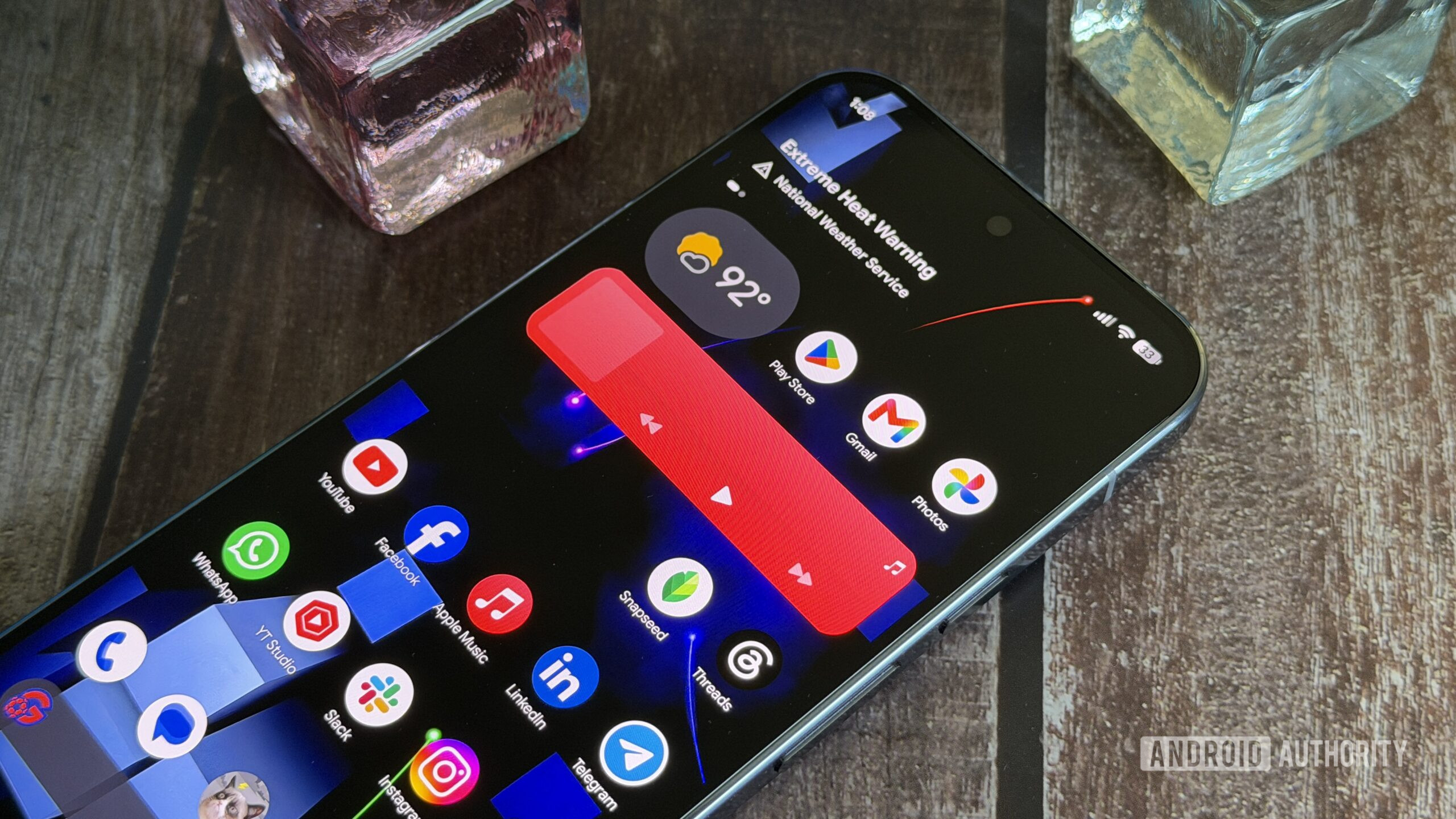
Google’s Pixel brand has long been synonymous with an exemplary software experience. The clean, intuitive interface of stock Android, coupled with exclusive Pixel-specific features and consistent updates, has been a significant draw for many users. The recent Android 17 experience on devices like the Pixel 10 Pro Fold, with its "Material 3 Expressive" design language and innovative "App bubbles" for multitasking, underscores Google’s commitment to software excellence. Furthermore, Google’s robust Pixel feature drops and extended software support have set industry benchmarks, often surpassing what many Android OEMs offer.
However, in the context of rising prices, the traditional advantage of superior software may no longer be sufficient to close a perceived value gap. While Google’s software experience is highly regarded, competitors like Samsung have significantly narrowed the gap. Samsung’s One UI has matured into a feature-rich, well-optimized interface, and the company has made substantial strides in delivering timely and reliable software updates, often matching or exceeding Google’s update cadence for security patches.
Moreover, while Pixel cameras are consistently praised for their reliability and Google’s computational photography remains top-tier, the competition has caught up considerably. Flagship devices from Samsung, Apple, and even Chinese manufacturers now offer exceptional camera systems, with many incorporating their own advanced AI-driven image processing. The unique edge Google once held in this domain has become less pronounced. Therefore, while Pixel Glow and other potential software-driven functionalities are exciting, they can only be one piece of a much larger puzzle. The narrative that software alone can compensate for hardware shortcomings or a higher price point will be harder to sustain in the ultra-premium segment.
Competitive Landscape and Market Position
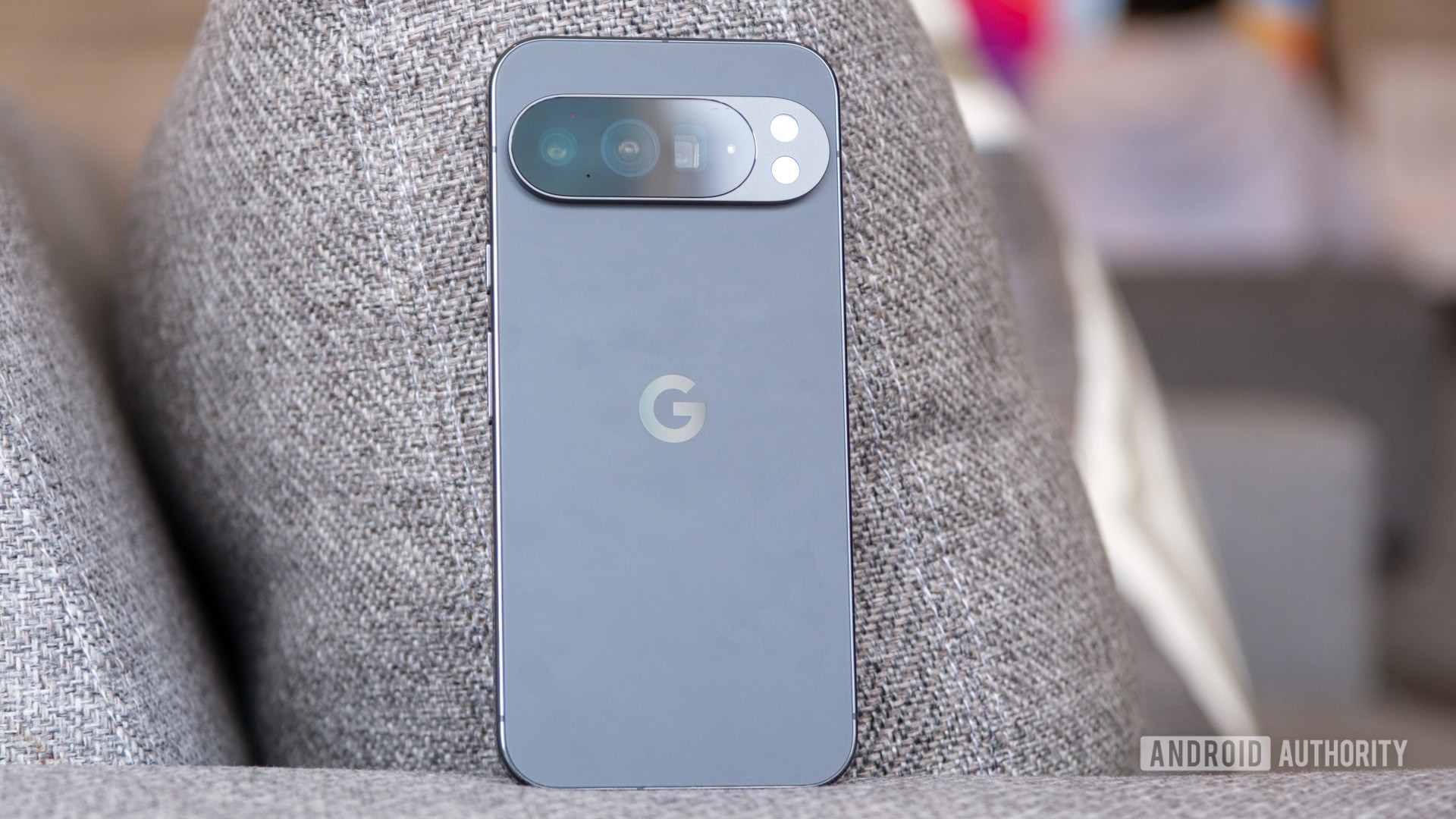
The impending price increase for the Pixel 11 series positions Google in a more direct and intense battle with industry heavyweights. Samsung, with its established global distribution network and aggressive marketing, remains a formidable competitor. Apple, with its ecosystem lock-in and strong brand loyalty, continues to dominate the premium segment in many key markets. Other Android manufacturers, particularly those from China, are also pushing boundaries with innovative hardware and increasingly refined software experiences, often at competitive price points.
Google’s progress with its Pixel hardware and software has shown a positive overall trend, leading to increased adoption and satisfaction among users. However, the realities of the 2026 market demand a multifaceted approach. The decision to equip Pro models with 16GB of RAM, while beneficial for performance, locks Google into a higher cost structure. Reverting to 12GB or cutting corners in other hardware departments would likely be perceived negatively by consumers expecting a no-compromise flagship.
The company has historically maintained that its Tensor chipsets prioritize unique AI capabilities and an integrated software-hardware experience over raw, benchmark-topping performance. This strategy was more defensible when Pixel devices were priced more aggressively. However, as the Pixel 11 enters the upper echelons of smartphone pricing, it will be forced into a performance fight that it may not be architecturally designed to win outright against chips like the Snapdragon 8 Elite Gen 5. This shift in market positioning necessitates a re-evaluation of Google’s value proposition. While Pixel Glow adds an intriguing visual and functional layer, it must be supported by a robust overall package that justifies the premium cost across all aspects of hardware and software performance.
Conclusion: Navigating a New Era for Pixel
The Google Pixel 11 arrives at a critical juncture for Google’s hardware ambitions. Pixel Glow, with its innovative notification system and potential for deep customization, represents a creative step forward in design and user interaction. It demonstrates Google’s continued commitment to infusing its devices with unique, software-driven experiences that enhance daily use. This feature, alongside the refined Android 17 and Pixel’s renowned computational photography, forms the core of Google’s established strengths.
However, the prevailing economic conditions of 2026, marked by soaring component costs, are forcing the Pixel 11 into a higher price bracket, fundamentally altering its competitive landscape. This elevated price point brings with it a non-negotiable set of consumer expectations, particularly regarding raw performance, sustained power, and overall hardware excellence. The Tensor G6 chipset, while strong in AI, will face intense scrutiny against rivals optimized for peak gaming and multimedia processing.
Google’s ability to navigate this new terrain will depend on striking a delicate balance. The Pixel 11 must not only delight users with novel features like Pixel Glow and an exceptional software experience but also deliver a hardware package that unequivocally justifies its premium cost. While it may look fantastic with Pixel Glow, the Pixel 11’s true success will hinge on its capacity to meet, if not exceed, the comprehensive demands of the ultra-premium smartphone market. The battle for market share at the top tier is fierce, and Google will need more than just innovative aesthetics to secure its position.