Philips Hue Poised to Unveil Innovative "Screen Sync" Camera for Enhanced Immersive Lighting Experience at IFA Berlin.

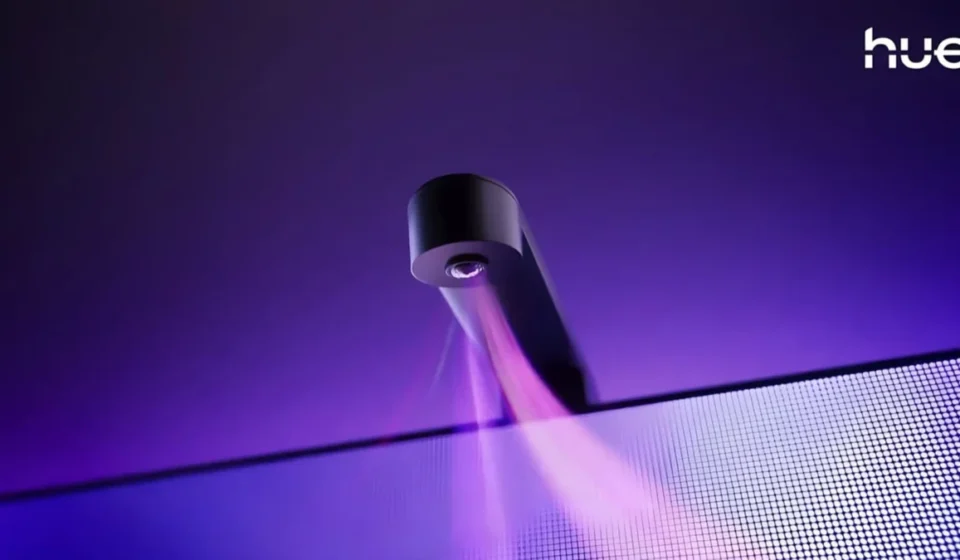
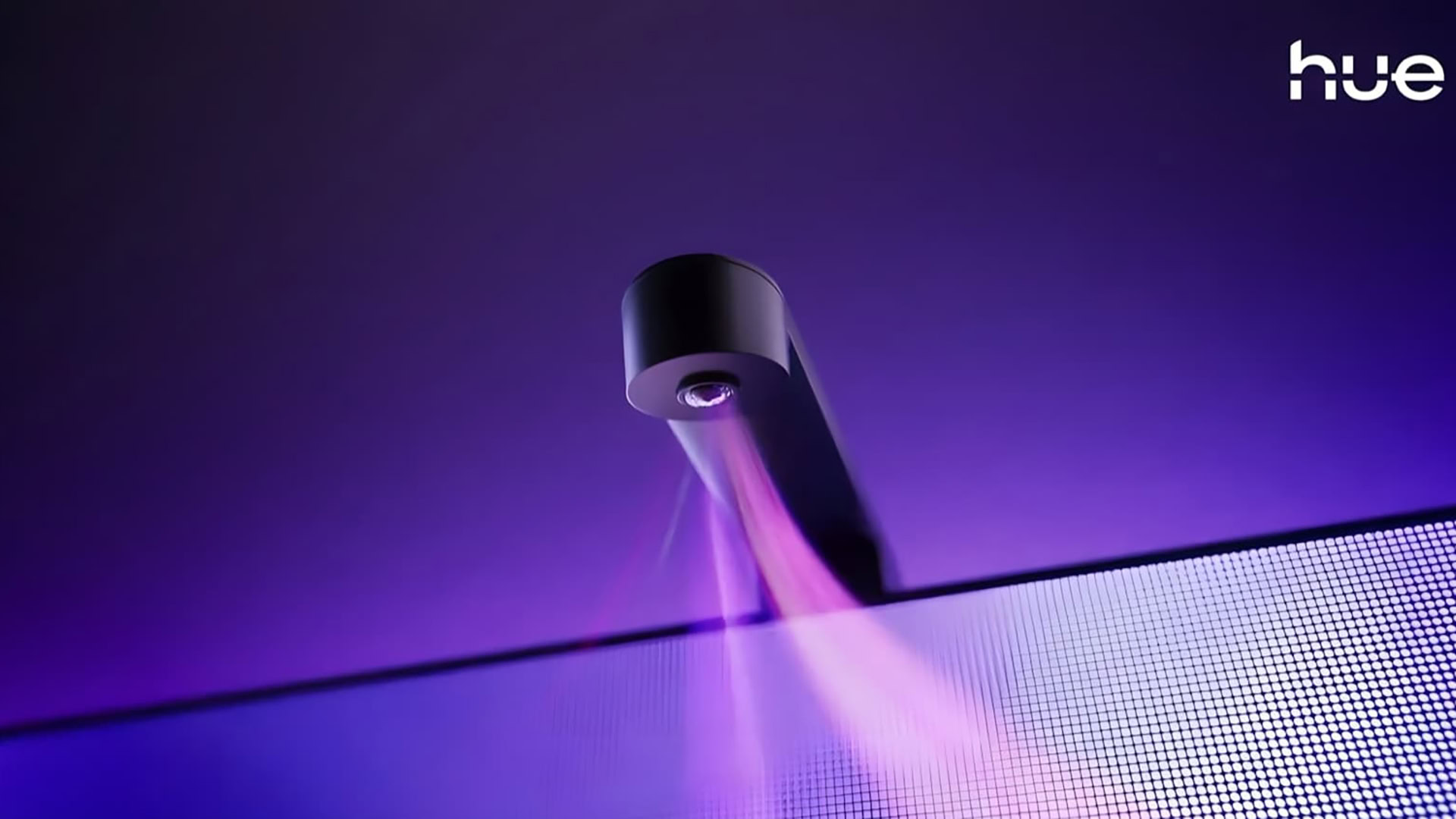
Signify, the parent company behind the popular Philips Hue smart lighting ecosystem, is reportedly preparing to introduce a groundbreaking new device designed to further immerse users in their home entertainment. This upcoming product, speculated to be named the "Screen Sync" camera, aims to offer an alternative and potentially more accessible method for synchronizing Philips Hue lights with on-screen content. The official unveiling is anticipated to take place at the prestigious IFA Berlin consumer electronics show later this year, according to a report from HueBlog, which also shared alleged images of the device sourced from an online presentation. This development signals Philips Hue’s continued commitment to evolving the smart home entertainment experience, expanding upon its existing synchronization tools like the Philips Hue Play HDMI Sync Box and the Philips Hue Sync TV app.
The Evolution of Immersive Home Entertainment
For years, Philips Hue has been at the forefront of integrating ambient lighting with digital media, transforming living spaces into dynamic extensions of the on-screen action. The core concept behind Philips Hue Sync is to extend the visual experience beyond the television screen, projecting the colors and intensity of the content onto the surrounding walls and furniture. This creates a more captivating and immersive atmosphere, whether users are watching movies, playing video games, or enjoying music.
Initially, this ambitious vision was primarily realized through the Philips Hue Play HDMI Sync Box. Launched in 2019, this dedicated hardware device acts as an intermediary between HDMI sources (like gaming consoles, Blu-ray players, or streaming sticks) and the television. It analyzes the incoming video signal in real-time, translating the dominant colors and brightness levels into corresponding light commands for connected Philips Hue lights. While highly effective, the Sync Box requires users to route all their entertainment sources through it, which can be a point of friction for setups involving numerous devices or smart TV applications that bypass external inputs. The Sync Box also comes with a significant price tag, positioning it as a premium accessory within the already premium Hue ecosystem.
Recognizing the shift towards integrated smart TV platforms and the increasing reliance on native streaming apps, Philips Hue later introduced the Hue Sync TV app. This software-based solution, initially available exclusively on select Samsung smart TVs from 2022 onwards, eliminates the need for external hardware by performing the content analysis directly on the television. While more convenient for users with compatible TVs, its limited availability across different television brands and models restricts its reach. The app also typically involves a one-time purchase, adding to the ecosystem’s cost.
The rumored "Screen Sync" camera appears to be a strategic move to bridge the gap between these two existing solutions, offering a versatile, hardware-based alternative that bypasses the need for HDMI passthrough and transcends specific TV operating systems. It represents a potential democratization of the immersive lighting experience, making it accessible to a broader audience without compromising on the signature Philips Hue quality.
Unpacking the "Screen Sync" Camera: Functionality and Design
Based on the leaked images and HueBlog‘s report, the Philips Hue "Screen Sync" camera is envisioned as a compact device designed to be mounted discreetly on top of a television. This placement is critical for its primary function: visually analyzing the content displayed on the screen. Unlike the HDMI Sync Box, which processes the video signal directly, or the Hue Sync TV app, which leverages internal TV software, the camera-based approach relies on optical recognition.
The camera will reportedly capture the on-screen imagery in real-time. Sophisticated algorithms within the device, or potentially leveraging the Hue Bridge for processing power, will then analyze the dominant colors, brightness, and motion patterns across the TV’s display. This visual data is then translated into corresponding light commands, which are sent wirelessly to connected Philips Hue lights within the entertainment area. The goal is to create a seamless, dynamic interplay between the screen and the surrounding lights, mirroring the visual ambiance of the content.
The images suggest the device features a single lens. For a camera to effectively capture and analyze the entire expanse of a television screen, especially larger modern displays, it would almost certainly require an ultrawide or fisheye lens. This type of lens offers a broad field of view, allowing the camera to perceive the full spectrum of colors and activity across the display, even when mounted relatively close to the screen. The precision of this optical analysis will be paramount to the user experience, as accurate color mapping and minimal latency are key to creating a truly immersive effect. Any noticeable delay between the on-screen action and the light changes can disrupt the illusion and diminish the overall experience.
The design of the camera, as depicted, appears minimalist and unobtrusive, aiming to blend into the home entertainment setup without drawing excessive attention. This is a common design philosophy for smart home devices, where functionality often takes precedence over overt aesthetics. The physical mounting mechanism is likely designed for ease of installation, allowing users to simply place it on top of their TV without complex wiring or permanent fixtures.
Market Context and Competitive Landscape
The smart home market, particularly the segment focused on smart lighting and entertainment, is intensely competitive and continually evolving. Philips Hue has established itself as a premium brand within this space, known for its robust ecosystem, wide range of products, and high-quality lighting. However, other players have also introduced camera-based sync solutions, albeit often with varying degrees of sophistication and integration.
Many third-party brands offer light strips and standalone cameras designed for screen synchronization. These solutions often provide a more budget-friendly entry point into immersive lighting, though they may sometimes lack the seamless integration and extensive feature set of the Philips Hue ecosystem. Some competitors, for instance, utilize adhesive light strips that attach directly to the back of the TV, with a camera mounted either above or below the screen. The "Screen Sync" camera would bring Philips Hue’s renowned quality and ecosystem benefits to this increasingly popular camera-based approach.
The introduction of the "Screen Sync" camera also addresses several market trends. Firstly, the proliferation of smart TVs means more users are relying on built-in apps for streaming, bypassing traditional HDMI inputs. The HDMI Sync Box is less effective in these scenarios. Secondly, simplicity and ease of setup are becoming increasingly important for mainstream consumers adopting smart home technology. A camera that simply sits on top of the TV and connects wirelessly to the Hue Bridge offers a less complex installation than routing multiple HDMI cables. Finally, the "Screen Sync" could cater to a segment of users who find the HDMI Sync Box too expensive or simply unnecessary for their particular setup, while still desiring the immersive Philips Hue experience.
The Significance of IFA Berlin
IFA Berlin is one of the world’s leading trade shows for consumer electronics and home appliances, attracting major technology companies, industry professionals, and media from around the globe. Held annually in September, it serves as a critical platform for product launches, technological innovations, and setting industry trends for the upcoming year.
Philips Hue’s choice to potentially unveil the "Screen Sync" camera at IFA Berlin underscores the strategic importance of this product. A launch at such a high-profile event ensures maximum media coverage, broad industry attention, and direct engagement with potential retail partners. It allows Signify to showcase the device alongside other potential innovations within the Philips Hue ecosystem, which often includes new bulb types, outdoor lighting solutions, and software updates.
Historically, IFA has been a launchpad for significant smart home advancements. For Philips Hue, it’s an opportunity to reinforce its market leadership and demonstrate its commitment to continuous innovation. The timing also positions the product favorably for the crucial holiday shopping season, allowing for pre-orders and widespread availability shortly after the announcement. While specific pricing and availability details are not yet known, an IFA launch would almost certainly provide these crucial pieces of information. It is also common for companies to offer hands-on demonstrations at such events, allowing attendees to experience the "Screen Sync" camera’s capabilities firsthand.
Implications for User Experience and Broader Market
The potential introduction of the Philips Hue "Screen Sync" camera carries significant implications for user experience and the broader smart home entertainment market.
Advantages for Users:
- Universal Compatibility: Unlike the HDMI Sync Box, which requires all content to pass through its HDMI inputs, or the Hue Sync TV app, which is limited to specific TV models, a camera-based system offers near-universal compatibility. It can synchronize with any content displayed on any TV, regardless of the source – be it a smart TV app, a cable box, a gaming console, or a streaming stick. This eliminates compatibility headaches and simplifies complex entertainment setups.
- Simplified Setup: Mounting a camera on top of a TV and pairing it with the Hue Bridge is generally a much simpler installation process than re-routing multiple HDMI cables. This lower barrier to entry could attract new users to the Philips Hue ecosystem who might have been deterred by the complexity or cost of the HDMI Sync Box.
- Cost-Effectiveness (Potential): While pricing is unconfirmed, a camera-based solution could potentially be positioned at a more accessible price point than the HDMI Sync Box, which typically retails for over $200. This could make immersive lighting more attainable for a wider range of consumers.
- Flexibility: Users are not tied to specific input sources or TV brands, offering greater flexibility in how they consume their media.
Challenges and Considerations:
- Latency: A primary concern with any camera-based sync system is latency. The process of capturing, analyzing, and transmitting light commands in real-time must be incredibly fast to avoid a noticeable delay between on-screen action and light changes. Philips Hue’s reputation for quality suggests they would invest heavily in minimizing this, likely leveraging powerful processing and optimized wireless communication protocols.
- Accuracy of Color Detection: The camera’s ability to accurately detect and reproduce colors, especially in varying room lighting conditions, will be crucial. Reflections on the screen, ambient room light, or even the TV’s own picture settings could potentially interfere with precise color analysis. Advanced image processing and ambient light sensors might be incorporated to mitigate these challenges.
- Privacy: The presence of a camera in the living room, even one designed for content analysis, can raise privacy concerns for some users. Signify would need to clearly communicate how the device processes data, emphasizing that it’s analyzing light patterns, not recording video or identifying individuals. Clear privacy policies and technical safeguards would be essential.
- Placement and Calibration: Optimal camera placement and initial calibration might be necessary to ensure it captures the entire screen accurately and delivers the best synchronization experience across different TV sizes and room layouts.
- Performance with HDR/Dolby Vision: Modern TVs often feature High Dynamic Range (HDR) and Dolby Vision, which produce incredibly bright and vivid colors. The camera system must be capable of accurately interpreting these enhanced visual signals to translate them into equally impressive light effects.
Philips Hue’s Strategic Vision and Broader Impact
The potential launch of the "Screen Sync" camera underscores several strategic objectives for Philips Hue and its parent company, Signify. Firstly, it strengthens the Philips Hue ecosystem by offering a more diverse range of synchronization options, catering to different user preferences, technical setups, and budget considerations. This multi-pronged approach ensures that Philips Hue remains competitive and relevant in a rapidly evolving market.
Secondly, it reinforces Philips Hue’s position as a leader in immersive smart lighting. By continually innovating and expanding its product portfolio, Signify aims to maintain its premium brand image and attract new users while retaining its loyal customer base. The "Screen Sync" camera could serve as a gateway product, encouraging users to invest further in the broader Hue ecosystem.
Thirdly, this move demonstrates Signify’s responsiveness to market trends and consumer feedback. The demand for seamless, easy-to-use smart home solutions is growing, and a camera-based sync system directly addresses this need, particularly for those who primarily use smart TV apps.
From a broader industry perspective, the introduction of a high-quality camera-based sync solution from a market leader like Philips Hue could further legitimize and popularize this approach to immersive lighting. It might spur other smart lighting manufacturers to innovate further in this space, potentially leading to more advanced features, improved accuracy, and more competitive pricing across the board. The integration of advanced AI and machine learning techniques for real-time video analysis in smart home devices is also a significant trend, and the "Screen Sync" camera would be a prime example of this technology in action.
Conclusion
The anticipation surrounding the rumored Philips Hue "Screen Sync" camera at IFA Berlin marks a significant moment for the smart home entertainment sector. If the reports prove accurate, this new device represents a strategic expansion of Philips Hue’s immersive lighting capabilities, offering a versatile and potentially more accessible alternative to its existing synchronization tools. By addressing the evolving landscape of home entertainment consumption, particularly the rise of smart TV apps, Philips Hue is poised to further solidify its leadership in creating captivating and dynamic living spaces. As IFA Berlin approaches, all eyes will be on Signify for official confirmation and the unveiling of what could be the next evolution in ambient smart lighting.