Apple Readies 12th-Generation iPad for 2027 Debut, Minor Updates Expected Amidst Evolving Tablet Market

Apple is reportedly in the advanced stages of developing the 12th-generation iPad, the company’s most accessible tablet, with a projected release in the first quarter of 2027. While industry analysts and supply chain whispers suggest this iteration will not introduce a radical redesign, it is expected to bring several key internal enhancements that could justify an upgrade for existing users or appeal to new consumers entering the Apple ecosystem. This upcoming model follows a period of significant price adjustments for Apple’s iPad lineup, underscoring the company’s strategic approach to its foundational tablet offering.
The decision to delay the refresh until early 2027, as indicated by recent supply chain intelligence, suggests Apple is meticulously planning its product roadmap, possibly aligning the iPad’s release with other key device unveilings or ensuring the integration of the latest silicon advancements. This timeline also allows Apple to capitalize on the momentum generated by its recent pricing strategy, which saw a notable increase in the cost of the 11th-generation iPad. The 12th-generation model is anticipated to launch with a starting price point of $449, mirroring the current retail value, a figure that reflects rising component costs, particularly for RAM, as noted by industry observers.
Design Continuity and Subtle Refinements
Early indications point towards a continuation of the design language introduced with the 10th-generation iPad. This means the 12th-generation model will likely retain the familiar 11-inch edge-to-edge Liquid Retina display, characterized by its uniformly thick bezels. The integration of Touch ID within the Side Button is also expected to remain a cornerstone of the user experience, offering a seamless and familiar authentication method. This design choice is a strategic one, allowing Apple to maintain cost efficiencies while focusing its innovation efforts on internal components and processing power, areas that directly impact user performance and feature capabilities.
The 10th-generation iPad marked a significant departure from its predecessors, adopting a more modern aesthetic that brought it closer in appearance to the premium iPad Pro and iPad Air lines. This design evolution aimed to democratize the sleek look across Apple’s tablet offerings. The 12th-generation iPad is expected to continue this visual lineage, maintaining a slim profile. While it currently stands as Apple’s thickest tablet at 7mm, this dimension is unlikely to change significantly. However, it’s important to note that the base iPad model has historically foregone certain display technologies found in its more advanced siblings, such as ProMotion adaptive refresh rates, P3 wide color gamut support, and full lamination. These omissions are key differentiators that contribute to the iPad’s accessible price point.
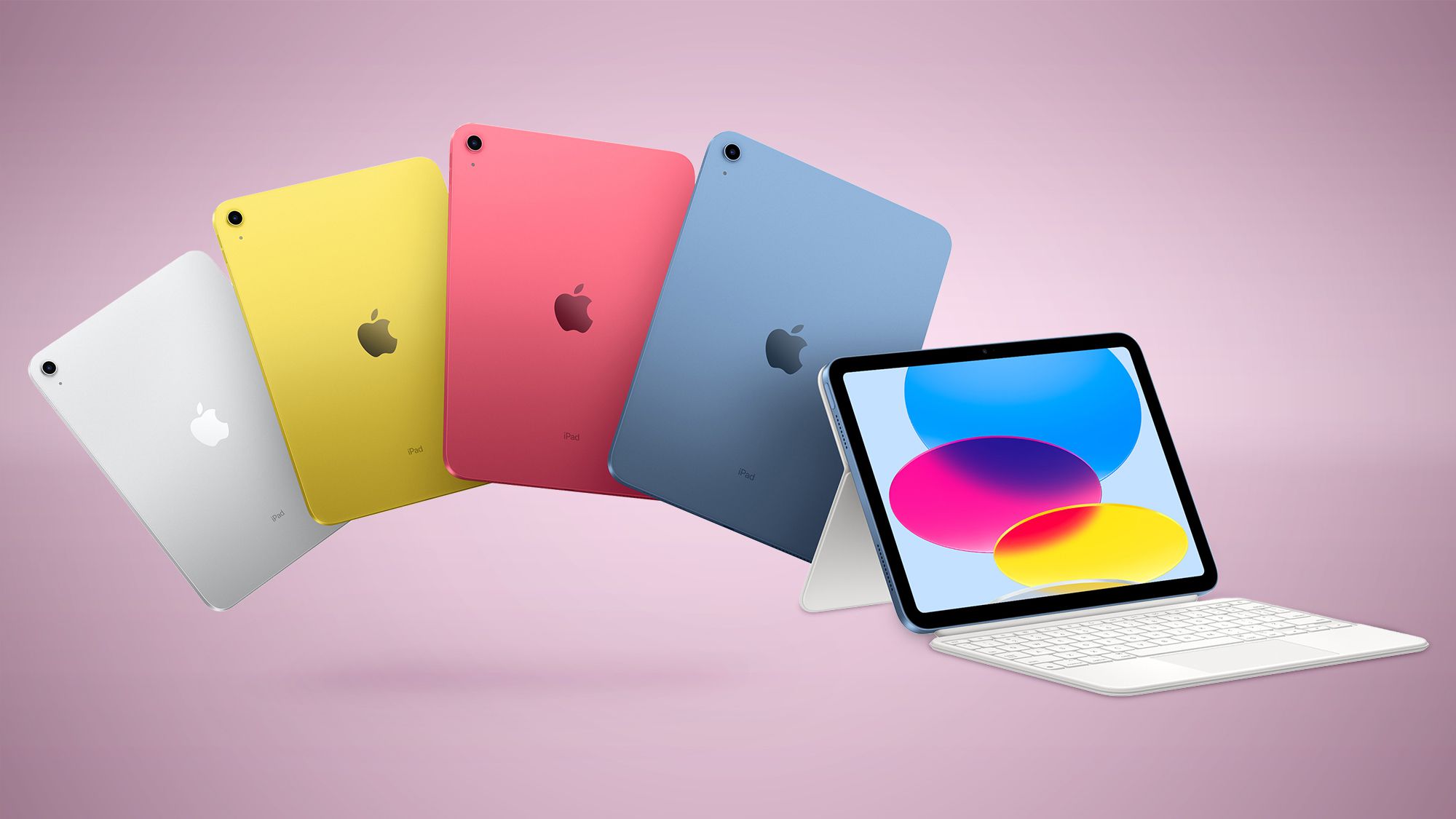
Color options have consistently been a strong suit for the entry-level iPad, offering a more playful and personalized experience. The current palette, which includes vibrant shades of blue, pink, silver, and yellow, has proven popular. While no concrete rumors have emerged regarding new colorways for the 12th-generation model, it is plausible that Apple may introduce refreshed hues or special editions to coincide with the 2027 launch, aiming to capture consumer attention and differentiate the new model in a competitive market.
Beyond the display and chassis, other hardware elements are expected to remain largely consistent. The rear and front-facing cameras are unlikely to see substantial upgrades, continuing to provide reliable performance for everyday tasks like video conferencing and casual photography. The ubiquitous USB-C port will persist, ensuring broad compatibility with charging cables and accessories. Furthermore, compatibility with the Apple Pencil, a crucial tool for artists, students, and professionals, is expected to be maintained, further solidifying the iPad’s versatility.
Powering the Future: A-Series Chip Advancements and Apple Intelligence
The most significant anticipated upgrades for the 12th-generation iPad lie within its internal architecture, specifically its processor. Rumors circulating within the industry suggest that Apple will equip the upcoming model with either the A18 or A19 chip. These processors, built on a sophisticated 3-nanometer manufacturing process, promise substantial improvements in both speed and energy efficiency when compared to the A16 Bionic chip found in the current 11th-generation model. This architectural leap is not merely about raw performance; it paves the way for the integration of Apple’s cutting-edge AI capabilities.
A critical development tied to these new chips is their support for Apple Intelligence. The A16 chip, currently powering the latest base iPad, does not possess the necessary hardware acceleration to run these advanced AI features. The inclusion of the A18 or A19 chip in the 12th-generation iPad will therefore mark a pivotal moment for Apple’s affordable tablet, bringing features such as enhanced natural language processing, intelligent summarization, and generative AI capabilities directly to the device. This integration positions the iPad as a more powerful and intelligent tool for productivity and creativity, bridging the gap with more premium computing devices.
Beyond AI, the A18 and A19 chips are also expected to bring enhanced graphical capabilities. Features like hardware-accelerated ray tracing, which significantly improves the realism and performance of demanding video games, are likely to be supported. This will undoubtedly be a welcome enhancement for mobile gamers and users who leverage their iPads for entertainment. To fully harness the potential of Apple Intelligence and these advanced graphical features, an increase in RAM is also anticipated. While the 11th-generation iPad is equipped with 6GB of RAM, the 12th-generation model is expected to see this bumped up to 8GB, a crucial step for ensuring smooth multitasking and the efficient operation of complex AI models.
Connectivity on the Horizon: The N1 Chip and Wi-Fi 7
Another potential area of advancement for the 12th-generation iPad lies in its connectivity capabilities, with the possibility of incorporating Apple’s proprietary N1 chip. This custom-designed chip, which debuted in the iPhone 17 lineup and has since been integrated into the iPad Pro, is a significant step towards Apple’s goal of greater hardware independence. The N1 chip is not just a Wi-Fi and Bluetooth controller; it integrates support for the latest wireless standards, including Wi-Fi 7, Bluetooth 6, and Thread networking technology.
The adoption of Wi-Fi 7 would represent a substantial leap forward from the current Wi-Fi 6 standard found in the 11th-generation iPad. Wi-Fi 7 offers significantly higher bandwidth, lower latency, and improved efficiency, particularly on the 6GHz band. This translates to faster download and upload speeds, smoother streaming of high-resolution content, and a more responsive online experience, especially in environments with multiple connected devices. Similarly, an upgrade to Bluetooth 6 would bring enhancements in range, stability, and data transfer speeds compared to the current Bluetooth 5.3.
The inclusion of Thread networking technology is also noteworthy, as it is a foundational element for the burgeoning smart home ecosystem. Thread enables low-power, reliable mesh networking for smart devices, facilitating seamless communication between thermostats, lights, sensors, and other connected appliances. While Apple has been integrating Thread support into its HomePod devices, its inclusion in the iPad could signal a more integrated approach to the smart home, potentially allowing the iPad to act as a more robust hub or controller.
However, there remains a possibility that Apple may reserve the N1 chip for its more premium devices, at least in the initial rollout. Leaked internal code has hinted at a tiered strategy for the N1’s adoption. If this is the case, the 12th-generation iPad might continue to utilize a more conventional Wi-Fi and Bluetooth solution, potentially still offering Wi-Fi 6E or an enhanced version of Wi-Fi 6, but falling short of the full Wi-Fi 7 capabilities. This would be a point of differentiation between the base iPad and its higher-end counterparts.
In-House Modems: Towards Greater Control
Apple’s long-term strategy of developing its own internal components extends to cellular modems. The company has been actively designing its C1 and C1X modem chips, which have already seen deployment in some iPhone and iPad models since 2025. It is therefore plausible that the cellular variants of the 12th-generation iPad could also integrate one of these Apple-designed modem chips.
The primary advantage of Apple’s in-house modems lies in their potential for improved power efficiency. By optimizing the modem for its specific chipsets and device architectures, Apple can often achieve better battery life compared to using third-party solutions like Qualcomm’s. While maintaining comparable performance, these custom modems can contribute to a more seamless and enduring user experience, particularly for users who rely on cellular connectivity for extended periods. This move also represents a strategic step for Apple in reducing its reliance on external suppliers and gaining greater control over its hardware development cycle.
Pricing Dynamics and Market Context
The pricing of Apple’s entry-level iPad has been a subject of recent scrutiny following a significant price adjustment in June 2026. The 11th-generation model’s starting price was increased by $100 to $449 for the 128GB storage configuration. Apple cited rising costs associated with components, particularly RAM, as the primary driver for this increase. Looking ahead to the 12th-generation iPad, there is currently no indication that these component cost pressures are abating. Therefore, it is highly probable that the new model will launch with a similar starting price of $449, reflecting the ongoing inflationary environment within the electronics manufacturing sector.
This pricing strategy, coupled with the anticipated iterative updates, positions the 12th-generation iPad as a consistent offering in Apple’s tablet lineup. It aims to attract budget-conscious consumers and those seeking a reliable tablet for everyday tasks, educational purposes, and light productivity, while clearly differentiating itself from the more premium iPad Air and iPad Pro models. The recent introduction of 36-month carrier financing for cellular iPads through partners like AT&T and Verizon further underscores Apple’s efforts to make its tablet devices more accessible through flexible payment options, a strategy likely to continue with the upcoming generation.
Launch Trajectory and Market Positioning
Initially, industry projections from sources like Bloomberg suggested a refresh of the base iPad within the calendar year of 2026. However, more recent supply chain intelligence indicates a slight shift in Apple’s release schedule, pushing the launch of the 12th-generation iPad into the first quarter of 2027. This revised timeline allows Apple to refine its manufacturing processes and potentially integrate the latest advancements in silicon technology, ensuring a robust and compelling product offering.
The ongoing evolution of the tablet market, with increasing competition from Android manufacturers and the growing capabilities of smartphones, necessitates strategic product development from Apple. The 12th-generation iPad, while not expected to be a groundbreaking redesign, aims to solidify its position as the go-to affordable tablet by offering enhanced performance, the integration of advanced AI features through Apple Intelligence, and improved connectivity options. For consumers considering a tablet purchase, waiting for the 12th-generation model appears to be a prudent decision, as it promises a more capable and future-proof device at a competitive price point within Apple’s ecosystem.