Exploring Viable Alternatives to the Newly Launched Samsung Galaxy Z Fold 8 Ultra Amidst Evolving Foldable Market Dynamics.

The eagerly anticipated Samsung Galaxy Z Fold 8 series has officially debuted, marking a significant milestone with the introduction of an "Ultra" model for the first time in its foldable lineup. While the Galaxy Z Fold 8 Ultra presents a compelling vision of cutting-edge mobile technology, its formidable starting price of $2,100 positions it firmly at the apex of the premium smartphone market. This substantial investment necessitates a thorough understanding of available options for consumers considering a high-end device, whether foldable or conventional.
The foldable smartphone market, while still nascent compared to its traditional counterpart, is steadily expanding. Although the United States currently boasts a smaller foldable adoption rate than regions like Europe and Asia, the increasing array of devices offers consumers more choices than ever before. Samsung’s long-standing leadership in this category has propelled innovation, yet the high entry cost of its top-tier models encourages a critical examination of alternatives that may offer comparable value, different form factors, or a more judicious balance of features and price. This analysis delves into six distinct alternatives, ranging from Samsung’s own diverse portfolio to competitive offerings from other manufacturers and even a compelling argument for a traditional flagship.
Background and Evolution of Samsung’s Foldables
Samsung has been a pioneer and dominant force in the foldable smartphone segment since the original Galaxy Fold’s tumultuous launch in 2019. Each subsequent generation has brought incremental but crucial improvements in display durability, hinge mechanism, software optimization, and overall user experience. The introduction of an "Ultra" moniker for the Galaxy Z Fold 8 series signals Samsung’s intent to push the boundaries of foldable technology, mirroring its strategy with the Galaxy S Ultra series, which consistently represents the pinnacle of its conventional smartphone offerings. This move aims to solidify Samsung’s premium standing and cater to a segment of users who demand the absolute best specifications and innovative features, regardless of price. However, it also inherently broadens the price gap within its own lineup, making the decision-making process more complex for potential buyers. The global foldable market is projected to continue its robust growth, with analysts forecasting shipments to reach tens of millions in the coming years, driven by enhanced durability, improved software, and a gradual, albeit slow, reduction in average selling prices. This backdrop underscores the importance of evaluating not just the latest and greatest, but also the broader ecosystem of foldable and high-end devices.
Chronology of Foldable Advancements
The journey of foldable phones has been characterized by rapid technological evolution. Early models grappled with fragility, visible display creases, and unoptimized software. Samsung’s iterative approach, starting with the original Fold, then the Z Fold 2, 3, 4, 5, 6, and now the 7 and 8 series, has steadily addressed these challenges. Key milestones include the introduction of Ultra Thin Glass (UTG) for enhanced display durability, more robust hinge designs that reduce the display gap when closed, and increasingly sophisticated software experiences tailored for multi-window multitasking. Other manufacturers like Huawei, Xiaomi, and Motorola have also entered the fray, each contributing to the advancement of foldable form factors, whether it be book-style or clamshell designs. This continuous innovation has paved the way for more refined and practical foldable devices, culminating in the advanced offerings we see today, including the Z Fold 8 Ultra.
Examining Direct and Indirect Competitors
For consumers daunted by the Galaxy Z Fold 8 Ultra’s price tag, or simply seeking different priorities, several compelling alternatives exist. These options vary in price, form factor, and feature set, offering a spectrum of choices that cater to diverse user needs and budgets.
1. Samsung Galaxy Z Fold 8 (Standard Model)
The standard Samsung Galaxy Z Fold 8 presents itself as the most immediate and arguably logical alternative to its Ultra counterpart. While it foregoes some of the Ultra’s top-tier enhancements, it retains many core functionalities at a more accessible price point—specifically, $200 less than the Ultra. This price difference, though seemingly modest in the context of foldable pricing, can be a significant factor for many consumers.
At its heart, the Galaxy Z Fold 8 is powered by the same cutting-edge Snapdragon 8 Elite Gen 5 processor as the Ultra model. This ensures that users will experience identical flagship-level performance in terms of speed, gaming capabilities, and overall responsiveness. Both models also come equipped with 12GB of RAM as a base, with the Ultra offering a 16GB upgrade option. However, for the vast majority of daily tasks, including demanding applications and intensive multitasking, the practical difference between 12GB and 16GB of RAM is often imperceptible to the average user, making the standard model’s configuration perfectly capable.
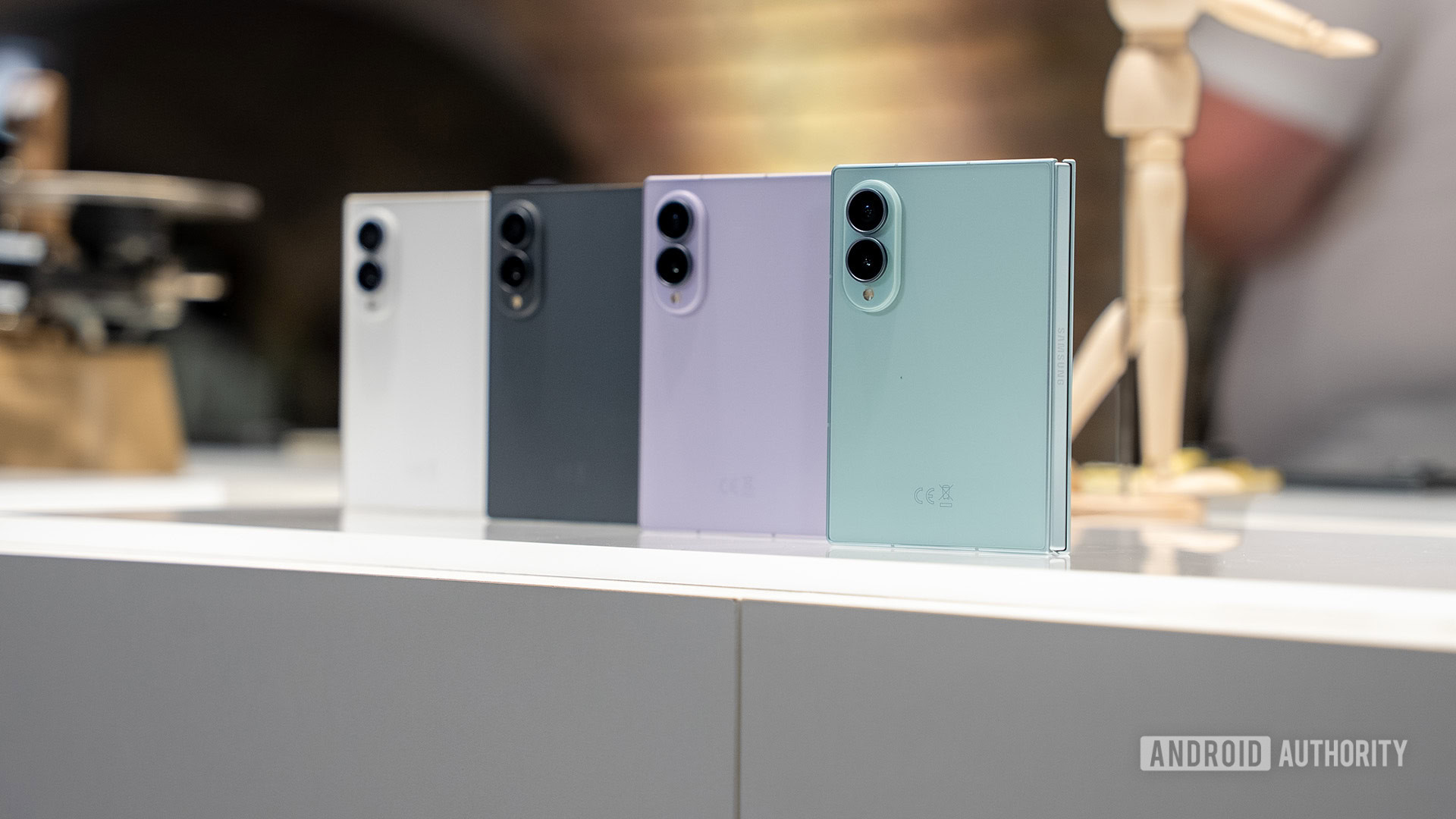
The primary distinctions lie in the camera system and physical design. The Fold 8 Ultra boasts a formidable 200MP main camera and a dedicated telephoto shooter, whereas the standard Fold 8 opts for a still-capable 50MP ultrawide sensor. While the Ultra’s 200MP sensor offers superior detail capture and potential for advanced computational photography, the 50MP ultrawide on the standard Fold 8 is certainly "better than average" and sufficient for most casual photography needs. For users who prioritize the foldable form factor and general performance over having the absolute best camera hardware, the standard Fold 8’s camera array is a reasonable compromise.
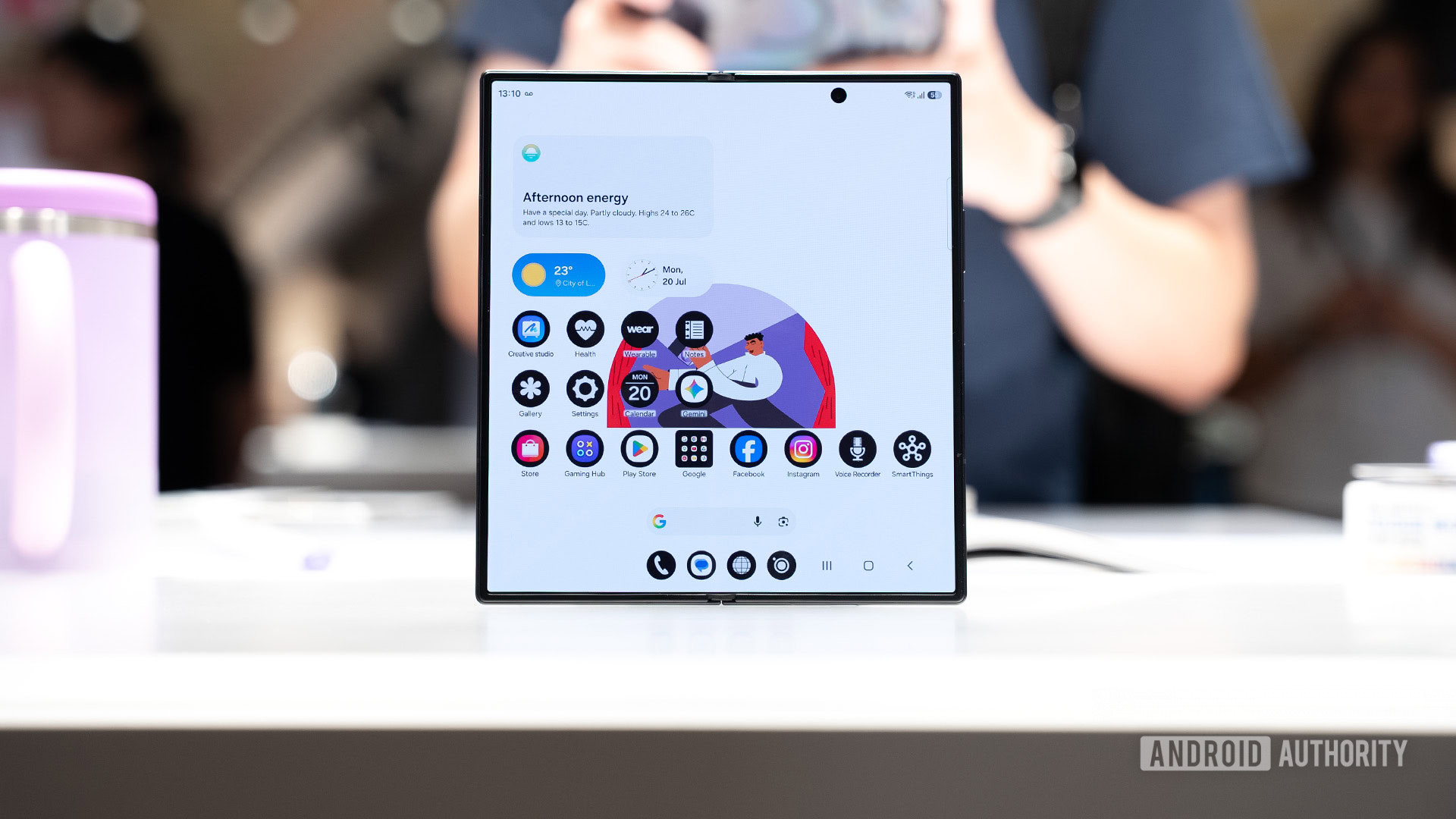
In terms of design, the Fold 8 features a smaller, more compact footprint and largely utilizes hinge technology similar to previous generations. In contrast, the Ultra introduces a "reworked hinge" and a "better opening gap," designed to enhance durability and provide a more seamless folding experience. The Ultra also incorporates a new titanium alloy film on its OLED panel, further contributing to its perceived robustness. These refinements on the Ultra, while notable, might not justify the additional cost for those who value practicality and a slightly more portable device. The standard Fold 8, despite being slightly heavier than the Ultra, offers a more compact design that some users might find more comfortable for one-handed use when folded.
Implications for Consumers: The standard Galaxy Z Fold 8 is positioned for the discerning buyer who desires Samsung’s latest foldable technology and flagship performance but is willing to accept minor concessions in camera prowess and cutting-edge hinge refinements for a more attractive price. It represents a strong value proposition within Samsung’s own lineup, proving that top-tier foldable experiences don’t always require the absolute maximum investment.
2. Samsung Galaxy Z Fold 7 (Previous Generation)
Stepping back one generation, the Samsung Galaxy Z Fold 7 emerges as a remarkably strong contender, especially for value-conscious consumers. While it features a slightly older Snapdragon 8 Elite processor (likely the Gen 4, preceding the Gen 5 in the Fold 8 series), its performance remains exceptional for virtually all modern applications. Furthermore, it offers the same 12GB or 16GB RAM configurations, ensuring robust multitasking capabilities.
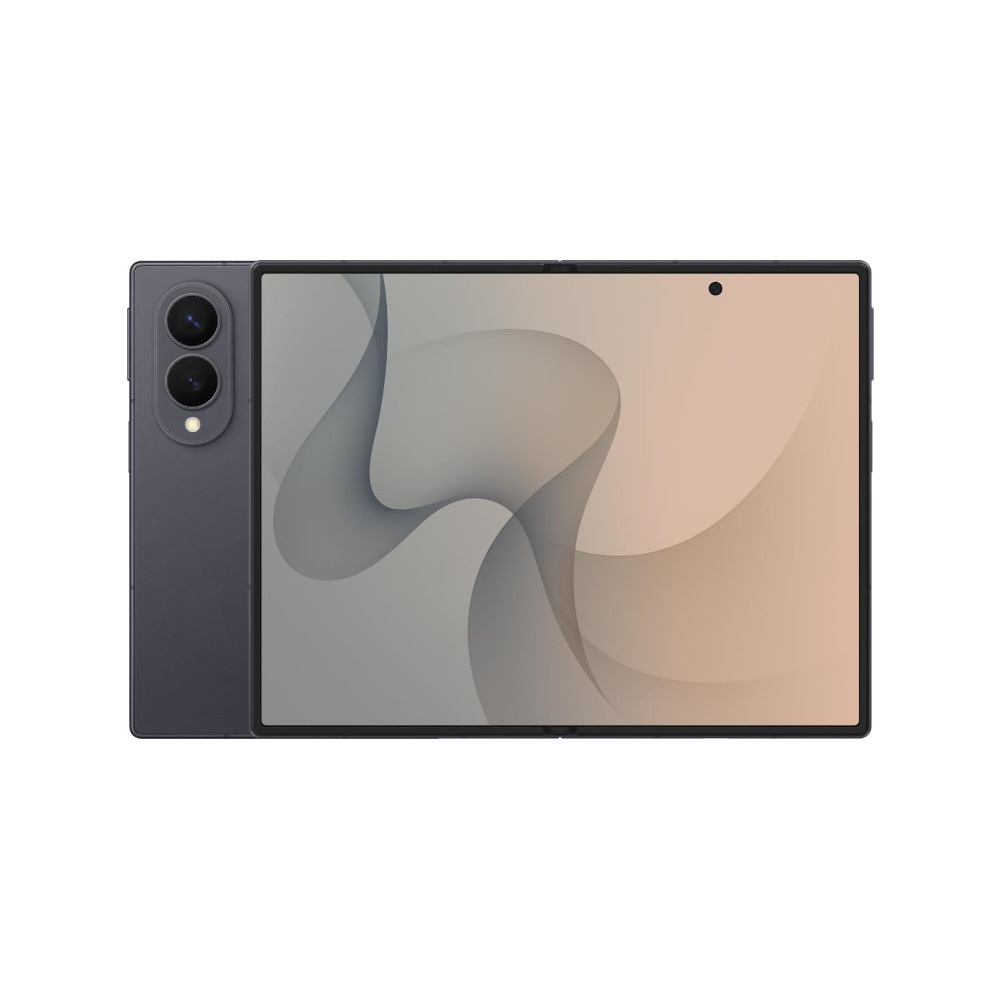
Intriguingly, the Galaxy Z Fold 7 actually aligns more closely with the Fold 8 Ultra in certain key specifications than the standard Fold 8. Specifically, the Fold 7 boasts the same expansive 8-inch main display and a similar thickness profile as the Fold 8 Ultra, differentiating it from the new standard Fold 8’s smaller 7.6-inch display. This means users can still enjoy a vast, tablet-like experience when unfolded, without the premium price of the latest Ultra model.
The camera system on the Fold 7 also presents a compelling argument. It shares the impressive 200MP main camera and a 10MP telephoto lens with the Fold 8 Ultra. The only noticeable downgrade is a weaker 12MP ultrawide shooter compared to the Ultra’s more advanced sensor. For many, the high-resolution main camera and dedicated telephoto zoom are more critical than the ultrawide, making the Fold 7’s camera array a significant draw.
While the Fold 7 naturally lacks the improved hinge and gap refinements introduced with the Fold 8 Ultra, it still benefits from Samsung’s accumulated expertise in foldable design, offering a durable and reliable device. The most compelling aspect of the Fold 7 as an alternative is its pricing. Through programs like Amazon Renewed, the device can be found for as low as $1,200. Even new, discounted units can be purchased for around $1,700 or less, representing substantial savings compared to both the Fold 8 Ultra and the standard Fold 8.
Implications for Consumers: The Galaxy Z Fold 7 is an excellent option for those seeking a premium, large-screen foldable experience akin to the Fold 8 Ultra, but at a significantly reduced cost. Its slightly older processor remains highly capable, and its camera system, particularly the main and telephoto lenses, stands up well against the latest offerings. It represents a sweet spot for value and performance in the foldable market.
3. Motorola Razr Fold
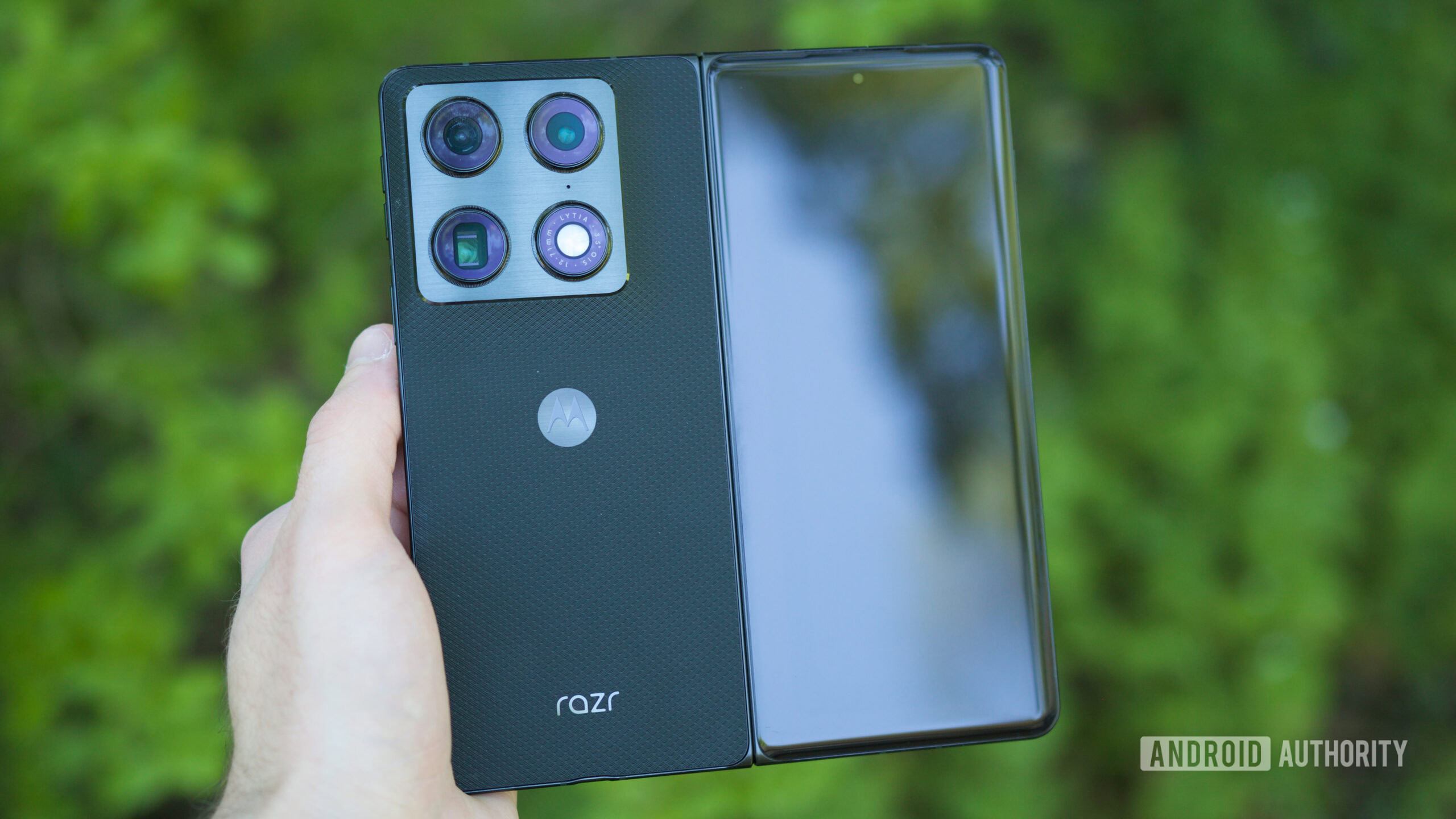
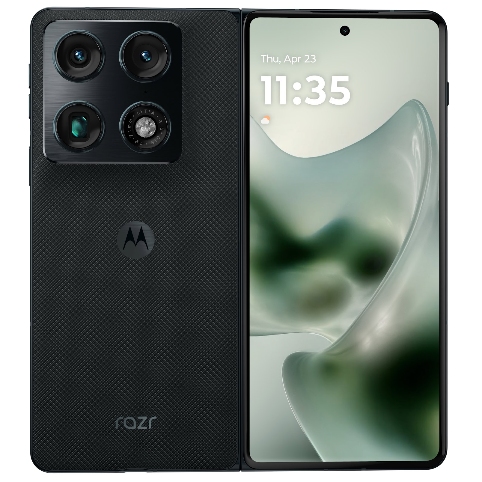
Motorola’s entry into the book-style foldable market with the Razr Fold is a bold move, directly challenging Samsung’s long-held dominance. This device, as Motorola’s first foray into the "Fold" form factor, remarkably gets many aspects right, establishing itself as a credible alternative to the Galaxy Z Fold 8 Ultra.
The Razr Fold mirrors the performance core of the Z Fold 8 Ultra, featuring the same Snapdragon 8 Elite Gen 5 processor and offering configurations with either 12GB or 16GB of RAM. This ensures that Motorola’s foldable can go head-to-head with Samsung’s latest in raw processing power and multitasking efficiency. Where the Razr Fold truly stands out is in its display and battery. It boasts a slightly larger 8.1-inch main display, providing an even more expansive canvas for productivity and entertainment. More significantly, it integrates a substantially larger 6,000mAh battery, a considerable upgrade from the typical battery capacities found in foldables. Coupled with impressively fast 80W wired and 50W wireless charging, the Razr Fold addresses a common concern among power users: battery life and charging speed.

While the Razr Fold may not achieve the same extreme thinness or lightness as the Galaxy Z Fold 8 Ultra, its hardware still exudes a surprising level of polish and quality for a first-generation book-style foldable from Motorola. The design feels premium, and the hinge mechanism is robust.
The camera system presents an interesting trade-off. The Razr Fold features a notable 50MP periscope camera, offering advanced zoom capabilities. However, its main shooter is a 50MP sensor, which, on paper, appears less impressive than the Fold 8 Ultra’s 200MP main camera. While megapixel count isn’t the sole determinant of image quality—sensor size, aperture, and computational photography play equally crucial roles—it’s a specification that will catch the eye. Real-world performance comparisons would be necessary to fully assess the difference.
Crucially, the Motorola Razr Fold enters the market with a starting price that is $200 less than the Z Fold 8 Ultra. This competitive pricing, combined with its strong performance, larger battery, and fast charging, makes the Razr Fold a very compelling alternative for those seeking a robust book-style foldable outside of the Samsung ecosystem.
Implications for Consumers: The Motorola Razr Fold signifies a maturing foldable market, offering a strong alternative with competitive performance, superior battery life, and innovative charging solutions. It provides a viable choice for users who appreciate a larger display and extended endurance, even if it means a slight compromise on raw camera megapixels.
4. Samsung Galaxy Z Flip 8 (Clamshell Foldable)
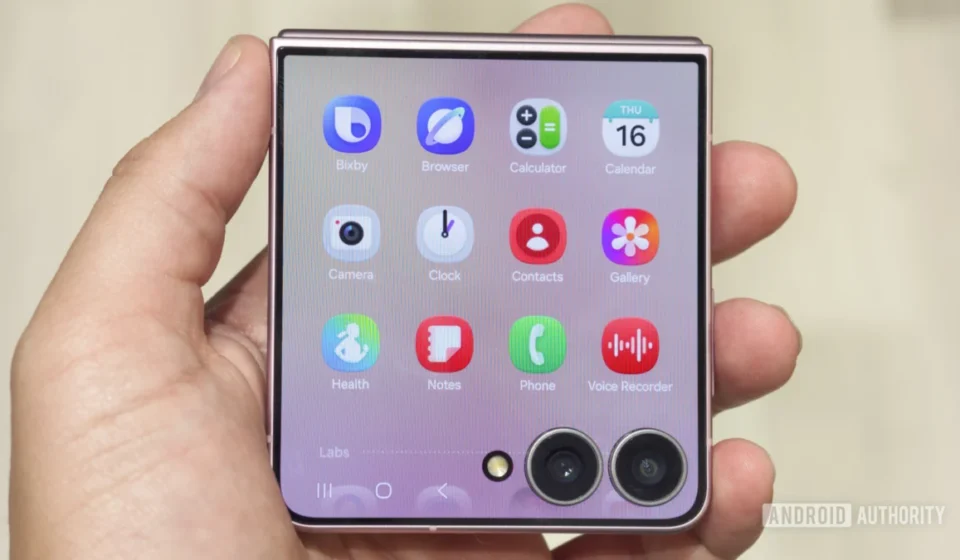
For consumers captivated by the concept of foldables but not necessarily committed to the "small tablet" form factor of the Fold series, the Samsung Galaxy Z Flip 8 offers a distinct and highly attractive alternative. The Flip series is less about raw productivity and more about style, portability, and the nostalgic charm of a modern flip phone.

The Galaxy Z Flip 8 represents the thinnest and lightest model in its lineage to date, emphasizing its compact and pocketable design when folded. A significant development for US buyers is the return to Qualcomm chips, with the device confirmed to ship with the Snapdragon 8 Elite Gen 5 processor and 12GB of RAM in the US market. This ensures top-tier performance and consistency for American consumers, a welcome change from last year’s model which saw Exynos 2500 processors in some global markets.
While the core camera specifications—a 50MP wide shooter and a 12MP ultrawide lens—might not rival the photographic prowess of the Fold 8 Ultra, they are more than capable for the vast majority of users. These cameras provide a decent photography experience, perfectly adequate for social media, casual snapshots, and everyday moments. The Flip’s unique form factor also enables creative photography angles, leveraging its ability to stand on its own.
Beyond hardware, the Flip 8 introduces notable software improvements, including a redesigned home screen, refined quick settings, and an "elevated AI experience." These enhancements contribute to a more intuitive and personalized user interface, making the device feel fresh and responsive.
Ultimately, the Galaxy Z Flip 8’s most compelling feature as an alternative is its accessibility. With a much lower starting price of $1,200, it offers a significantly more affordable entry point into the foldable smartphone segment. It caters to users who want a device that stands out, offers a unique interaction, and is highly portable, without the premium cost associated with the larger, productivity-focused foldables.
Implications for Consumers: The Galaxy Z Flip 8 is ideal for fashion-conscious users and those prioritizing extreme portability in a foldable device. It delivers a flagship experience with a unique form factor at a price point that significantly undercuts the book-style foldables, making foldable technology more accessible to a broader audience.
5. Samsung Galaxy S26 Ultra (Traditional Flagship)
It is crucial to consider whether a foldable phone is truly the best fit for every user, especially given the inherent compromises that still exist within the form factor. Despite significant advancements, foldables often carry "baggage" that includes higher costs for comparable specifications, potential durability concerns (even if greatly improved), and sometimes less refined camera systems due to internal space constraints. This brings the Samsung Galaxy S26 Ultra into sharp focus as a compelling, non-foldable alternative.
The Galaxy S26 Ultra, retailing for roughly the same price as a Galaxy Z Flip 8 (and often found on sale for less), offers an uncompromising traditional flagship experience. It is powered by the identical high-end Snapdragon 8 Elite Gen 5 processor, ensuring equivalent performance to the latest Fold models. However, its camera package is where it truly distinguishes itself. The S26 Ultra boasts a significantly more impressive quad-camera system: a 200MP main camera, a 50MP ultrawide shooter, a 10MP telephoto shooter, and a 50MP periscope telephoto lens. This array provides unparalleled versatility, zoom capabilities, and image quality that is difficult for any foldable to match due to physical constraints.
While it lacks the large inner display of a book-style foldable, the S26 Ultra compensates with an excellent 6.9-inch AMOLED panel, offering vibrant colors, deep blacks, and exceptional brightness. Furthermore, it typically features superior battery life and faster 60W charging, surpassing the 45W charging found on the Fold 8 Ultra.
Perhaps one of the most significant advantages for power users is the inclusion of the S Pen. The S Pen, a hallmark of Samsung’s Ultra and Note series, offers precision input for note-taking, drawing, and navigation. Notably, neither the Galaxy Z Fold 8 nor the Z Fold 8 Ultra offers built-in S Pen support, a surprising omission for devices marketed towards productivity. For creative professionals or users who rely heavily on stylus input, the S26 Ultra remains the undisputed choice within Samsung’s ecosystem.
Implications for Consumers: The Galaxy S26 Ultra is the ideal choice for users who prioritize an uncompromised, top-tier smartphone experience without the complexities and higher costs often associated with foldables. It offers superior camera performance, robust battery life, and the unique utility of the S Pen, all within a proven and highly refined traditional form factor. It serves as a strong reminder that for many, the best "foldable alternative" might just be the best traditional flagship.
Broader Impact and Implications
The emergence of the Galaxy Z Fold 8 Ultra and the diverse array of alternatives highlights several key trends in the smartphone industry. Firstly, it underscores the increasing segmentation of the premium market. Samsung’s strategy to introduce an Ultra foldable, alongside standard and previous-generation models, indicates a deliberate effort to cater to different user profiles and price sensitivities. This provides consumers with more choice but also necessitates careful consideration of priorities.
Secondly, the competitive landscape is intensifying. Motorola’s successful entry into the book-style foldable market challenges Samsung’s early monopoly, fostering innovation and potentially driving down prices in the long term. This competition benefits consumers through more refined products and a wider range of features.
Thirdly, the debate between foldable and traditional form factors continues. While foldables offer unique benefits in screen real estate and portability, traditional flagships like the Galaxy S26 Ultra continue to excel in areas like camera performance, battery life, and overall durability, often at a more accessible price point when factoring in equivalent specifications. The absence of S Pen support in the new Fold models further complicates the value proposition for certain power users.
Finally, the continuous evolution in hinge technology, display durability (e.g., titanium alloy films), and software optimization across all foldable devices indicates a maturing segment. However, high entry prices remain a barrier for mainstream adoption in many markets. The availability of older models and more affordable clamshell designs, like the Z Flip 8, suggests a gradual move towards making foldable technology more accessible, even if the Ultra models continue to push the technological and pricing envelope. The future of smartphones will undoubtedly be shaped by this ongoing innovation and the ever-present tension between groundbreaking form factors and established, reliable designs.