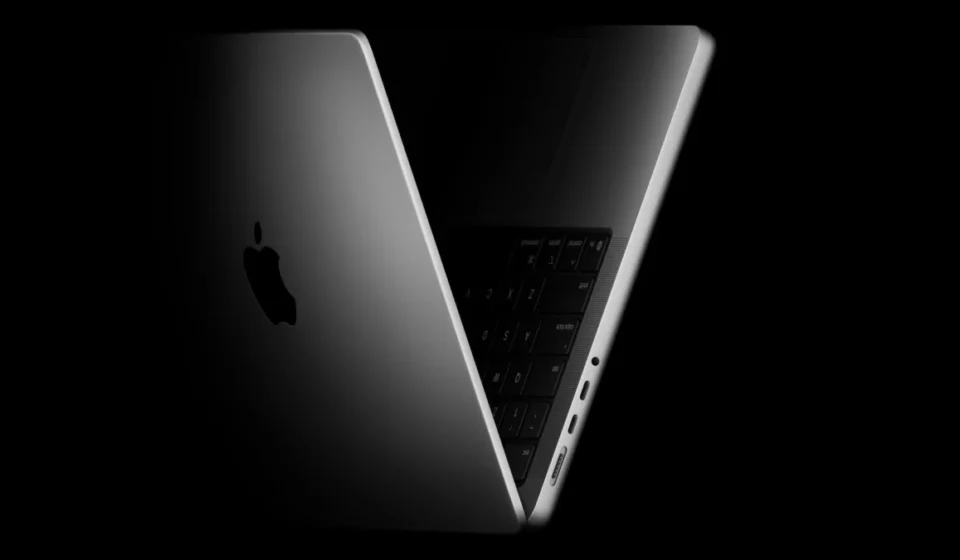
Apple’s Next High-End MacBook Pro Set for Radical Design Overhaul With OLED Display and Thinner Profile

Apple’s highly anticipated next-generation high-end MacBook Pro is poised to usher in the most significant external redesign of the Pro line since its 2021 overhaul. While concrete renders or precise dimensional leaks have yet to surface, a convergence of industry reports paints a vivid picture of forthcoming transformations, signaling a departure from the established design language and a bold step towards the future of portable computing. This refresh is not merely iterative; it represents a fundamental reimagining of Apple’s premium laptop offering, driven by technological advancements and a strategic vision for product evolution.
The forthcoming MacBook Pro, potentially dubbed the "MacBook Ultra" by some industry observers, is shaping up to be a true paradigm shift, according to insights from Bloomberg’s Mark Gurman, a highly respected voice in Apple product analysis. The core of this transformation lies in the integration of a cutting-edge OLED display and a dramatically thinner and lighter chassis. This dual advancement aligns with Apple’s broader strategic objective to produce the slimmest and most featherweight devices within their respective market categories. The implications of this new design philosophy are far-reaching, with expectations that this aesthetic and engineering approach will cascade to other Mac products, including the entry-level 14-inch MacBook Pro, slated for a 2027 release, which is reportedly set to mirror these advancements.
A New Era of MacBook Pro Design: Thinner, Lighter, and Visually Striking
Since the 2021 redesign, all 14-inch and 16-inch MacBook Pro models have maintained a consistent thickness of 0.61 inches (15.5mm), a form factor that has endured across four generations of Apple Silicon. The forthcoming iteration, however, is anticipated to break this mold with a noticeably slimmer and lighter profile. While specific measurements remain under wraps, the adoption of a hybrid OLED panel, replacing the current mini-LED backlighting, is a key enabler of this slimming trend. The mini-LED technology, while offering superior contrast and brightness, necessitates a more complex backlight structure. By transitioning to OLED, Apple can effectively remove a physical layer from the display assembly, leading to a more pronounced reduction in thickness, particularly noticeable in the upper half of the laptop’s lid.
This technological shift promises not only a more svelte device but also an enhanced visual experience. OLED displays are renowned for their perfect blacks, infinite contrast ratios, vibrant colors, and rapid response times. The integration of this display technology into the MacBook Pro line is expected to elevate the user’s visual fidelity, making content consumption and creative work even more immersive and impactful. The move away from mini-LED also signifies a potential cost optimization for Apple in the long run, as OLED production scales and matures, although initial adoption often comes with a premium.
The Dynamic Island Arrives on Mac: A Seamless Integration
A visually striking change expected with the new MacBook Pro is the elimination of the display notch. This prominent cutout, introduced with the 2021 redesign, has been a defining characteristic of the MacBook Pro’s screen for several years. However, a roadmap from research firm Omdia, subsequently corroborated by Bloomberg, indicates that Apple will transition to a hole-punch camera design. This move is not merely aesthetic; it is strategically aligned with the integration of Apple’s Dynamic Island interface.
The pill-shaped cutout is reportedly engineered to house interactive elements of the Dynamic Island, mirroring its functionality on the iPhone. This means that system alerts, background activities, and live notifications will be seamlessly integrated into the top of the display, creating a more fluid and intuitive user experience. The removal of the notch will also allow the menu bar to appear as a continuous, uninterrupted strip, rather than being bifurcated by the notch. This subtle but significant change promises to enhance the overall visual harmony of the display.
Apple’s software development provides further evidence of this impending shift. The "Search or Ask" interface within Spotlight in macOS 27, for instance, has been observed to adopt a dark, pill-shaped design, perfectly suited to accommodate such a cutout. This proactive software adaptation suggests a well-orchestrated transition, ensuring that both hardware and software are synchronized for the new design paradigm.
Slimmer Bezels and Enhanced Durability
Beyond the notch and the overall chassis, the display bezels are also rumored to be shrinking. Industry sources suggest that Samsung Display will be supplying 14.3-inch and 16.3-inch OLED panels, a fractional increase in size compared to the current 14.2-inch and 16.2-inch displays. When integrated into a chassis that is expected to remain largely similar in overall dimensions, these slightly larger panels will inevitably result in narrower borders around the screen. This reduction in bezel size will further enhance the immersive quality of the display, pushing the visual content closer to the edge of the device.
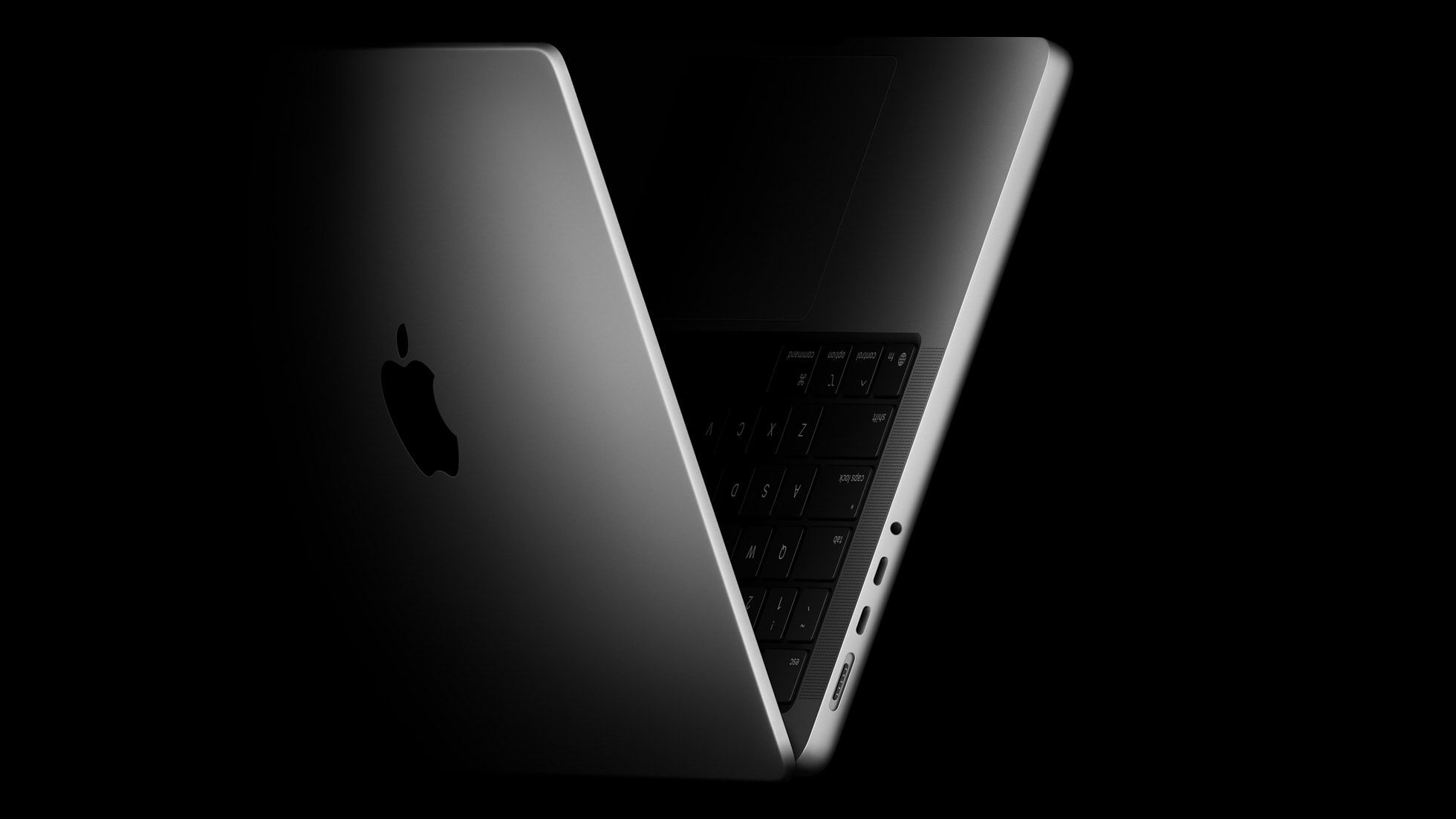
In addition to the visual enhancements, Apple is reportedly addressing a subtle but important aspect of user experience: display stability. Reports indicate the inclusion of a reinforced hinge mechanism. This upgrade is designed to mitigate any potential wobble or instability of the display when the laptop is being used, especially during touch interactions or when the lid is being adjusted. Whether this new hinge will also allow for a greater tilting range than the current models, which are limited by structural considerations, remains to be seen.
A Familiar Foundation: Retained Ports and Form Factor
Despite the significant external redesign, many of the core functional elements that users have come to appreciate are expected to remain. Bloomberg’s reporting in February suggested that the new MacBook Pro would largely retain the familiar aesthetic of its predecessors, with no radical departure from the conventional clamshell form factor. This includes the continued use of the current keyboard and trackpad, which have been well-received for their usability and comfort. The device will continue to be offered in the popular 14-inch and 16-inch screen sizes, maintaining its appeal to a broad spectrum of professional users.
Furthermore, essential legacy ports that were reintroduced in the 2021 redesign are not expected to be phased out. The return of HDMI, MagSafe charging, and the SD card slot was a significant win for many users after their omission in previous generations. No credible reports have indicated any intention by Apple to remove these connectivity options again, suggesting a commitment to providing a comprehensive and versatile port selection for professionals.
The Road Ahead: Timeline and Market Context
The arrival of this significantly redesigned MacBook Pro is anticipated to fall within a specific timeframe. Mark Gurman projects a launch between late 2026 and early 2027. More recent assessments now lean towards the latter part of this window, primarily due to ongoing challenges in the global memory chip supply chain. This shortage has impacted various technology sectors, and Apple, despite its considerable scale, is not immune. Analyst Ming-Chi Kuo, another prominent figure in Apple supply chain analysis, expects mass production to commence by late 2026, aligning with Gurman’s timeline.
The introduction of this new MacBook Pro generation will likely coincide with Apple’s next wave of M-series chips. While not explicitly detailed in all reports, the "M5" generation of Apple Silicon is a logical progression for a late 2026 or early 2027 release. This would suggest the potential for M5 Pro and M5 Max variants to power these premium devices, offering further performance enhancements and efficiency gains. The integration of these next-generation chips will ensure that the enhanced hardware capabilities are matched by robust processing power, a hallmark of Apple’s integrated approach to product development.
Broader Implications and Future Trajectory
The impending redesign of the MacBook Pro signals more than just a new laptop; it represents a strategic pivot in Apple’s product development philosophy. The emphasis on thinner, lighter, and more visually integrated designs, coupled with the adoption of cutting-edge display technologies like OLED, indicates a commitment to pushing the boundaries of portable computing. This approach not only enhances the user experience but also positions Apple to maintain its leadership in the premium laptop market.
The potential for a "MacBook Ultra" designation, as discussed on platforms like The MacRumors Show, hints at a possible stratification of Apple’s high-end laptop offerings. While the MacBook Pro has historically served as Apple’s flagship professional notebook, the emergence of an "Ultra" model could signify a new tier of performance and features, catering to the most demanding professional workflows. This would allow Apple to differentiate its product lines more clearly and potentially introduce even more specialized hardware configurations in the future.
The industry will be closely watching the rollout of these new MacBook Pros, not only for the immediate impact on the personal computing landscape but also for the broader implications on design trends and technological adoption across the tech industry. The convergence of advanced display technology, refined industrial design, and powerful Apple Silicon promises to set a new benchmark for what users can expect from a premium laptop.