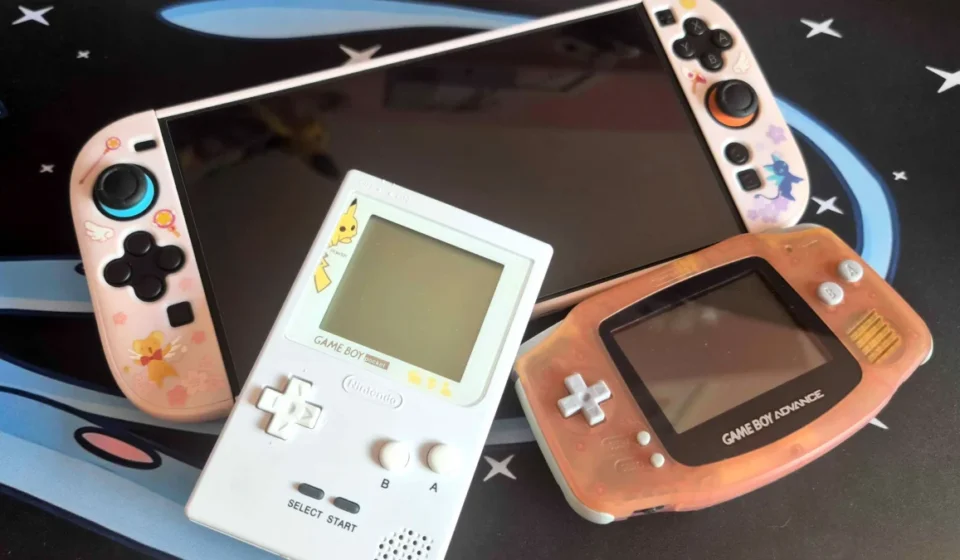
The Definitive Analysis: How Nintendo’s Handhelds Stack Up in Price When Adjusted for Inflation

The perennial debate surrounding the cost of Nintendo hardware has once again taken center stage with the recent announcement of the Nintendo Switch 2’s elevated price point. Initially launched at $449.99, the hybrid console is slated for a price increase to $499.99 later this year, sparking widespread discussion among consumers and industry analysts alike. This impending price adjustment prompts a crucial question: how does the Switch 2’s cost compare to Nintendo’s previous handheld and hybrid offerings when adjusted for inflation? An in-depth analysis of historical pricing, viewed through the lens of economic fluctuations, reveals a nuanced picture of Nintendo’s pricing strategies over the decades.

To provide a comprehensive comparison, this analysis adheres to specific criteria. Consoles are included if they utilized a distinct cartridge format, signifying a generational or significant hardware upgrade. For instance, the transition from the Game Boy to the Game Boy Color represents a new cartridge generation, whereas the Game Boy Advance to the Game Boy Advance SP does not, as the game media remained the same. All price adjustments are calculated based on inflation data as of July 2026, acknowledging that economic variables may cause minor discrepancies for readers accessing this information at a later date.
The Dawn of Portable Gaming: Game Boy and Game Boy Color
Nintendo’s foray into the dedicated handheld market began with the iconic Game Boy. Launched in 1989 with an initial price of $89.95, the device was a revolutionary piece of technology for its era. Adjusting for inflation, the original Game Boy’s price today would hover around $240. This figure, while seemingly substantial, must be contextualized by the prevailing market conditions. In 1989, the concept of a powerful, portable gaming device was nascent. The Game Boy’s bundled inclusion of the immensely popular Tetris further cemented its value proposition. Moreover, its closest competitor, the Atari Lynx, launched the same year at a considerably higher price of $179.99, effectively positioning the Game Boy as an accessible entry point into portable gaming. The absence of a mature handheld market meant consumers had few benchmarks for comparison, making the Game Boy’s pricing appear reasonable within its innovative context.

The evolution of Nintendo’s handhelds continued with the Game Boy Color, released in 1998. With an original price of $79.95, the Game Boy Color stands out as Nintendo’s most affordable handheld console when adjusted for inflation, costing approximately $163.80 in 2026 dollars. This represents a significant value, particularly when compared to the Switch 2’s upcoming price of $499.99. The Game Boy Color’s affordability, coupled with its ability to play original Game Boy titles and its own library of color-enhanced games, contributed to its widespread success. Although Nintendo’s official sales figures often combine the Game Boy and Game Boy Color, the latter is widely recognized for its substantial contribution to the 118.69 million combined unit sales. The period between the Game Boy Color’s launch and the introduction of the Game Boy Advance in 2001 was a particularly strong era for the device, bolstered by exclusive titles like Pokémon Gold, Silver, and Crystal, which collectively sold over 30 million units.
The Leap to Advanced Graphics: Game Boy Advance and Nintendo DS
The Game Boy Advance, launched in 2001, represented a significant graphical upgrade over its predecessors. Priced at $99.99, its inflation-adjusted cost in 2026 would be approximately $170. This made it a remarkably affordable option, comparable to many modern Android-based retro handhelds. Even its successor, the Game Boy Advance SP, which introduced a clamshell design and a backlit screen, maintained a competitive price of $99.99 upon its 2003 release. The period from 1998 to roughly 2023 offered a sustained era of affordability for Nintendo handheld gaming, with many flagship Game Boy Advance titles retailing between $30 and $35.

The landscape shifted with the introduction of the Nintendo DS in 2004, priced at $149.99. This marked a noticeable increase in cost, a trend that continued with subsequent generations. The technological leap between the Game Boy Advance and the Nintendo DS was substantial, featuring dual screens (one of which was a touchscreen), an integrated backlight, and a more robust battery. These advancements justified the higher price point, allowing for innovative gameplay experiences exemplified by titles such as Brain Age: Train Your Brain in Minutes a Day! and Cooking Mama. The Nintendo DS became a monumental success for Nintendo, ultimately surpassing the Nintendo Switch in total sales with over 154 million units sold. A significant portion of these sales were driven by the Nintendo DS Lite, released in 2006 for $129.99, which would equate to approximately $215 today.
The Era of Innovation and Stumbles: Nintendo 3DS and Wii U
Nintendo continued to push boundaries with the Nintendo 3DS, launched in 2011 at $249.99. This represented Nintendo’s most expensive purely handheld console at the time, with an inflation-adjusted price of around $371.14 in 2026. The 3DS boasted stereoscopic 3D capabilities without the need for glasses, a groundbreaking feature for its time. However, initial sales were reportedly sluggish, leading Nintendo to implement a significant price reduction of $80 within five months of its launch, bringing its adjusted price more in line with previous handhelds. This price cut, while improving its market position, did not propel the 3DS to the stratospheric sales figures of the DS, partly coinciding with a less dominant period for Nintendo, marked by the challenges faced by the Wii U.

The Wii U, released in 2012, is widely considered Nintendo’s least successful home console of the 21st century. Launching at $299.99, it was priced higher than its direct competitors, the PlayStation 3 and Xbox 360, at the time. The console’s innovative GamePad controller, while offering unique gameplay possibilities, failed to resonate strongly enough with consumers to justify its premium cost, especially compared to the revolutionary motion controls of the original Wii. Adjusted for inflation, the Wii U’s launch price positions it as the second most expensive hybrid or handheld console in Nintendo’s history, surpassed only by the upcoming Nintendo Switch 2. The Wii U’s commercial underperformance is often attributed to a combination of factors, including its unconventional naming, a less-than-stellar launch library, and a perceived lack of clear differentiation from the Wii.
The Hybrid Revolution and Future Pricing: Nintendo Switch and Switch 2
Learning from the Wii U’s shortcomings, Nintendo launched the Nintendo Switch in 2017 at the same $299.99 price point. This strategy proved immensely successful. By 2017, with the PlayStation 4 and Xbox One priced significantly higher (upwards of $399 and $499 respectively), the Switch’s hybrid nature – seamlessly transitioning between a home console and a portable device – presented exceptional value. This success has solidified the Switch as Nintendo’s best-selling console of all time, with titles like The Legend of Zelda: Breath of the Wild and Pokémon Legends: Arceus achieving massive sales figures.

However, when adjusted for inflation, the original Switch’s perceived value diminishes slightly. Its inflation-adjusted price in 2026 is approximately $50 less than the projected launch price of the Switch 2. This relative decrease in value is further contextualized by the launch of the PlayStation 5 and Xbox Series X, which commanded prices exceeding $499, making the Switch appear even more attractive at its original price. The Switch’s enduring appeal continues to make it a top recommendation for portable gaming solutions.
The Nintendo Switch 2, with its initial $449.99 price and impending $499.99 increase, undeniably represents the most expensive handheld or hybrid console in Nintendo’s history, even after accounting for inflation. While the price difference from the Wii U’s inflation-adjusted cost is relatively modest, the current economic climate and industry trends provide crucial context. The rising cost of components, a global phenomenon affecting various electronics, has contributed to price increases across the board, including other gaming handhelds like the Steam Deck OLED. Furthermore, the Switch 2’s launch coincided with a period of international trade uncertainty, particularly concerning tariffs, which may have influenced its pricing strategy.

Concluding Remarks: A Historical Perspective on Nintendo’s Pricing
The historical analysis of Nintendo’s handheld and hybrid consoles reveals a clear trend: while portable gaming devices have rarely been inexpensive, the Game Boy Color and Game Boy Advance stand out as exceptions offering exceptional value. Over the decades, Nintendo’s pricing has largely tracked inflationary pressures, with significant technological advancements often accompanied by higher price points. The Switch 2’s elevated cost, while substantial, is not without precedent or mitigating factors related to global economic conditions and industry-wide cost increases. Despite these price shifts, Nintendo continues to command significant consumer loyalty and goodwill within the gaming community, suggesting that while price remains a critical factor, the company’s commitment to innovative gameplay and beloved franchises continues to be a powerful draw for consumers. The long-term success of the Switch 2 will ultimately depend on its ability to deliver compelling gaming experiences that justify its premium price tag in an increasingly competitive market.