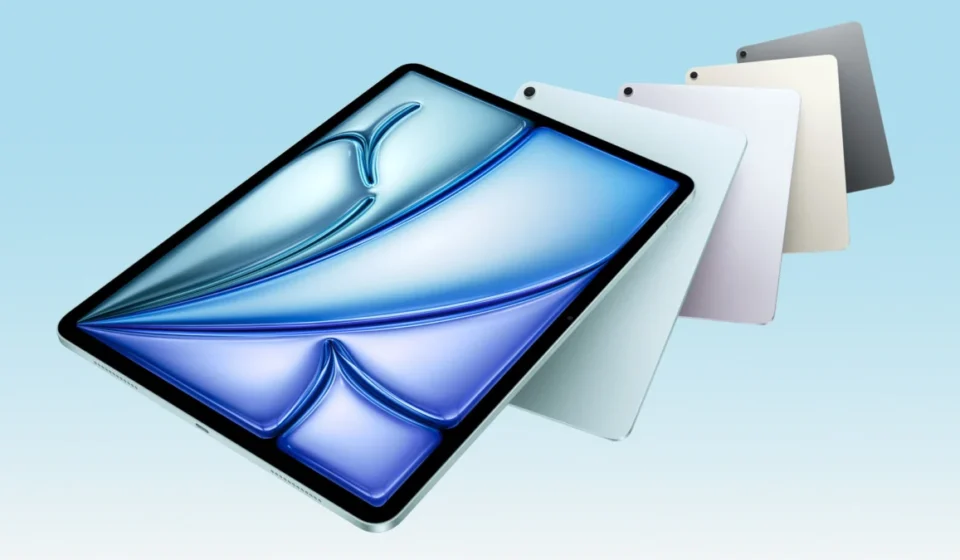

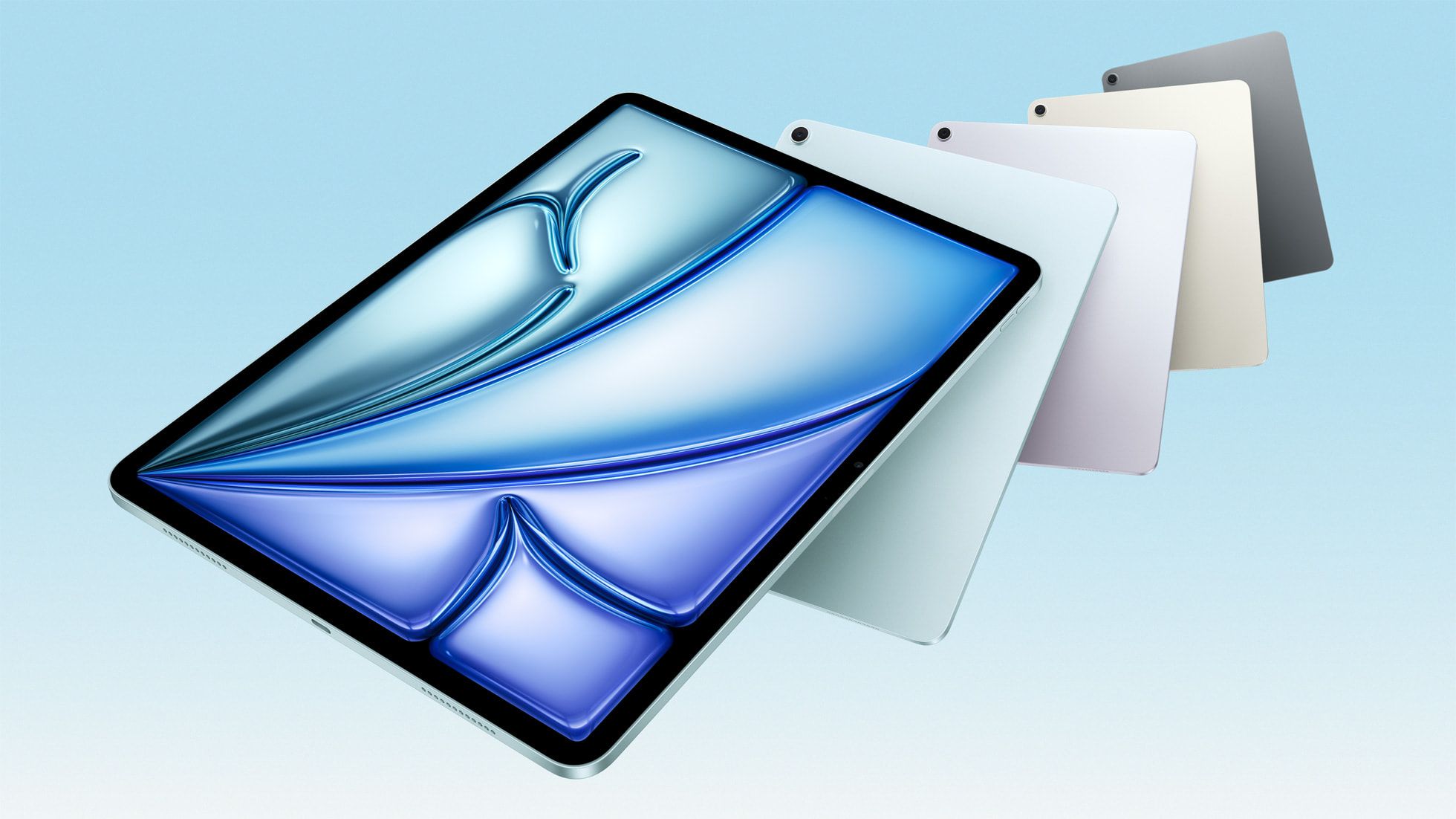
Apple’s iPad Air, a device that has maintained its distinct design language since its fourth-generation iteration in 2020, is reportedly on the cusp of a significant transformation. This current design, characterized by its flat edges, an all-screen front display, and the integration of Touch ID within the top button, has remained consistent across subsequent internal upgrades, including the M1, M2, M3, and M4 chip iterations. This prolonged adherence to a single design makes it the longest-standing aesthetic in Apple’s tablet lineup, a trend that industry observers and supply chain reports suggest is poised to end in early 2027.
H2: A New Display Technology and Internal Powerhouse
The anticipated overhaul of the iPad Air is primarily driven by the planned adoption of OLED display technology. Reports from reliable industry sources indicate that Apple is targeting an early 2027 launch for an iPad Air model featuring this advanced display. This shift would represent a substantial departure from the current LCD panels, offering users enhanced contrast ratios, deeper blacks, and potentially improved power efficiency.
Samsung Display is expected to be a key supplier for these new panels. The technology cited involves single-stack LTPS (Low-Temperature Polycrystalline Silicon) OLED panels. These are understood to be a more cost-effective and brightness-optimized solution compared to the tandem OLED stacks utilized in the current iPad Pro models. While the iPad Pro’s dual-layer OLED technology provides superior brightness and longevity, the single-stack approach for the iPad Air signifies Apple’s strategy to balance cutting-edge display features with more accessible pricing for its mid-range tablet.
Alongside the display upgrade, the iPad Air is also rumored to receive a new internal processor, potentially the M5 chip. This would align with Apple’s typical product release cycles, where significant hardware advancements often accompany major design refreshes. The integration of a more powerful and efficient chip would further solidify the iPad Air’s position as a versatile device capable of handling demanding applications and multitasking.
H3: The Wider Context of Apple’s OLED Rollout
The move to OLED for the iPad Air is not an isolated event but rather a component of a broader strategic push by Apple to integrate OLED technology across its product ecosystem. This initiative has already seen significant progress with the iPad Pro line and is projected to extend to other key product categories in the coming years. Products such as the iMac and MacBook Air are also on the roadmap for eventual OLED adoption, suggesting a long-term commitment to this display standard.
This wider rollout of OLED technology underscores Apple’s dedication to enhancing visual experiences across its devices, offering richer colors, greater detail, and more immersive viewing for a range of user activities, from content consumption and creative work to productivity tasks. The phased implementation across different product tiers reflects a carefully managed transition, balancing technological innovation with market segmentation and cost considerations.
H2: Design Philosophy and the iPad Pro Precedent
The introduction of a new display technology often serves as a catalyst for a comprehensive redesign, a pattern observed with Apple’s recent iPad Pro updates. When the iPad Pro transitioned to OLED technology in 2024, it underwent its first complete redesign since 2018. This redesign notably featured a substantially thinner chassis, showcasing Apple’s commitment to refining industrial design alongside technological advancements.
This precedent suggests that the iPad Air’s move to OLED in 2027 could similarly be accompanied by a significant aesthetic and structural overhaul. Such a redesign would not only modernize the device’s appearance but could also introduce improvements in ergonomics, portability, and overall user experience. The substantial nature of the OLED upgrade makes it a fitting justification for a complete reimagining of the iPad Air’s physical form factor, moving beyond mere internal component updates.
H3: The iPad Mini’s Influence and Shared Design Language
Adding further weight to the expectation of an iPad Air redesign is the anticipated transformation of the iPad mini. Reports suggest that the iPad mini 8, expected by October of this year, will also feature an OLED display and a completely new design. This upcoming iteration of the compact tablet is rumored to incorporate several innovative features that could set new standards for Apple’s tablet lineup.
Among these potential innovations for the iPad mini 8 are a vibration-based speaker system, which would eliminate the need for traditional speaker grilles and contribute to a sleeker, more water-resistant design. Furthermore, the iPad mini 8 is speculated to boast a water-resistant casing, a feature that would be a first for any iPad model. These advancements signal a period of significant innovation across Apple’s tablet portfolio, moving beyond iterative updates to introduce more durable and aesthetically refined devices.
Historically, the iPad Air and iPad mini have shared a common design language. The iPad mini most recently adopted the Air’s design cues in 2021 and has maintained that aesthetic through to the current iPad mini 7. If the iPad mini 8 is indeed set to receive a new enclosure this year, it is highly probable that the iPad Air will adopt a similar redesign in the following year, effectively mirroring the mini’s updated form factor. This mirroring of design elements is reminiscent of the original iPad mini from 2012, which established a design standard that the first iPad Air adopted just a year later, setting a precedent for shared design evolution.
H2: Potential Design Elements and Future Implications
While specific rumors about a complete iPad Air redesign for 2027 are not yet widely circulated, the anticipated changes in the iPad mini provide a strong indication of what might be in store. If the iPad Air were to adopt the iPad mini’s new design language, it could incorporate the aforementioned vibration-based speaker system, leading to a cleaner aesthetic and potentially improved dust and water resistance. The inclusion of water resistance would be a significant enhancement, offering users greater peace of mind in various environments.
The adoption of OLED displays across both the iPad Air and iPad mini signifies Apple’s strategic direction for its tablet offerings. This move towards advanced display technology aims to elevate the user experience by providing more vibrant visuals and deeper contrast. For the iPad Air, this upgrade is particularly significant, as it has long served as a bridge between the entry-level iPad and the premium iPad Pro, offering a balance of features and price. A refreshed design, coupled with OLED and a new chip, would further strengthen its appeal in a competitive market.
The implications of these potential design and technology shifts are far-reaching. For consumers, it means access to more advanced display technology in a wider range of devices, enhancing everything from movie watching and gaming to digital art and professional productivity. For Apple, it represents a continued effort to innovate and differentiate its product lines, solidifying its position as a leader in the tablet market. The long-standing design of the iPad Air has undoubtedly served Apple well, but the technological landscape is constantly evolving, and a redesign is a necessary step to ensure the product remains competitive and appealing to a broad audience. The convergence of advanced display technology, powerful internal components, and a refined industrial design is poised to redefine the iPad Air experience in 2027.
H3: A Timeline of iPad Air Design Evolution
- 2010: The original iPad is launched, establishing the foundational design of Apple’s tablet line.
- 2012: The first iPad mini is introduced, featuring a smaller form factor but retaining a similar design ethos to its larger counterparts.
- 2013: The iPad Air (1st generation) is released, marking a significant slimming down of the original iPad’s design with thinner bezels and a lighter build.
- 2014: The iPad Air 2 is launched, continuing the slim and light design with internal upgrades.
- 2017: The iPad (5th generation) is released, reverting to a slightly thicker design and wider bezels, diverging from the Air’s aesthetic.
- 2019: The iPad Air (3rd generation) is released, essentially a rebranded 10.5-inch iPad Pro with an updated design that adopted the all-screen look and Touch ID in the home button.
- 2020: The iPad Air (4th generation) is launched, introducing a completely new design with flat edges, an edge-to-edge display, and Touch ID integrated into the top button. This design has remained consistent.
- 2022: The iPad Air (5th generation) is released, featuring the M1 chip and 5G connectivity but retaining the 2020 design.
- 2024: The iPad Air (6th generation) is released, featuring the M2 chip and available in two sizes, but again, adhering to the 2020 design.
- Early 2027 (Projected): The iPad Air is expected to receive a significant redesign, potentially incorporating OLED display technology and other innovative features, possibly mirroring design elements introduced in the iPad mini 8.
H2: Market Position and Competitive Landscape
The iPad Air has consistently occupied a crucial mid-tier position in Apple’s tablet lineup, bridging the gap between the more affordable base iPad models and the premium iPad Pro series. Its appeal lies in offering a compelling blend of performance, portability, and design that caters to a broad spectrum of users, from students and educators to creative professionals and general consumers. The current design, while familiar, has also become a point of discussion regarding its longevity, with competitors often introducing more frequent design refreshes.
The planned overhaul for 2027 is strategically timed to coincide with advancements in display technology and the broader evolution of consumer electronics. The adoption of OLED, a technology increasingly prevalent in high-end smartphones and premium tablets from other manufacturers, will be critical for the iPad Air to maintain its competitive edge. Furthermore, the potential integration of features like enhanced durability and novel audio systems, as hinted at by the iPad mini rumors, could further differentiate the iPad Air and appeal to users seeking a more robust and feature-rich tablet experience. The success of this redesign will be a key factor in Apple’s ability to continue dominating the tablet market and meeting the evolving expectations of its user base.