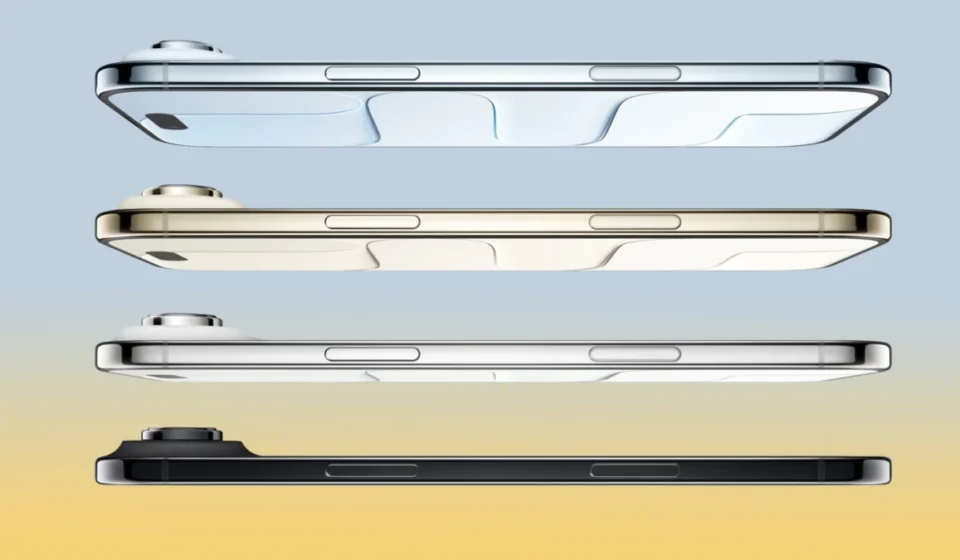

Apple is reportedly gearing up for the debut of its second-generation iPhone Air, tentatively named the iPhone Air 2, in the first quarter of 2027. This highly anticipated device is expected to introduce a suite of five significant new features, marking a notable evolution from its predecessor. The insights come from Jeff Pu, a prominent investment analyst at GF Securities, who has a consistent track record of providing early information on Apple’s product roadmap.
Pu’s recent research note, shared with GF Securities, outlines the anticipated enhancements for the iPhone Air 2. While the specific details of these five features are yet to be fully disclosed, their inclusion suggests Apple is aiming to further differentiate its mid-tier iPhone offering and cater to a broader segment of the market seeking a balance of premium features and accessible pricing. The current iPhone Air, launched as a more affordable alternative to the flagship Pro models, has carved out a significant niche by offering a streamlined yet capable iPhone experience. The upcoming iteration is poised to build upon this success with strategic improvements designed to maintain its competitive edge.
Anticipated Release and Market Positioning
The iPhone Air 2 is slated for release around March 2027, a timeline that positions it alongside the regular iPhone 18 and a more budget-friendly iPhone 18e. This staggered release strategy, a departure from Apple’s traditional single-event iPhone launches, is indicative of a broader shift in the company’s product introduction methodology. Higher-end models, including the iPhone 18 Pro, iPhone 18 Pro Max, and the much-speculated foldable "iPhone Ultra," are anticipated to launch earlier, potentially in September of the preceding year. This phased rollout allows Apple to manage supply chains more effectively, build sustained consumer interest, and cater to diverse consumer needs and purchasing cycles throughout the year.
The iPhone Air line, since its inception, has been positioned to capture consumers who desire the Apple ecosystem and a high-quality smartphone experience without the premium cost associated with the Pro models. The iPhone Air 2’s anticipated feature set is expected to reinforce this value proposition, potentially drawing in users who might have previously considered older Pro models or competitor devices.
Key Specifications and Feature Set
While the full details of the five new features remain under wraps, Pu’s note provides some clarity on core specifications that are expected to carry over from the current model. The iPhone Air 2 is anticipated to retain a 6.5-inch display, a size that has proven popular for its balance between screen real estate and comfortable handling. Furthermore, the device is expected to feature 12GB of RAM, a generous allocation that should ensure smooth multitasking and robust performance for demanding applications and games. The front-facing camera is also projected to remain an 18-megapixel unit with Center Stage technology, a feature that intelligently keeps users in the frame during video calls, enhancing the user experience for communication and content creation.
The significance of 12GB of RAM in a device positioned below the Pro tier cannot be overstated. It suggests that Apple is aiming to equip the iPhone Air 2 with performance capabilities that rival or even surpass some previous generation Pro models, offering a compelling upgrade path for users who prioritize speed and responsiveness. This move could also be a strategic response to increasing competition in the mid-range smartphone market, where manufacturers are consistently pushing the boundaries of hardware specifications.
Contextualizing the iPhone Air 2’s Development
The development of the iPhone Air 2 occurs within a dynamic global technology landscape. The smartphone market, while mature, continues to see innovation, particularly in areas like display technology, camera capabilities, and processing power. Apple, as a market leader, is constantly evaluating consumer trends and competitive pressures to inform its product development. The iPhone Air line represents a strategic effort to broaden its appeal and market share by offering a more accessible entry point into the Apple ecosystem.
The original iPhone Air was introduced as a device that stripped away some of the more niche, high-end features of the Pro models (such as the LiDAR scanner and ProMotion display) while retaining the core iPhone experience, including a powerful processor, high-quality camera system, and the latest iOS software. The success of this strategy has paved the way for a second generation, with Apple likely aiming to refine the formula and incorporate advancements that have become standard or desirable in the current smartphone market.
Broader iPhone Lineup and Strategic Shifts
The release of the iPhone Air 2 in early 2027 is part of a larger, evolving strategy for Apple’s iPhone lineup. The company appears to be moving towards a more diversified and potentially segmented release schedule. The expected launch of the iPhone 18 Pro, iPhone 18 Pro Max, and the foldable "iPhone Ultra" in September prior to the Air 2 and 18e’s early 2027 debut highlights this shift. This approach allows Apple to cater to different consumer segments with tailored product offerings and marketing campaigns throughout the year.
This new strategy also addresses the increasing complexity of smartphone manufacturing and supply chain management. By staggering releases, Apple can better manage component sourcing, production capacity, and distribution logistics, potentially mitigating the risks of widespread shortages or production delays that have impacted the industry in recent years. Furthermore, it allows Apple to maintain consumer interest in its iPhone brand across a longer period, rather than concentrating all attention on a single annual event.
Implications for the Smartphone Market
The impending arrival of the iPhone Air 2 with its anticipated five new features has several implications for the broader smartphone market. Firstly, it signals Apple’s continued commitment to the mid-range segment, a market that is increasingly competitive and price-sensitive. By enhancing the iPhone Air 2, Apple aims to provide a compelling alternative to premium devices, potentially drawing in users who might have previously opted for Android smartphones due to cost considerations.
Secondly, the focus on delivering significant upgrades in a more affordable model could put pressure on competitors to innovate and maintain competitive pricing. As consumers become more discerning about value, manufacturers will need to balance cutting-edge technology with accessible price points. The inclusion of features that were once exclusive to flagship models in mid-tier devices is a trend that is likely to accelerate, driven by the strategies of companies like Apple.
Thirdly, the potential for a more diverse release schedule might encourage other manufacturers to reconsider their own product launch strategies. A more consistent stream of new devices throughout the year could lead to sustained consumer engagement and a more dynamic market environment.
Looking Ahead: Potential Feature Speculation
While Jeff Pu’s report focuses on the existence of five new features, speculation about their exact nature is rife within the tech community. Given Apple’s trajectory, these enhancements could span a range of areas. Potential improvements might include advancements in camera technology, such as enhanced low-light performance, improved zoom capabilities, or new computational photography features. Battery life is another area where consumers consistently seek improvements, so a battery capacity boost, perhaps building on rumors of a 3,500mAh unit for the iPhone Air 2, is a strong possibility.
Display technology could also see an upgrade, perhaps with a brighter or more power-efficient panel, though it is unlikely to include ProMotion given the Air’s positioning. Performance enhancements, beyond the already generous RAM, could come from a more efficient A-series chip, optimized for power and speed. Furthermore, Apple might introduce new software-driven features that leverage improved hardware, such as enhanced augmented reality capabilities or more sophisticated AI integrations within iOS.
The inclusion of these advancements in the iPhone Air 2 would underscore Apple’s strategy of democratizing technology, bringing premium features to a wider audience. It also highlights the company’s ongoing investment in research and development, ensuring that its entire product portfolio remains at the forefront of innovation. As the first quarter of 2027 approaches, further details are expected to emerge, providing a clearer picture of the iPhone Air 2’s impact on the smartphone landscape.