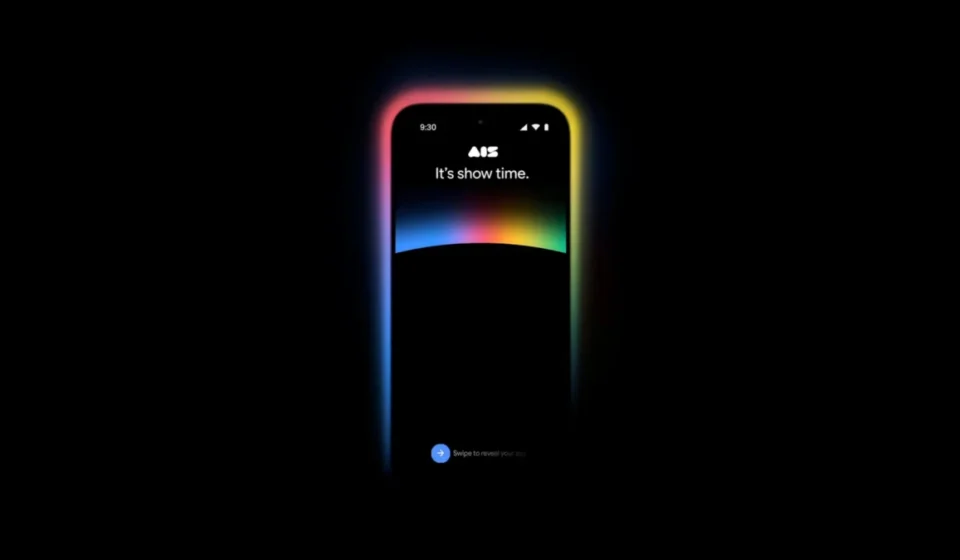

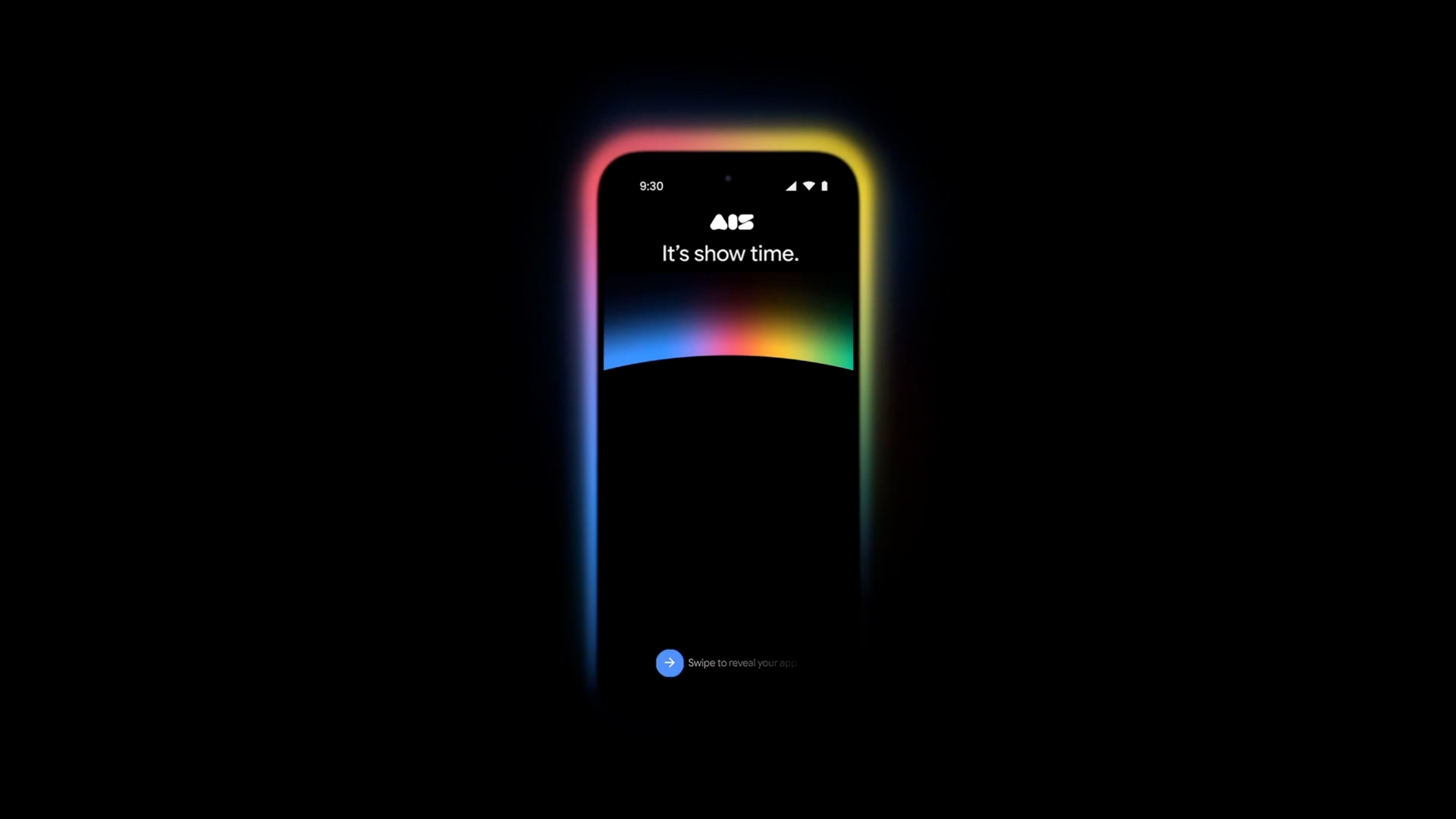
In a significant strategic pivot, Google has announced the cancellation of its eagerly anticipated standalone AI Studio mobile application, opting instead to embed its core functionalities directly into the existing Gemini app. This decision, communicated via a post on the official Google AI Studio account on X (formerly Twitter), comes despite a robust pre-order interest, with approximately 800,000 users having signed up across both Android and iOS platforms. The company cited a desire to prevent "yet another app" cluttering users’ devices, aiming to consolidate its burgeoning artificial intelligence offerings under the unified Gemini umbrella. This move underscores a broader industry trend towards integrated AI experiences and Google’s clear intent to position Gemini as the central hub for its diverse AI initiatives.
The Genesis of AI Studio Mobile: A Vision for On-Device AI Development
The concept of Google AI Studio for mobile was first unveiled with considerable fanfare, particularly around May of the current year. The initial announcement painted a compelling picture for creators and developers: a powerful, on-the-go environment designed to facilitate the building, iteration, testing, and even publishing of AI-powered applications directly from their smartphones. This vision resonated deeply with a developer community increasingly reliant on mobile devices for productivity and creative endeavors.
Key features highlighted during its initial reveal included advanced capabilities such as "app remixing," allowing developers to quickly adapt and modify existing AI models and projects, and "cross-device project syncing." The latter promised a seamless workflow, enabling developers to start a project on a desktop and continue refining it on a mobile device, or vice versa, without interruption. This mobile-first approach to AI development was seen as a democratizing force, potentially lowering the barrier to entry for aspiring AI innovators and empowering professionals with unprecedented flexibility. The strong pre-registration numbers, reaching nearly a million users, were a testament to the enthusiasm surrounding these promised features and the potential impact of such a dedicated tool. Developers, from hobbyists to seasoned professionals, saw the potential for rapid prototyping, on-the-spot debugging, and a more agile development cycle, all within the palm of their hand. The idea of leveraging the computational power and omnipresence of smartphones for AI model training and application deployment was, for many, a logical and exciting progression in the field.
The Pivotal Shift: Consolidating Under the Gemini Banner
The recent announcement on X fundamentally alters this trajectory. Google explicitly stated its decision to forego a dedicated mobile application for AI Studio. Instead, the company confirmed that it would be partnering with the Gemini app team to integrate AI Studio’s core capabilities directly into the Gemini application, a strategy intended to span both mobile and desktop environments. This integration signals a clear strategic direction: Google aims for Gemini to serve as the singular, overarching platform for its AI ecosystem, rather than maintaining a fragmented array of specialized applications.
This decision reflects a growing recognition within the tech industry that "app fatigue" is a genuine concern for users. In an increasingly crowded digital landscape, where users are often inundated with notifications and new installations, consolidating functionalities into a single, robust platform can enhance user experience and streamline adoption. For Google, this move likely represents an effort to reinforce Gemini’s brand identity as the indispensable hub for all things AI, from conversational interactions to complex development tasks. By embedding development tools within Gemini, Google hopes to create a more cohesive and intuitive user journey, encouraging deeper engagement with its flagship AI offering. This also suggests an underlying architectural philosophy where Gemini is not just a chatbot, but a versatile AI agent capable of handling a spectrum of tasks, including creative development.
A Deeper Look at Google’s AI Strategy and the Role of Gemini
To understand the full implications of this pivot, it is essential to consider Google’s broader strategy in the rapidly evolving field of artificial intelligence. The generative AI boom, spearheaded by breakthroughs like OpenAI’s ChatGPT, ignited a fierce competition among tech giants. Google, with its long-standing research in AI, quickly recalibrated its public-facing strategy, accelerating the development and deployment of its own advanced models.
Gemini emerged as Google’s answer to this challenge, positioned as its most capable and multimodal AI model. Initially launched as a direct competitor to other large language models, Gemini has been steadily evolving beyond a mere chatbot. Google’s vision for Gemini is grander: to be an "ambient AI," seamlessly integrated across its product ecosystem, from search to productivity tools, and now, potentially, even development environments. The company has consistently emphasized Gemini’s ability to understand and operate across various modalities—text, image, audio, and video—making it a versatile foundation for a wide range of applications.
This consolidation aligns with Google’s long-term goal of creating a unified AI experience, where users interact with a single, intelligent agent that can adapt to different contexts and needs. By folding AI Studio into Gemini, Google is effectively saying that AI development is not a separate silo but an integral part of the broader AI interaction experience. This could lead to innovative new ways for developers to build and test AI models, perhaps even using conversational prompts within Gemini itself to scaffold code or refine model parameters.
Potential Implications for Developers and the AI Ecosystem
While Google’s stated rationale for this consolidation focuses on user convenience, the implications for the developer community are multifaceted. The 800,000 pre-registrations for the standalone AI Studio mobile app clearly indicate a strong demand for a dedicated, specialized mobile development environment. Developers often prioritize robust features, granular control, and an optimized user interface tailored specifically for coding and debugging over general-purpose applications.
The integration into Gemini raises several questions:
- Feature Parity: Will the "core capabilities" integrated into Gemini offer the same depth and breadth of functionality as the originally planned standalone app? Developers will be keen to see if advanced features like app remixing and sophisticated testing tools translate effectively into a more generalized application.
- User Interface and Experience: How will complex development interfaces be presented within the Gemini app, which is primarily designed for conversational interactions? Google will need to design an intuitive and efficient workflow that caters to developers’ specific needs without overwhelming the average Gemini user.
- Performance and Resources: Developing AI models can be resource-intensive. Will the integrated Gemini app be optimized to handle these demands on mobile devices, or will there be performance trade-offs compared to a dedicated, purpose-built application?
- Timeline and Rollout: Google has stated that its teams are "working hard on bringing this to life" and will "have more to share later," but no specific timeline has been provided. This uncertainty can be challenging for developers planning their projects and workflows.
For developers who had pre-registered, the immediate impact is the non-delivery of the expected standalone app. Instead, they will need to await the integration of these features into Gemini. While some may welcome the consolidation for its potential for a unified workflow, others might express disappointment at the loss of a specialized tool, fearing that a generalized approach might dilute the development experience.
Broader Industry Context and Competitive Landscape
This strategic move by Google also needs to be viewed within the broader competitive landscape of AI development. Companies like OpenAI continue to offer robust API access and developer platforms, allowing for deep integration into various applications and services. Microsoft, with its Copilot initiative, is also heavily investing in pervasive AI integration across its suite of products, from Windows to Office.
Google’s decision to funnel AI development tools through Gemini positions its flagship AI directly at the heart of its developer ecosystem. This could potentially simplify the developer journey by providing a single point of entry for accessing Google’s AI models, tools, and resources. It also reinforces Gemini’s role not just as an end-user product but as a foundational platform for AI innovation. By doing so, Google aims to foster a loyal developer base deeply integrated into its AI ecosystem, making it easier for them to leverage Google’s latest AI advancements without having to navigate multiple interfaces or learn disparate tools. This could become a significant competitive advantage if the integration is executed flawlessly, offering a seamless and powerful development experience within Gemini.
Challenges and Opportunities Ahead
The integration of AI Studio’s capabilities into Gemini presents both significant challenges and substantial opportunities for Google.
Challenges:
- Managing User Expectations: Google must effectively communicate the benefits of this integrated approach to the 800,000 pre-registered users and the wider developer community. Transparency regarding feature parity and development roadmap will be crucial.
- Technical Complexity: Integrating a sophisticated development environment into a multimodal AI application like Gemini is a complex technical undertaking. Ensuring stability, performance, and a rich feature set will require considerable engineering effort.
- UI/UX Design: Crafting a user interface that caters to both general AI interactions and specific developer needs within a single app will be a delicate balancing act.
- Potential Delays: The lack of a specific timeline for rollout could lead to frustration among developers eager to utilize these mobile AI development capabilities.
Opportunities:
- Strengthening Gemini’s Brand: This move can significantly elevate Gemini’s status from a conversational AI to a comprehensive AI platform, capable of supporting both consumption and creation of AI.
- Simplified User Experience: For the end-user, having fewer apps to manage and a centralized AI hub could lead to greater adoption and satisfaction.
- Unified Ecosystem: A consolidated approach fosters a more coherent Google AI ecosystem, making it easier for users and developers to discover and utilize Google’s AI offerings.
- Innovative Workflows: The integration could lead to novel ways of interacting with development tools, perhaps leveraging Gemini’s conversational capabilities for code generation, debugging assistance, or project management. Imagine verbally instructing Gemini to refactor a piece of code or suggest optimizations for a model.
- Competitive Edge: A truly seamless and powerful integrated AI development experience within Gemini could differentiate Google in the fiercely competitive AI market, attracting developers looking for an efficient and cohesive platform.
In conclusion, Google’s decision to cancel the standalone AI Studio mobile app and integrate its functionalities into Gemini is a bold strategic move. It reflects a clear commitment to consolidating its AI efforts under a single, powerful brand and addressing the challenge of app proliferation. While it means a change of plans for the nearly one million users who had pre-registered, it also signals Google’s ambition to create a more unified, intuitive, and potent AI ecosystem centered around Gemini. The success of this pivot will ultimately depend on Google’s ability to deliver a robust, feature-rich, and seamless development experience within Gemini, living up to the promise of empowering AI creators directly from their mobile devices, albeit in a new, integrated form factor. The tech world, and particularly the developer community, will be watching closely for Google’s next announcement on this evolving strategy.