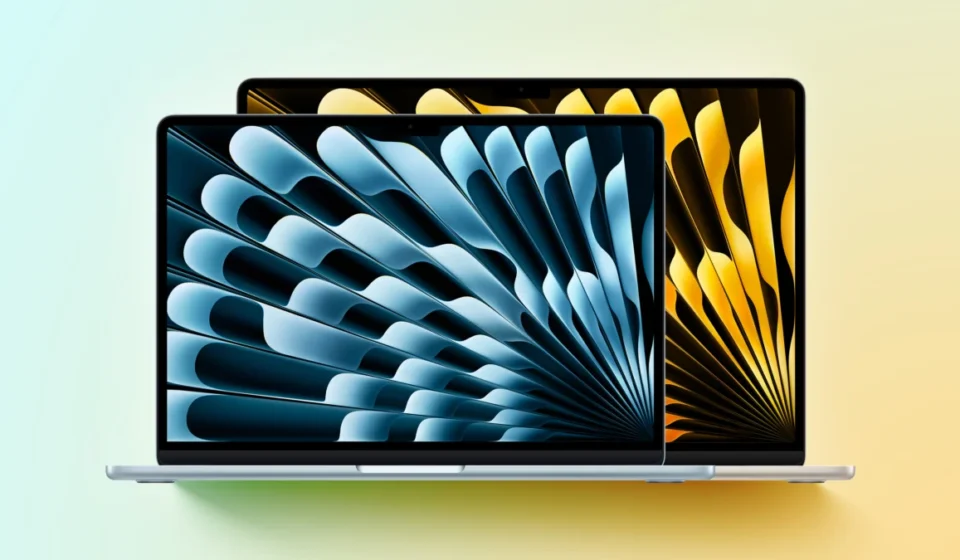
MacBook Air Shortage Intensifies Despite Recent Price Hike, Supply Chain Bottlenecks Cited

Despite a significant price increase implemented in June, the MacBook Air is currently grappling with a "major" shortage, a situation corroborated by reputable industry sources and detailed in a recent report by Bloomberg’s Mark Gurman. This scarcity is impacting availability across Apple’s online store and retail channels, with delivery estimates stretching to several weeks, particularly for configurations featuring increased RAM. The ongoing constraint is being attributed to a broader industry-wide shortage of memory chips, a critical component for a wide array of consumer electronics, including Apple’s popular laptop.
The current supply crunch for the MacBook Air is not an isolated incident but rather a symptom of a larger global demand surge for memory components. The insatiable appetite for high-performance computing power, particularly driven by the rapid expansion of data centers and the burgeoning field of artificial intelligence (AI), has placed immense pressure on the semiconductor manufacturing ecosystem. Companies are aggressively procuring RAM and SSD storage chips to build robust AI servers, leading to unprecedented demand and subsequent price escalations for these essential components. This dynamic has rippled through the supply chain, affecting not only the MacBook Air but also other Apple products such as the Mac Studio and Mac mini, which also rely heavily on these memory chips.
A Timeline of Constraints and Price Adjustments
The current shortage follows a period of strategic price adjustments by Apple. In June of the current year, the technology giant enacted price increases across a significant portion of its product lineup, impacting 14 different products, including the MacBook Air. In the United States, this adjustment saw the starting price of the MacBook Air rise from $1,099 to $1,299, representing a substantial 18% increase. This price hike, intended perhaps to offset rising component costs or to re-align pricing strategies, has done little to alleviate the escalating demand and the persistent supply limitations.
Retail store sources, as cited by Gurman, have indicated that Apple is finding it increasingly challenging to maintain adequate stock levels of the MacBook Air. The report highlights that shipments of new units are more constrained than these sources can recall experiencing previously. This sentiment is echoed on Apple’s official online store, where delivery estimates for the MacBook Air in the U.S. currently range from two to six weeks. The longest delays are observed for configurations that include higher amounts of RAM, a clear indicator of the specific components experiencing the most acute shortages.
The Root Cause: A Global Memory Chip Scarcity
The underlying cause of this widespread supply constraint is the ongoing global shortage of memory chips. This shortage is largely a consequence of an unprecedented surge in demand from the AI sector. The development and deployment of advanced AI models require massive computational power, which in turn necessitates substantial quantities of high-speed RAM and high-capacity storage. Tech companies and cloud service providers are investing heavily in building out their data center infrastructure to support these AI workloads, leading to a scramble for the essential semiconductor components.

This intense demand has driven up the prices of RAM and SSD storage chips considerably. Manufacturers are struggling to ramp up production quickly enough to meet the escalating orders. Consequently, the cost of these components has skyrocketed, impacting the production costs for a vast array of electronic devices. Apple, despite its considerable purchasing power and long-standing relationships with chip manufacturers, is not immune to these market forces. The MacBook Air, being a high-volume product, is now directly feeling the impact of this critical supply chain bottleneck.
Analysis of Implications: Demand Outstripping Supply
The current situation presents a complex scenario for both Apple and its consumers. On one hand, the persistent demand for the MacBook Air, even after a price increase, underscores its continued popularity and perceived value in the market. It suggests that consumers are willing to absorb higher prices for a product that meets their computing needs, especially given its reputation for performance, portability, and integration within the Apple ecosystem.
However, the inability of Apple to meet this demand due to supply chain limitations has several implications:
- Customer Dissatisfaction and Lost Sales: Extended delivery times can lead to frustration among potential buyers, who may opt for competing products or delay their purchases altogether. This can translate into lost sales and revenue for Apple.
- Impact on Product Launch Cycles: Persistent supply issues could potentially influence the timing and availability of future product refreshes. Apple might need to carefully manage its product launch strategies to avoid exacerbating existing supply chain pressures.
- Reinforcement of Component Sourcing Strategies: The current crisis may prompt Apple to further diversify its component sourcing strategies and potentially invest more in securing long-term supply agreements for critical semiconductor components. It also highlights the interconnectedness of the global tech industry, where a bottleneck in one area can have far-reaching consequences.
- Opportunity for Competitors: While Apple faces constraints, its competitors might see this as an opportunity to gain market share by ensuring better product availability. However, the MacBook Air’s strong brand loyalty and ecosystem integration are significant advantages that are difficult for competitors to replicate.
Broader Industry Context and Future Outlook
The memory chip shortage is not a new phenomenon, but its current intensity, driven by the AI boom, is particularly noteworthy. Industry analysts have projected that the demand for AI-specific chips and the underlying memory components will continue to grow exponentially in the coming years. This suggests that supply chain challenges related to semiconductors could persist for an extended period.
Apple has a history of navigating complex supply chain dynamics, often leveraging its scale and strategic partnerships to mitigate risks. However, the current confluence of high consumer demand and the unprecedented surge in AI-driven semiconductor procurement presents a formidable challenge. The company’s ability to effectively manage these constraints will be crucial in maintaining its market leadership and customer satisfaction in the coming months and years.
While the current shortage is focused on memory chips, it is a stark reminder of the fragility of global supply chains and the critical role of semiconductors in the modern economy. The industry is under immense pressure to increase production capacity, with significant investments being made in new fabrication plants and research and development. However, these efforts take time to yield results, and the immediate future for products reliant on these components, including the MacBook Air, is likely to remain constrained. Consumers seeking to purchase a MacBook Air may need to exercise patience or actively monitor for updated availability information on Apple’s online store and through authorized resellers. The situation underscores the ongoing evolution of the technology landscape, where the race for AI dominance is directly influencing the availability and pricing of everyday consumer electronics.